Writing
TV's most-watched history series brings to life the compelling stories from our past that inform our understanding of the world today.
Part detective story, part true-life drama, long-running series explores some of the most iconic moments in history to debunk myths and shed new light on past events. Using the latest investigative techniques, forensic science and historical examination, it shatters accepted wisdom, challenges prevailing ideas, overturns existing hypotheses, spotlights forgotten mysteries, and ultimately rewrites history.
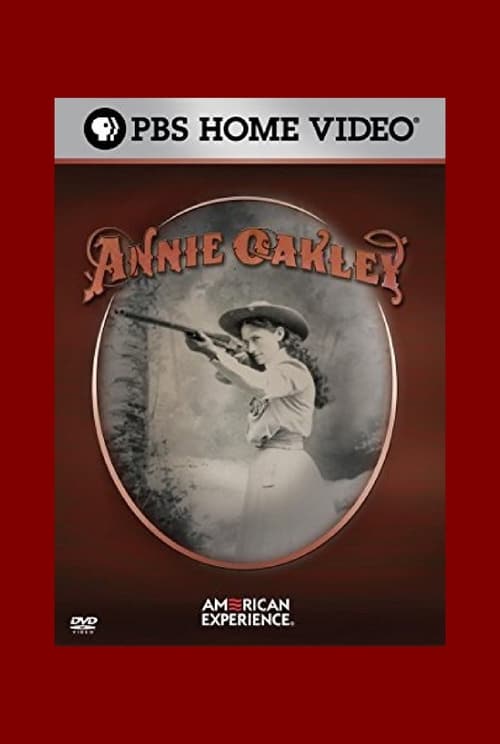
This one hour documentary examines the life of the famed Sharp Shooter and Wild West performer, Annie Oakley from her birth in mid nineteenth century rural Pennsylvania to her death in 1926. Many myths are overturned and the program also features a little known trial when Annie Oakley had to sue The Hearst Newspaper chain all throughout the country for libel when they reported the activities of someone who was impersonating the famed sharpshooter and besmirching her reputation.
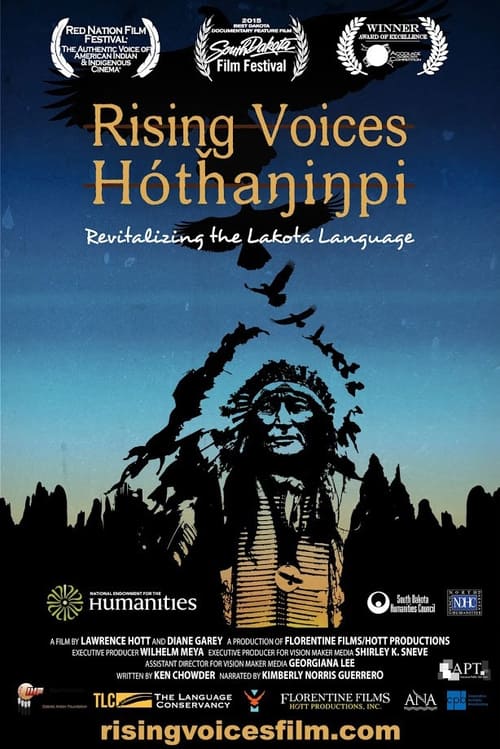
Rising Voices is the story about the imminent peril to the Lakota language. It braids together the struggles of Lakota to learn their tribal language today, the historical attempt by the United State to annihilate the language, the rise of immersion language schools, and the participation of outsiders in the rescue of the Lakota language. History is interwoven with present-day short films about the culture, created by Lakota filmmakers and artists.
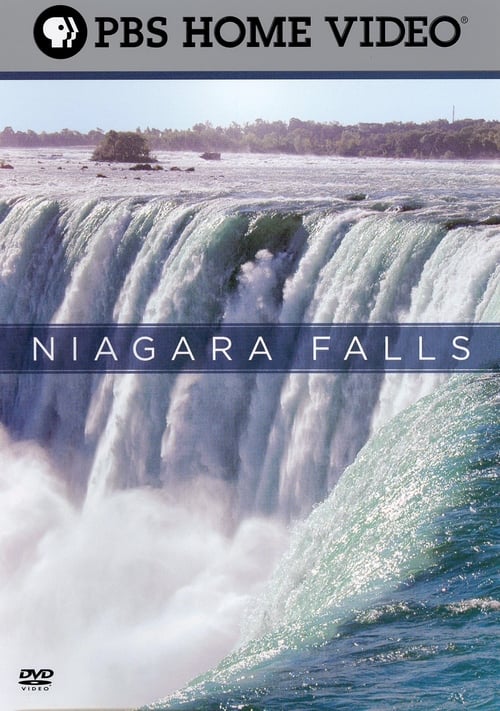
NIAGARA FALLS is more than the celebration of a natural wonder: it's a study of human achievement and human folly on an epic scale. It is a tale of exploitation and preservation and the changing nature of love in America - of the way Man has related to Nature over centuries. With spectacular high definition videography, the camera takes us to the edge of the falls via helicopter and boat; we see newsreel footage, actual weddings and much more
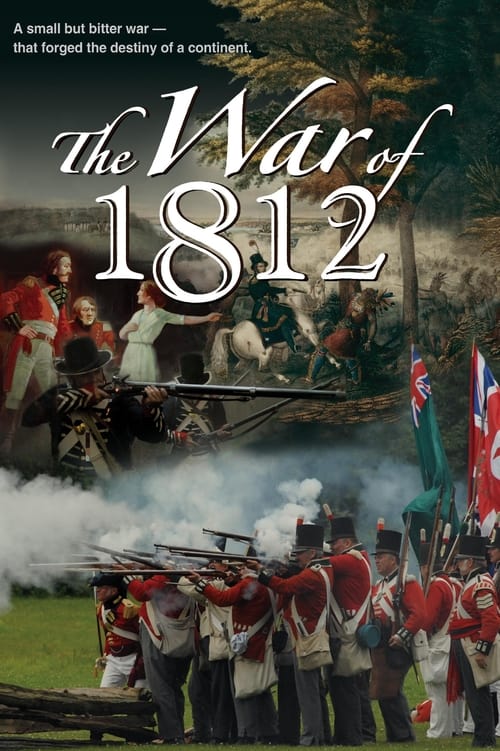
The War 1812 is a two-hour film history of a deeply significant event in North American and world history. The war shaped American, Canadian and British destiny in the most literal way possible: had one or two battles or decisions gone a different way, a map of the United States today would look entirely (and shockingly) different. The fires of this war forged the nation of Canada; at the same time, the result tolled the end of Native American dreams of a separate nation. By war's end, the process of Native nation removal had already begun in the southeast, paving the way for a Cotton Kingdom powered by slavery, and a United States that had been on the verge of collapse was ready to announce its arrival as a global power. The U.S. did not win the War of 1812, but the noble experiment of democracy had managed to survive intense pressure from without, and within.
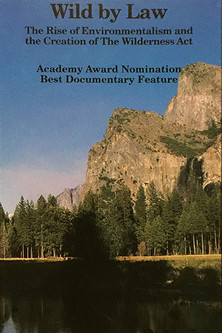
Tells about the Wilderness Act of 1964 and the three men responsible for its passage: forester/philosopher Aldo Leopold, author of the bestselling Sand County almanac and the first to bring the word 'ecology' into standard usage; Bob Marshall, millionaire socialist and founder of the Wilderness Society; and Howard Zahniser, a bureaucrat with a love of the wild places he seldom saw. Singly and together, these three fought from the 1920s through the 1950s to preserve the natural world. Provides an overview of the roots of the environmental movement, offering a deeper understanding of one of the most important issues facing contemporary civilization.
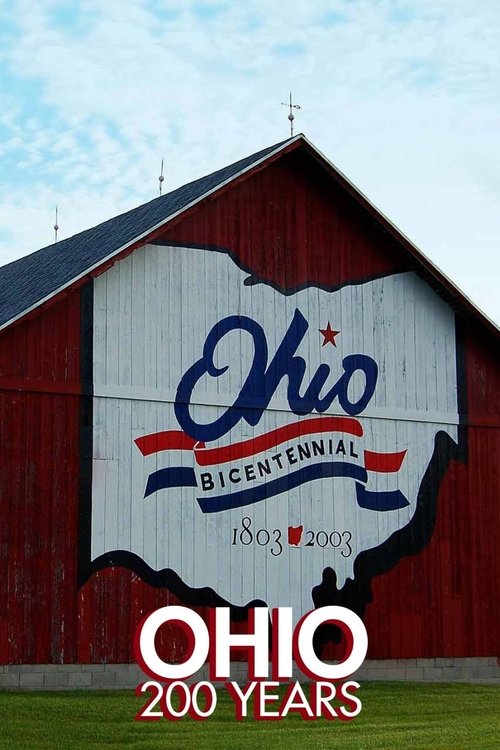
Ohio represents us all. In its dramatic history and astonishing diversity, Ohio closely replicates the vast, complicated, and turbulent place called America. The film offers a snapshot of the state's colorful history along with insights into the Ohio of today: a mix of odd, funny moments and life-changing events.
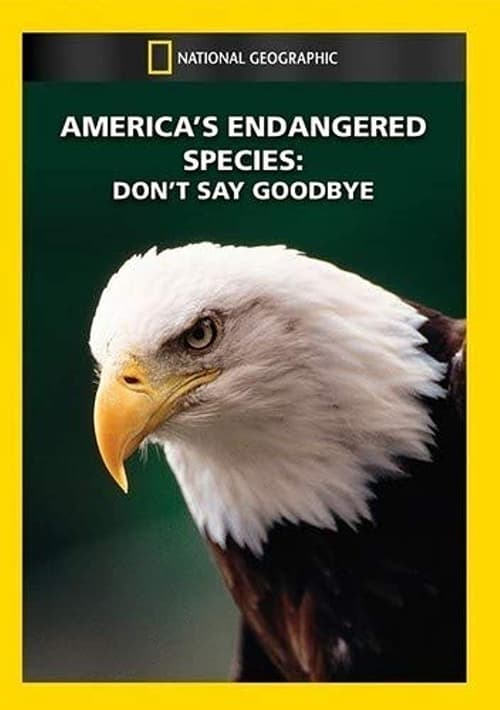
This is a documentary about two photographers work to document and raise awareness about endangered animal and plant species in USA.
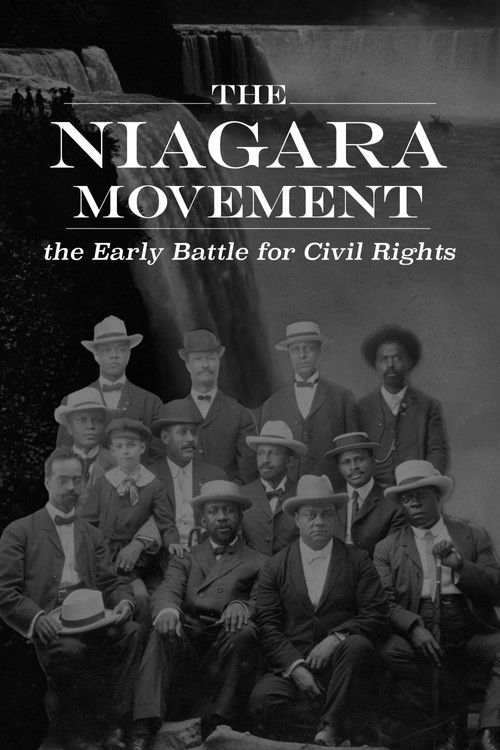
An examination of the heated debate and conflict between W.E.B DuBois and William Monroe Trotter with Booker T. Washington on how to best uplift the race and secure equality for their community, which led to the Niagara Movement, a short-lived movement that laid the cornerstone of the civil rights movement.
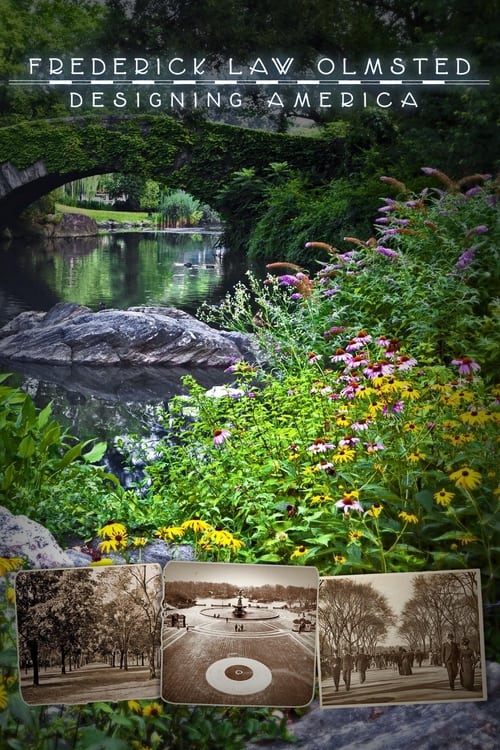
To Olmsted, a park was both a work of art and a necessity for urban life. Olmsted’s efforts to preserve nature created an “environmental ethic” decades before the environmental movement became a force in American politics. With gorgeous cinematography, and compelling commentary this film presents the biography of a man whose parks and preservation are an essential part of American life.
A look at deaf culture from the 19th century to the present.
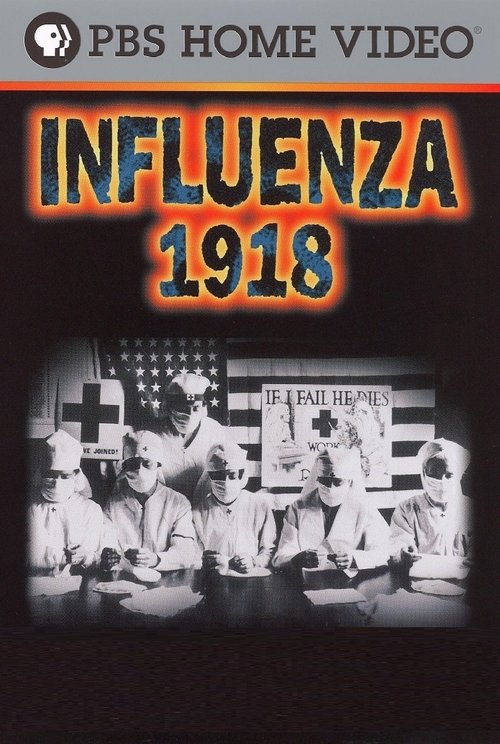
Influenza 1918 is the story of the worst epidemic the United States has ever known. Before it was over, the flu would kill more than 600,000 Americans - more than all the combat deaths of this century combined.
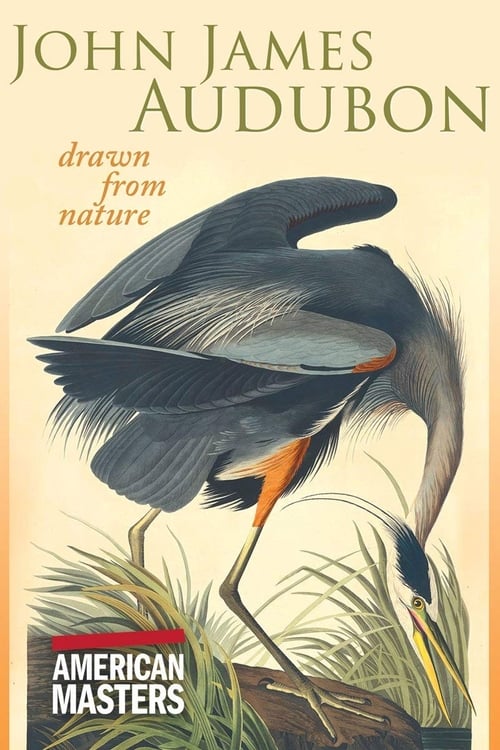
This beautifully photographed documentary profiles the surprising life of John James Audubon, one of the foremost naturalists, artists and explorers of the 19th century. Audubon's stunningly vivid wildlife portraits are examined in detail. A self-taught artist, Audubon was also a showman who reveled in dramatizing his Wild West adventures when he toured European drawing rooms. Audubon's fierce promotion of conservation is also discussed.
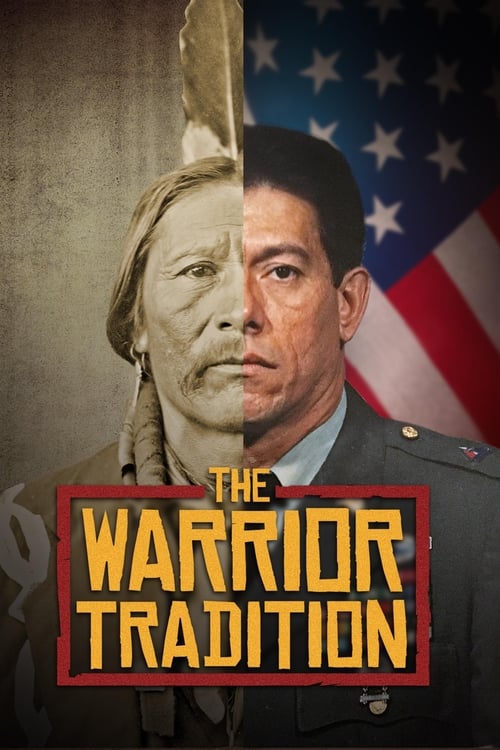
The astonishing, heartbreaking, inspiring, and largely-untold story of Native Americans in the United States military. Why do they do it? Why would Indian men and women put their lives on the line for the very government that took their homelands?
No description available.