Directing
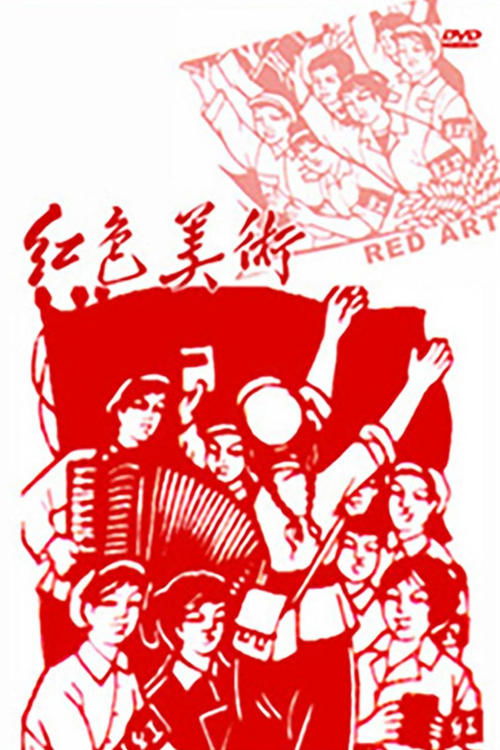
The launch and development of the Great Proletarian Cultural Revolution not only has a series of CCP Central Committee documents that have promoted wave after wave of movements, but also has various propaganda methods. A large number of different types of literary and artistic products have been produced in a collective form and with the input of the State. As a weapon of revolutionary struggle, works of art are important representatives of this period. Art was a tool for the Cultural Revolution; it fully embodies its aesthetic characteristics, actively cooperating with the development of various movements and the popularization of ideas. It has cultivated the values and visual experience of a generation of Chinese people — the paintings of the Cultural Revolution have been regarded as treasures by Chinese collectors. This film shows the characteristics of the Cultural Revolution paintings through a large number of paintings, as well as the bloody violence and despotism behind them.
Shot over an eight-year period (2007-2015), this documentary film aims to present women’s struggle in the private and public spheres, both in China and Hong Kong. It offers a view into the lives of female factory workers, artists, rights activists, and intellectuals – whom deal with political violence, sexual harassment, online bullying, long-term separation from family, arbitrary treatment by transnational factory management, and/or poverty in their home villages.
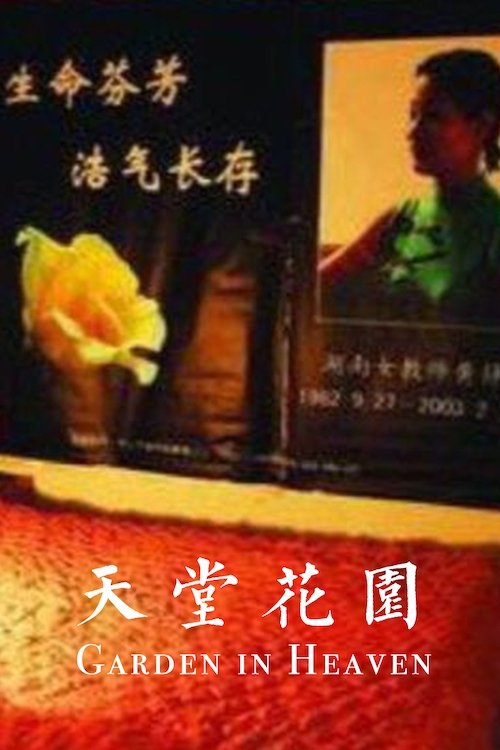
By following the case of Huang Jing, a woman teacher who died of date rape, this documentary captures changes in China between 2003 and 2005, before and after the injunction to respect and protect human rights was incorporated into the constitution. By highlighting grassroots activity by women, the film illustrates awareness of human rights, women’s struggle against judicial corruption, and women taking action against domestic violence in China.
It is an interview with Liu Xia
Tayuan is the location of the first museum of the Cultural Revolution in China. However, this important Cultural Revolution museum was established with private funds. The reason for its construction here is that there is a tomb of the victims of the Cultural Revolution. This film documents the little-known massacre and the construction of the Cultural Revolution Museum in Shantou, Guangdong during the Cultural Revolution. However, a few years later, this museum was banned by the government.
No description available.
In the spring of 2004, a female graduate student was killed at Sun Yat-sen University in Guangzhou, but it was confirmed on the school's website that girls should not refuse male love. This film documents how Chinese professor Ai Xiaoming led the fight back against such patriarchal thinking.
Hu Jie and Ai Xiaoming co-directed short film.
In the late 1980s and early 1990s, in an attempt to stop the spread of AIDS, the Chinese government sought a “purer” blood supply from its rural population. Burdened by agricultural taxes and rising costs of education and health care, many peasants sold blood to state and private blood-collectors. Due to lack of sanitary control, a large number of blood-sellers were infected with HIV. Starting from the mid-1990s, AIDS villages multiplied.
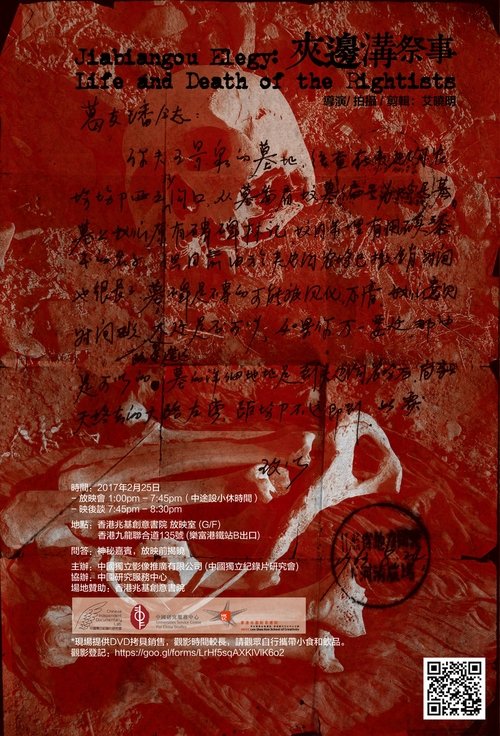
Jiabiangou Elegy recounts the persecution of inmates at the Jiabiangou labor camp in Jiuquan, Gansu province, and examines the way the victims’ final affairs were handled. During the Anti-Rightist Campaign of 1957–59, over three thousand people were sent to Jiabiangou for re-education through labor. These people were labeled rightists, counterrevolutionaries, and anti-party dissidents. Over a three-year period, more than two thousand died from abuse and hunger; only a few hundred were rescued in the end. The film includes interviews with the few remaining Jiabiangou survivors and their children, and presents the conflict between the preservation and destruction of memory.
Recounts the struggle of the villagers of Taishi against local authorities in 2005.
Hu County, in suburban Xi’an, is famous for its peasant paintings, produced in 1958 during the Great Leap Forward. It became particularly famous during the Cultural Revolution, when these works were hailed as model paintings. In 2005, the directors visited the county and interviewed both the painters and their teachers. Comparing different political languages and artistic imaginings across the ages, the film draws on diverse sources: old documentary film clips, new propaganda paintings, Beijing Opera in the local “Qin” accent, and traces of the old amongst the new. All these elements are engaged to help us better understand the painters and the phenomenon of propaganda paintings
the disappointments and hopes of Wukan villagers at the height of their dramatic protests against the government’s seizure of their farmland. Ai and a group of volunteers secretly entered the village on December 19, 2011, the day Shanwei City Party Secretary Zheng Yanxiong’s speech on the protests was delivered to the village. In the next two days, the provincial party officials entered the village and the provincial vice party secretary met with the villagers’ representative, recognizing his and other representatives’ legitimacy. Ai’s documentary, with interviews of villagers, therefore records Wukan’s protests as it turned a new page.
In late August 2008, following the 100th day of the Sichuan Earthquake, rescue teams began to withdraw and the media ceased to report on the disasters at the schools. Chengdu environmentalist Tan Zuoren and local volunteers were still rushing from one collapsed school to the next, trying to find out why they had collapsed. Autumn went and winter came, Tan Zuoren and Xie Yihui had visited ten counties and cities and over eighty towns and townships in the main disaster region, covering a distance of about 3,000km. They managed to release an investigate report on the internet before the 1st anniversary of the May 12 Earthquake. This is the first investigative report conducted by independent citizens on the collapsed schools.
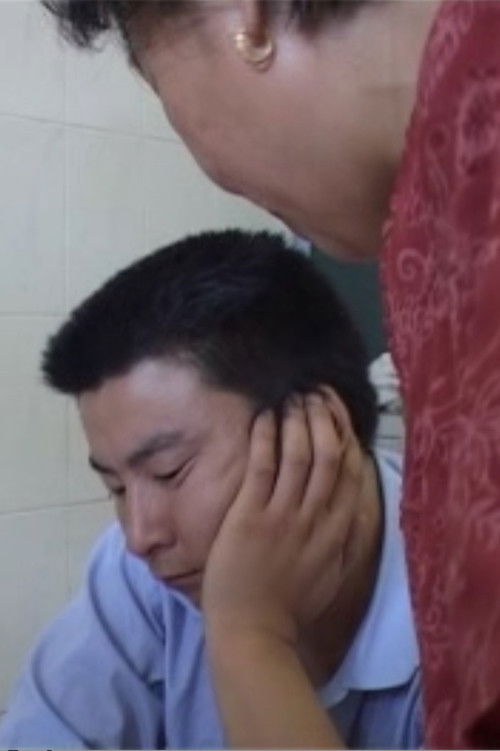
Liu Xianhong, a Hebei peasant, contracted HIV from a routine hospital blood transfusion. This documentary is the story of her arduous but successful litigation against the hospital responsible. The film documents the fates of several families infected with HIV in the same manner, and reveals rural China's awakening social consciousness against the backdrop of the camaraderie, support, and love that the victims find in each other.