Acting
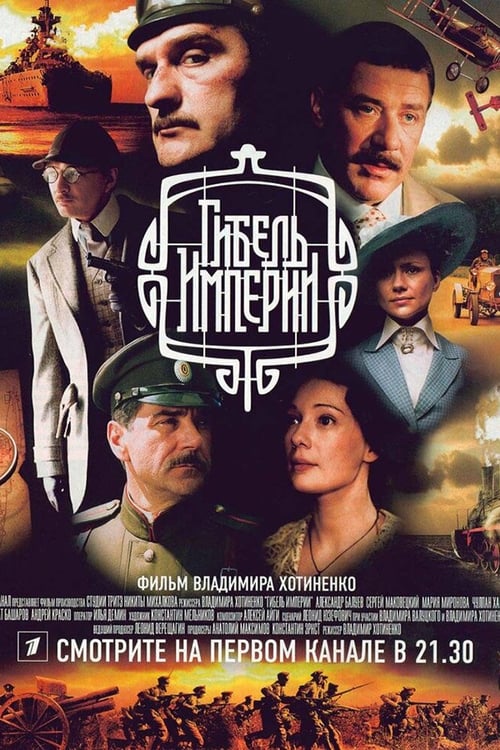
Russian Empire. The second decade of the twentieth century. As a result of the conflict between the Entente and the bloc of the Central Powers led by Germany, which erupted in August 1914, Russia is drawn into the First World War. A wave of unrest is rolling through the country. Revolutionary moods are increasing every day. Counterintelligence is trying with all its might to suppress the activity of German spies active in the territory of the country ...
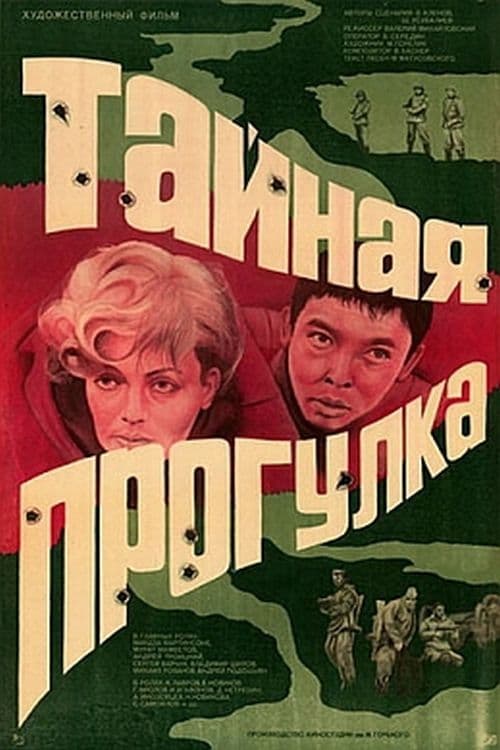
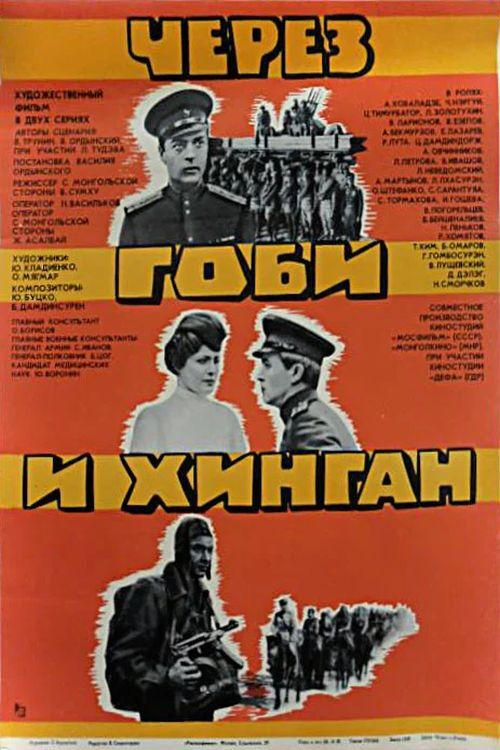
About the events of the final stage of the Second World War — the defeat by Soviet and Mongolian troops of the selected Kwantung army. Bacteriological weapons were created in the laboratory of Japanese General Ishii Shiro. Experiments were conducted on prisoners of war and political prisoners. Epidemiologist Dmitry Sokolov was assigned to solve the mystery of this laboratory. At the cost of his own life, he completed the task. The march of Soviet and Mongolian formations through the Gobi sands and the Khingan spurs was not only a brilliant military operation, but also a warning of the use of bacteriological weapons by Japan.
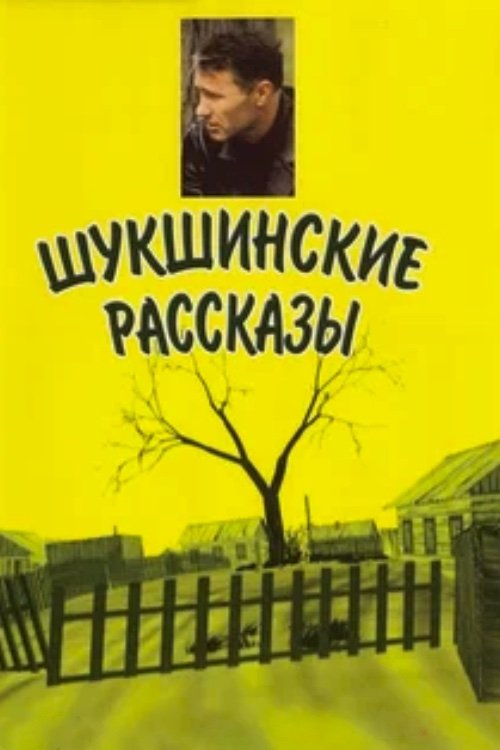
Each of the short stories is based on either one or several stories by a wonderful Russian writer. The heroes are ordinary people “of the people”, contemporaries of Shukshin, all of whose life’s ups and downs are inextricably linked with their country - the Soviet Union of the 60s-70s. The main thing that unites both the works themselves and the films made is a whole gallery of the brightest images and characters, a story about such different destinies and differently meaningful lives, a story in the center of which is invariably Man, with his love, quests, weaknesses and victories.
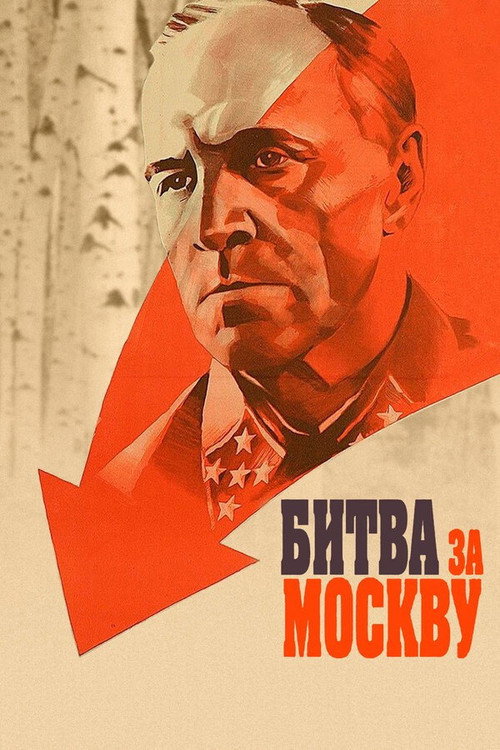
The Battle of Moscow is a 1985 Soviet multi-part war narrative, presenting a dramatized account of the 1941 Battle of Moscow and the events preceding it. The battle was the first major defeat of German Wehrmacht in the Second World War.
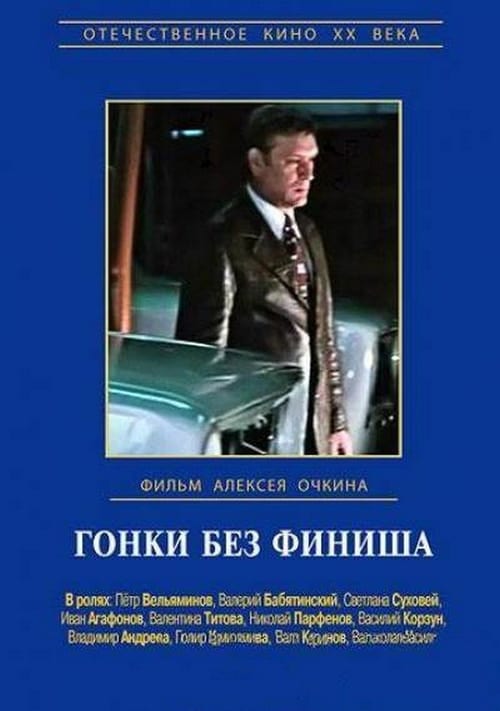
A locker room janitor at the train station notices that a suitcase was put in a locker by a man, but pulled out by another man. This suitcase appeared to be stuffed with money. This incident allows a police detective to uncover a huge criminal organization responsible for theft, smuggling and murder.
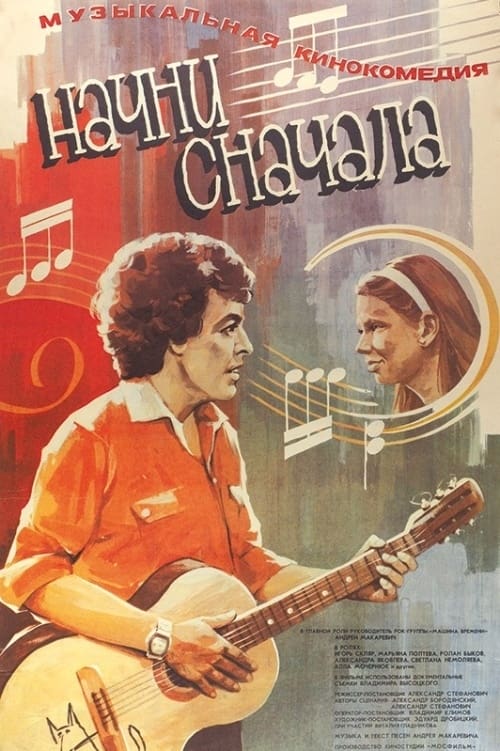
Bard Nikolai Kovalyov is recognized and loved by young people, but music officials remain deaf to the poet's creativity. A new phase in his life begins with an unexpected meeting.
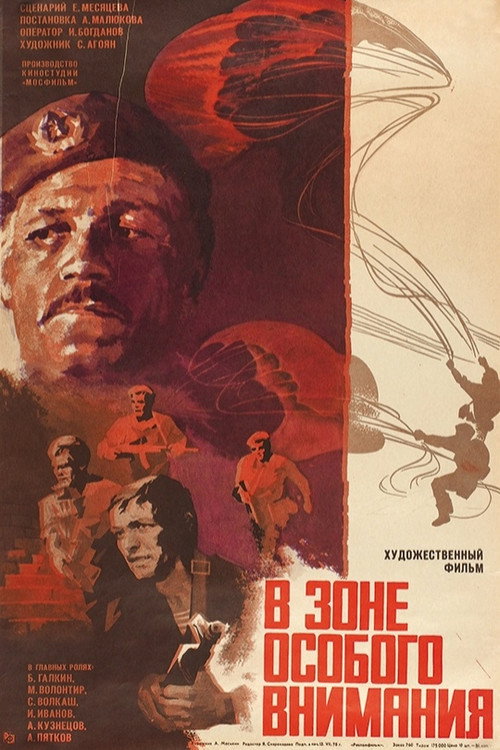
Action film about the Soviet paratroopers.
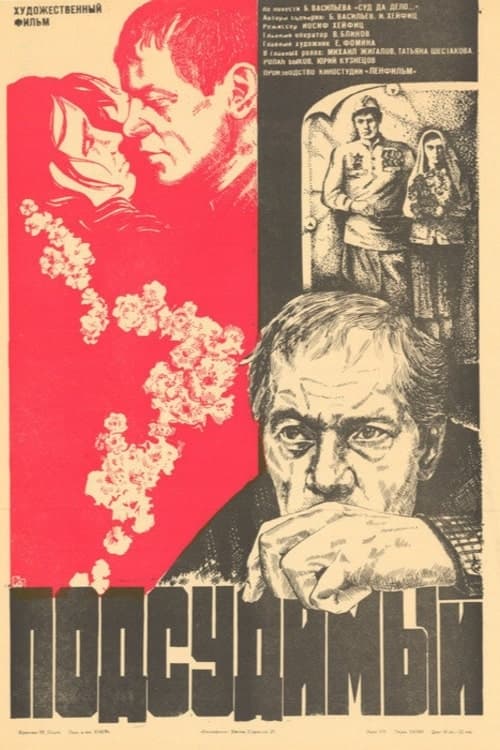
Former soldier returns to his village only to discover that his girlfriend married another man.
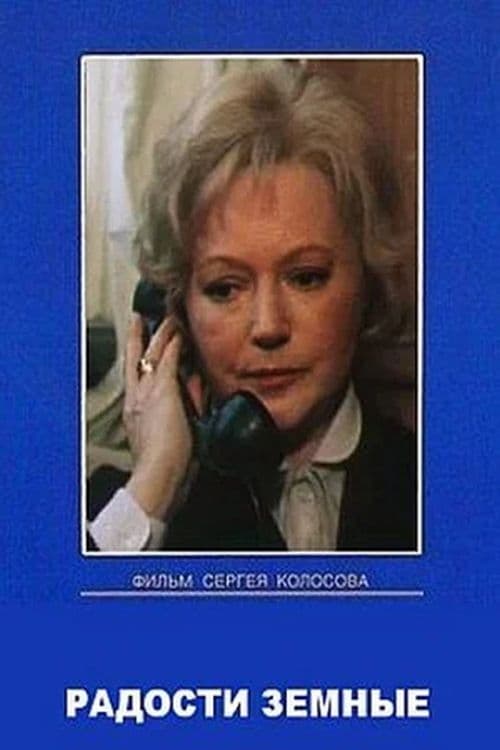
Katya's life is darkened by a tragic secret: her mother died when her daughter was very young. Suddenly, the girl learns the shocking truth: her mother is alive. The meeting between mother and daughter becomes an emotional challenge for both. On the one hand, intense feelings of joy and love. On the other hand, there is burden and resentment that has accumulated over many years of separation.
No description available.
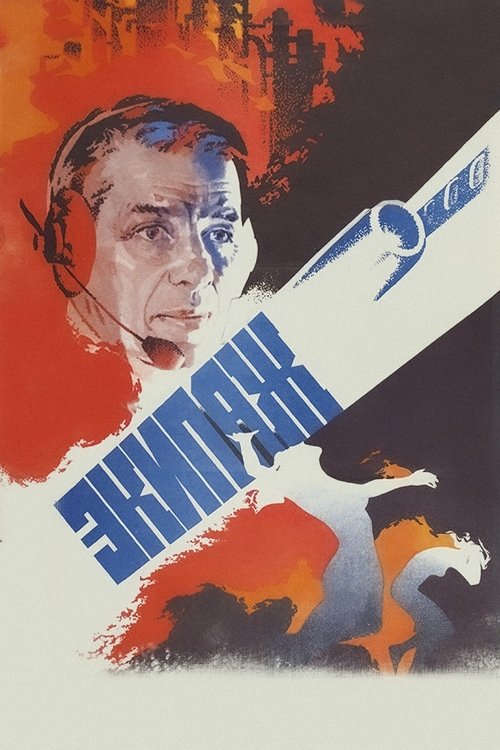
Story of the lives of three Soviet pilots who are united by disaster in a small town in the mountains.
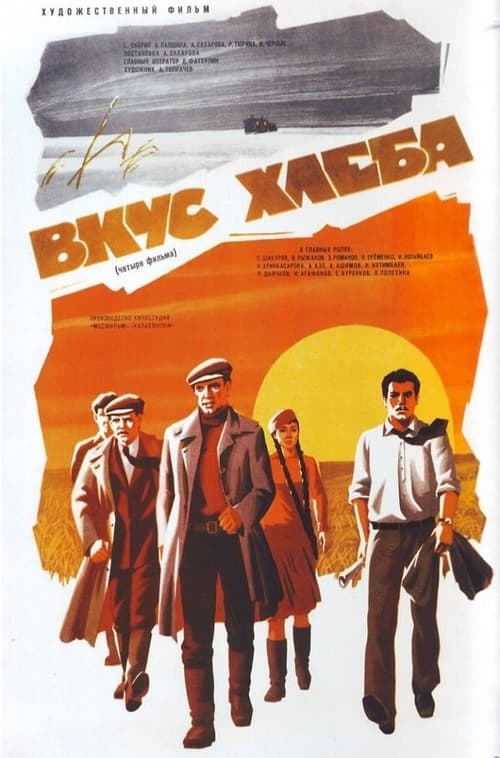
1918. A Red Army soldier Fyodor Krohov, authorized to withdraw farmers corn surpluses, comes to a small village, where White Guard can show up any day. He must persuade peasants to hand over the surpluses. But men are hesitating, some lend an ear to a wealthy peasant Mokey Zhlobin, unwilling to give away his hided corn. The only one person, backing up Fyodor is a local self-made inventor, living in the outskirts with his beloved beauty-wife, having equipped his house with electricity, power-saw bench and other gimmicks. The inventor takes him as a close friend and his young wife falls in love with Fyodor. The love triangle appears, but their ideals are above all. Together they manage to find the hidden corn and survive in uneven battle with bandits who rushed into a village.
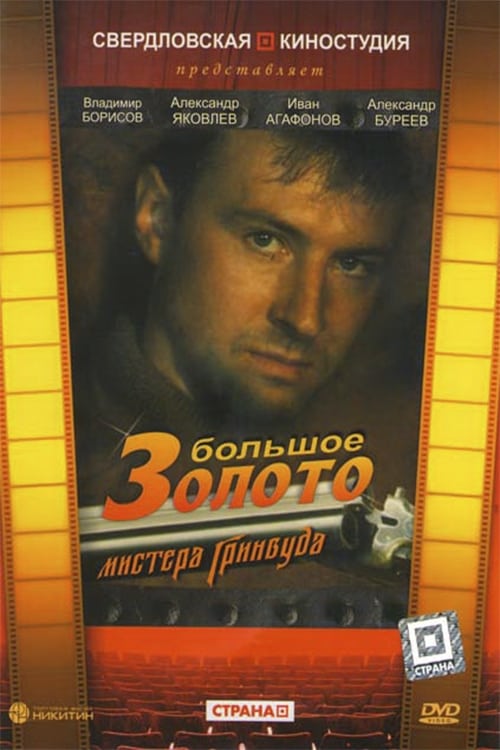
Three seekers set off in search of a treasure that was hidden in the taiga by a hunter from Alaska, Mr. Greenwood. And in the footsteps of a friendly trinity are bandits ...
One day two foreign military men arrived to serve the Russian Tsar Peter. They were dressed in luxurious kaftans. Peter appreciated the beauty of their uniforms, but noted that it would not be easy for them to endure different weather conditions in them. This angered the guests. Thus began a dispute between the admiral, the general and a simple Russian soldier. The one who can withstand both cold and heat in his attire is destined to win.
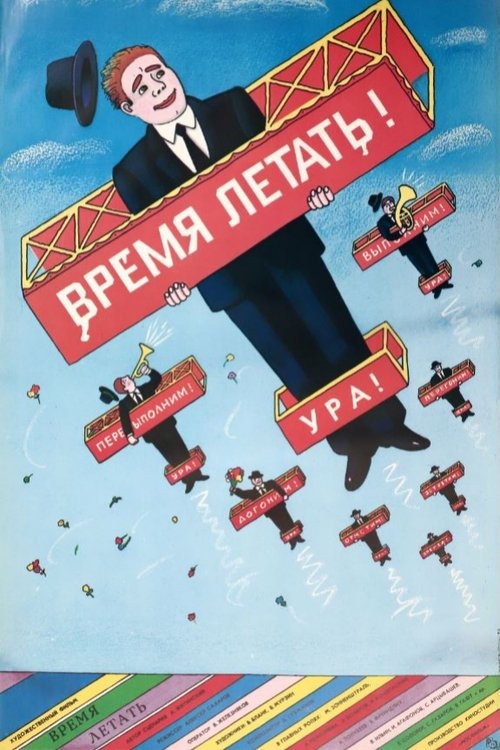
Nothing like this has ever happened and could not happen in any of the airports. However, according to the authors of the film-parable, this tragicomic story is directly related to reality. It turns out that in order to properly fly airplanes, sometimes it is enough to fly to one chief. Of course with his seats. However, it does not prevent that the passengers themselves are very eager to go on a flight…
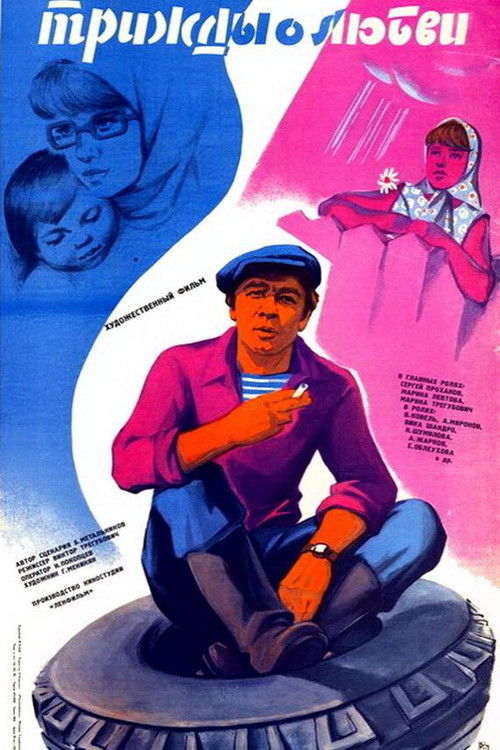
Valera Sapogin returns home after serving in the army. A young man experiences many life lessons before he finds his place in life.
"Makarov" both a popular Russian name, and also slang for the word "gun," serves as a metaphor for the brutal reality of life in a post-totalitarian society. The story's protagonist, Makarov, embodies this struggle as he becomes more mechanical and less spiritual upon acquiring a gun.
Near the suburban highway stands a water tower, and behind its fence live a mechanic, his wife, and their adopted son, who is disabled. One day, a family from the capital becomes guests in their modest home—their car broke down on the road. This sudden clash between "city and country" will be a serious test for the young hero of the film. And not only for him.
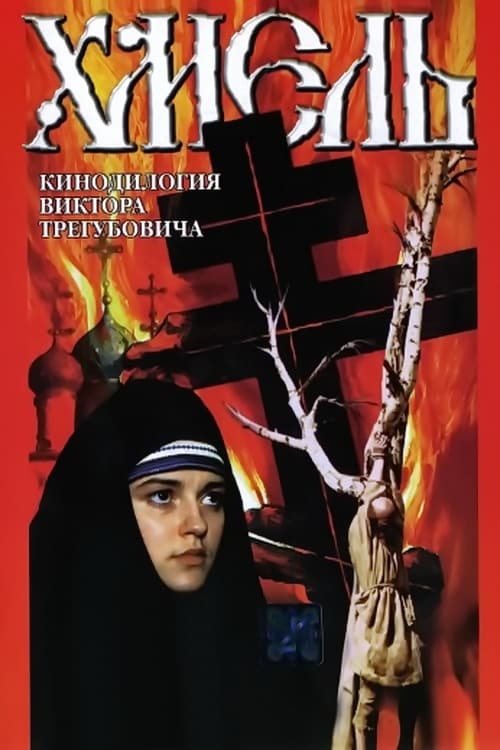
The film tells the story of the life of an Old Believer community at the beginning of the last century. The drama of an unusual life, a story of love and human passions.
The film is based on real events and tells about a major accident that occurred during the construction of another Leningrad metro station in the spring of 1974.