FEEL IT.STREAM
Francis Lai

Francis Lai

Sound

Biography

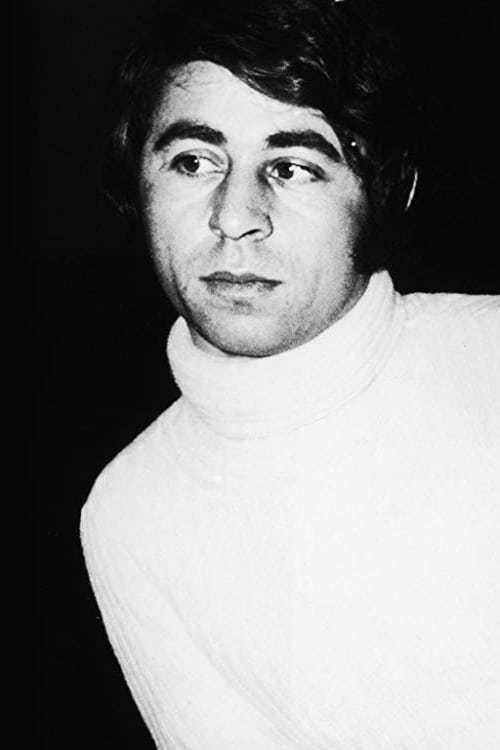
Francis Albert Lai (26 April 1932 – 7 November 2018) was a French composer, noted for his film scores. He won the 1970 Oscar for Best Music, Original Score and the Golden Globe Award for Best Original Score for the film Love Story. The soundtrack album went to No. 2 in the Billboard album charts and the film's theme, "Where Do I Begin", was a hit single for Andy Williams. Lai was born on 26 April 1932, in Nice, France, the son of market gardeners of Italian origin. From a very early age, Lai was fascinated by music and he played first in his local regional orchestras. In Marseilles he discovered jazz and met Claude Goaty, a singer of popular songs in the 50s. While in his twenties, Lai left home and followed Goaty to Paris, where he became part of the lively Montmartre music scene. The "Taverne d'Attilio" on the Place du Tertre in Montmartre, was a favorite place for the young talented Bernard Dimey with whom Lai composed his first song. Their song-writing partnership would extend to a hundred or so. After a short period with the orchestra of Michel Magne, Lai became an accompanist for Édith Piaf and composed for her. In 1965, he met filmmaker Claude Lelouch and was hired to help write the score for the film A Man and a Woman. Released in 1966, the film was an international success, earning a number of Academy Awards. The young Lai received a Golden Globe Award nomination for "Best Original Score". This initial success brought more opportunities to work for the film industry both in his native France, where he continued to work with Lelouch on scores to films such as Vivre pour vivre (1967), Un homme qui me plaît (1969), Le voyou (1970) and La bonne année (1973), as well as in Great Britain and the United States. He was known for his support of Mireille Mathieu in many compositions and recordings. In 1970 he wrote the score for director René Clément's film, Rider on the Rain ("Le passager de la pluie"). It sold over one million copies and was awarded a gold disc in September 1971. In 1970, Lai won the Academy Award for Best Music, Original Score and the Golden Globe Award for Best Original Score for the film Love Story. In the United States, the soundtrack album reached No. 2 in the Billboard album charts and the film's theme, "Where Do I Begin", was a hit single with lyrics by Carl Sigman for singer Andy Williams. The song would also be recorded successfully by Lai himself, with a full orchestra, and by Henry Mancini and Shirley Bassey. Lai's "Love Story" theme was heard in the 1978 Love Story sequel titled Oliver's Story, although the main score was composed by Lee Holdridge. ... Source: Article "Francis Lai" from Wikipedia in English, licensed under CC-BY-SA 3.0.
Known For

Champs-Elysées
6.8

No description available.

Champs-Elysées

1982
Les Rendez-vous du dimanche
6.0

A talk show presented by Michel Drucker

Les Rendez-vous du dimanche

1975
Das Traumschiff
5.0

The series is about a cruise ship that travels to places around the world.

Das Traumschiff

1981
Le Grand Échiquier
8.0

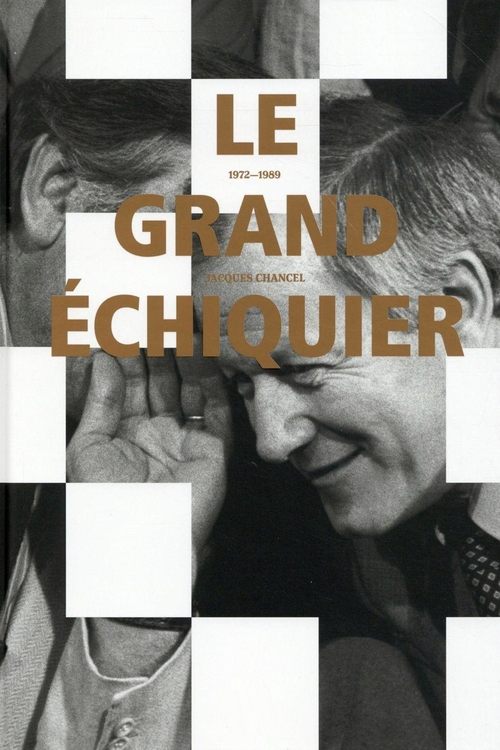
Le Grand Échiquier is a French variety television program created and presented by Jacques Chancel. It aired at 8:30 pm on the first channel of the ORTF from January 12, 1972 to July 12, 1972, then on the second color channel of the ORTF from September 1972 to December 1974, and finally on Antenne 2 from January 1975 to December 21, 1989. The program returned to France 2 on December 20, 2018 and is hosted by Anne-Sophie Lapix.

Le Grand Échiquier

1972
Victoires de la musique
3.3

No description available.

Victoires de la musique

1985
Love Story
6.8

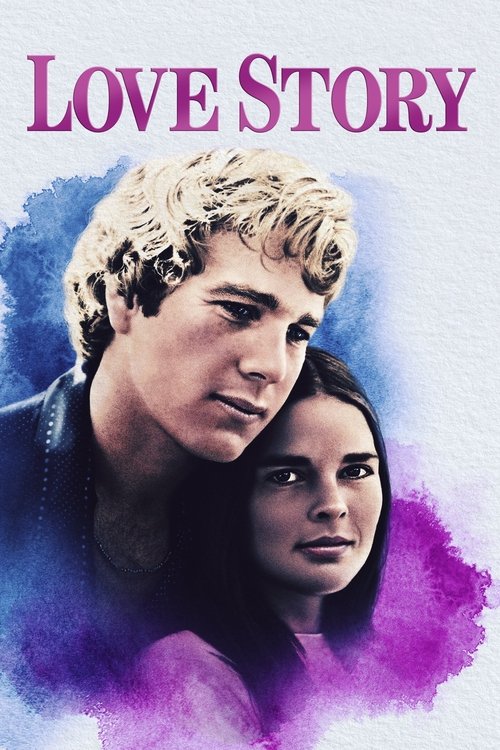
Harvard Law student Oliver Barrett IV and music student Jennifer Cavilleri share a chemistry they cannot deny - and a love they cannot ignore. Despite their opposite backgrounds, the young couple put their hearts on the line for each other. When they marry, Oliver's wealthy father threatens to disown him. Jenny tries to reconcile the Barrett men, but to no avail.

Love Story

1970
A Man and a Woman
7.4

A man and a woman meet by accident on a Sunday evening at their childrens' boarding school. Slowly, they reveal themselves to each other, finding that they have something deeply in common.

A Man and a Woman

1966
Dead Gods
9.0

In 1889, a conflict arose between the decadent and ruined rural aristocracy following the liberation of slaves and a new class of wealthy individuals, comprised of entrepreneurs emerging from the republican industrial class, interested in free labor. In the city of Ouro Negro, in the interior of São Paulo state, the conservative, aristocratic, and monarchist Almeida Santos family, which traditionally dominated the region, began to lose ground to the Lobo Ferraz family, representing the nascent progressive and republican bourgeoisie.

Dead Gods

1971
Bilitis
5.3

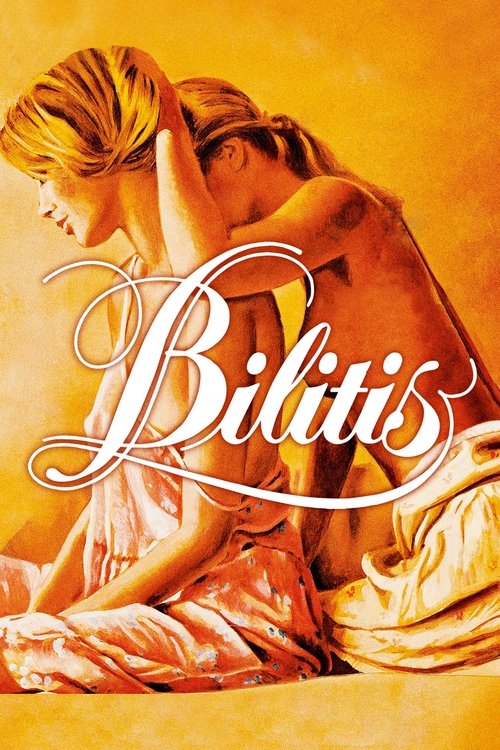
A coming of age story centering on the exploits of a young girl during summer vacation.

Bilitis

1977
Emmanuelle: The Joys of a Woman
5.6

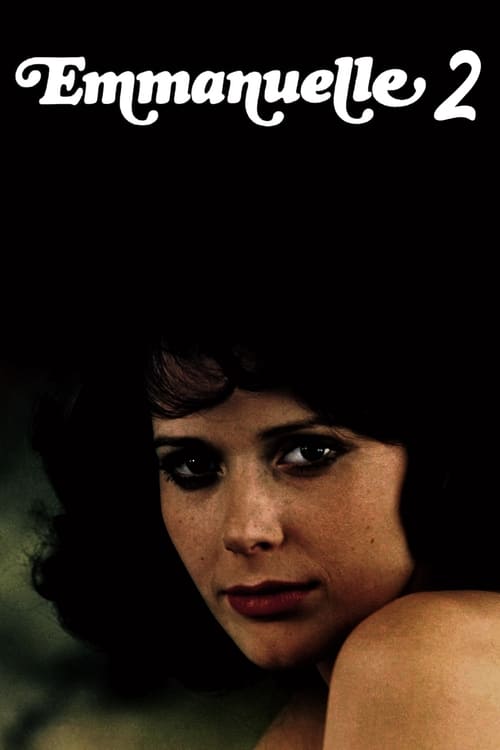
Emmanuelle returns to her husband in Hong Kong and proceeds to have several extramarital affairs -- with his knowledge, of course. Her husband's lover and American guest are both very puzzled by their openness.

Emmanuelle: The Joys of a Woman

1975
Spy Trap
7.0

Spy Trap is a British television drama programme created by Robert Barr for BBC One. A team of spies at espionage agency 'The Department' are responsible for protecting national security. Reporting to the Department of Defense, no-nonsense Commander Paul Ryan uses intel discovered by his agents, to question suspects.

Spy Trap

1972
Mayerling
6.2

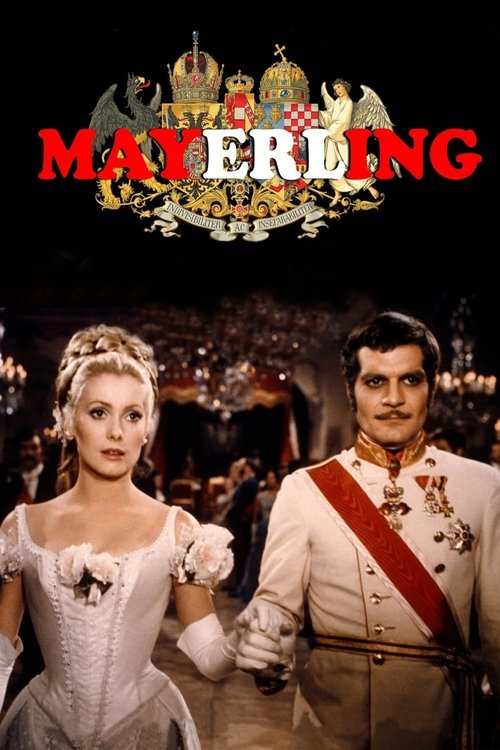
Crown Prince Rudolf of Austria clashes with his father, Emperor Franz Joseph I of Austria, over implementing progressive policies for their country. Rudolf soon feels he is a man born at the wrong time in a country that doesn't realize the need for social reform. The Prince of Wales, later to become Britain's King Edward VII, provides comic relief. Rudolf finds refuge from a loveless marriage with Princess Stéphanie by taking a mistress, Baroness Maria Vetsera. Their untimely demise at Mayerling, the imperial family's hunting lodge, is cloaked in mystery.

Mayerling

1968
Bandits
5.9

On the day Jean Gabin dies, a kidnaper who also takes a fortune in jewels heisted from Cartiers murders Simon Verini's wife. (Simon was fencing the jewels for a youthful gang who robbed Cartiers; he suspects them of the murder.) He's framed for the theft and spends ten years in prison, writing to his daughter, Marie-Sophie, who's 11 when he's sent away. Released, he reconnects to Marie-Sophie and to the young thieves, seeks revenge, and is quickly arrested again. She doesn't know what to make of her father, retreats to her Swiss fiancé, and is flummoxed when one of the young thieves falls for her. Is resolution possible when crime cuts across families and romance?

Bandits

1987
The Legend of Frenchie King
5.6

Outlaw sisters in the old West inherit a ranch and try to settle down and develop relationships with neighboring family of lots of brothers.

The Legend of Frenchie King

1971
Rider on the Rain
6.4

A US Army colonel in France tries to track down an escaped sex maniac.

Rider on the Rain

1970
Un + une
5.8

A successful film composer falls in love when he travels to India to work on a Bollywood retelling of Romeo and Juliet.

Un + une

2015
Action Man
6.0

An American talks a retired French crook into robbing a bank, but kidnappers demand the loot as ransom.

Action Man

1967
Bolero
6.9

The film follows four families, with different nationalities (French, German, Russian and American) but with the same passion for music, from the 1930s to the 1960s. The various story lines cross each other time and again in different places and times, with their own theme scores that evolve as time passes. The main event in the film is the Second World War, which throws the stories of the four musical families together and mixes their fates. Although all characters are fictional, many of them are loosely based on historical musical icons (Édith Piaf, Josephine Baker, Herbert von Karajan, Glenn Miller, Rudolf Nureyev, etc.) The Boléro dance sequence at the end brings all the threads together.

Bolero

1981
Gayniggers from Outer Space
4.9

Extraterrestrial beings travel the galaxy to free men "oppressed" by females to make way for an entirely-homosexual society.

Gayniggers from Outer Space

1993
Dog Day
5.2

A criminal shows up at a farmhouse with the law on his heels and several million dollars in his possession.

Dog Day

1984