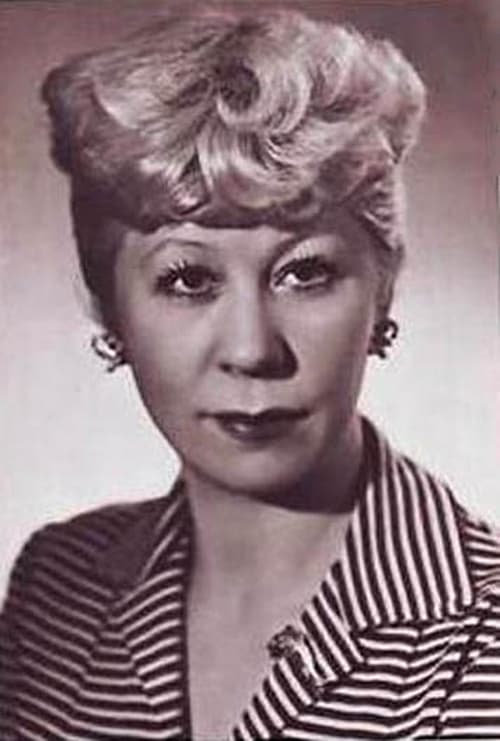
Nadezhda Samsonova
Acting
Known For

Fitil is a popular Soviet/Russian television satirical/comedy short film series which ran for about 500 episodes. Some of the episodes were aimed at children, and were called Фитилёк, Fitilyok, Little Fuse. Each issue contained from the few short segments: documentary, fictional and animated ones. Directed by various artists, including Leonid Gaidai who presented his famous trio of Nikulin, Vitsin and Morgunov into the cast. It was called in USSR as "the anecdotes from the Soviet government".
Fuse

The children's humorous film magazine "Yeralash" is a one-of-a-kind work of cinematography that ironically approaches the solution of everyday problems, focusing on the views and needs of modern society, allowing different generations to achieve mutual understanding.
Yeralash
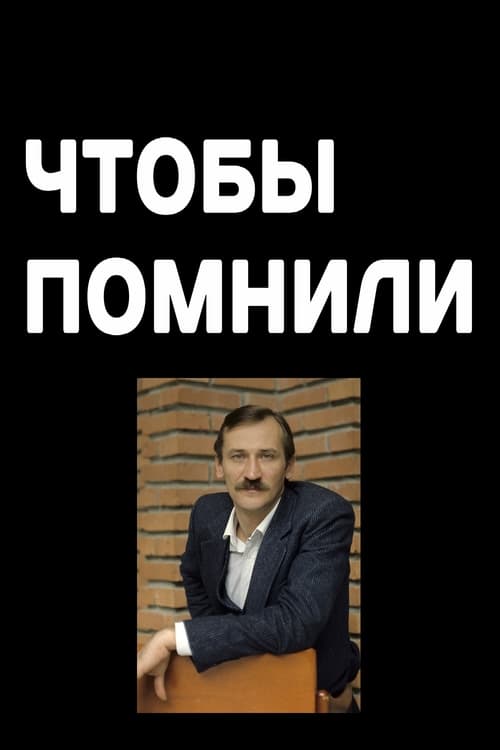
No description available.
To Remember
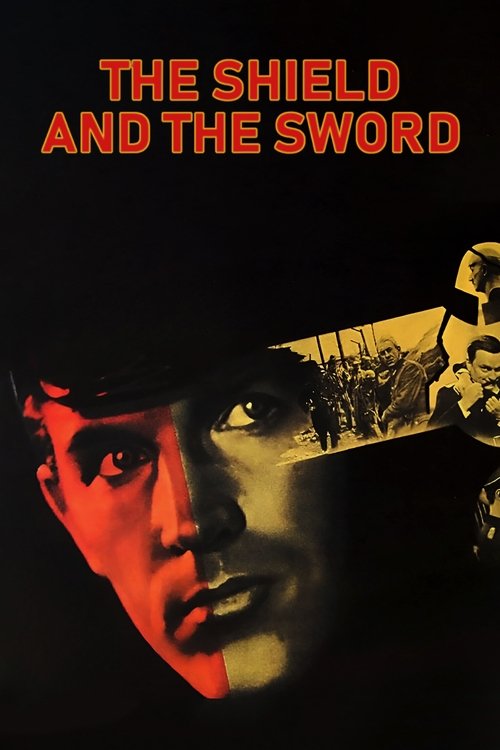
The year is 1940 and Nazi Germany is at the height of its military prowess, having captured most of Europe and eyeing the Soviet Union to the East. The Russian military command suspects hostile intent from Germany and so arranges for its spies to infiltrate ranks of the German military and the SS. Alexander Belov is a Russian spy, who travels from Soviet-held Latvia to Nazi Germany under an alias of Johann Weiss. His mastery of the German language, steel nerves and an ability to manipulate others help him to use his connections in the SS to ascend the ladder of the German intelligence. He uses his position to identify sympathetic Germans, who help him to procure vital intelligence, and to help local resistance movements in their collective fight against Nazism.
The Shield and the Sword
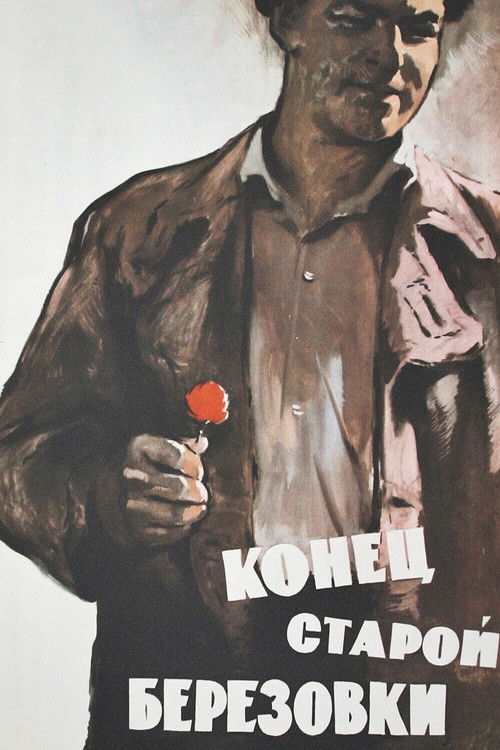
Once at Borka, a big prankster and fidget, an adult friend appeared — the builder Ivan Degtyarev. Former sailor directed Borkin's energy in the right direction and made him his assistant. Soon a disaster happened in the Borkin family. His sister Liza will soon become a mother, and the father of the unborn child did not want to marry her and avoided meeting. Ivan tried to unite the young, but his attempts were unsuccessful. Having fallen in love with Lisa, he proposed to her — and soon the young happy family moved to a new home.
The End of Old Beryozovka
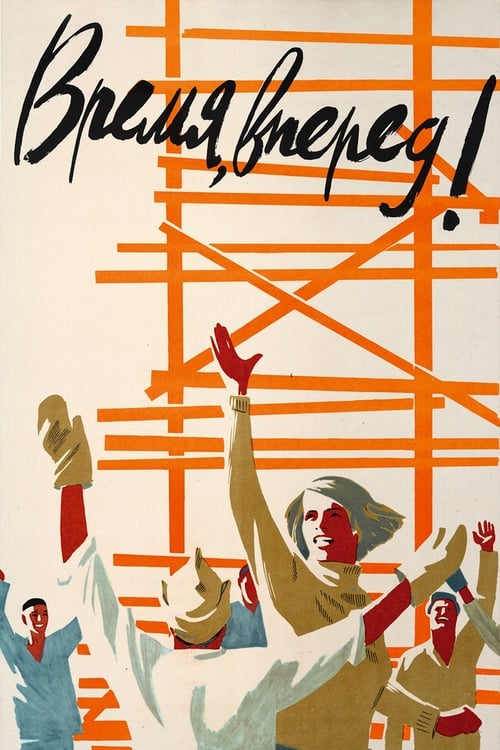
The film is set in the 1930s in the USSR. The film tells about one day of the construction of the Magnitogorsk Iron and Steel Works. The heroes of the film are simple construction workers who are burning at work. Upon learning that their colleagues in Kharkov have set a record, they mobilize to break it. The entire construction site was engulfed in immense socialist competition. The teams are ready to complete the work on time at any cost. A Moscow journalist who has come to cover the scale of the great construction project is looking for the hero of his report...
Time, Forward!
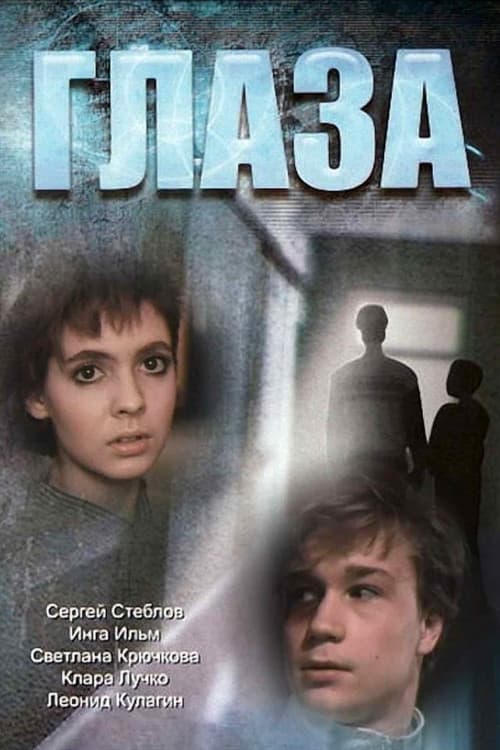
They can't see, but they really must... Because they love each other!
Eyes
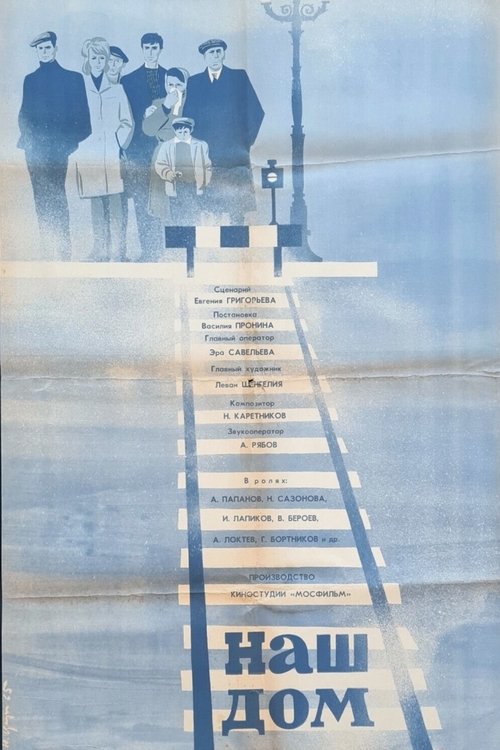
A story of a four sons of a big Ivanov family who are trying to start their own independent life.
Our House
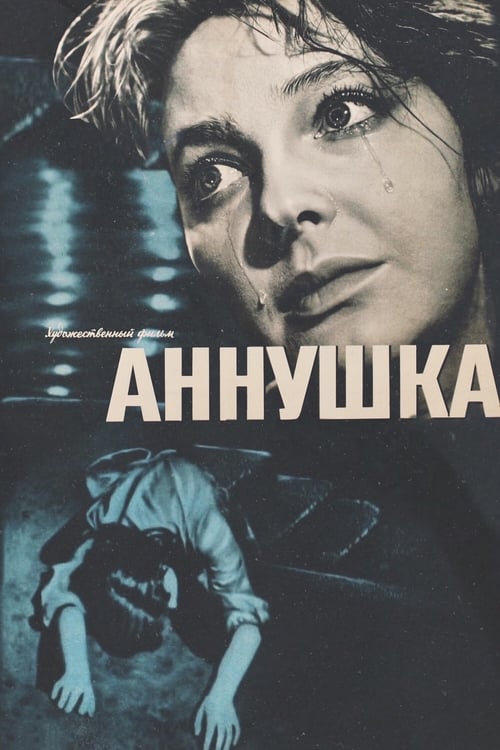
The main character, Anna Denisova, is a simple Russian woman, on whose shoulders all the hardships of wartime fell. Like all her compatriots, Annushka did everything in her power to bring Victory Day closer. In this war, she lost her husband, Pyotr, but managed to save the lives of her three children — Sasha, Nina and Granata. The trials of Annushka didn't end with the end of the war. In the first years of peace, all survivors had to survive the famine and spend their last strength on rebuilding the country.
Annushka
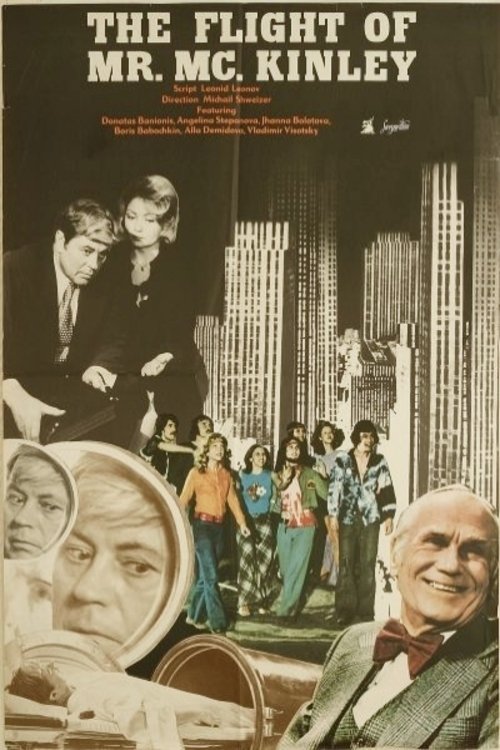
A man decides to escape into the future by the way of hibernation. When he wakes up, feeling lucky that the experiment worked out well, the staff of the hibernation company politely walks him to the outside were he finds a post atomic war desert… He wakes up! Thank God it was just a dream! Or was it?
The Flight of Mr. McKinley
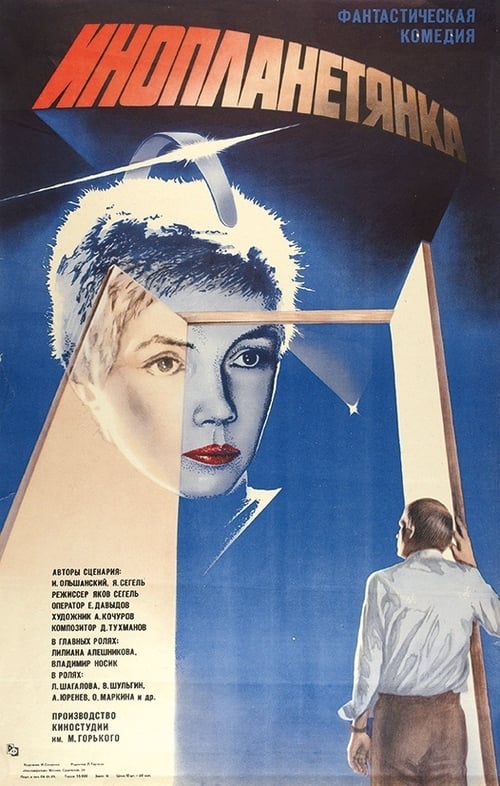
Extraterrestrial Girl visited Earth. Inventor Blinkov fe in love with her. His love has awakened in her new emotions and feelings but she realized that Blinkov can not live in a different world.
The Extraterrestrial Woman
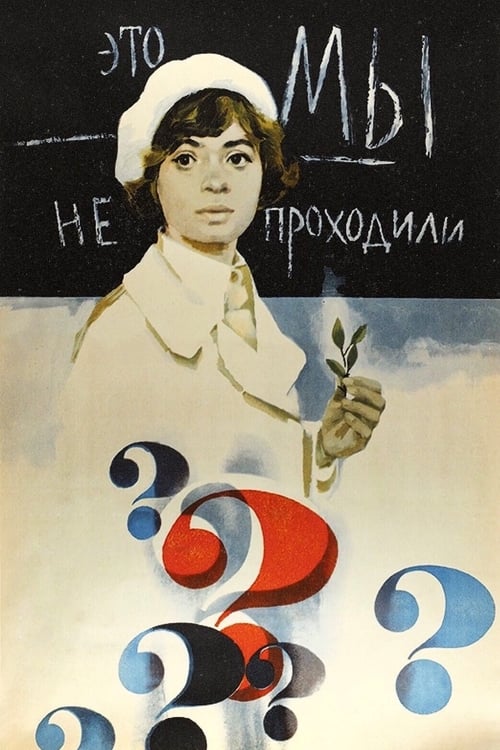
The heroes of the film are students of a pedagogical university, those who, after a year or two, have to carry knowledge to schoolchildren, "to sow the rational, good, eternal." In the meantime, student practice. True, the practice is not quite ordinary, because for the first time students leave far from the walls of their own university, for the first time they meet with students in the classroom not in the presence of their teachers, those with whom life encounters them daily at the institute, but with those who have been working for more than a year at school.
We Didn't Learn This

No description available.
Responsible for Everything
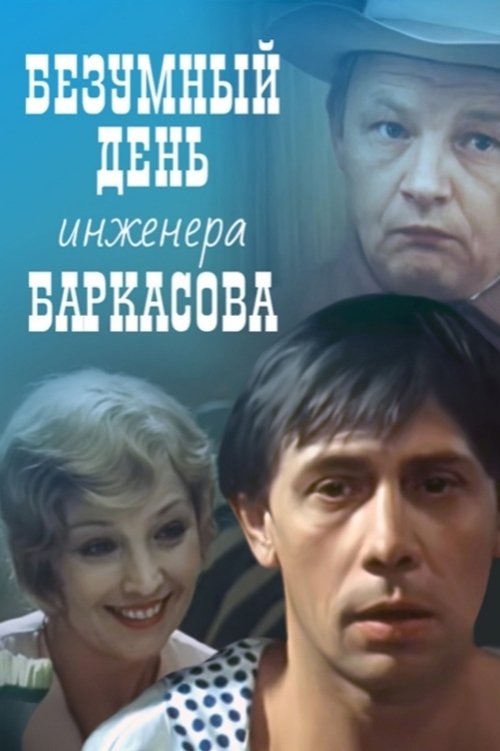
The protagonist of the film, engineer Barkasov, finds himself in ridiculous and anecdotal situations all day. He is a responsible worker, the head of a large institution and is completely exhausted from pressing urgent matters. On the advice of a doctor, his deputy bought two operetta tickets for his boss and ordered secretary Sofochka to accompany Barkasov at an evening performance...
Crazy Day of Engineer Barkasov

After being hired as a temporary substitute for an experienced pedagogue, a young maths teacher has to find common ground with a precocious group of sixth graders.
Translation from English
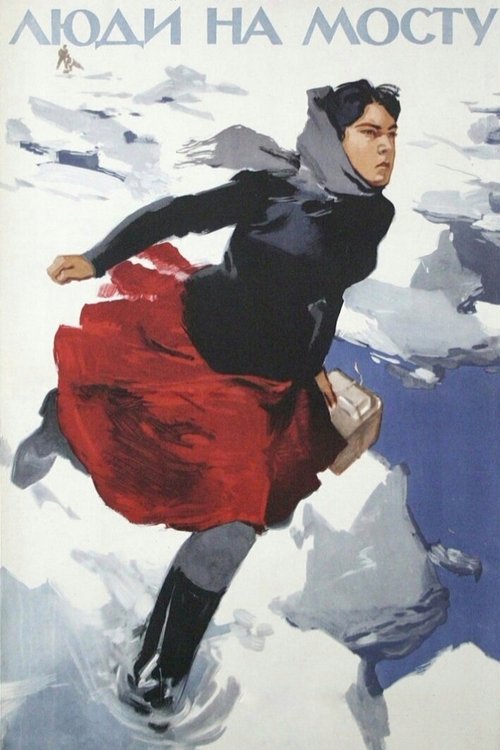
The end of the 50s. The former head of the department Bulygin is sent from Moscow to Siberia to build a bridge across the Severnaya River. With him goes his family: his wife, son, daughter and his daughter's fiancé. Once an experienced builder, and now just an overbearing official, Bulygin cannot find common ground with the workers, and people begin to leave the construction site. However, after many experiences and mental trials Bulygin regains the features of a skillful leader.
People on the Bridge
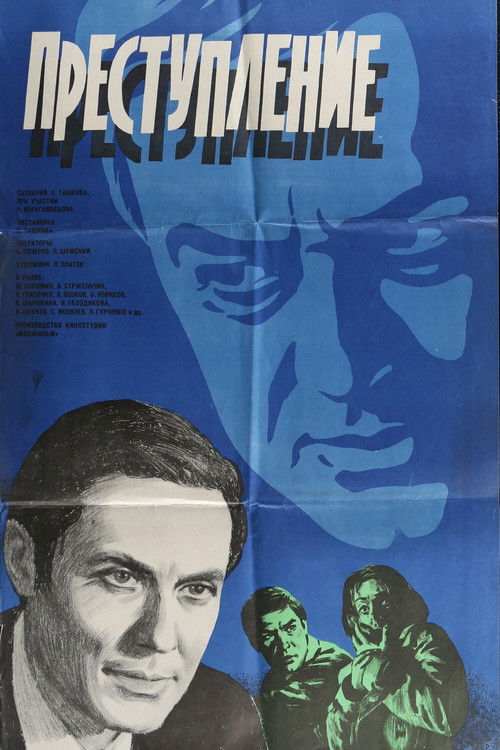
No description available.
Crime: Deception
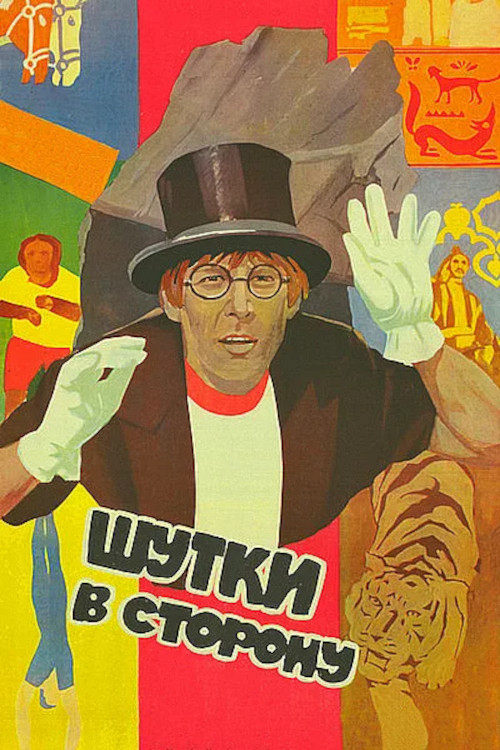
Dima Manokhin dreams of becoming a clown. But he does not enter the school, but goes to a sanatorium to amuse Lena, who has fallen ill. The sick recover literally before his eyes - and Dima knows that he will be a clown.
No More Jokes!

Twin sisters Asya and Slavka dream of enrolling in a nautical school. After the first refusal, the girls go to Transbaikalia, get a job at the fur farm, make real friends, fall in love, experience all kinds of adventures and still dream of the sea.
Road to the Sea
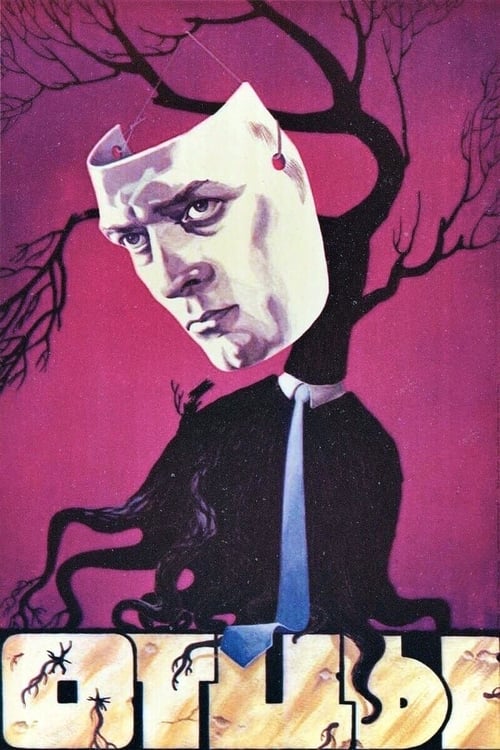
Second half of the 1960s. Novikov, an employee of the apparatus, is a charming and successful functionary, married to the daughter of a former party leader. His life is a success — he has a status, a family, two children, as well as a young mistress — student Tanya, for whom he will never divorce... During the conflict at a youth construction site in Siberia, which he must repay, Novikov shows himself as an experienced dodger and a provocateur. Tanya's father, a war veteran and an honest worker, Ivan Dronov considers himself entitled to punish this scoundrel...