Directing
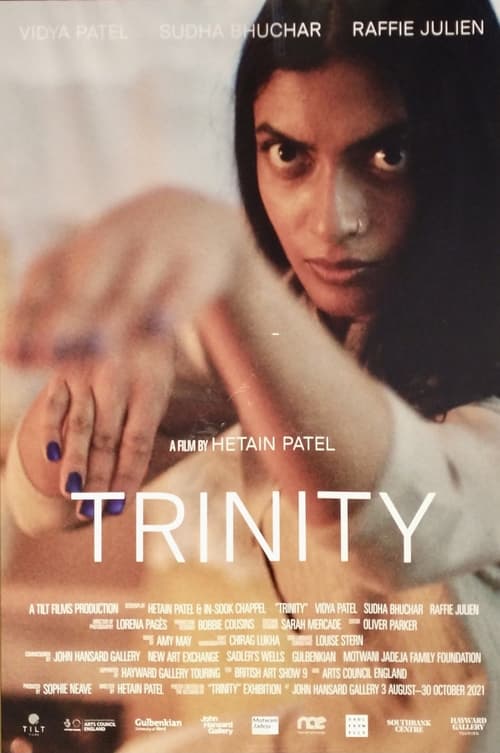
Patel’s new film Trinity, continues his exploration of language and physical communication, centring on the discovery of a martial language that once united humanity. Interspersed with visual references from his life – both his artistic practice and his Indian cultural heritage, the film features two women – a young British Indian woman (played by Vidya Patel) and a young Deaf garage worker (played by Raffie Julien) – engaging in a fight, creating a unique physical language weaving together martial arts and sign language. A coming of age story intermingled with supernatural references, Trinity transforms traditional Indian practices with a recognisably Hollywood approach, employing an epic soundtrack and fight choreography. The film explores the representation of the British Indian experience on screen, emphasising the female voice, intergenerational conflict and the truth that our bodies hold beyond language, foregrounding a strong sense of hope.
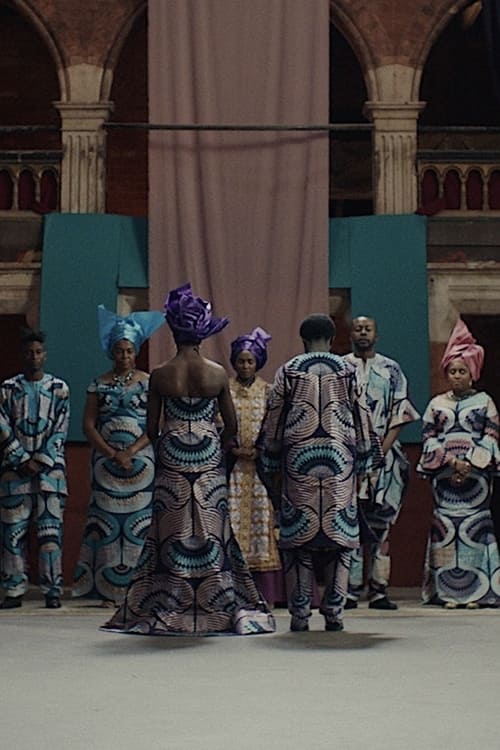
Don’t Look at the Finger follows a ceremonial ‘fight’ between two protagonists, a man and a woman, in the grand architectural setting of a church. The way the characters communicate is a feat of choreography that combines Kung Fu with signed languages to express a ritualistic coming together.
Patel’s new animation projectsoutlines of himself moving across the gallery wallthrough a spectrum of colours, revealing different skin tones through hisown body’s lines.Made over the summer, the work follows animations the artist shared on Instagramduring thecovidlockdown.
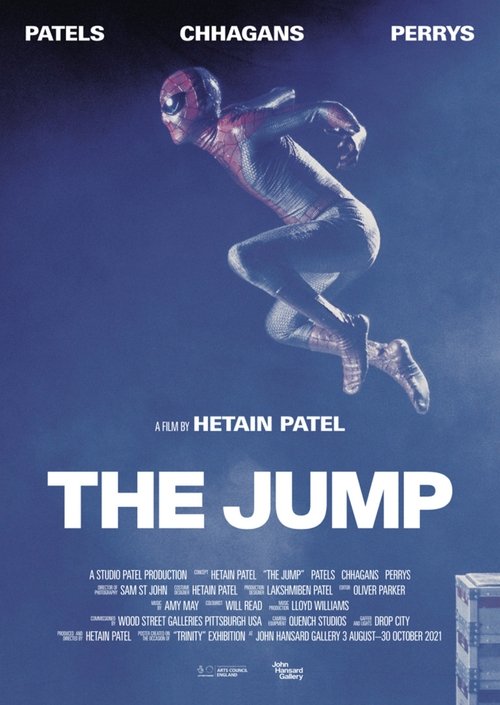
The Jump connects the widely recognised fantasy of Hollywood action and superhero films with the domestic setting of the artist’s British Indian family home in the UK. Featuring 17 of his family members, the film was shot in his grandmother’s home, the house that he and all of his immigrant relatives have lived in at various points since 1967, and where his grandmother still lives.
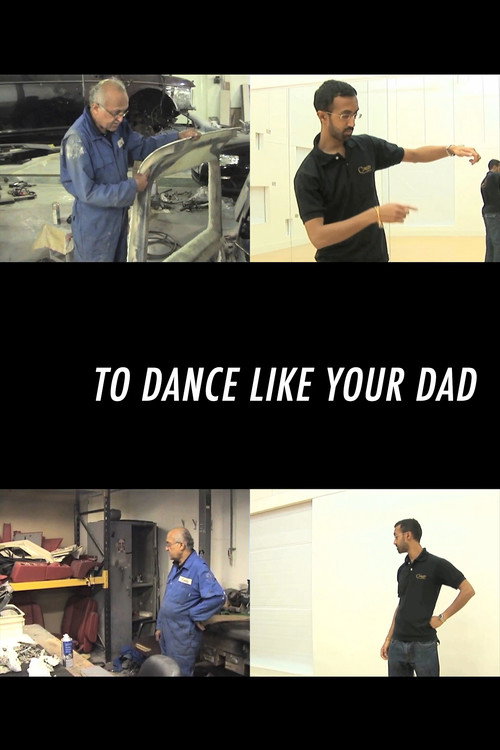
Hetain Patel uses language and physical movement to challenge assumptions about identity. This film shows Patel's father speaking about his work in his coach building factory in Bolton. Patel then restaged it, performing his father's words, accent, mannerisms and movements in an empty studio. Patel is a skilled mimic and physical performer, but this work goes beyond mere imitation. It speaks of family relationships and expectations, different generational opportunities, inheritance, work and labour, the loss of industry and skills and father/son relationships.