Acting
No description available.
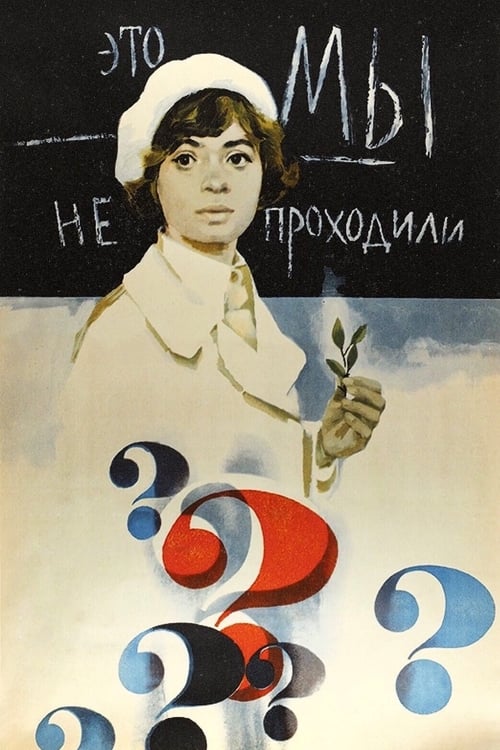
The heroes of the film are students of a pedagogical university, those who, after a year or two, have to carry knowledge to schoolchildren, "to sow the rational, good, eternal." In the meantime, student practice. True, the practice is not quite ordinary, because for the first time students leave far from the walls of their own university, for the first time they meet with students in the classroom not in the presence of their teachers, those with whom life encounters them daily at the institute, but with those who have been working for more than a year at school.
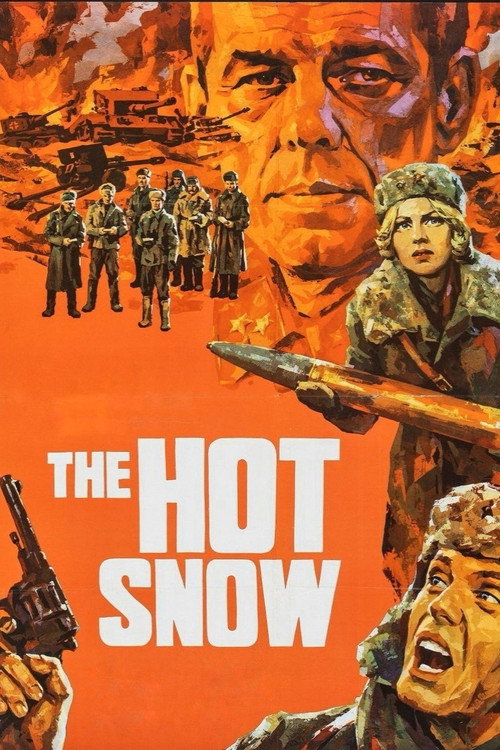
In November, 1942, near the Volga, Stanlingrad is under siege of Commander Friederich Paulus and his 330,000 men. The Russian high command unleashes an operation to protect the Mishkova River to avoid that about four hundred tanks join Paulus' army. The Soviet artillery soldiers protect their position with their lives in a bloodshed with few survivors.
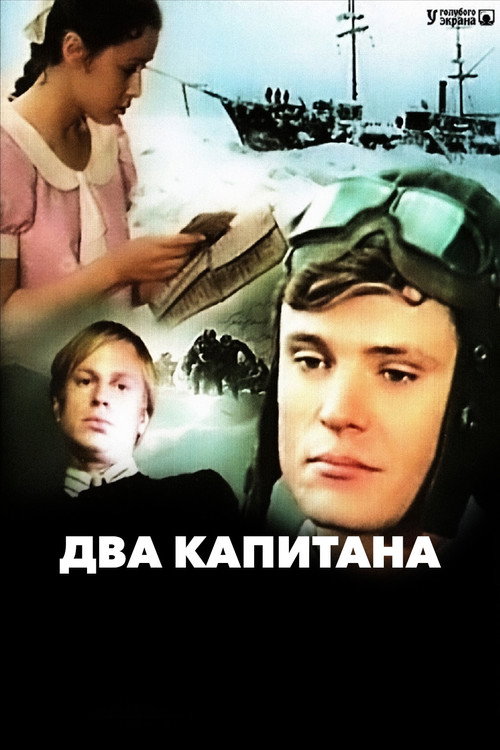
A passionate pilot dedicates his life to the search for a polar expedition.
In a remote village in Karelia, Sergeant Vaskov commands an anti-aircraft unit that protects a rail depot. While his men are transferred to the front line, he is reprimanded for their unruly behavior. He retorts that he wants replacements that aren't drunks or womanizers. In response, he is assigned a unit made up entirely of young women, fresh from training.
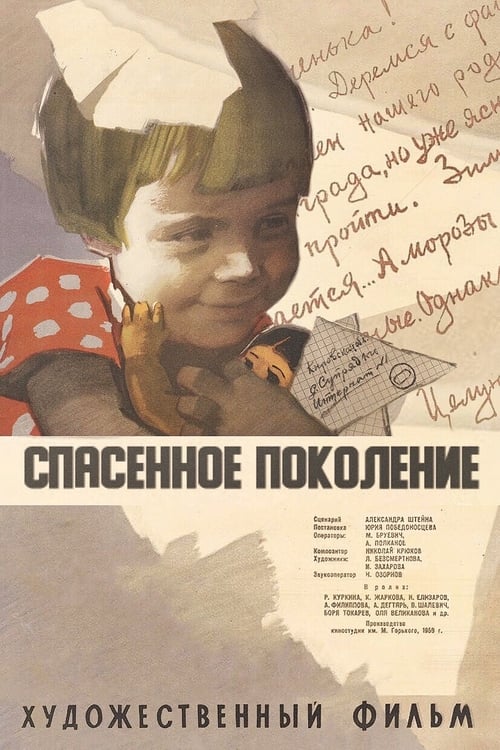
Antonina Vasilyevna, as a member of the bureau of the district committee of the party, was instructed to save the Leningrad children, whom the war overtook in the suburban camps. She took them to the Kirov region. After twelve days of hard travel, the children arrived in the village of Supryadki...
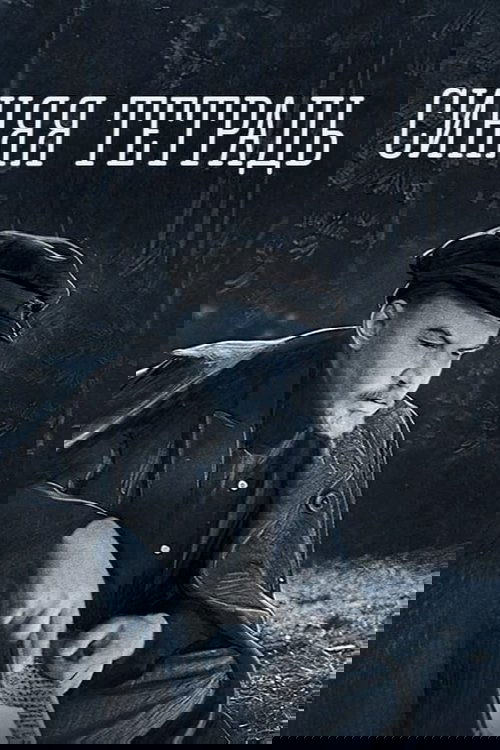
In the summer of 1917, Vladimir Lenin leaves Petrograd and shelters in Razliv with fellow revolutionary Grigory Zinoviev. In the weeks that follow, Lenin writes his famous "Blue Notebook" advocating proletarian revolution.
Twin sisters Asya and Slavka dream of enrolling in a nautical school. After the first refusal, the girls go to Transbaikalia, get a job at the fur farm, make real friends, fall in love, experience all kinds of adventures and still dream of the sea.
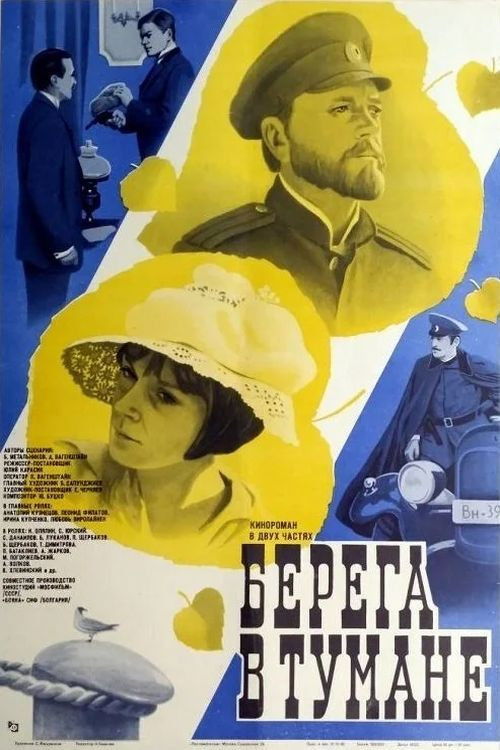
Fall, 1921. Wrangel's army, defeated in Crimea after a short stay in Turkey, found refuge in Bulgaria. White Guard Colonel lives here with his son and daughter, while his wife and youngest daughter were sheltered by the family of the Bolshevik, who've been sent to Bulgaria for propaganda work among Russian soldiers.
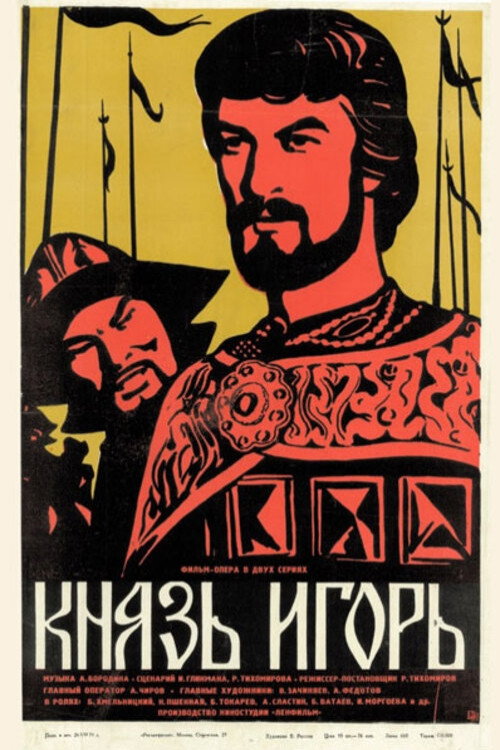
Based on opera "Prince Igor" by Borodin.
A Soviet tank breaks through the front line during the January 1945 offensive.
A boy from Leningrad has his world turned upside down by his parent's separation and World War II. He leaves town amidst the fighting and returns to find a friend in his step-brother.
A performance by the Leningrad Bolshoi Drama Theater named after M. Gorky.
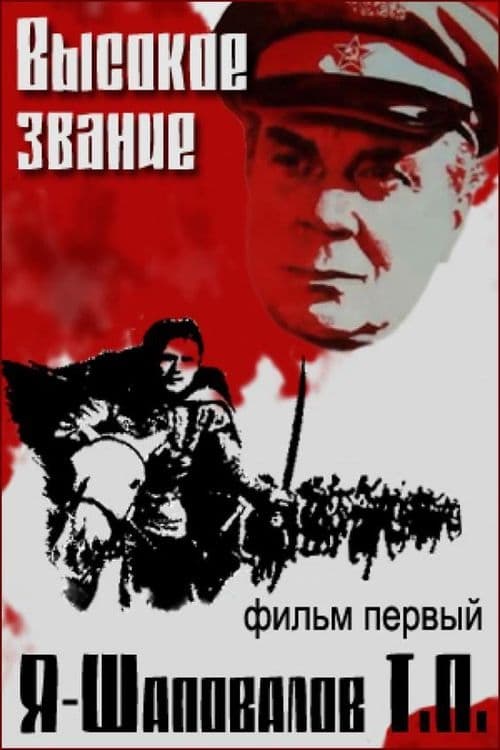
The film traces the path of the hero (formerly an ensign and a Knight of St. George, and then a talented commander of the Red Army) from the Civil War to the Great Patriotic War.
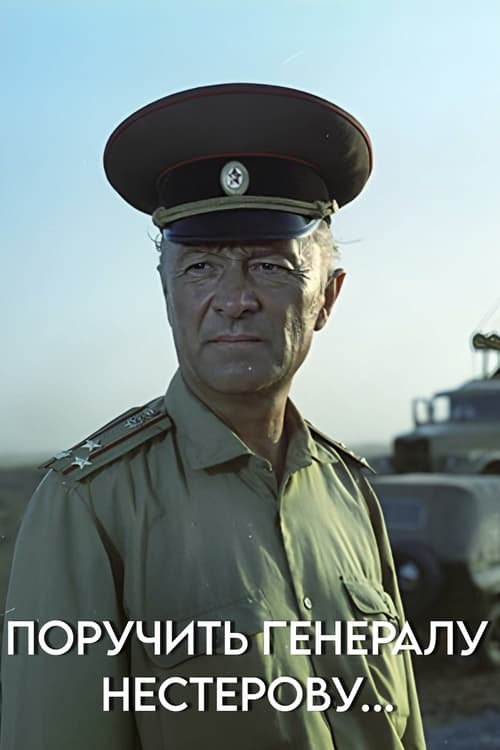
By order of General Sytko, a rock ridge explodes during the construction of an important strategic facility in the desert, leading to human casualties. And now General Nesterov will have to mobilize people in the difficult conditions that have arisen and cope with the task in a short time.
About four patients in the same hospital room, about different personalities, different worldviews...
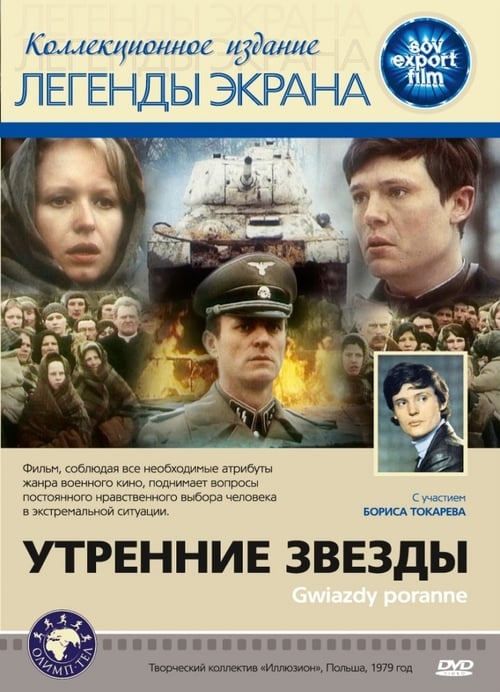
The Czech film Svítalo All Night was made to commemorate the 35th anniversary of the liberation of Czechoslovakia by the Soviet Army and is dedicated to all those who fought and gave their lives in Prague in the May Uprising of 1945. Behind the historical events, the creators see mainly their simple, unassuming participants. Thus, we are presented with a number of apt portraits, whether it is the central hero Dr. Soukup and nurse Daniela on the side of the fighting Czechs, or a captain and a simple private in a Red Army unit coming to the aid of the fighting Prague, or an old, war-weary German major, who only realises the senselessness of the war at the sight of a fanatical, cynical lieutenant for whom Nazi ideology represents the meaning of life.
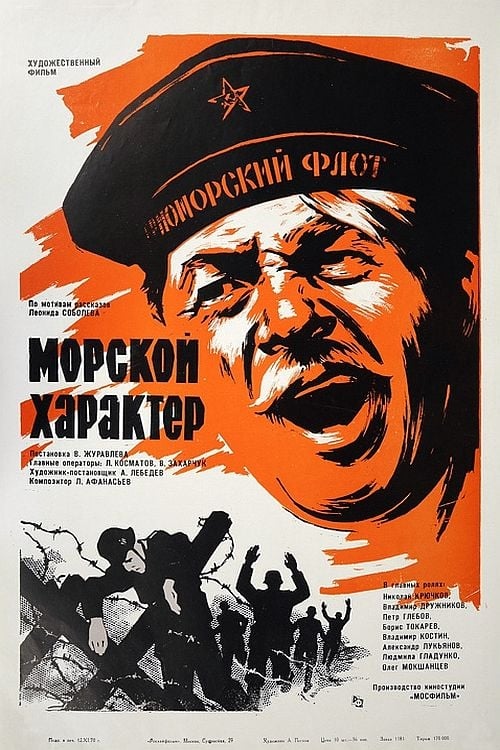
The film is dedicated to the defenders of Odessa, the Marines who fought against the Nazi invaders.
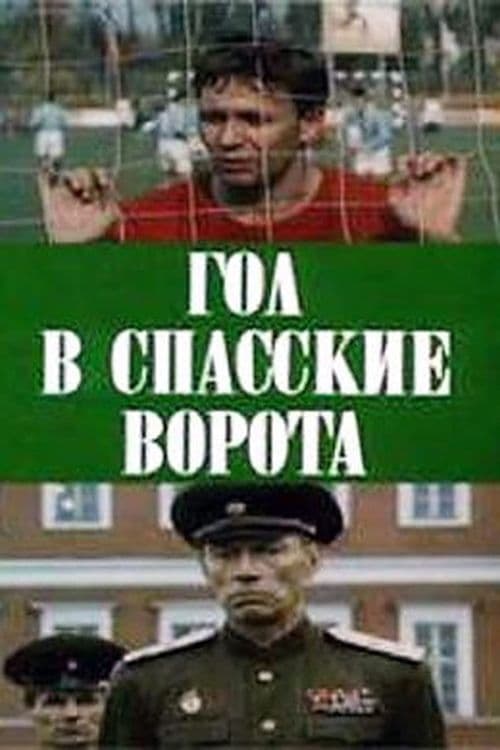
1952 Olympic Games. A football match between the USSR national team and the SFRY attracts the close attention of the political leaders of these countries who had quarreled by that time... As soon as the football team lost this match, the CSKA team, the “team of lieutenants”, which was popular in the post-war years, began to have troubles.
Our funny, difficult, and absurd life unfolds in front of the viewer as if in two layers: in the squabbles of a large, densely populated communal apartment, and Sergei Sovkov's quiet, detached dwelling. By chance, his neighbor Tanya appears in the apartment, who, on the contrary, is immersed in the battle for a place in the sun. And Sergei's former serene existence is no longer possible...