Directing
Weekly current affairs show
La Case du Siècle is a French television program launched in 2010 and broadcast on France 5. Hosted by Fabrice d'Almeida, it airs documentaries every Sunday that aim to shed light on the history of the 20th century, both in France and around the world. Through these documentaries, viewers can deepen their knowledge of a specific subject or simply discover a particular era. *La Case du siècle* offers an in-depth look at the events that changed the course of history.
After selecting a building at random in a Jewish neighborhood in Paris, French director Ruth Zylberman meticulously reconstructed its community of inhabitants during the German occupation. What results is the spellbinding 209 RUE SAINT-MAUR, an experimental historiography that tells the emotional story of lives uprooted and destroyed under the Nazis.
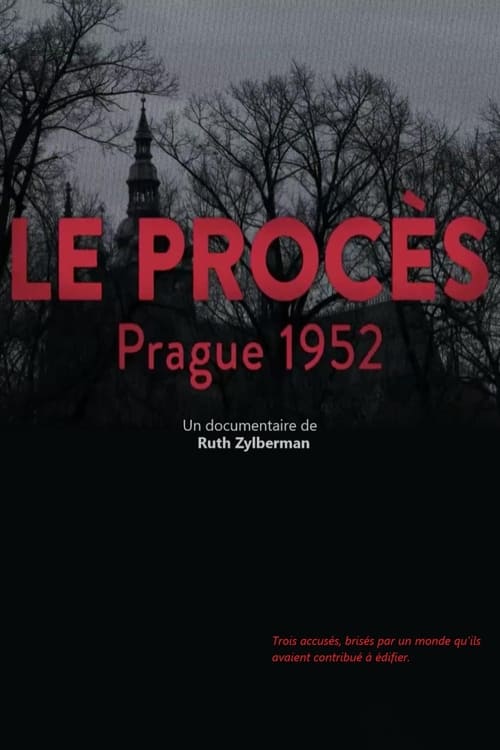
The new documentary made from the Slánský trial film and audio archives found by chance in 2018 in a warehouse in the suburb of Prague served as a starting point for the film. The director tells the trial through the descendants of three of the condemned: the daughter and grandson of Rudolf Slánský, the son and granddaughter of Rudolf Margolius, both executed after the trial, and the three children of Artur London, sentenced to life imprisonment.
Gustave Folcher, a French farmer, wrote in his 1939 diary that the summer had been long and hot. He was not alone. Many other anonymous French men and women wrote of the beauty and warmth of those summer months and how threats of war were far from their minds. Through home movies, diaries and letters, One Last Summer describes the final weeks of peace in France and the mix of blindness, denial and prophetic clear-sightedness of those facing the war that was about to unfold.
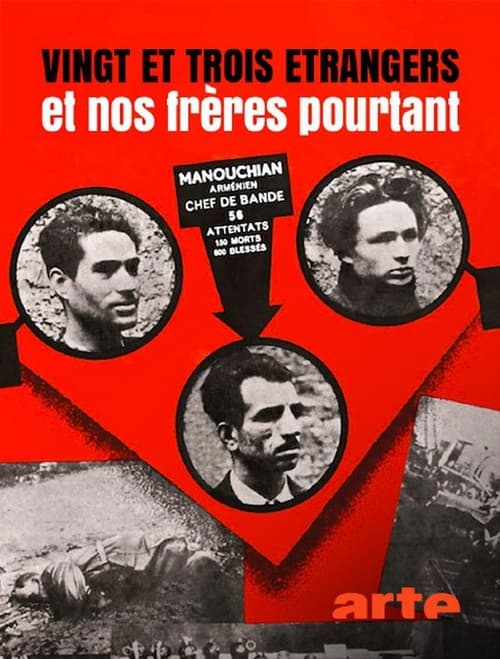
Just outside Paris, in a peaceful clearing surrounded by woods, a French flag flies above a bare concrete pad. Here, on February 21, 1944, Nazi occupiers executed 23 Resistance fighters by firing squad. After the executions, the Nazis highlighted many of the murdered fighters on a notorious red poster, labelling them as foreigners, communists, and Jews. 23 FOREIGNERS — OUR BROTHERS tells the stories behind some of the faces on that poster, exploring their lives through archival photos, letters they wrote on the eve of their deaths, and moving interviews with their descendants.
The trajectories of four women who were biographically and symbolically close to Kafka and his works: Felice Bauer, Milena Jesenska and the lesser-known Dora Diamant, his last-chance love, and Ottla, his beloved sister.