FEEL IT.STREAM
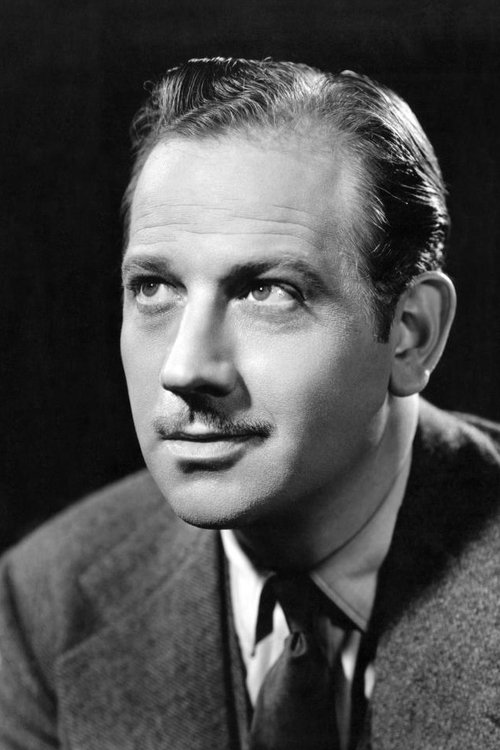
Melvyn Douglas

Melvyn Douglas

Acting

Biography

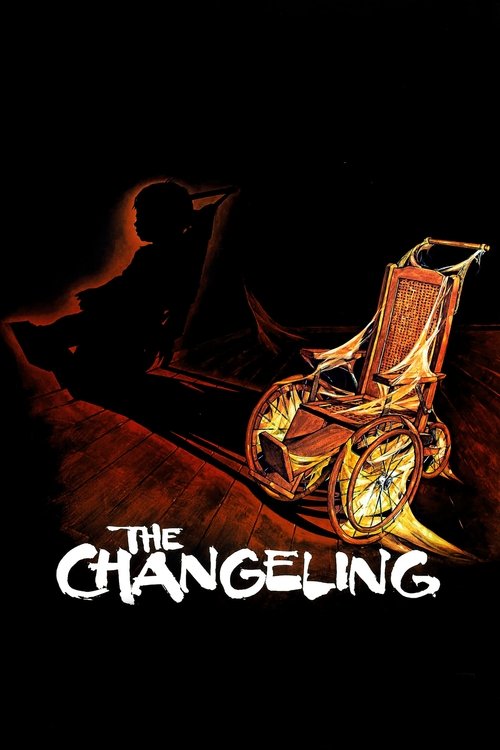
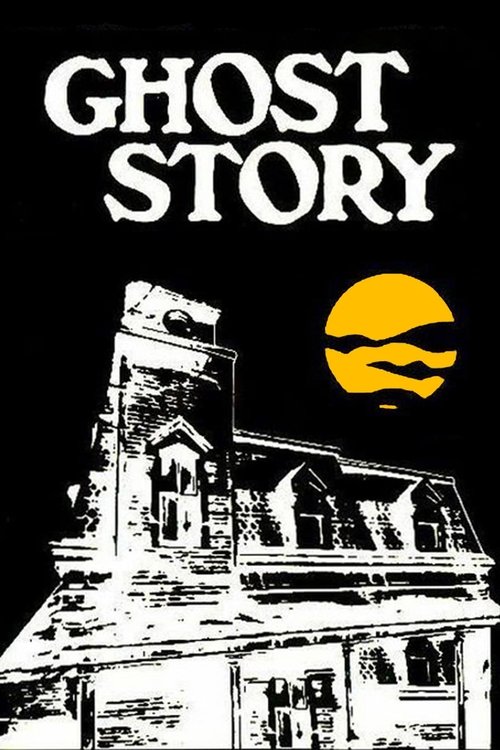
Melvyn Douglas (born Melvyn Edouard Hesselberg; April 5, 1901 – August 4, 1981) was an American actor. Douglas came to prominence in the 1930s as a suave leading man, perhaps best typified by his performance in the 1939 romantic comedy Ninotchka with Greta Garbo. Douglas later played mature and fatherly characters, as in his Academy Award–winning performances in Hud (1963) and Being There (1979) and his Academy Award–nominated performance in I Never Sang for My Father (1970). In the last few years of his life Douglas appeared in films with supernatural stories involving ghosts. Douglas appeared as "Senator Joseph Carmichael" in The Changeling in 1980 and Ghost Story in 1981 in his final completed film role.

Known For

The Fugitive
7.3

Richard Kimble is falsely convicted of his wife's murder and given the death penalty. En route to death row, Kimble's train derails and crashes, allowing him to escape and begin a cross-country search for the real killer, a "one-armed man". At the same time, Dr. Kimble is hounded by the authorities, most notably dogged by Police Lieutenant Philip Gerard.

The Fugitive

1963
The Philco Television Playhouse
6.6

The Philco Television Playhouse is an American anthology series that was broadcast live on NBC from 1948 to 1955. Produced by Fred Coe, the series was sponsored by Philco. It was one of the most respected dramatic shows of the Golden Age of Television, winning a 1954 Peabody Award and receiving eight Emmy nominations between 1951 and 1956.

The Philco Television Playhouse

1948
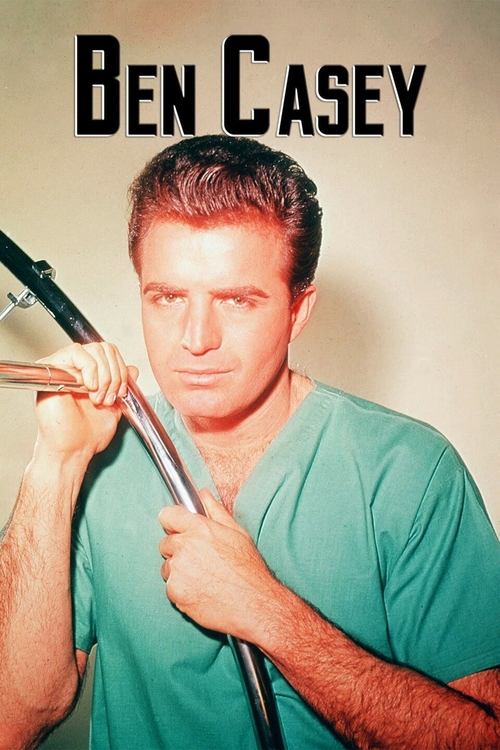
Ben Casey
5.9

No description available.

Ben Casey

1961
No image
5.9

No description available.

Bob Hope Presents the Chrysler Theatre

1963
Studio One
5.4

An American radio–television anthology series, created in 1947 by Canadian director Fletcher Markle, who came to CBS from the CBC. Studio One, presented by Westinghouse, was one of the first of the anthology TV programs. The episodes were often abridged remakes of movies from years gone by and many future well-known television and movie actors appeared in the productions.

Studio One

1948
The Dick Cavett Show
6.8

The Dick Cavett Show has been the title of several talk shows hosted by Dick Cavett on various television networks.

The Dick Cavett Show

1968
The Ed Sullivan Show
6.8

The Ed Sullivan Show is an American TV variety show that originally ran on CBS from Sunday June 20, 1948 to Sunday June 6, 1971, and was hosted by New York entertainment columnist Ed Sullivan. It was replaced in September 1971 by the CBS Sunday Night Movie, which ran only one season and was eventually replaced by other shows. In 2002, The Ed Sullivan Show was ranked #15 on TV Guide's 50 Greatest TV Shows of All Time.

The Ed Sullivan Show

1948
Playhouse 90
7.6

Playhouse 90 is an American television anthology series that was telecast on CBS from 1956 to 1960 for a total of 133 episodes. It originated from CBS Television City in Los Angeles, California. Since live anthology drama series of the mid-1950s were usually hour-long shows, the title highlighted the network's intention to present something unusual, a weekly series of hour-and-a-half dramas rather than 60-minute plays. Playhouse 90 began as a pitch by Frank Stanton—the formidable, forward-thinking right-hand man to CBS chairman William S. Paley—during a brainstorming session for program ideas. The project was ultimately developed by Hubbell Robinson, a CBS vice president who received no screen credit on Playhouse 90 but is often described as its creator.

Playhouse 90

1956
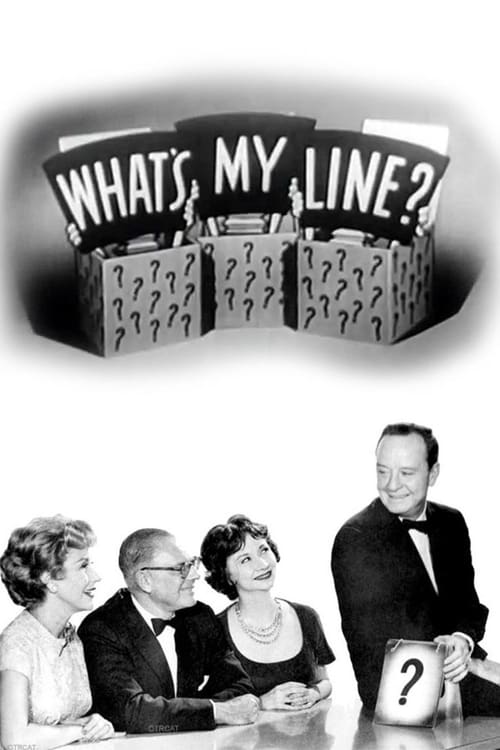
What's My Line?
7.0

Four panelists must determine guests' occupations - and, in the case of famous guests, while blindfolded, their identity - by asking only "yes" or "no" questions.

What's My Line?

1950
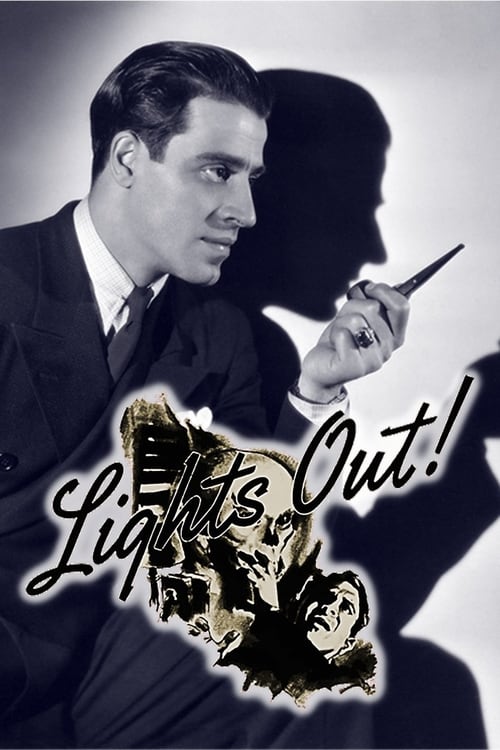
Lights Out
6.0

Lights Out was an extremely popular American old-time radio program, an early example of a network series devoted mostly to horror and the supernatural, predating Suspense and Inner Sanctum. Versions of Lights Out aired on different networks, at various times, from January 1934 to the summer of 1947 and the series eventually made the transition to television. In 1946, NBC Television brought Lights Out to TV in a series of four specials, broadcast live and produced by Fred Coe, who also contributed three of the scripts. NBC asked Cooper to write the script for the premiere, "First Person Singular", which is told entirely from the point of view of an unseen murderer who kills his obnoxious wife and winds up being executed. Variety gave this first episode a rave review ("undoubtedly one of the best dramatic shows yet seen on a television screen"), but Lights Out did not become a regular NBC-TV series until 1949.

Lights Out

1949
Ghost Story
7.4

Ghost Story is an American television anthology series that aired for one season on NBC from 1972 to 1973. Executive-produced by William Castle, it initially featured supernatural entities such as ghosts, vampires, and witches. By mid-season, low ratings led to a shift -- for the most part -- away from paranormal themes and a title change to Circle of Fear.

Ghost Story

1972
No image
6.7

Lux Video Theatre is an American anthology series that was produced from 1950 until 1959. The series presented both comedy and drama in original teleplays, as well as abridged adaptations of films and plays.

Lux Video Theatre

1950
No image
7.0

CBS Playhouse is an American anthology drama series that aired on CBS from 1967 to 1970. Airing twelve plays over the course of its run, the series was nominated for a number of awards and featured many noteworthy actors and playwrights.

CBS Playhouse

1966
MGM Parade
9.0

The original concept of the show was to allow the viewer to see the inner workings of a movie studio and featured interviews with MGM stars and explanations of how movies were made. Later, the format changed to show edited versions of MGM films.

MGM Parade

1955
Your Show of Shows
7.3

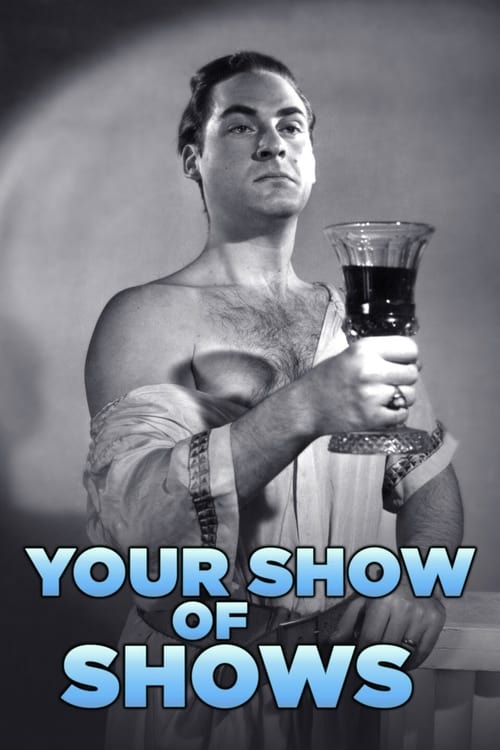
Your Show of Shows was a live 90-minute variety show that was broadcast weekly in the United States on NBC, from February 25, 1950, until June 5, 1954, featuring Sid Caesar and Imogene Coca. Other featured performers were Carl Reiner, Howard Morris, Bill Hayes, Judy Johnson, The Hamilton Trio and the soprano Marguerite Piazza. José Ferrer made several guest appearances on the series. The series was telecast from the now-demolished International Theatre at 5 Columbus Circle and the Century Theater, now demolished, in New York. During 2002, Your Show of Shows was ranked #30 on TV Guide's 50 Greatest TV Shows of All Time.

Your Show of Shows

1950
Hallmark Hall of Fame
8.8

Long-running anthology program sponsored by Hallmark Cards. Beginning in 1951 and continuing into 2019, the series received 80 Emmy Awards, 24 Christopher Awards, 11 Peabody Awards, 9 Golden Globes, and 4 Humanitas Prizes. Early seasons were a weekly live drama, eventually transitioning to videotaped and then filmed productions broadcast as occasional specials.

Hallmark Hall of Fame

1951
Kraft Mystery Theatre
7.3

Kraft Mystery Theatre is an American anthology series that aired on NBC from June 17, 1961 to September 25, 1963. A successor to Kraft Television Theater with a change of focus away from straight drama. The high productions remained along with the ability to attract well known talent.

Kraft Mystery Theatre

1961
No image
7.5

The ABC Weekend Special is a weekly 30-minute anthology TV series for children that aired Saturday mornings on ABC from 1977 to 1997. It featured a wide variety of stories that were both live-action and animated. Similar to both the ABC Afterschool Special and The ABC Saturday Superstar Movie that had started five years previous, the ABC Weekend Special differed in that it was primarily aimed at younger viewers following ABC's Saturday Morning cartoon lineup, whereas the ABC Afterschool Special was known for its somewhat more serious, and often dramatic storylines dealing with issues concerning a slightly older teen and pre-teen audience. With the debut of the ABC Weekend Special, some of the early ABC Afterschool Specials that had been targeted towards younger viewers were subsequently repackaged and re-run instead as ABC Weekend Specials.

Weekend Special

1977
Ninotchka
7.5

A stern Russian woman sent to Paris on official business finds herself attracted to a man who represents everything she is supposed to detest.

Ninotchka

1939
The Tenant
7.6

A quiet and inconspicuous man rents an apartment in Paris where he finds himself drawn into a rabbit hole of dangerous paranoia.

The Tenant

1976