Taichiro Okura
Acting
Known For
Prewar jidaigeki starring Denjiro Okochi
Kuriyama Daizen
No description available.
Kaidan Oiwa Yakusha
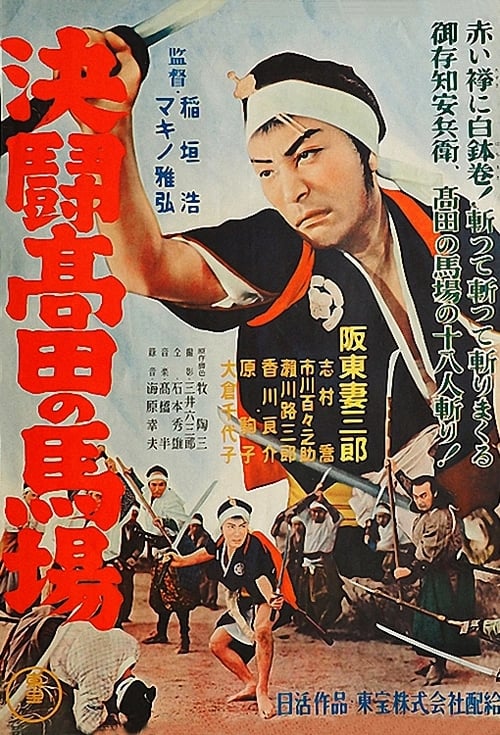
The tale of Nakayama Yasubei’s duel is famous, even if he in reality probably did not cut down 18 opponents. The story has been related in film, rakugo, kodan and on stage many times, in part because Nakayama later joined the famous 47 Ronin (Chushingura) as Horibe Yasubei. But Makino and Inagaki’s version gives no hint of this more serious future, playing up the thrills and the comedy with Bando’s bravura performance. The multiple pans of Yasubei running to the duel are an exemplar of the experimental flourishes of 1930s Japanese cinema and the final duel, performed virtually like a dance number, is a marker of Makino’s love of rhythm and one of the best sword fights in Japanese film history. The film was originally released under the title Chikemuri Takadanoba (Bloody Takadanobaba) with a length of 57 minutes, but suffered some cuts and a title change when it was re-released in 1952.
Blood Spilled at Takadanobaba
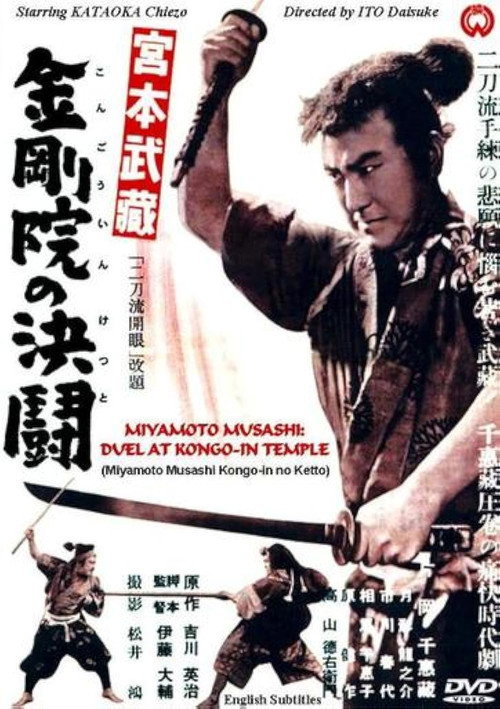
Ito Daisuke's wartime retelling of the Miyamoto Musashi story.
Initiation of the Two-Sword Style
The adventures of a young patriotic samurai. This is the Nikkatsu version of Shin Hasegawa's original story. Shochiku released their version of the story with the same title on the exact same day in 1931
Beni-kōmori - Dai ippen
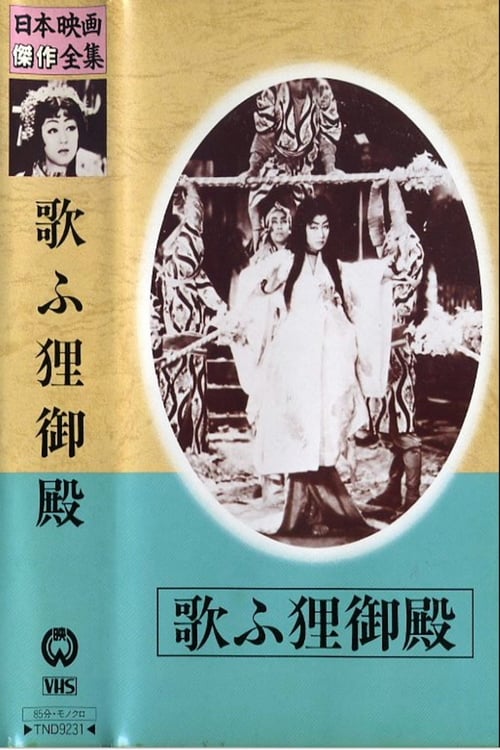
In this Japanese retelling of Cinderella, Okuro (Takayama) is the unfortunate stepdaughter of a family of tanuki: shape-shifting raccoon dogs. She hopes to see the tanuki prince (former Takarazuka star Miyagi) against her stepmother's wishes; the magical spirit of the willow tree, and a hapless kappa (water goblin) intercede in unexpected ways.