Acting
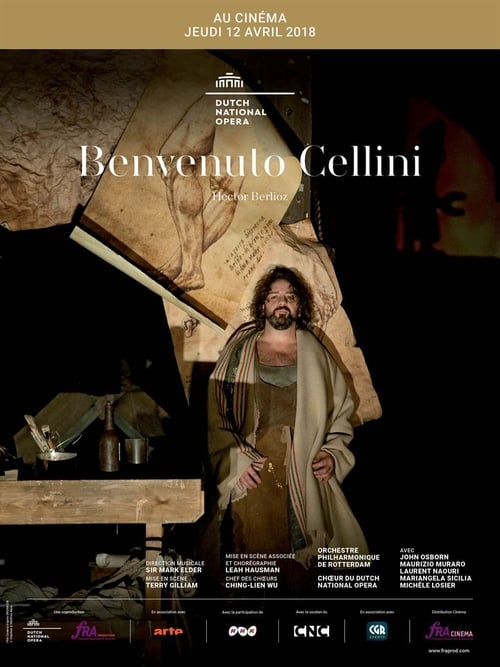
The Florentine sculptor and silversmith Benvenuto Cellini rapidly attained a degree of renown that went beyond the confines of Italy. Invariably embroiled in conspiracies, intrigues and quarrels, Cellini is commissioned by the Pope to cast a large sculpture of Perseus. He is loved by Teresa, but she is promised to Fieramosca, an academic artist who has not been favoured with a papal commission. Terry Gilliam’s exuberant production draws the protagonists into a delirious and joyful yet claustrophobic and megalomaniac world: a flaring up of contagious madness.
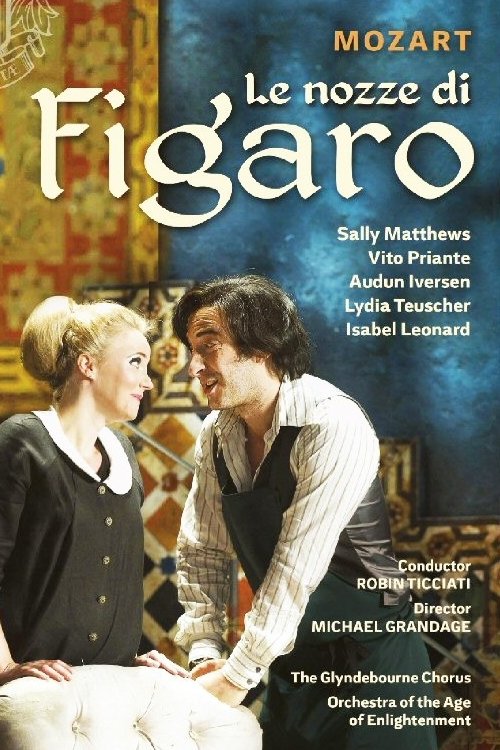
Rosina from *The Barber of Seville* is now Countess Almaviva, his wife. However, he is far from being a paragon of virtue. Among others, he is pursuing his wife’s maid, Susanna—who is to marry Figaro, now in the Count’s service—and his gardener’s daughter, Barbarina. He faces competition from the page Cherubino, who is in love with all women and in particular with the Countess, his godmother. Meanwhile, the elderly Marcellina, aided by Doctor Bartolo and the music master Basilio, seeks to prevent the marriage of Susanna and Figaro, as the latter has promised to marry her. ‘The Marriage of Figaro’ (‘Le nozze di Figaro’, K. 492) is a four-act opera buffa by Wolfgang Amadeus Mozart, with an Italian libretto by Lorenzo Da Ponte inspired by Beaumarchais’s comedy, ‘Le Mariage de Figaro’.
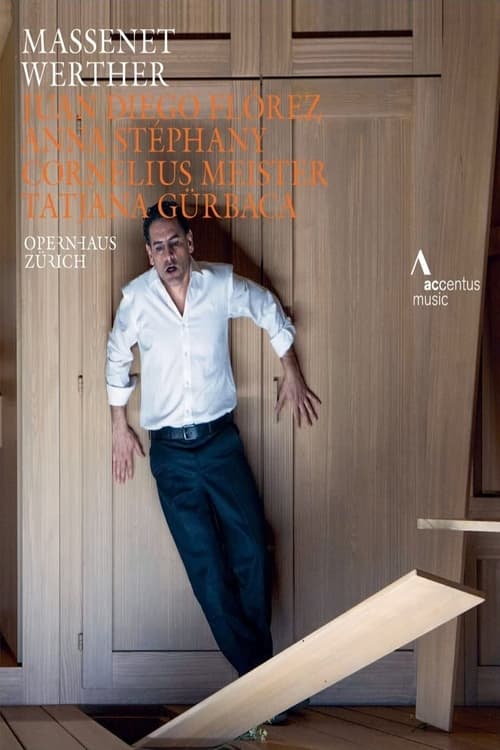
Forbidden love, wrongdoings and anguish: the Opernhaus Zürich ventures into late nineteenth-century French romanticism with Werther by Jules Massenet. A loose adaptation of Johann Wolfgang von Goethes epistolary novel 'The Sorrows of Young Werther', the opera is conducted by Germanys Cornelius Meister. It tells the story of the impossible union of poet Werther to Charlotte, a woman of duty already promised to a wealthy businessman. Goethes drama is echoed in Massenets score by emotionally wide-ranging vocal parts written on a grand scale. Juan Diego Flórez is undisputedly one of the best belcanto tenors of our times and embodies a tortured and nuanced Werther. 'Its not a profane appearance of any singer it is an epiphany!' gushes the Neue Zürcher Zeitung in a rave review. At Flórezs side, Franco-British mezzo-soprano Anna Stéphany sang her role début as Charlotte. The one-room staging by Tatjana Gürbaca cleverly makes the social stranglehold of oppression tangible.