Acting
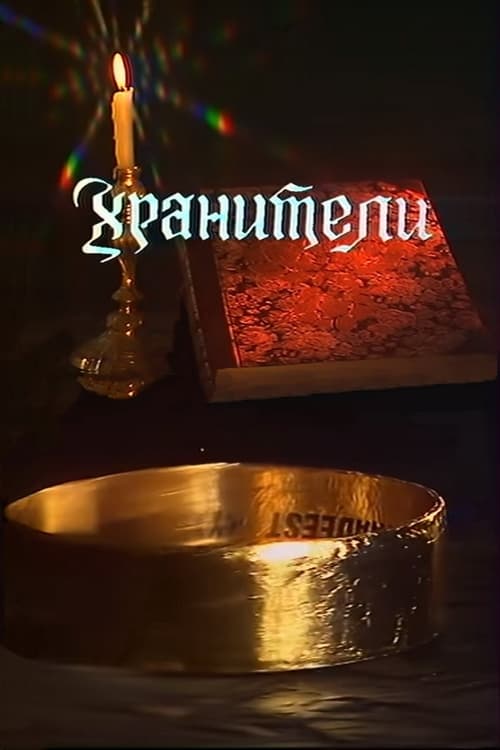
Soviet live-action film adaptation of J. R. R. Tolkien’s The Fellowship of the Ring, aired once in 1991 by Leningrad Television and then thought lost. It was rediscovered in 2021. It includes scenes of Tom Bombadil and the Barrow-wight omitted from Peter Jackson’s Lord of the Rings film trilogy.
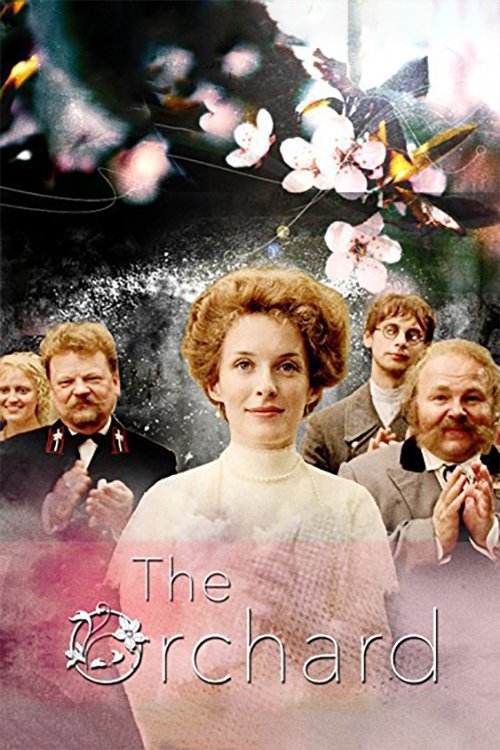
Based on Anton Chekhov's classic play, The Orchard is an eccentric comedy about class struggles in Russia at the turn of the 20th century. An aging aristocratic lady returns home to face the loss of her magnificent cherry orchard estate.
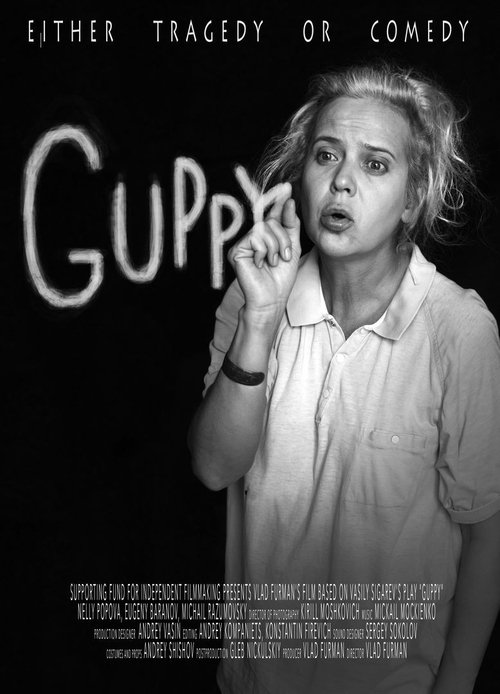
One day, Tamara went out to throw out the garbage and met Pasha at the entrance with a bottle of wine and a desire to talk. After a visit, the man gets into the apartment of a new acquaintance, and she tells him how much she loves her husband Lenechka, who took her "rejected" from the village, planted her at home for a sewing machine and called "gupeshka" - in honor of an aquarium fish, submissive , silent, unwittingly devoted to the owner.
No description available.
When the British, wanting to surprise the Emperor Alexander Pavlovich, presented a clockwork miracle flea, they did not know into the hands of which craftsman it would fall on Russian soil.
A comedy about a New Year Eve celebration in one very funny hospital.
About the adventures of two princesses who received rings from the wizard Almanzor as a gift. The problem was that one of them was too stupid and the other was too evil. It was difficult to find suitable husbands for them. Almanzor offered the princesses two rings: a regular gold ring and a magical tin ring with a twin. Aleli chose the tin ring, and the gardener who received the second tin ring knew everything about his beloved and did everything he could to make her happy.
A lonely, defenseless, unsettled man meets a beautiful gypsy woman and falls in love with her. Having left the service, having left home, he sticks to the camp, but even here he finds neither home nor love — only pity. So he remains a "gadjo" for everyone, a stranger.
The film is about a generation of brave and beautiful people who did not see the destruction of the revolution and the chaos of the civil war, who dreamed of building a new life in which there would be no place for death, but only incredible love that opens the way for them to great achievements and discoveries. About exploits and glory, betrayal and loyalty of those who were heroes in heaven and on earth. About the time of immense trials that fell on their short but bright lives. About a woman who was the dream and true love of the Soviet Union.
Follows the persistent, but not always noticeable battle for the moral foundations of the individual, for the future of young people.
A tired, naive librarian in her fourties, has experienced hard labor, chores, and failed love. Her brittle voice and childish naiveness add to her defenselessness. Despite her stubbornness, she maintains a strong spirit that helps her stay true to herself.
Two men at a country dacha are having an intimate conversation about life and love. And then She appears.
An elderly man - a naive, impractical artist of the musical comedy theater - writes an operetta about goodness. His son is a resuscitation doctor, very businesslike and practical, and teases him all the time. The marriage of Petrov Sr. to the young ballerina Alena also did not add harmony to their relationship. But one day, father and son suddenly realize how necessary they are to each other... When the young stepmother begins to be in danger during childbirth, the son stops being sarcastic and fulfills his human and filial duty.
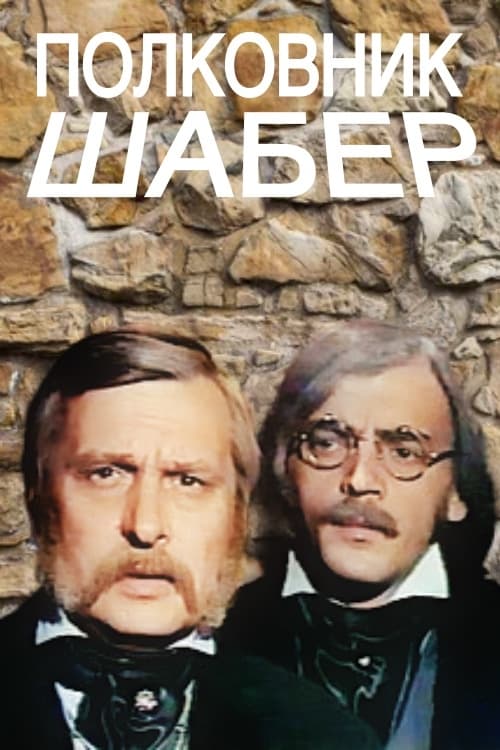
Colonel Chabert, who miraculously survived the battle, returns to his homeland after several years of wandering, but everyone has long considered him dead. It seems very problematic to prove the opposite - the wife got married again and sharing her fortune is not part of her plans...
The film is a scientifically popular depiction of the biography of Nikolai Nikolaevich Rayevsky, grandson of the famous General Rayevsky, the hero of the war against Napoleon and the Battle of Borodino in 1812, described by Lav Tolstoy as Count Vronsky in the novel Anna Karenina.