Production
From the deserted halls and corridors of the Gaumont-Palace cinema in Paris, memories of the great films that inhabited it before its demolition emerge like ghosts. The voice of Marguerite Duras, who reads texts from “Nathalie Granger” and “Woman of the Ganges”, adds a touch of nostalgia to this complex essay.
Fils unique details the emotive relationship between a father and his son who can only communicate their mutual feelings via unspoken words or provocation. It's the confrontation of an adolescent looking for his limits and a father who, through love or cowardice, refuses to set him any. No one is taken in by their silent game in this place "at the end of the world" where apparently nothing could possibly happen to them.
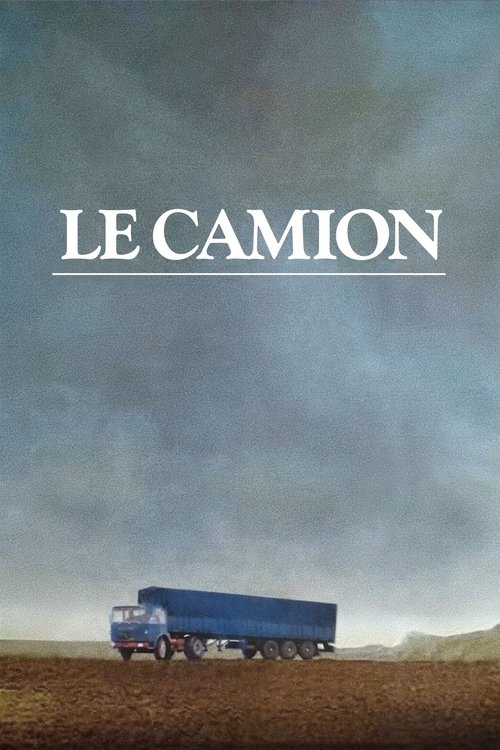
In this most talky and personal of films, director Marguerite Duras and actor Gerard Depardieu do an on-camera read-through of a movie script. Occasionally, the director comments about the characters or their motivations, and sometimes the actor does. That's all -- there is no action, there are no location shots, no one pretends to be anything else. The script itself tells about an encounter between a blank-slate of a woman hitchhiker, and a communist truck driver. As the reading progresses, Duras comments bitterly about the failed ideals of communism and the glorious revolution that will probably never happen.
No description available.
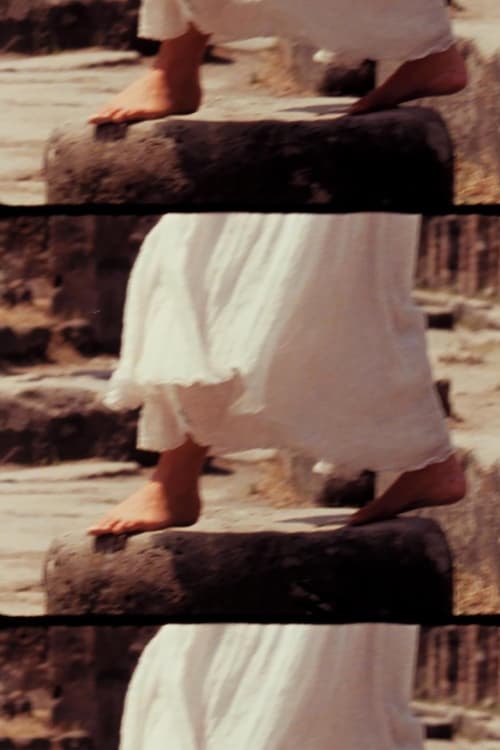
The movie shows a smattering of images from the story of Wilhelm Jensen's Gradiva. The subject is sublimated desire.
Eleven-year old Dora (Nathalie Manet) is forced to chase after clues concerning her inventor-father's death while being chased by thugs working for big industry. Not only is she seeking to understand her father's mysterious death, but some of the clues he gave her indicate that he invented something unusual which the big companies want. She barely escapes being kidnapped and is helped in her search by a magical fairy and an aspiring actress.
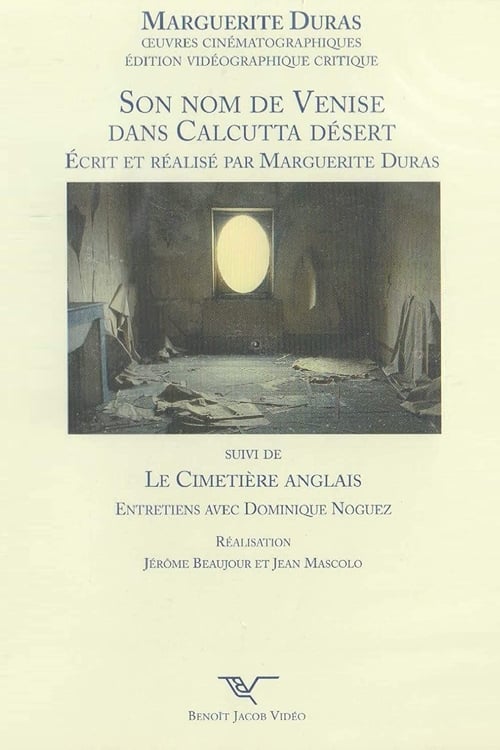
The full soundtrack to Marguerite Duras' 1975 film India Song, about a French ambassador's wife in 1930s India, is here repurposed with all new cinematography. As we hear all the dialogue of a bygone movie, we travel visually through images of absence and decay, bereft of life. It's the ghost of a film, and a further commentary on colonialism.
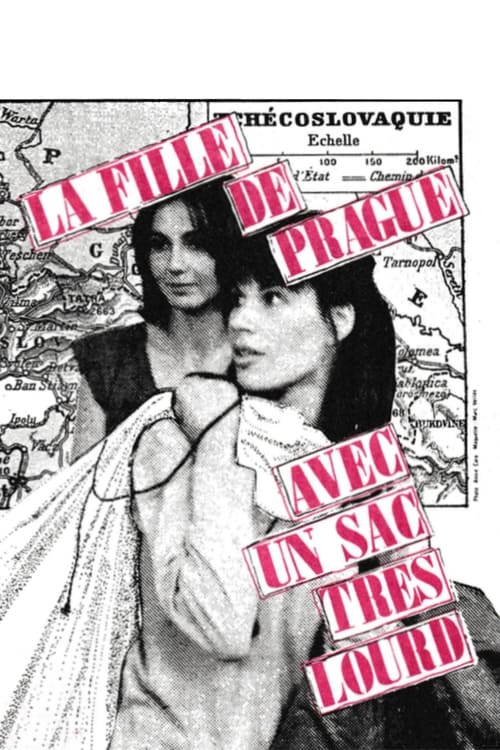
Who is Milena whose arrival is announced to Sophie and Nicolas by postcard? The train from Prague brings for three weeks, the time of a visa, this young Czech and his bag stuffed with forbidden texts, marginal films and music. She will strive to make them known with the help of her new friends.
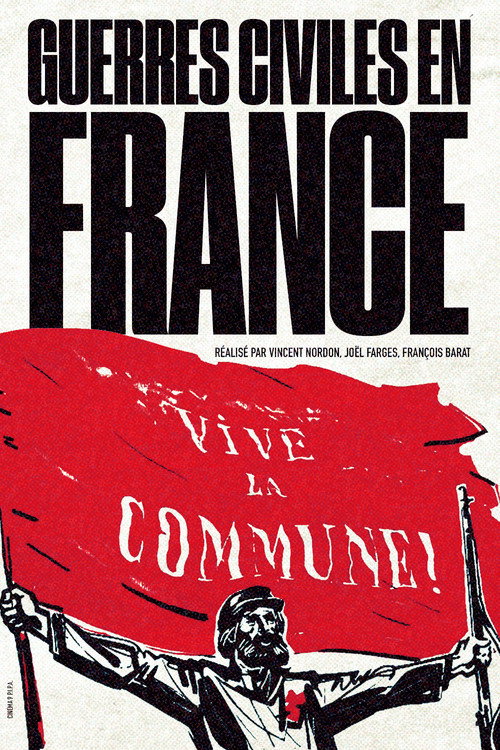
Three episodes from the history of socialism: Babeuf, whose virulent discourse is a radical assessment of the bourgeois revolution of 1789 (Vincent Nordon episode); the legend of Napoleon I, or the formation of the state as it still dominates today (François Barat episode); and the carnage of the Paris Commune, which official history strives to repress and forget (Joël Farges episode). What does it mean to make a historical film today? It means illuminating the present in the light of the past, and therefore adopting the new modes of modern storytelling to challenge what dominates us, structures us, and oppresses us.
Eva is a singer in a Noah's Ark themed nightclub, where the guests wear animal masks. She is approached by a stranger who claims to know her and to remember her singing Mozart.