Acting
Fitil is a popular Soviet/Russian television satirical/comedy short film series which ran for about 500 episodes. Some of the episodes were aimed at children, and were called Фитилёк, Fitilyok, Little Fuse. Each issue contained from the few short segments: documentary, fictional and animated ones. Directed by various artists, including Leonid Gaidai who presented his famous trio of Nikulin, Vitsin and Morgunov into the cast. It was called in USSR as "the anecdotes from the Soviet government".
The children's humorous film magazine "Yeralash" is a one-of-a-kind work of cinematography that ironically approaches the solution of everyday problems, focusing on the views and needs of modern society, allowing different generations to achieve mutual understanding.
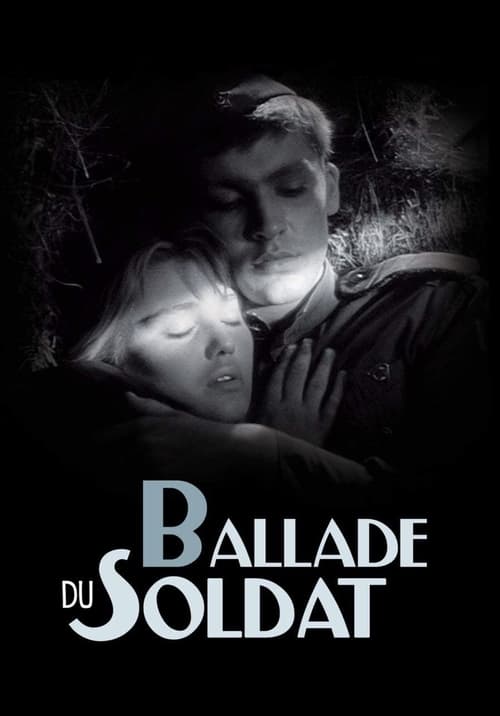
During World War II, earnest young Russian soldier Alyosha Skvortsov is rewarded with a short leave of absence for performing a heroic deed on the battlefield. Feeling homesick, he decides to visit his mother. Due to his kindhearted nature, however, Alyosha is repeatedly sidetracked by his efforts to help those he encounters, including a lovely girl named Shura. In his tour of a country devastated by war, he struggles to keep hope alive.
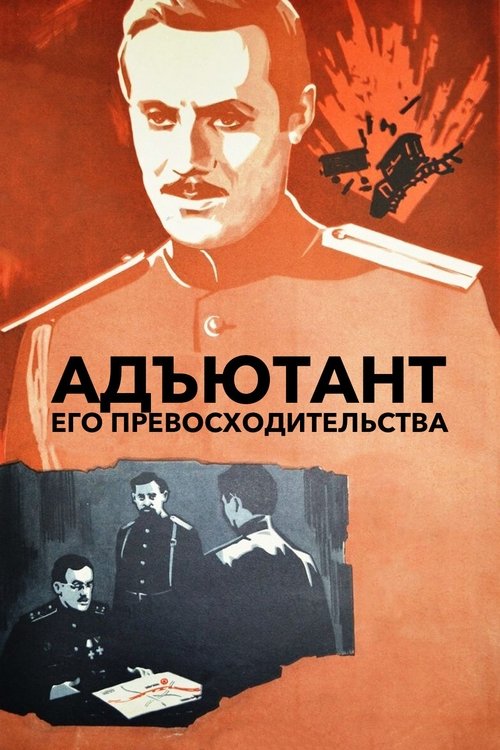
Yuri Solomin in the military-adventure film about the fate of red scout Koltsov, who in 1919 was sent with the special sssignments into Denikin's army headquarters, where he became adjutant of the commander. The film not only tells about the operations brilliantly conducted by Koltsov, but also reveals the complex inner world of characters who lived in the controversial and tragic time.
No description available.
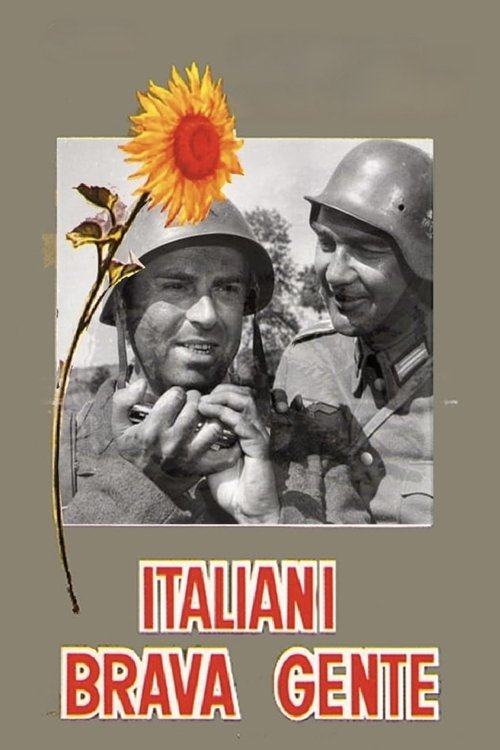
Chronicle of the unheralded and unsuccessful invasion of the Soviet Union by the Italian army during World War II.
A young astronomer is becoming more of administrator instead of concentrating on science.
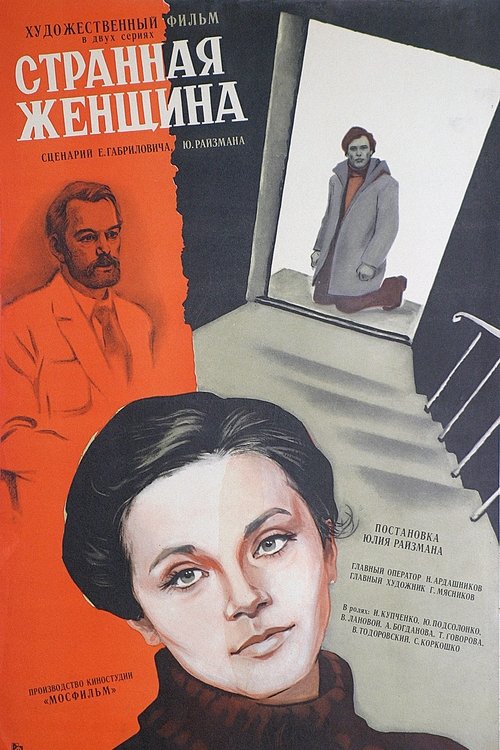
Irina Kupchenko stars in this psychological drama by the renowned director/writer team of Yuli Raizman and Yevgeny Gabrilovich. In the story, she is the entirely respectable wife of a career diplomat, with a teenaged son. Suddenly one day, she decides to leave her marriage and go live with her lover.
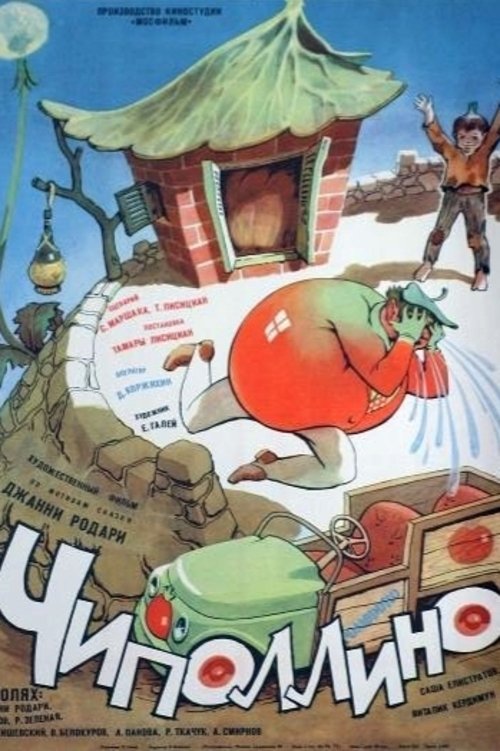
In a world inhabited by anthropomorphic produce, Cipollino fights the unjust treatment of his fellow vegetable townsfolk by the fruit royalty (Prince Lemon and the overly proud Lord Tomato) in the garden kingdom.
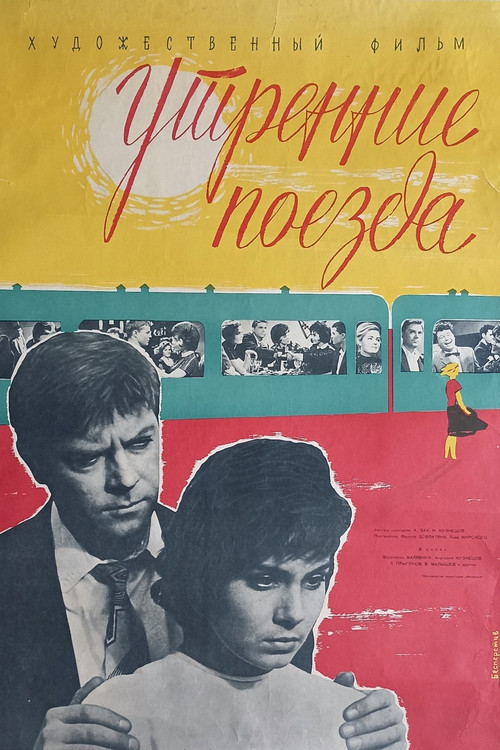
The film is about the working youth of a giant factory in Moscow - the story of a young girl Asya, who had to endure a lot of disappointments before she found true friends
Fascist Italy's prime-minister Mussolini is arrested following the Allies landing in Sicily. Meanwhile, Soviet troops plan their offense towards Kyiv. Lt. Col. Lukin's regiment crosses the Dnieper river as the division's vanguard. Unbeknownst to them, they're merely a ploy to mislead the Germans so the rest of the army can catch them off guard.
The very first work of a young scientist Igor Panteleyev caused a sensation. Not surprisingly, they are interested in foreign intelligence. Soviet security officers are taking measures to protect the scientist. The name of Panteleyev disappears from the pages of newspapers and magazines. The scientist is transferred to work in another research institute, changing his surname to Evdokimov. But due to chance, foreign spies found a researcher.
The war is drawing to a close, soldiers demobilized from wounds are returning to their homelands. What awaits them in their native villages?
Maria Alexandrovna, a teacher in a boarding school, is already under forty, and now she finally gets the opportunity to arrange her personal life. But the person with whom she wants to connect her life lives far away, and she will have to part with her sixth grade - the children with whom she replaced her parents. Children behave differently in this difficult situation - from altruism to inner protest and even risking their lives in order to keep their beloved teacher ...
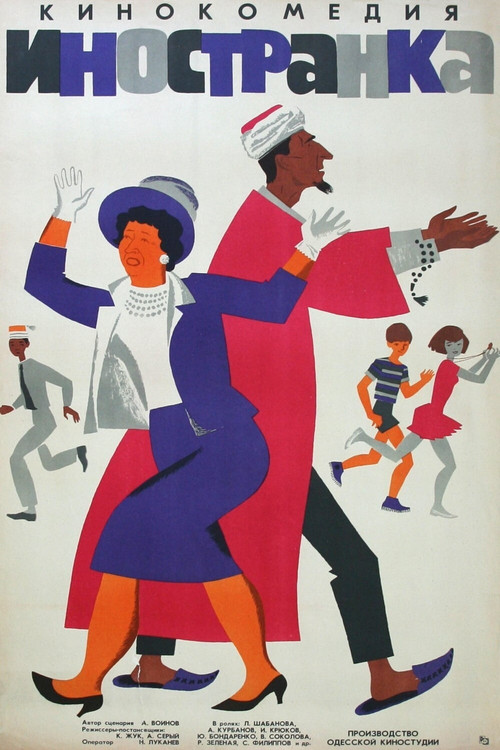
Hoping to receive compensation for the house belonging to her before the revolution, Madame Joubert comes to Odessa with her granddaughter Madeleine. While Madame is at war with enterprising Odessa citizens, her granddaughter meets Soviet peers and realizes the advantages of socialism.
The film tells about Anton Pavlovich Chekhov. October 17, 1896. On the facade of the Alexandrinsky Theater — a poster about the premiere of "The Seagull". A few hours are left before the performance. Chekhov and his sister Masha are expecting Lika Mizinova from Moscow station to arrive from Moscow. Chekhov is alarmed by the upcoming premiere, excited by the meeting with love, which never took place. Memories of acquaintance with Lika, of the experiences caused by the rude scolding of newspaper men who predicted the young writer the inglorious "death under the fence", about the unexpected decision for everyone to go to Sakhalin...
Four parallel stories: "Ship", "Port", "Pompeia" and "Theater" are connected with the fate of the captain of a training warship Andrei Glebov, who visited a foreign port city.
Eight-grader Petya Kopeikin, despite his short stature and nondescript appearance, is constantly in the spotlight. Petya is noble, witty, well versed in literature, he writes wonderful poems. Kopeikin has long been secretly in love with his classmate Masha Goroshkina, and she is passionate about the new student from 9 "A" Kolya Kristallov. Masha tells Petya about her feelings and asks him to hand over a note to Kolya. Deeply worried from unrequited love, Petya not only doesn't stand in the way of a happier rival, but even helps him win Masha's heart. He wants to prove that courage and honor were not only inherent in the times of “musketeer” novels, but exist in our time. Petya chooses to follow the example of the hero of the famous play Edmond Rostan and in his actions copies Cyrano de Bergerac.
A young Muscovite spends his vacation in a small Abkhazian village. The joys and sorrows, everyday life and holidays of the villagers invade his life, and he becomes an active participant in them.