Catarina Romano
Directing
Known For

During a sun-soaked Sicilian summer, aimless filmmaking undergrad and back-seat radical Tanino has a fling with Sally, a dreamy American tourist from an upper background. When summer ends, Sally flies back home, without ever reaching out. Clueless, a smitten Tanino decides to pay her a surprise visit under the pretense of returning a camera she left behind. But when he gets there, he quickly realizes the reality of America—and his relationship with Sally's—is far from the idealized version his small-town boy imagination conjured.
My Name Is Tanino
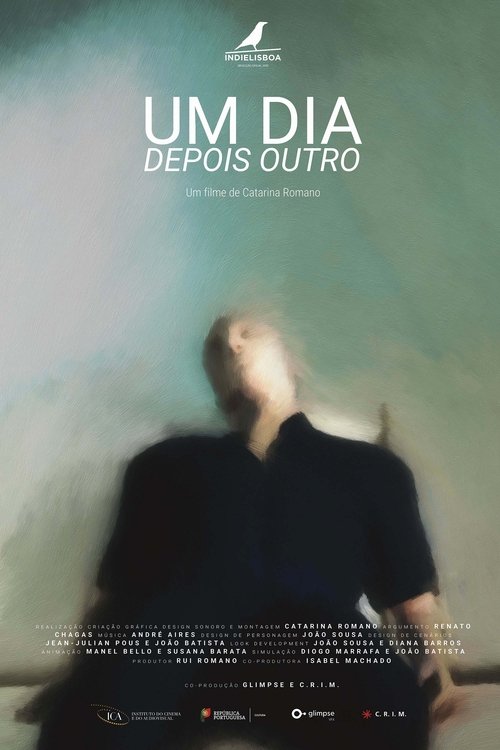
One day, then another, a worker in an automated factory does his job and forgets his past. The factory fails. Accuses. He runs away. One day, but then another, the man sees through his memory to a disconcerting reality.
One Day, Then Another
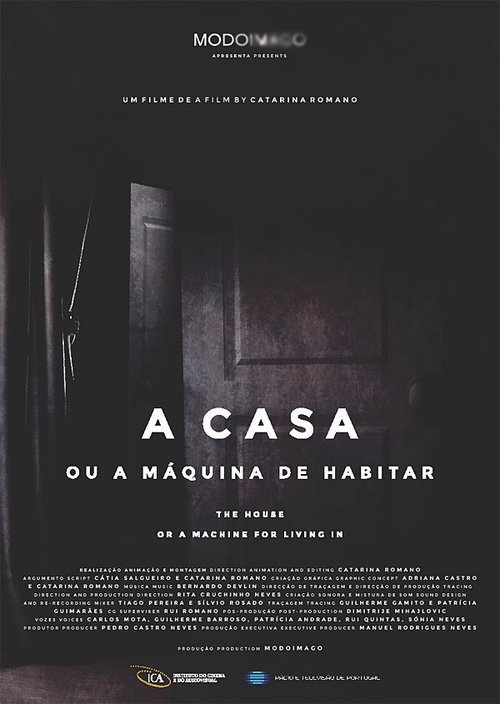
People speak in conversations and banal situations, a loose, uncompromising, though sometimes tense and timid speech. It is these voices that tell minimal stories that the image unmasks, multiplies or breathes: universes that are people-house (or house-people) are anchored in boxes, bodies, secrets, desires, looks or in the ephemerality of the stories. In this flow, we access unstable territories, places of being in permanent construction - the inner house of each one.
The House or a Machine for Living in

A film about loneliness and identically repeated days that, before being days, are a set of identically repeated small gestures, and on top of that, the silence that announces the absence. In Catarina Romano’s “Howsoever”, a woman has been locked inside her house for a long time, unemployed, locked outside the possibilities of her time, locked inside herself.