Jimmy Little
Acting
Biography
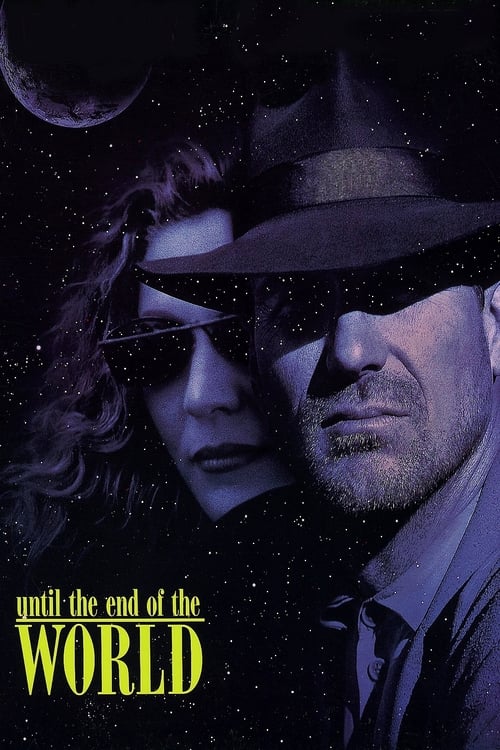
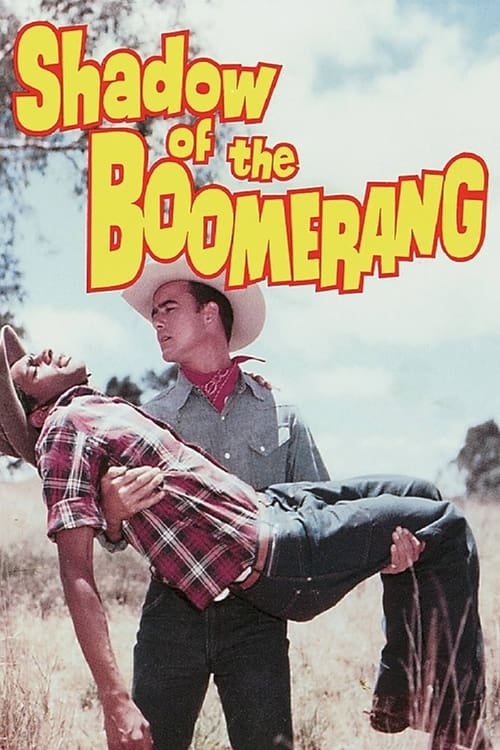
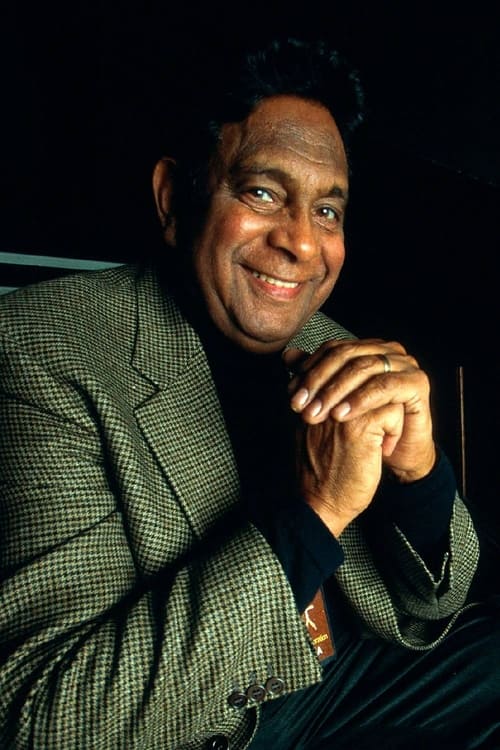
Description taken from English Wikipedia. James Oswald Little, AO (1 March 1937 – 2 April 2012) was an Australian Aboriginal musician, actor and teacher, who was a member of the Yorta Yorta tribe and was raised on the Cummeragunja Reserve, New South Wales. Little started his professional career in 1951, as a singer-songwriter and guitarist, which spanned six decades. For many years he was the main Aboriginal star on the Australian music scene. His music was influenced by Nat King Cole, Johnny Mathis and American country music artist Jim Reeves. His gospel song "Royal Telephone" (1963) sold over 75,000 copies, and his most popular album, Messenger, peaked at No. 26 in 1999 on the ARIA Albums Chart. At the ARIA Music Awards of 1999, Little was inducted into the ARIA Hall of Fame and won an ARIA Award for Best Adult Contemporary Album. On Australia Day (26 January) 2004, he was made an Officer of the Order of Australia with the citation, "For service to the entertainment industry as a singer, recording artist and songwriter and to the community through reconciliation and as an ambassador for Indigenous culture". As an actor, he appeared in the films Shadow of the Boomerang (1960) and Until the End of the World (1991), in the theatre production Black Cockatoos and in the opera Black River. As a teacher, from 1985, he worked at the Eora Centre in Redfern and from 2000 was a guest lecturer at the University of Sydney's Koori Centre.