Acting
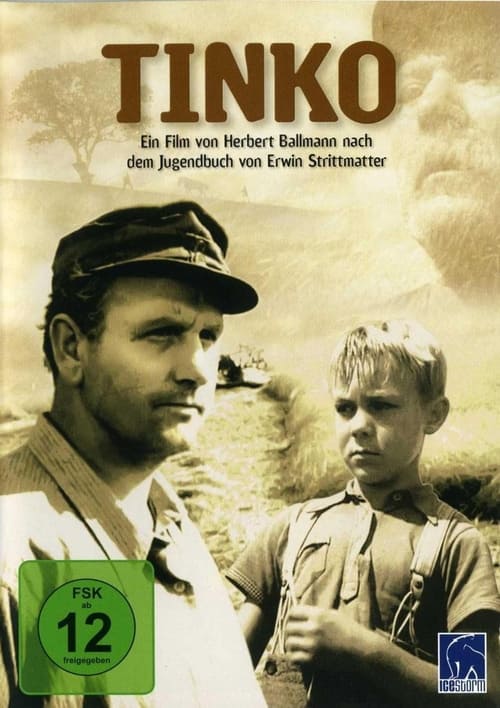
After 1945, land reform forces Old Kraske to become an agricultural worker, but he continues to work on his own, flatly refusing to join any collective farming activities. He desperately wants a large-scale farm like Kimpel's in order to pass it on to his adored grandson, Tinko. When Kraske's son Ernst returns from a POW camp and gives his support to the new communal project, tensions arise within the family and little Tinko is caught in the middle.
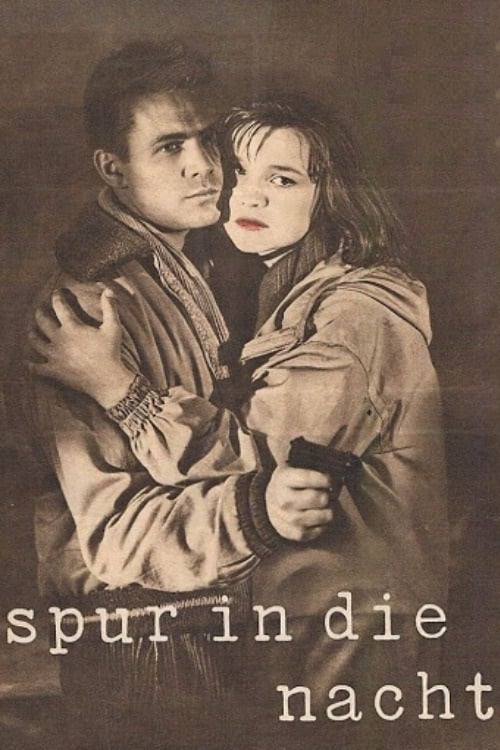
The bricklayer Ulli has received a letter from his girlfriend Sabine asking him to come to her from Berlin as soon as possible. Sabine works as a sales clerk in a small village in the Zittau Mountains near the border with Czechoslovakia. However, when Ulli arrives at the station, Sabine is not waiting for him. He goes alone to the Fuchsbau inn. Sabine's friend Traudel only knows that Sabine has made her way to the station. When she notices that Sabine's room has been cleared out, she calls the police. All the police find in Sabine's room is a map showing a trip to Hamburg. They now consider Sabine to be a fugitive from the republic.
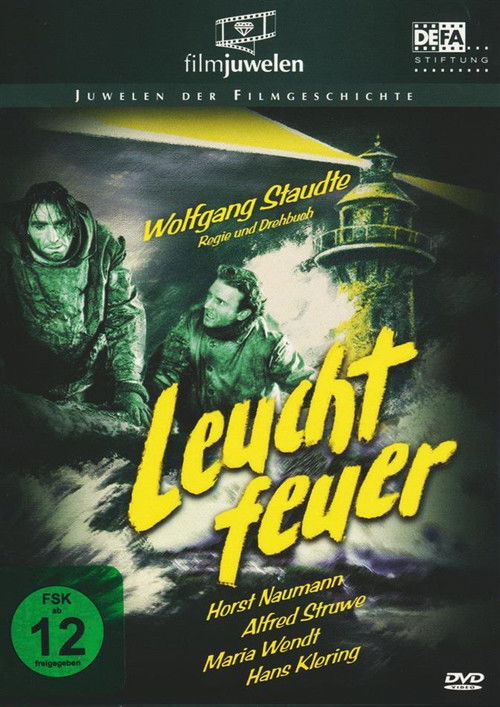
On a barren and stormy island, fishing families eke out a meager existence on what they can catch during summer, and what washes ashore during winter. But little has been washing ashore of late, and their situation worsens. Elders recall how twenty years ago, when the lighthouse keeper’s beacon went dark, a cargo ship broke apart on the cliffs. It proved a bountiful accident for the fishermen. Today people on the island view the conscientious lighthouse keepers with evil hungry eyes...
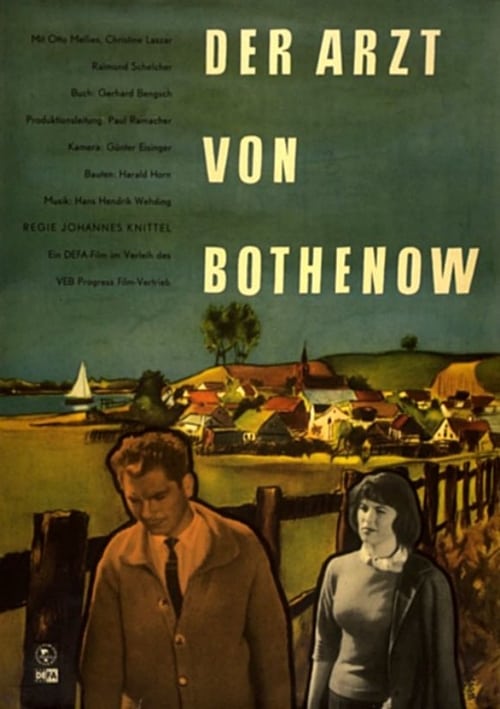
The son of a working-class man, Harry Brenner studied medicine at the ABF and quickly made a career as a doctor in Berlin. His lifestyle and his demanding wife swallow up a lot of money, so he takes on any part-time work. After a gross dereliction of duty, he is transferred to Bothenow. He meets Eva again, whom he knows from his student days and who now works here as a nurse. The two hit it off and Dr. Brenner slowly begins to change his life. In doing so, he increasingly comes into conflict with his wife. Their different views on life eventually lead to a separation.
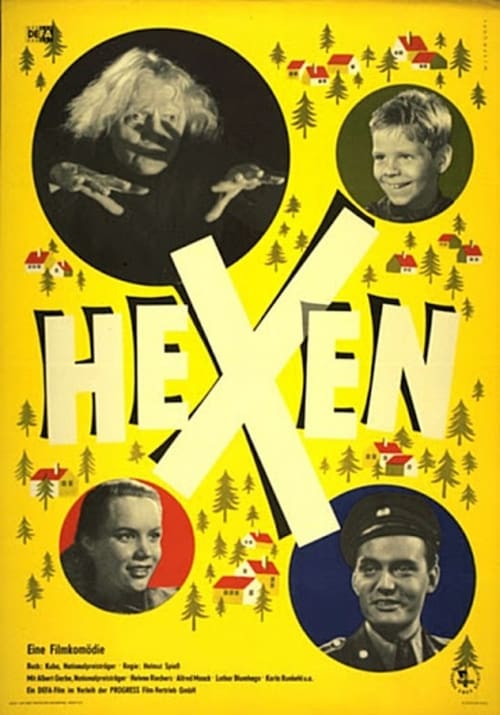
Germany in 1949: The residents of the Thuringian village Hunsdorf are still heavily influenced by archaic superstition and explain unusual events with preternatural powers. The same happens when pigs again and again disappear from different farmyards. The village residents firmly believe that witches are the reason for this mystery. Not even police detective Kühlemann who is sent to Hunsdorf is able to dissuade them from their superstition. Thus, the farmers think his investigation is aimless and they do not support him at all. With a lot of patience and well-made arguments he finally convinces little Peter that there are no witches. Next, Peter’s grandfather and teacher Marianne take Kühlemann’s side. With their support, the police detective eventually finds out the truth and is able to put a stop to the gang of crooks that had been stealing the pigs.
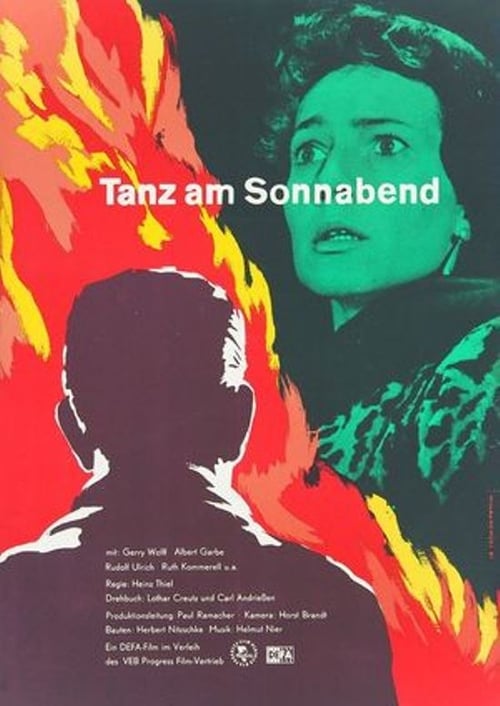
A Saturday evening dance in the village pub is interrupted when the barn of local farmer Paul Gäbler catches on fire. The farmer himself is soon found – hanged. Sawmill owner Züllich claims that Gäbler committed suicide because he was forced to join an agricultural production cooperative, but others are convinced Gäbler was murdered. Officers Schneider and Anders must navigate their way through a complex maze of personal and political motivations in order to reconstruct the crime.