Ahmed Malek
Sound
Biography
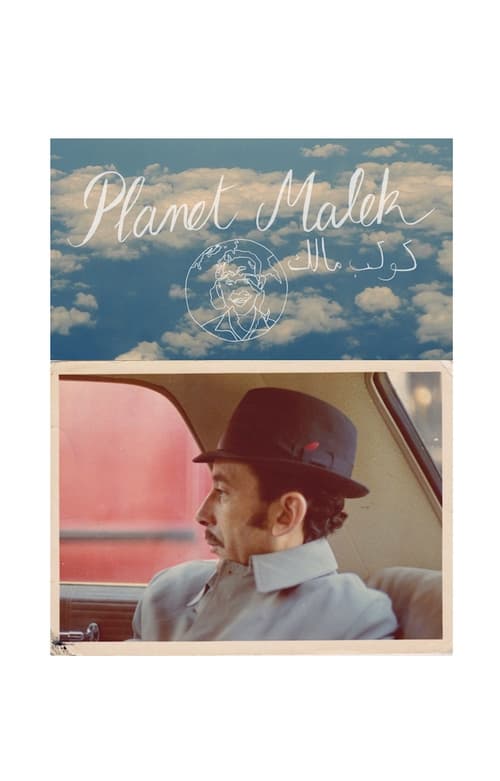
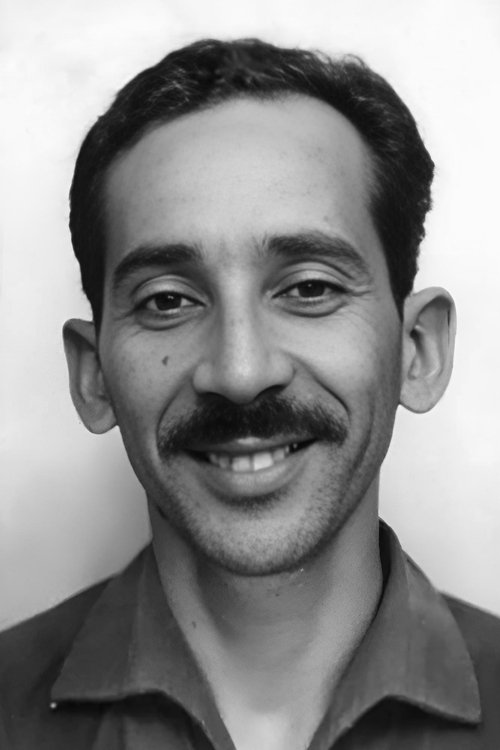
Ahmed Malek (أحمد مالك), born March 6, 1931 in Bordj El Kiffan and died July 24, 2008 in Algiers, is an Algerian artist, musician and composer. Eldest of three brothers and a sister. At a very young age, he began working in factories to help his father provide for the family. Ahmed Malek's mother died when he was 12 years old. It was then that he decided to become a musician. After completing his schooling, he enrolled at the Algiers Conservatory. Very early on, he was recognized by his peers and won numerous international and national awards. The “First Prize for Arts and Letters for Composition”, in 1972, the gold medal at the “Panafrican Festival”, in 1976, and the “National Merit Prize for musical composition”, in 1987. He composed for television shows, documentaries and especially for cinema, film music. He was also interested in the use of new technologies in music (MAO, synthesis, etc.), thus ensuring a link between traditional Algerian music and a more modernist movement. Head of the Algerian Television Orchestra, Ahmed Malek represented Algeria in several international events such as the universal exhibitions of Japan, Canada, Cuba, Spain, in France at the Printemps de Bourges... Ambassador of Algerian culture through the world to represent his country of origin he later taught at the Algiers Conservatory and was the pioneer of electro-acoustic arrangements. By the late 1990s, his health began to deteriorate. Ahmed Malek died on July 24, 2008 at his home in El Mouradia, Algiers, at the age of 76, leaving two daughters Maya and Henya. In 2019 with the help of the musician's family, the German label Habibi Funk decided to reissue, in the form of a compilation, fourteen pieces by Ahmed Malek, including two versions of the theme from "Omar Gatlato" by Merzak Allouache. There will also be themes taken from the soundtrack of "Inspector Tahar's Vacation", the great public success of Moussa Haddad, of "Silence of the Ashes", the unique production of cinematographer Youcef Sahraoui, of "Autopsy of 'Un Plot' by Mohamed Slim Riad and 'Un Toit, Une Famille' by Rabah Laradji. The Algerian Cinematheque in Algiers paid tribute to him with a retrospective in 2021, “Ahmed Malek, the Algerian Ennio Morricone”, and the Museum of Modern and Contemporary Art of Algiers in 2019, “Planète Malek – A Retrospective”: an exhibition archives of composer and musician Ahmed Malek.
Known For

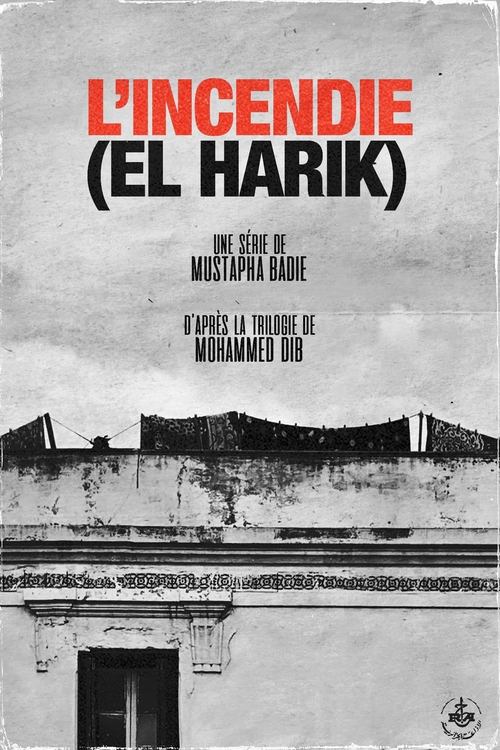
In 1939 in eastern Algeria, Omar, a young boy of ten, lives with his family in a room in Dar Sbitar, a house shared by several families who overcome the trials they go through every day to ensure their subsistence. Her deceased father is Aïni, the mother, who bleeds herself from all four veins to keep her children and their grandmother alive. The families of Dar Sbitar share their intimacy and their daily life, this life animates the big house, which itself becomes a character in its own right. "El Harik" (The Fire), is an Algerian drama series in 10 episodes adapted from Mohamed Dib's trilogy "The Big House", "The Fire" and "The Loom".
L’Incendie (El Harik)

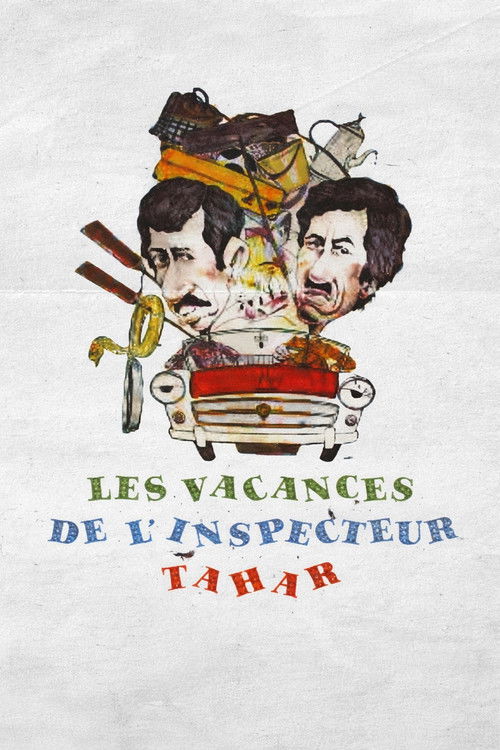
Inspector Tahar and his apprentice are invited by Mama Traki, a popular Tunisian heroine, to spend their vacation in Tunis. Before leaving Algiers, they stop at a tourist complex where a murder has just been committed. The investigation full of surprises and twists and turns will take them to Tunis where they will find Ommi Traki and his family...
Inspector Tahar's Holiday

An Algerian social satire that tells the story of Boujemaa, who marries a second wife in addition to his first wife, who is ill and with whom he has a son and a daughter. Living all under the same roof, the new wife imposes her authority in the house. The lives of the family members are then turned upside down.
Deux Femmes

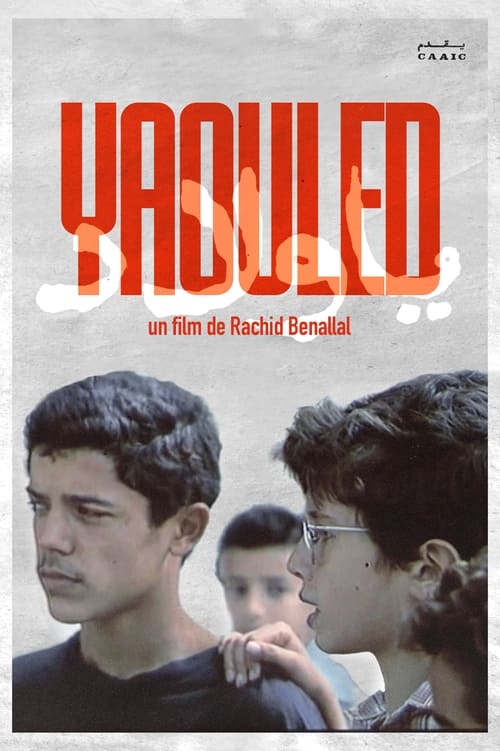
A young Arab boy, a teenager "Yaouled", who lives on the streets and scrapes by doing odd jobs: shoe shining, street vending, etc. The film tells the story of a group of yaouleds from the Bab-el-Oued neighborhood, caught in the crossfire between the French settlers on one side and the Algerians on the other during the events of July 1962 in Algeria.
Yaouled

The story of Hassan, the handyman in the inn of his sister Aïcha, widowed and childless. A whole series of incidents, misunderstandings, will punctuate his daily routine in which we find him in turn driver, waiter, welder, etc. But, he refuses to submit to anything that does not conform to the idea he has of society and things...
Hassan Niya

In one of the tribes of the Algerian Sahara, everyone awaits the arrival of the hero who will defend the rights of the poor. A man decides one day to put the mark of the "hero" on his newborn son and the whole tribe celebrates the arrival of this eagerly awaited messiah who came to save them. This false hero then grows up by assuming his role of savior. Filled with cynicism, he crosses the countryside and has a number of adventures.
The Adventures of a Hero

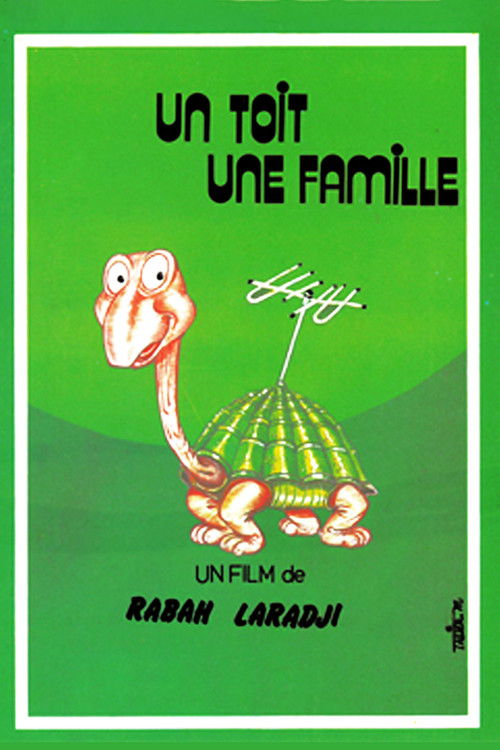
Selim Mechoubine, a young man of 28, is the eldest of a large family. In the cramped accommodation he shares with his parents, brothers and sisters... he occupies the kitchen, the refuge of his dreams and his many fantasies. Selim, the court clerk where divorcing couples parade..., wants to get married. His mother finds him “the rare pearl”. But now, the bride's family demands that the couple have their own home... Selim's misadventure begins; he finds himself confronted with the problems of the housing crisis which forces him to begin a long quest, procedures, requests to find the sine qua non condition for his marriage.
One Roof, One Family

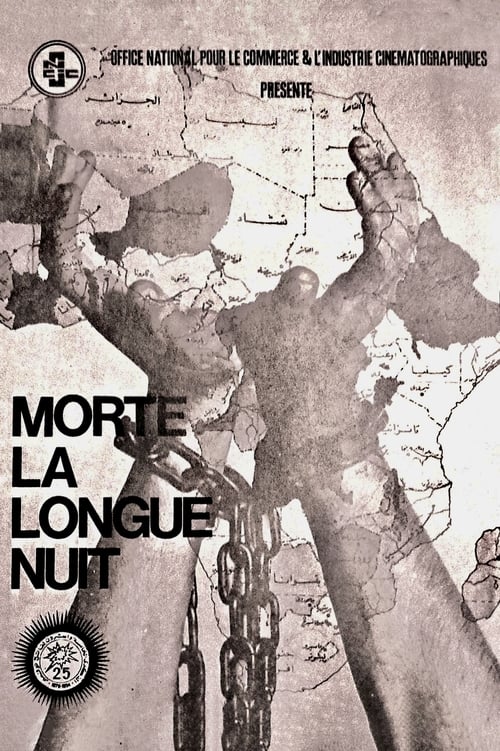
Composed of archive images narrated by the writer, anthropologist and linguist Mouloud Mammeri, the film offers a reflection on the anti-colonialist and anti-imperialist struggle movements of the 1970s around the world.
Dead the Long Night

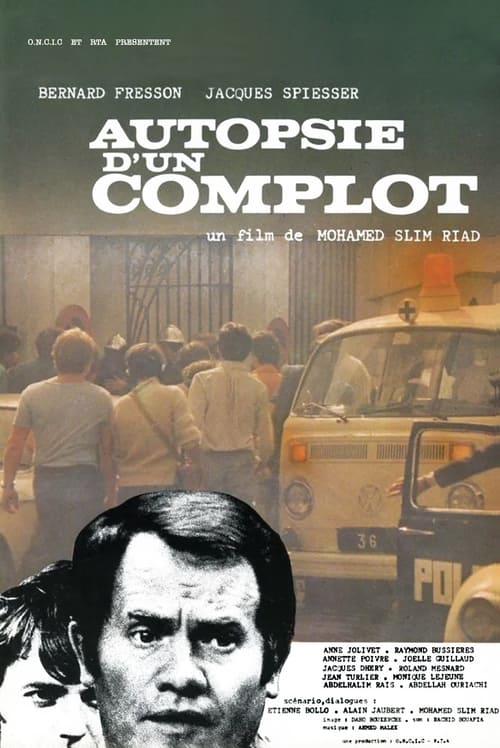
Terrorists blow up the consulate of an Arab country, before a journalist uncovers a larger conspiracy. The film is based on "Scorpion, autopsie d'un complot" by Etienne Bolo and Alain Jaubert (Balland, 1978), which tells the story of a plot targeting Algeria after the nationalization of hydrocarbons during Valéry Giscard d'Estaing's seven-year term.
Autopsie d’un complot

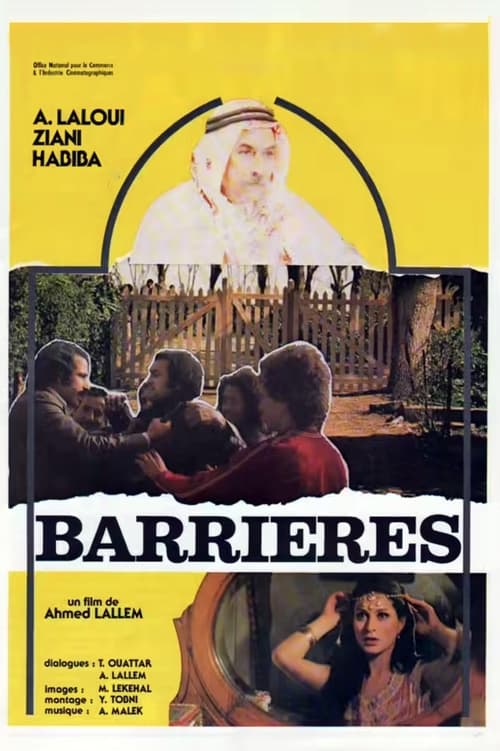
Tahar, son of a wealthy family, is trying to preserve his privileged status despite the social changes brought about by the revolution. Tinted with historical symbolism, the film tells of the disaggregation of a feudal family when the father died.
Barrières

While trying by all means to stay out of the bloody turmoil caused by the Battle of Algiers, Hassan, an honest and naive family man, is wrongfully accused of terrorism by the French colonial army in "Hassan Terro." After escaping in "The Escape of Hassan Terro," Hassan is forced to join the resistance in "Hassan Terro in the Maquis."
Hassan Terro au Maquis

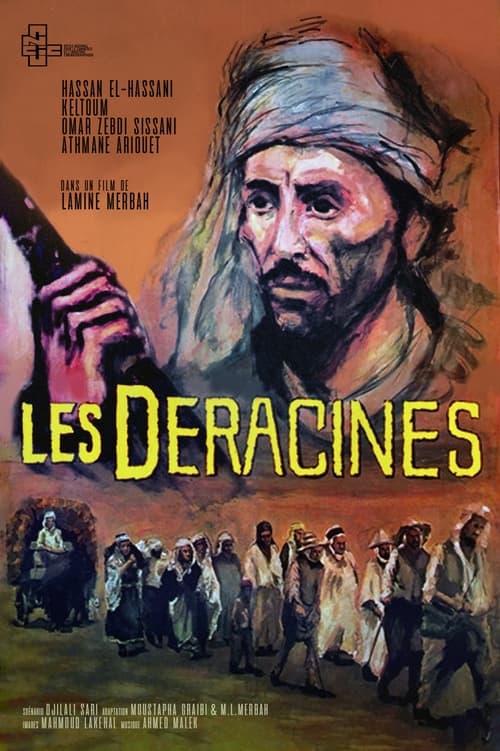
In 1880, in colonized Algeria, it was decided that the Algerian peasants of the Ouarsenis mountains would see their lands dispossessed in favor of the French colonists. Two methods were used to achieve this, either by sheer force or by a ploy forcing the fellahs to pay fines too high to be paid. The uprooted must then leave for the cities, swelling the mass of proletarians in the slums ...
The Uprooted

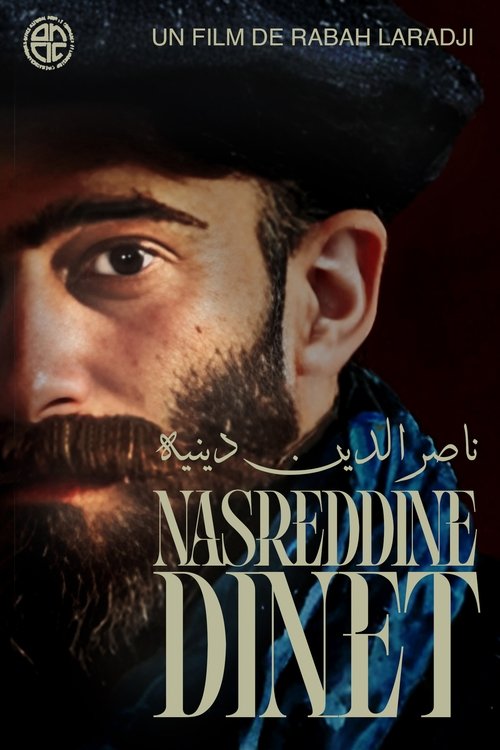
Étienne Dinet (إتيان دينيه), born March 28, 1861 in Paris, where he died on December 24, 1929, was a French painter and lithographer. He was one of the leading representatives of Orientalist painting at the turn of the 19th and 20th centuries. Obtaining a scholarship in 1884, Dinet undertook his first trip to southern Algeria in the region of Bou-Saâda, the Naili culture having a profound impact on him, as he would return there many times until he settled in his first Algerian studio in Biskra in 1900. In 1905, he bought a house in Bou-Saâda to spend three-quarters of the year there. In 1907, on his advice, the Villa Abd-el-Tif was created in Algiers, modeled on the Villa Medici in Rome. Having lived much of his life in Algeria, he called himself Nasreddine Dinet (نصر الدين ديني) after converting to Islam. On January 12, 1930, he was buried in the Bou-Saâda cemetery, where a museum that houses many of his works bears his name.
نصر الدين ديني

Around 1980, in Tunisia, Si Béchir, an old craftsman, sold his house and left the medina of Tunis with his family to settle in a new city on the outskirts of the capital. With his son Ali and his niece Aziza, the old man discovers a new way of life in a Tunisia in full change. Aziza becomes friends with Aïcha, a young actress, while Ali continues to fail in his little businesses. The arrival of a sheikh from the Persian Gulf will fuel all the desires in the city, including those of Ali. But the dream is short-lived.
Aziza

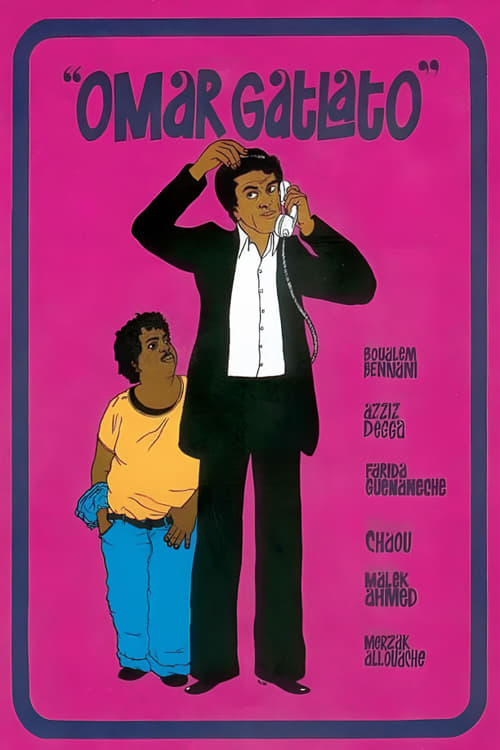
Omar, a young man, lives a simple life with his family and suffers from loneliness. His life changes when he tries to bond with a girl he barely knows.
Omar Gatlato

Moussa, a young Franco-Algerian, returns to Algeria, but adapting to life in his country of origin proves difficult. Just as he is about to leave for France, he is called up for military service, which suits him fine because he is secretly in love with the beautiful Nacira.
Moussa's Wedding

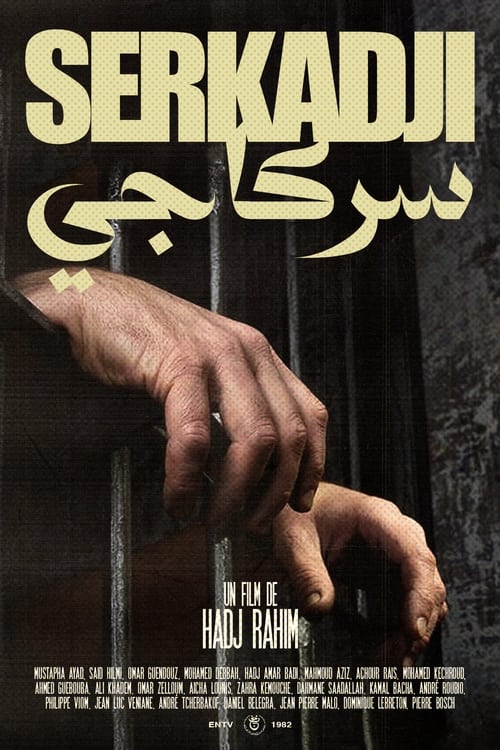
In 1982, Hadj Rahim directed "Serkadji", a fiction film about the men's quarters of the Barberousse military prison in Algiers, where hundreds of FLN fighters were incarcerated and executed during the war of independence. Algeria between 1954 and 1962.
Serkadji

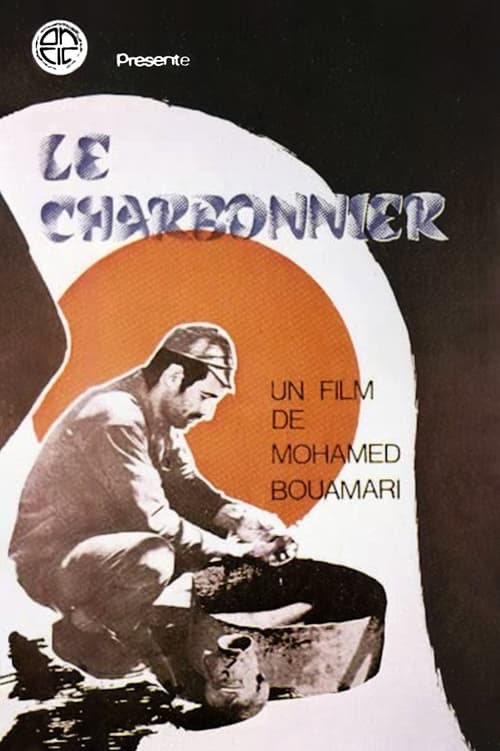
Film describes the miserable existence of a charcoal-burner who is barely able to feed his family. His search for work in town ends in failure and he is forced to return to his village.
The Charcoal Maker

The story of Algerian women trying to live in 1970s Algeria where the society is between conservative values and progressive modern Algeria.
Leila and the Others

Beginning with a promotional reel encouraging farming investments in Algeria and ending with the secret 1950s nuclear tests that France conducted using Algerian prisoners, How Much I Love You appropriates archival footage produced by the French colonial powers in Algeria. Meddour’s approach is disarmingly simple and yet awe-inspiring—his caustic undoing of colonial discourse is underscored by a liberating release of humor.