David Blandy
Directing
Known For
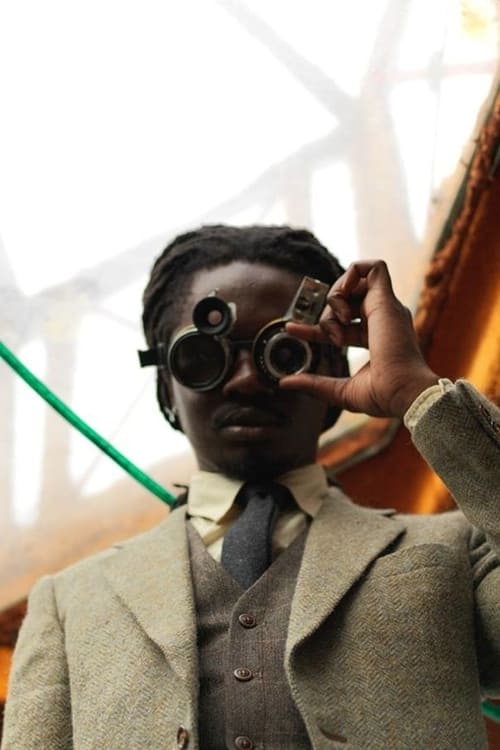
‘Finding Fanon’ is the first part in a series of works by artists Larry Achiampong and David Blandy; inspired by the lost plays of Frantz Fanon, (1925-1961) a politically radical humanist whose practice dealt with the psychopathology of colonisation and the social and cultural consequences of decolonisation. In the film, the two artists negotiate Fanon’s ideas, examining the politics of race, racism and the post-colonial, and how these societal issues affect their relationship. Their conflict is played out through a script that melds found texts and personal testimony, transposing their drama to a junkyard houseboat at an unspecified time in the future. Navigating the past, present and future, Achiampong and Blandy question the promise of globalisation, recognising its impact on their own heritage.
Finding Fanon 1

'Finding Fanon 2' collides art-house cinema with digital culture’s Machinima, resulting in a work that explores the post-colonial condition from inside a simulated environment – the Grand Theft Auto 5 in-game video editor. This video work combines several stories, including how the artists’ familial histories relate to colonial history, an examination of how their relationship is formed through the virtual space, and thoughts on the implications of the post-human condition. The Finding Fanon series is inspired by the lost plays of Frantz Fanon, (1925-1961) a politically radical humanist whose practice dealt with the psychopathology of colonisation and the social and cultural consequences of decolonisation. Throughout the series, Achiampong and Blandy negotiate Fanon’s ideas, examining the politics of race, racism and decolonisation, and how these societal issues affect our relationship amidst an age of new technology, popular culture and globalisation.
Finding Fanon 2
"Through the appropriation of the soundtrack to Mike Leigh’s Secrets and Lies, I try to question the possibility of genuine emotion: what is the difference between a performance artist and an actor, when is art autobiography and when is it an act of self-mythologisation?" David Blandy
Secrets and Lies
A young girl and her father travel to Hiroshima, visiting its gardens, shops, museums, cafes. Across this journey, their family’s past—and its overwhelming intertwinement with the history of the city’s atomic bombing—unfolds at the alternated pace of apocalyptic Manga imagery and serene images of father and daughter’s wanders.
Child of the Atom

This work builds on a series which uses the form of online video tutorials to explore ideas around patterns in nature and existence. Each of them begins with Blandy giving a step-by-step tutorial explaining how to make a short video about a specific subject, only using the tools available via a computer – through the Internet and video editing software to video games.
How to Fly
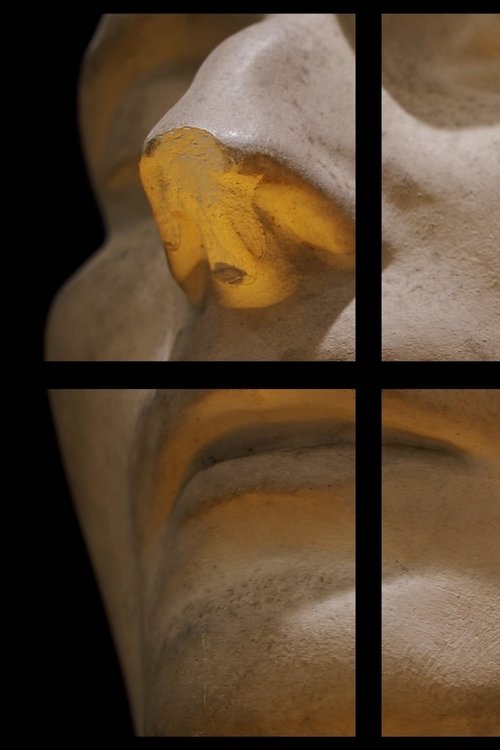
The history of eugenics and explore its present-day legacy in philosophical, poetic and polemic terms. Filmed in two halves, the first is voiced by Blandy, who is white and middle class, born in London, of English heritage. He alludes to intelligence tests, racist and sexist discrimination, and the systemic use of sterilisation across the Western world, all under the guise of objective science. In the second half of the film, a lyrical yet powerful account that questions the limits of empathy in the struggle against injustice, suggesting that what is needed is not simply solidarity but real change, which would necessitate the demolition of generations of privilege. This part of the film visually invites the viewers into an immersive videogame environment following a large spider as it travels different landscapes.
_GOD_MODE_

Sunspot (2023) shows two lives and two observatories, one in Los Angeles, one in Tokyo. Using archival imagery, the film tells the tale of two sunspot observers both making drawings of the same sun on the day the Hiroshima bomb killed 100,000 people on August 6th, 1945. The film reflects on the forms and uses of light, from the light reflecting in a mirror to look at the sun and into space, the white hollow light of the bomb, and the light shone through the old film footage to create the image we see now. The huge wildfire that threatened Los Angeles’ Mount Wilson Observatory becomes a mirror of the huge clouds and destruction from the atomic bomb.
Sunspot
The colonial history of archaeology, and how science has been used to justify prejudice.
Dust to Data
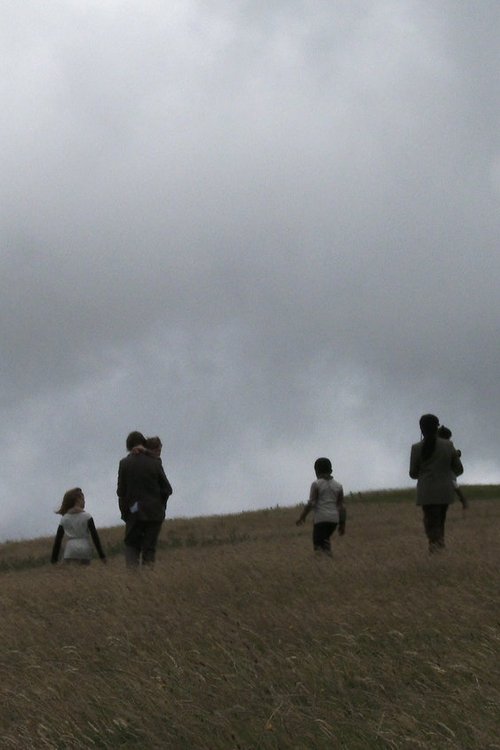
"Finding Fanon Part Three" is inspired by the lost plays of Frantz Fanon (1925–1961), a radical humanist, psychiatrist and writer whose work explored the mental distress caused by colonisation and the consequences of decolonisation. Achiampong and Blandy re-interpret Fanon’s ideas, and how the politics of race affect relationships in an age of digital technology and globalisation.