Acting
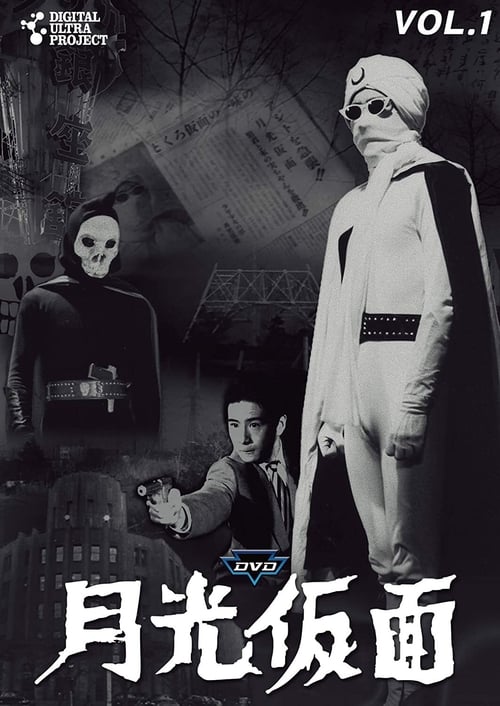
Moonlight Mask (aka Gekko Kamen), is a black and white tokusatsu TV drama series, produced by the advertising agency Senkosha and was aired on KRTV (now TBS) from February 24, 1958 to July 5, 1959, with a total of 130 (or 131) episodes, divided into 5 segments. Since the original show, Gekko Kamen has gained the popularity of being the first Japanese live action television superhero, appearing in films and TV shows well past the length of the original series.
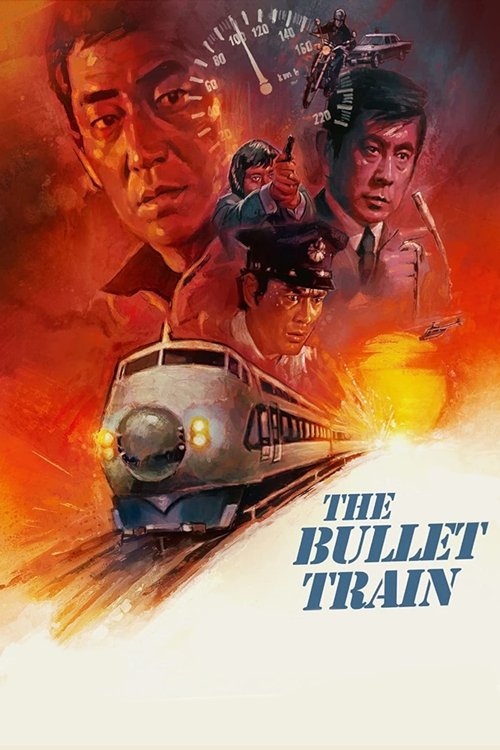
A Japanese bullet train is threatened with a bomb that will explode automatically if the train slows below 80 km/h, unless a ransom is paid. Police race to find the bombers so the train crew can learn how to defuse the bomb.
No description available.
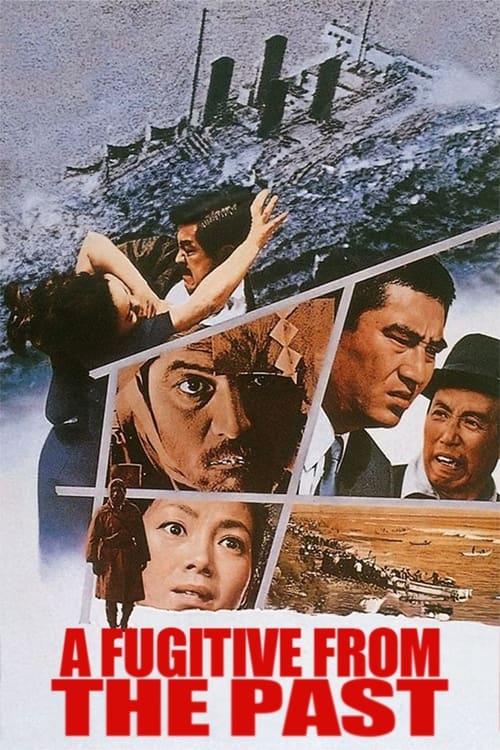
Three robbers escape with loot from a heist before one of them kills the others. Their corpses wash up near the aftermath of a maritime calamity, provoking a policeman's interest.
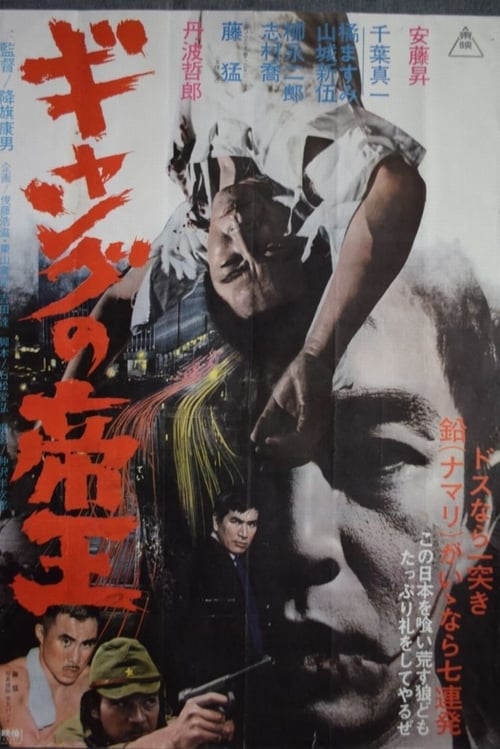
The 11th and final film in the Gang series. Most of the films had different directors and cast, and were only connected by the title and Toei's marketing department. Unlike the early entries, which were jazzy capers, this final entry is a prototype jitsuroku yakuza film. Just back from the war, Noboru Ando leads a gang of war vets turned gangster in the US occupied streets of Tokyo. They get into a conflict with a Chinese gang as well as the military police. Tetsuro Tamba appears as a police chief trying to bring peace to the streets; 1st wave pinky violence star Masumi Tachibana is a girl grieving his dead gangster father.
1963 Toei movie.
After World War II, their town was a pile of rubble. Gennosuke, the second generation boss of the Kamizu Group was upholding yakuza chivalry by keeping black-market and illegal items out of their open-air market. Taking advantage of the mess, Iwasa and his gang take hold of goods from the US military, black-market and controlled items in order to become the most powerful group in Enko area.
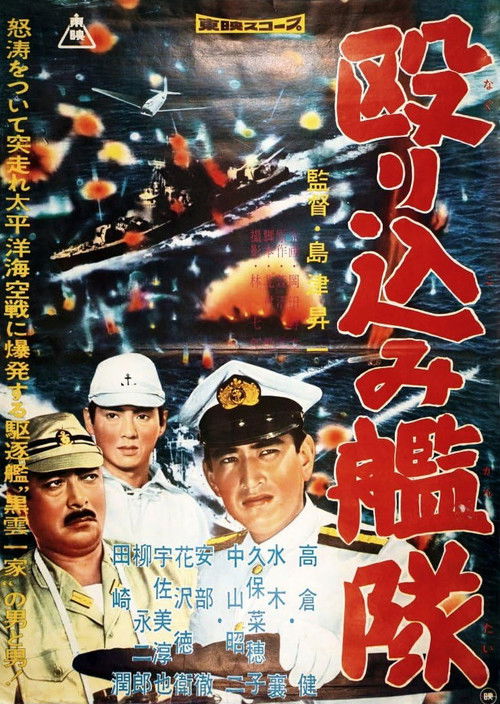
1960 Toei war movie.
On a quiet spring day in the suburbs, a stray dog found the corpse of a baby. Three days after his death, the blood group of the victim was determined. Detectives Hayashi, Kaneko, Nagata and Yamagata begin their investigation, suspecting the parents of the murdered child. They use a towel, baby diapers and bruises on the baby's body as clues in the investigation. Who killed the baby?
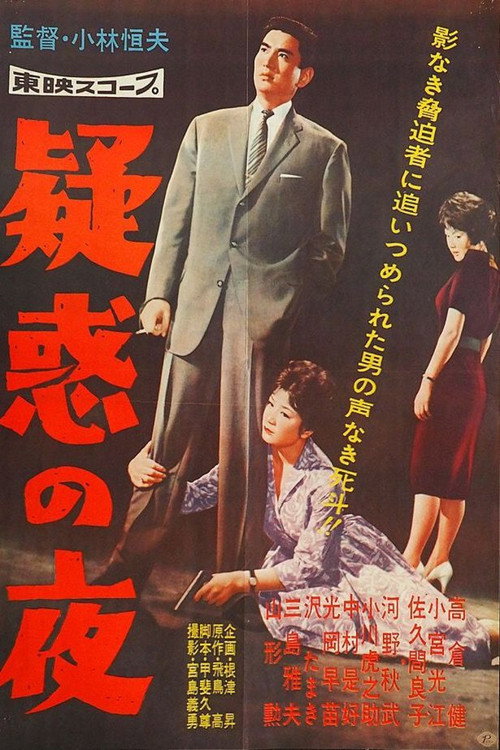
Tatsuo Torigoe, the president of Torigoe Industries, attempts suicide but survives and reveals his motives for suicide to his only daughter, Akiko.
The murder took place at a hotel in Matsushima. The victim is a woman about 28 years old. The suspect is a young man who visited her the night before, and the evidence, in addition to shoe horns and handkerchiefs, is soap with the name of the tavern. When detectives at Shiogama Station followed the man's tracks, it turned out that he had come from Ueno.
In a military family, an illegitimate son is brutalized by his brothers. A patriarchal, feudalistic household where dissent is forbidden is used to reveal the whole imperialist system that afflicted Japan between 1921 and 1946.
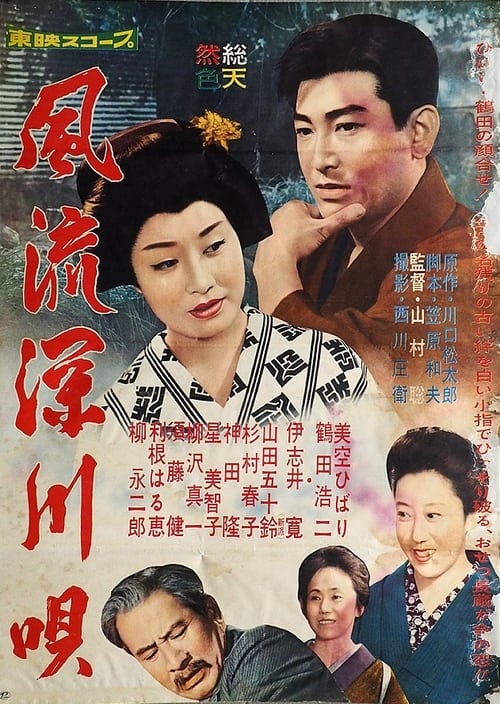
A poignant story about a young couple, Setsu and Chozo, who are torn apart to save Setsu's father's restaurant.
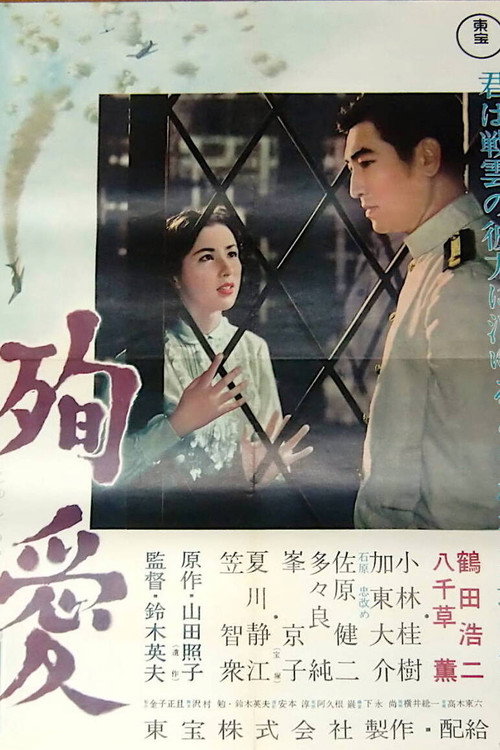
Toshiro, a naval reserve student, is a kamikaze pilot. Unsure of how long he will live, Toshiro had no intention of marrying. However, after witnessing the deaths of his comrades and experiencing air raids, he decides to marry his lover, Teruko. But one day, while piloting a kamikaze plane in place of his comrades, Toshiro's plane's wing is shot out during a fierce aerial battle.
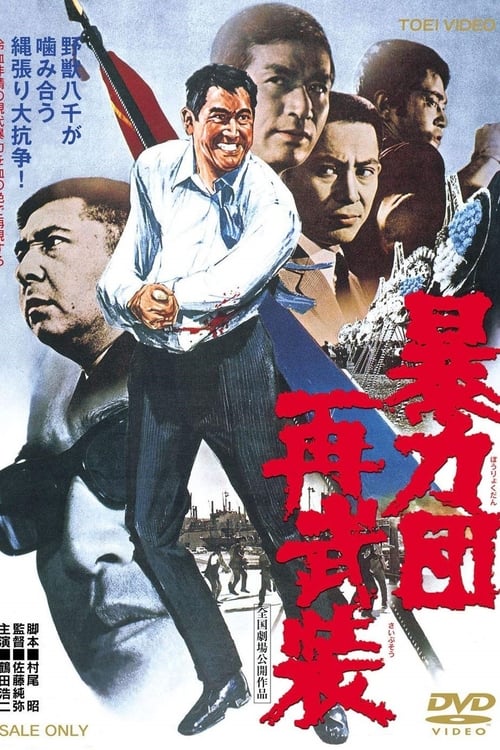
Violent Gang Re-Arms is a rousing tale of friction in yakuza and labor interactions with Koji Tsuruta as a yakuza supervising a dockworker's union. He finds himself between a rock and a hard place, at odds with both the dockworkers' leader (Tomisaburo Wakayama) and sadistic, unprincipled bosses (Fumio Watanabe and Tetsuro Tamba).
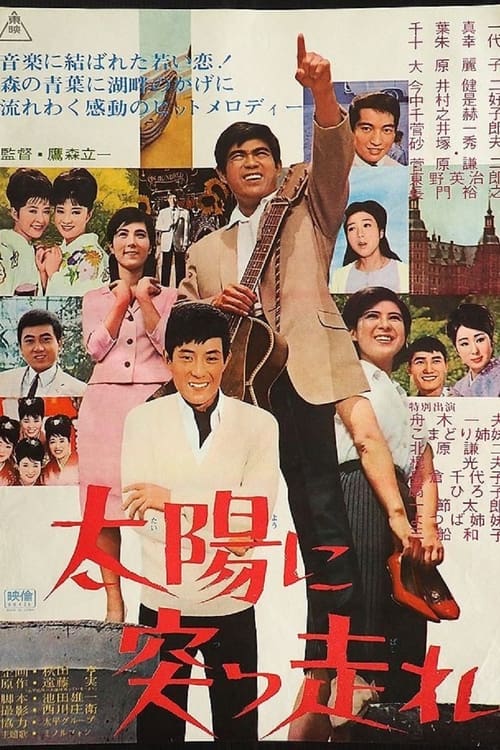
A song drama based on the autobiographical song "The sun is laughing" by composer Endo Minoru. It tells the story of a young man who moves to Tokyo with a big dream of becoming a composer, and despite the unfamiliar city life, sticks to his original intentions with the gentle encouragement of his young wife, and takes the music world by storm.
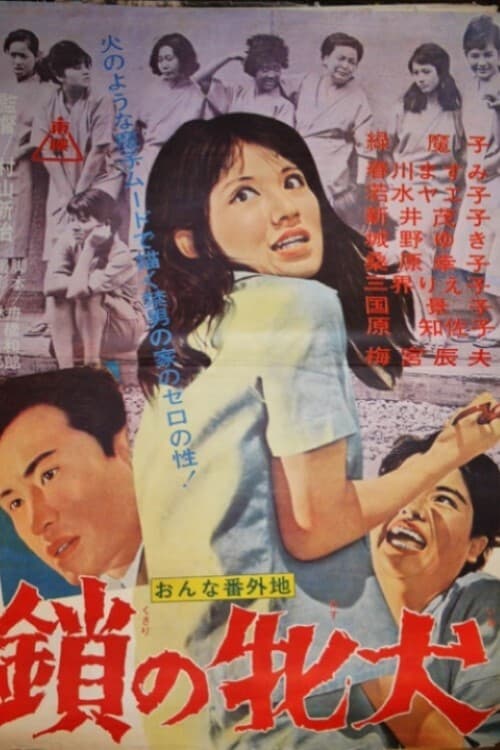
Japanese prison exploitation movie. Part 1 of the 'Onna bangaichi' series
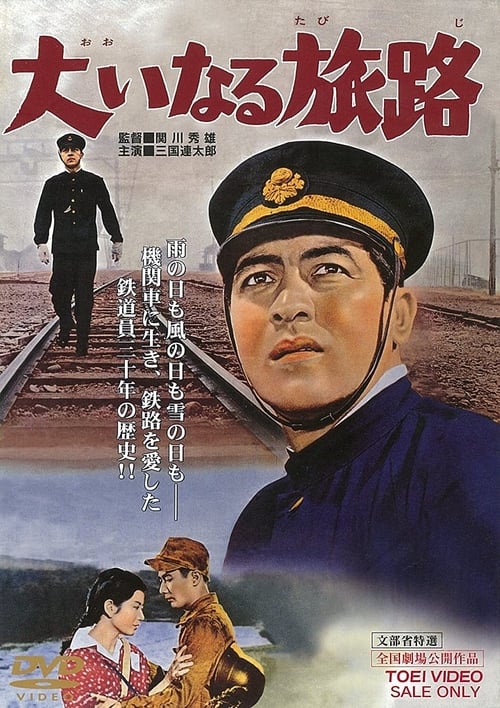
The story of a certain engineer from his youth until he retired from the Japanese National Railways after the war .
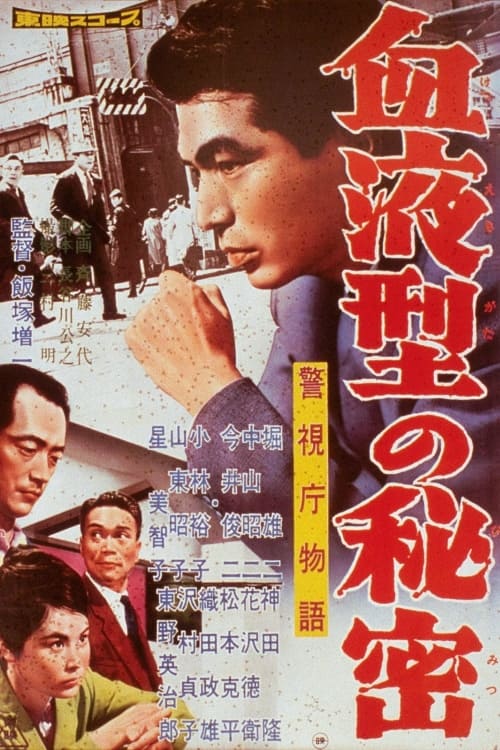
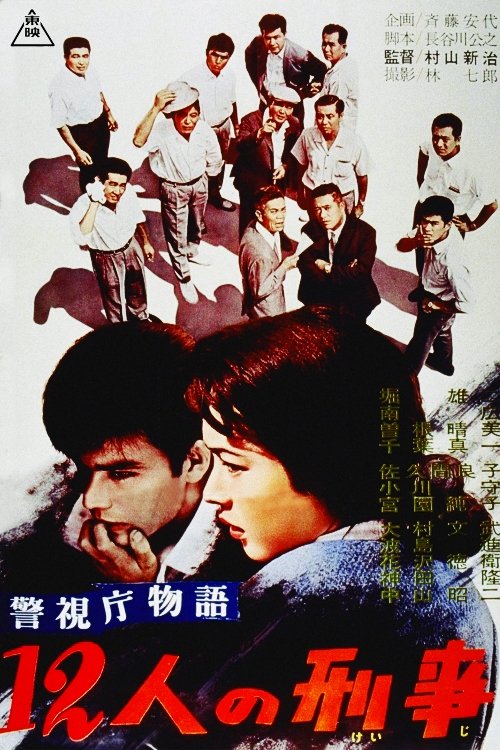
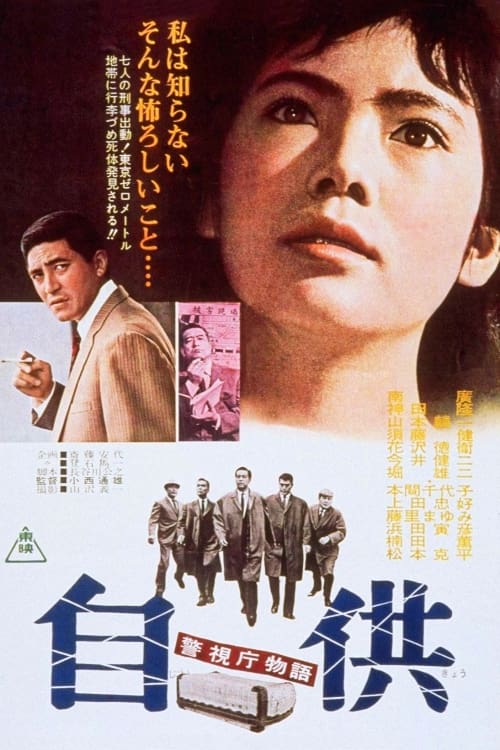
The corpse of a debt collector, Sakai, is found in the Dobu River in Tokyo. Kinoshita, a shoe shiner who was in debt to Sakai, was soon apprehended. During interrogation, Kinoshita said that he was the one who killed Sakai. However, after a while, he admitted that he lied, because he thought that in prison he could eat plenty of rice for free. The investigation established that Sakai was a repatriate from Manchuria, and after returning to Japan, he had a wife, Rie Kawai. The investigation begins the search for Rie... The 23rd work from the popular series "Keishicho Monogatari", which documents the activities of the First Investigation Division of the Capital Police Department.
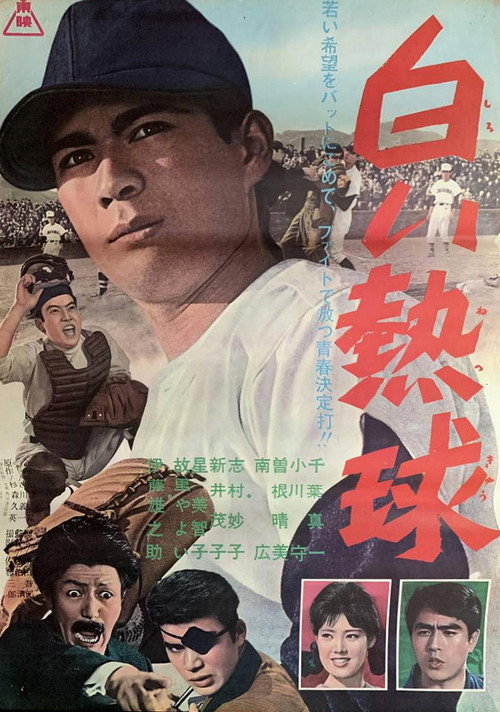
1962 Japanese movie