George Peppard
Acting
Biography
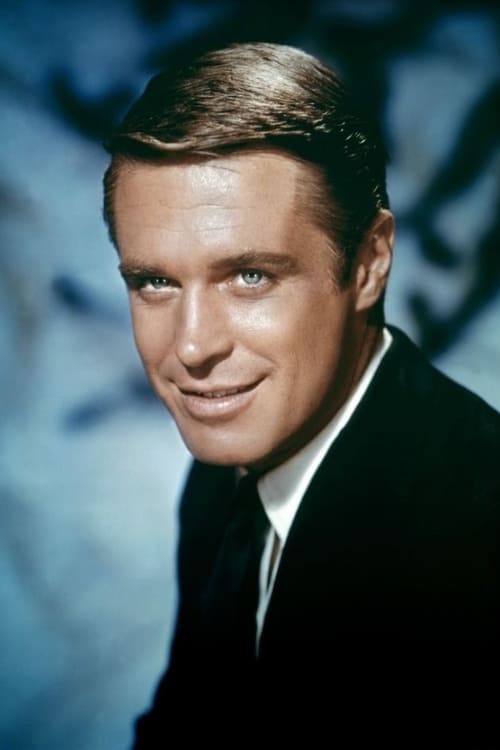
George Peppard (October 1, 1928 – May 8, 1994) was an American actor. He is best remembered for his role as struggling writer Paul Varjak in the 1961 film Breakfast at Tiffany's, and for playing commando leader Col. John "Hannibal" Smith in the 1980s television series The A-Team. Peppard secured a major role when he starred alongside Audrey Hepburn in Breakfast at Tiffany's (1961), and later portrayed a character based on Howard Hughes in The Carpetbaggers (1964). On television, he played the title role of millionaire insurance investigator and sleuth Thomas Banacek in the early-1970s mystery series Banacek. He played Col. John "Hannibal" Smith, the cigar-smoking leader of a renegade commando squad in the hit 1980s action show The A-Team.
Known For

The Mike Douglas Show is an American daytime television talk show hosted by Mike Douglas that originally aired only in the Cleveland area during much of its first two years on the air. It then went into syndication in 1963 and remained on television until 1982. It was distributed by Westinghouse Broadcasting and for much of its run, originated from studios of two of the company's TV stations in Cleveland and Philadelphia.
The Mike Douglas Show

An annual awards ceremony recognizing excellence in film and television, both domestic and foreign, bestowed by the Hollywood Foreign Press Association.
Golden Globe Awards

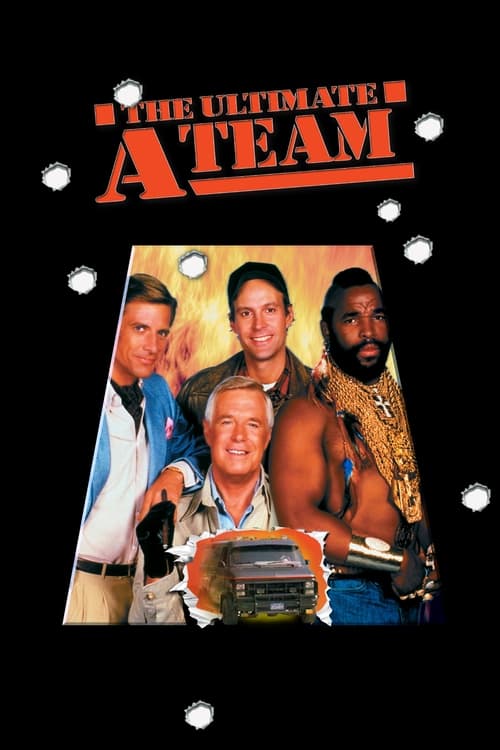
A fictional group of ex-United States Army Special Forces personnel work as soldiers of fortune while on the run from the Army after being branded as war criminals for a "crime they didn't commit."
The A-Team

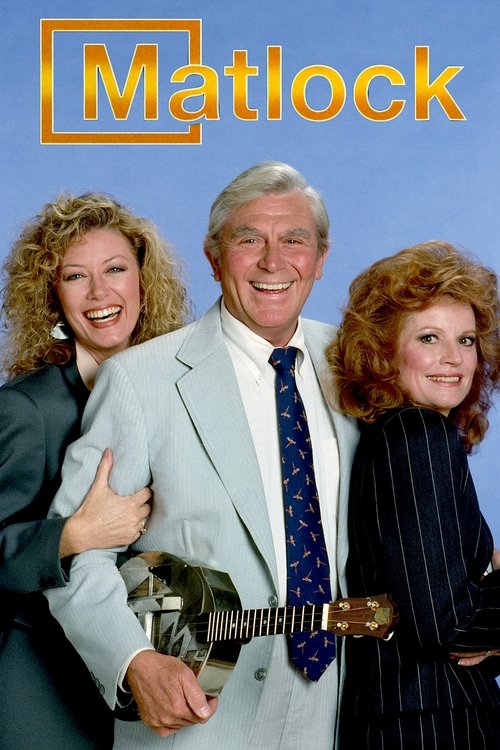
Thrifty, folksy and cantankerous, Matlock charges a premium for his services but is worth every penny: This renowned attorney, always clothed in his trademark light-gray suit and driving his signature Ford Crown Victoria, has an uncanny knack for finding overlooked clues and exposing murderers in dramatic courtroom scenes.
Matlock
No description available.
Bob Hope Presents the Chrysler Theatre

A British television anthology of stories, often with sinister and wryly comedic undertones, and a twist at the end. With early episodes written and presented by Roald Dahl, the series featured a plethora of big name guest stars.
Tales of the Unexpected

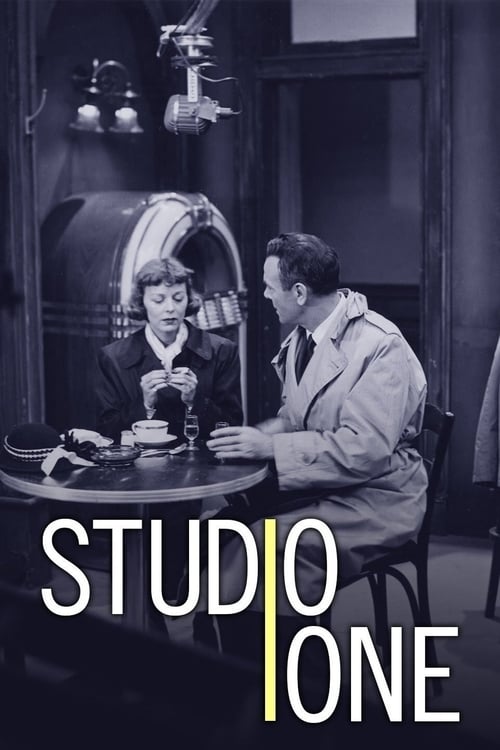
An American radio–television anthology series, created in 1947 by Canadian director Fletcher Markle, who came to CBS from the CBC. Studio One, presented by Westinghouse, was one of the first of the anthology TV programs. The episodes were often abridged remakes of movies from years gone by and many future well-known television and movie actors appeared in the productions.
Studio One

Matinee Theater is an American anthology series that aired on NBC during the Golden Age of Television, from 1955 to 1958. The series, which ran daily in the afternoon, was frequently live. It was produced by Albert McCleery, Darrell Ross, George Cahan and Frank Price with executive producer George Lowther. McCleery had previously produced the live series Cameo Theatre which introduced to television the concept of theater-in-the-round, TV plays staged with minimal sets. Jim Buckley of the Pewter Plough Playhouse recalled: When Al McCleery got back to the States, he originated a most ambitious theatrical TV series for NBC called Matinee Theater: to televise five different stage plays per week live, airing around noon in order to promote color TV to the American housewife as she labored over her ironing. Al was the producer. He hired five directors and five art directors. Richard Bennett, one of our first early presidents of the Pewter Plough Corporation, was one of the directors and I was one of the art directors and, as soon as we were through televising one play, we had lunch and then met to plan next week’s show. That was over 50 years ago, and I’m trying to think; I believe the TV art director is his own set decorator —yes, of course! It had to be, since one of McCleery’s chief claims to favor with the producers was his elimination of the setting per se and simply decorating the scene with a minimum of props. It took a bit of ingenuity.
Matinee Theater

The Dick Cavett Show has been the title of several talk shows hosted by Dick Cavett on various television networks.
The Dick Cavett Show

A talk show presented by Michel Drucker
Les Rendez-vous du dimanche

An annual American awards ceremony honoring cinematic achievements in the film industry. The various category winners are awarded a copy of a statuette, officially the Academy Award of Merit, that is better known by its nickname Oscar.
The Oscars

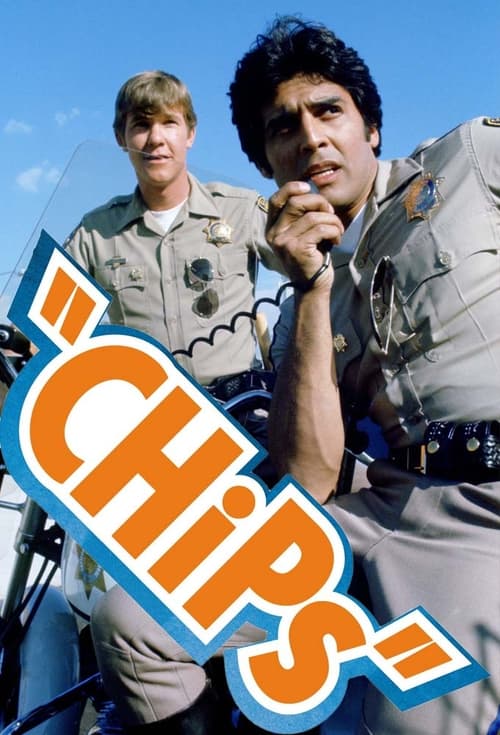
Lighthearted look at the adventures of two Highway Patrol officers in Los Angeles. The main characters are Jon Baker and Frank Poncherello, two motorcycle officers always on the street to save lives.
CHiPs

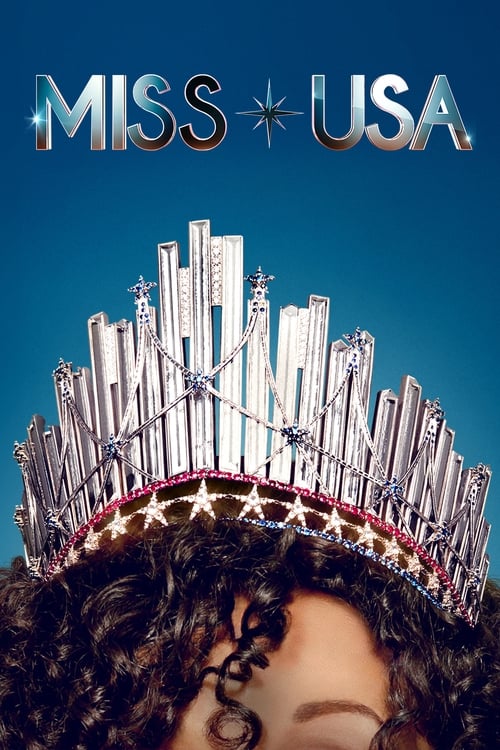
The Miss USA Pageant is a beauty contest that has been held annually since 1952 to select the United States entrant in the Miss Universe pageant. The Miss Universe Organization operates both pageants, as well as Miss Teen USA.
Miss USA

A television anthology series hosted by Alfred Hitchcock featuring dramas, thrillers, and mysteries.
Alfred Hitchcock Presents

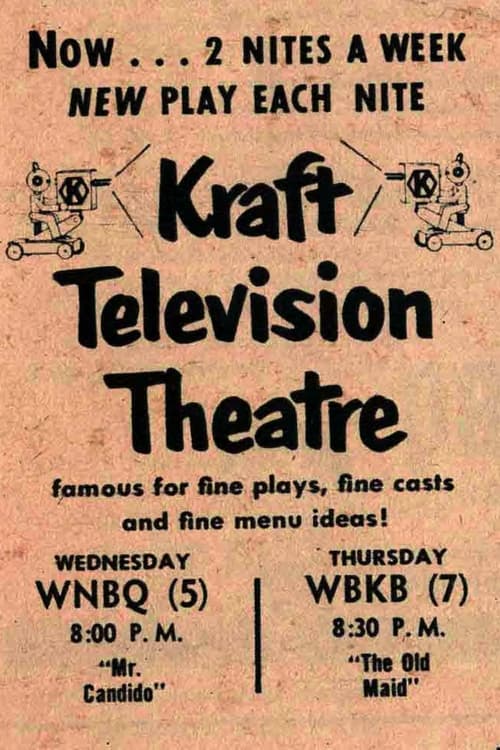
Kraft Television Theater is an American, well-received anthology series presenting live television dramas.
Kraft Television Theatre

Startime, an anthology of drama, comedy and variety, was one of the first American television shows broadcast in color.
Startime

Banacek is an American detective TV series starring George Peppard that aired on the NBC network from 1972 to 1974. The series was part of the rotating NBC Wednesday Mystery Movie anthology. It alternated in its time slot with several other shows but was the only one to last beyond its first season.
Banacek

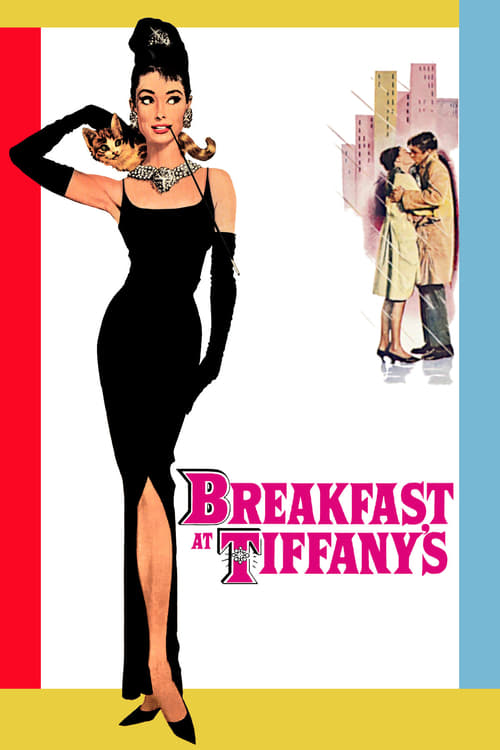
Holly Golightly is an eccentric New York City playgirl determined to marry a Brazilian millionaire. But when young writer Paul Varjak moves into her apartment building, her past threatens to get in their way.
Breakfast at Tiffany's

The Alcoa Hour is an American anthology television series that was aired live on NBC from 1955 to 1957. The series was sponsored by Alcoa.
The Alcoa Hour

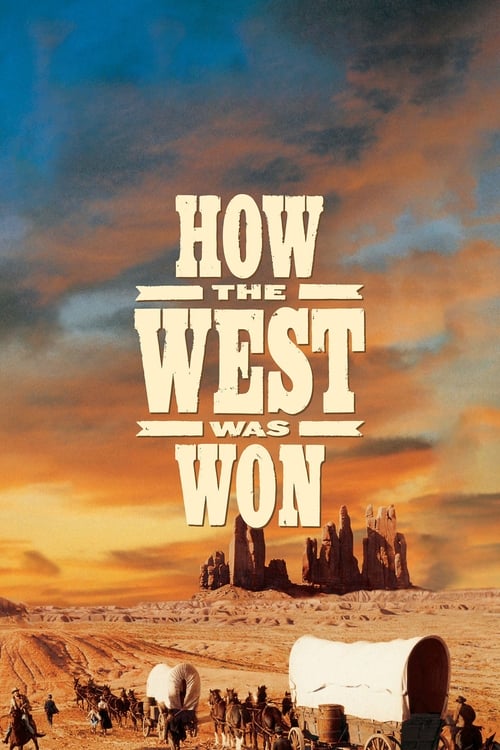
The epic tale of the development of the American West from the 1830s through the Civil War to the end of the century, as seen through the eyes of one pioneer family.