FEEL IT.STREAM
Cecilia Vicuña

Cecilia Vicuña

Directing

Biography

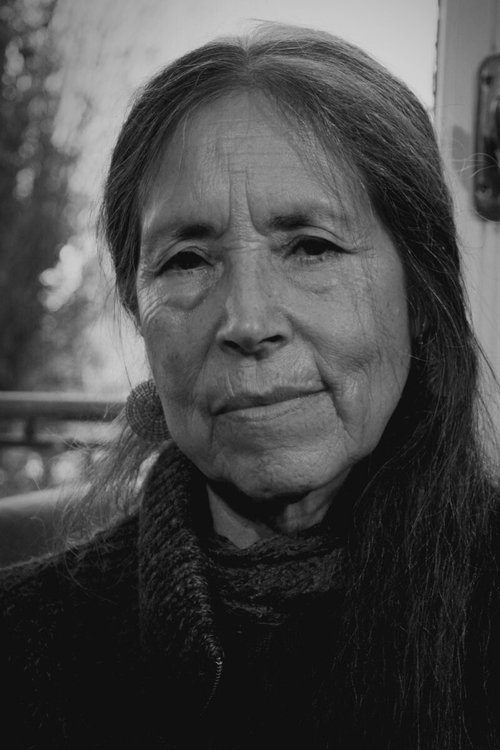
Norma Cecilia Vicuña Ramírez, visual artist and writer. She was born on July 22, 1948 in Santiago, Chile. She studied at the Faculty of Arts of the Universidad de Chile in 1971. Later in 1972 she traveled to London where she did postgraduate studies at the Slade School of Fine Arts at University College. She is considered one of the pioneers of conceptual art in Chile. She formed a group of artists and poets called Tribu No. At the beginning of 1970 she made a series of installations and art actions related to the theme of symbols of the pre-Columbian indigenous world, nature and South American mythology in general. In 1973 the BBC of London, made a documentary about his poetic-visual work In his visual work he has dedicated himself to oil painting, sculpture and video production. He has also published numerous poetic works and has given conferences on art. In 1975 she settled in Colombia where she continued her studies on American Indian popular culture and worked as a professor of Art History at the Fundación Universidad de Bogotá Jorge Tadeo Lozano and the course of Contemporary Latin American Poetry at the Fundación El Arte of the Universidad Libre de Bogotá. In 1980 she moved to New York City, USA.
Known For

Khonsay: Poem of Many Tongues
N/A

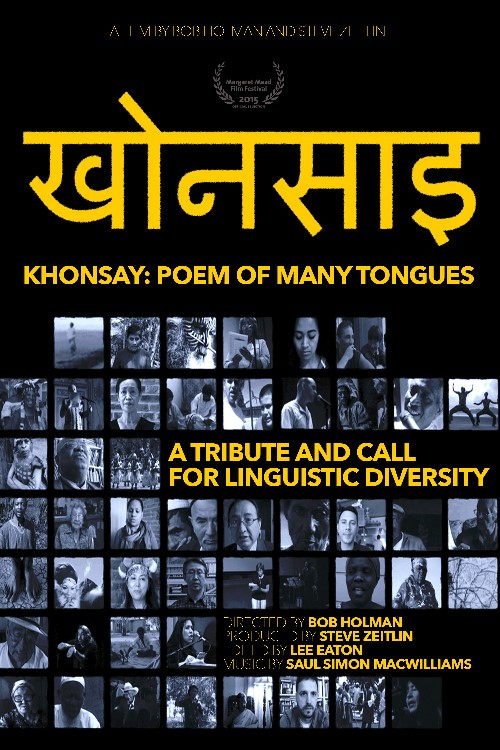
A tribute and call to action for linguistic diversity. A 15-minute motion poem (poem on film), each line comes from a different treasure or minority language. 48 speakers each speak in their mother tongues, as line by line, language by language, the poem is created.

Khonsay: Poem of Many Tongues

What Is Poetry to You?
6.0

Cecilia Vicuña made her first documentary while residing in Colombia after the 1973 coup d’état in Chile. Through this fundamental inquiry: ¿Qué es para usted la poesía? / What is poetry to you?, Vicuña unravels the role and substance of poetry in people’s lives. Speaking with school children, street performers, policemen, sex workers, fellow artists, and a scientist, the all embracing character of poetry emerges—its transformative role in personal relations, as a basis of oral history and the revolutionary imagination. – Chris Borkowski

What Is Poetry to You?

1980
No image
N/A

No description available.

El Quipu de Paula en Nueva York

2011
No image
N/A

No description available.

Quipu Viscera

2011
Death of the Pollinators
N/A

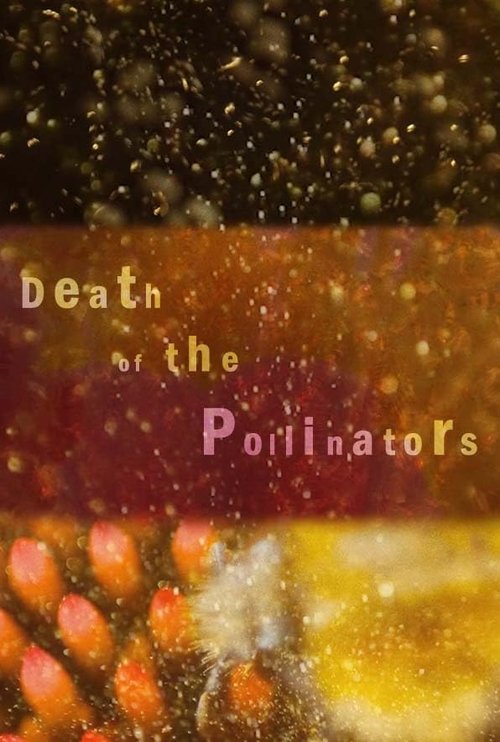
A film by Robert Kolodny using poems and sounds of Cecilia Vicuña and auditory landscapes of musician Ricardo Gallo, telling the story of the death of the Earth's pollinating insects.

Death of the Pollinators

2021
No image
N/A

No description available.

Quipu Austral

2012
No image
N/A

No description available.

Umbílico

2012
Kon Kon
N/A

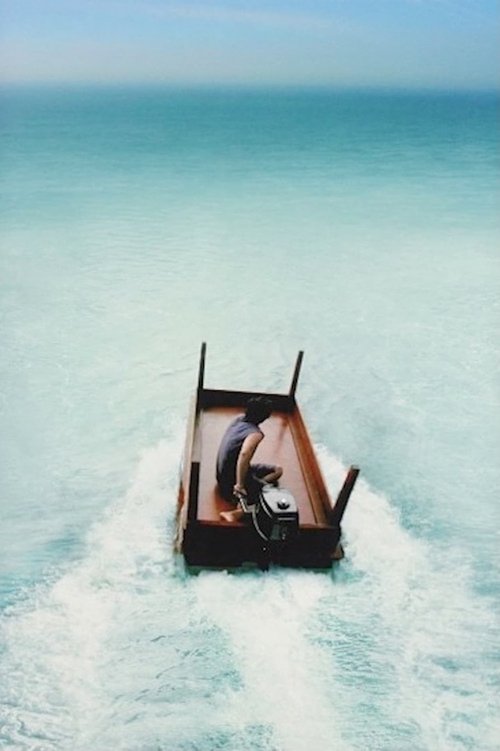
In this documentary poem, Cecilia Vicuña returns to Con Con, the birthplace of her art in Chile, where the sea is dying and an ancient tradition is being destroyed.

Kon Kon

2010
Night of the Species
N/A

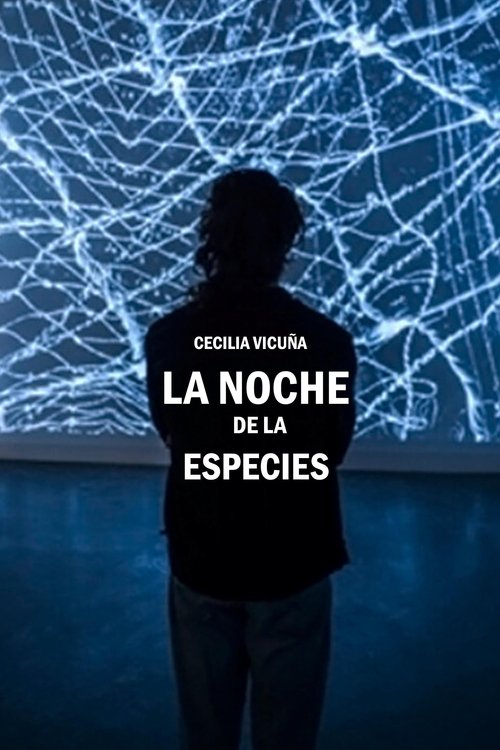
Noche de las especies [Night of the Species], a video animation by Robert Kolodny based on Cecilia Vicuña's drawings from the Noche de las especies.

Night of the Species

2017
No image
N/A

A performance lecture on the 1990 sculpture "Penetrable" by Jesús Soto. Poets were asked to respond to the works of artists included in the show, "The Geometry of Hope" at the Grey Art Gallery.

Yellow Soto

2007
No image
N/A

In this "video poem," Vicuña responds to Gasland 2, a 2013 documentary by Josh Fox examining the devastating environmental impact of hydraulic fracturing in the United States. The audio recording of the poem Vicuña reads is from a July 18, 2013 performance at Poets House in New York City.

Fire Over Water

2014
No image
N/A

In this performance, filmed in March 1980, Sol y Dar y Dad (Solidarity: To Give and Give Sun), one of the word-splitting, deconstructive poems Vicuña calls palabrarmas, is danced by Sofía Torres, young actors, volunteers from Corporación Colombiana de Teatro, and children at the Parque Nacional de Bogotá.

Sol y Dar y Dad, Una palabra bailada

1980
SemiYa
N/A

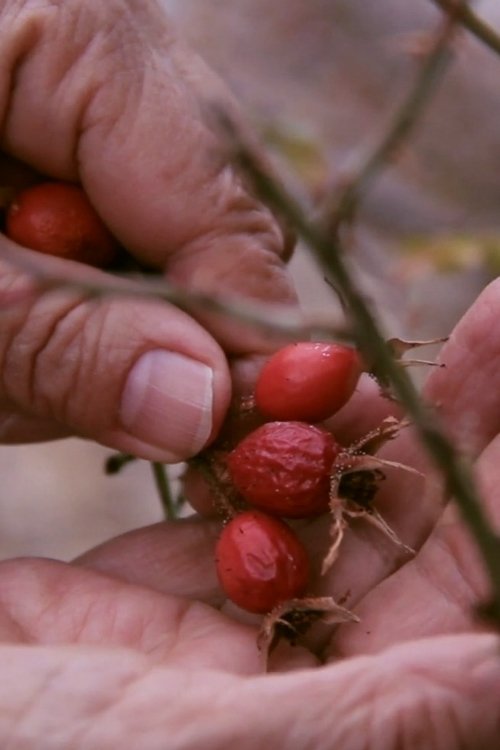
Cecilia Vicuña gathers seeds in Colchagua, Chile, in the foothills of the Andes mountains, on May 28, 2015.

SemiYa

2015
Paracas
N/A

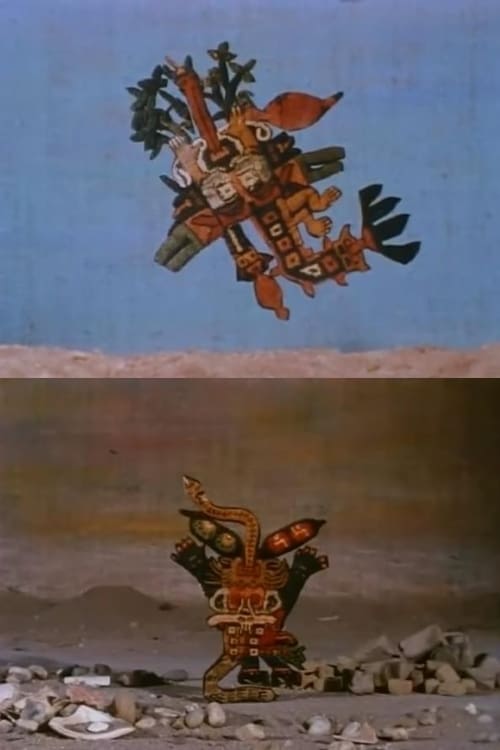
A three-dimensional animation of a pre Columbian textile. The Paracas textile, 300-100 BC, was found in a tomb in the south coast desert of Perú, and is a part of the collection of The Brooklyn Museum in New York.

Paracas

1983
No image
N/A

A 2008 recreation of a 1979 performance gives way to a projection of the slides depicting images from the artist's archive relative to dairy crime.

Vaso de Leche

2008
No image
N/A

Cecilia Vicuña and the Pichimuchina performed a ritual for the waters of the Mapocho River in Santiago Chile. This mighty river had dried up as a result of global warming, however next day it rained and the river swelled for a few hours.

Río Mapocho

2012
No image
N/A

The artist precariously films her "basuritas" made from debris as the sea removes them.

Lápiz en Bote

2009
No image
N/A

Pigments are scattered across the asphalt in Manhattan, a thread is tied by poet Cecilia Vicuña between the present and the past.

Parti Si Pasion

2008
A Living Knot
N/A

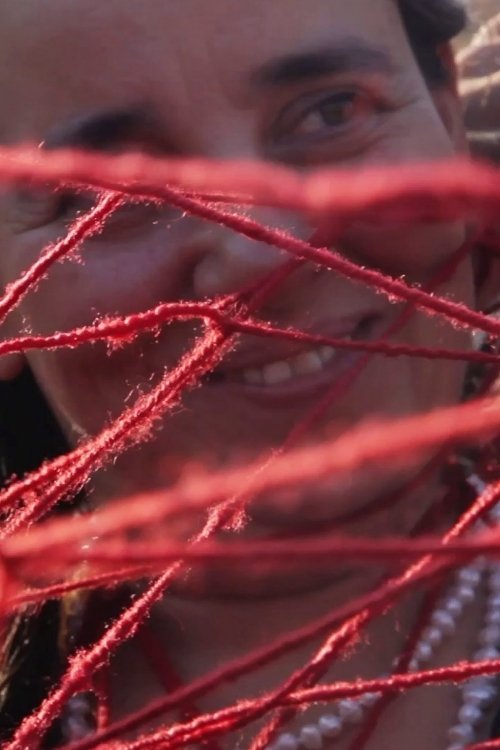
This performance takes place at the Puente de Cal y Canto bridge in Santiago de Chile, constructed during colonial times at the site where an Inka rope bridge had once connected the south and north of Chile. Vicuña invited friends and passersby to join in creating "a living knot" (un nudo vivo), to recover the memory of the sacred Mapocho Valley and its river, now deeply contaminated. This is one of several "performance-knots" of her Quipu Mapocho, conducted between 2016 and 2017.

A Living Knot

2017