Tony Harrison
Writing
Biography
Tony Harrison was an English poet and playwright.
Known For

National Theatre Cottesloe production filmed for Channel 4
The Mysteries

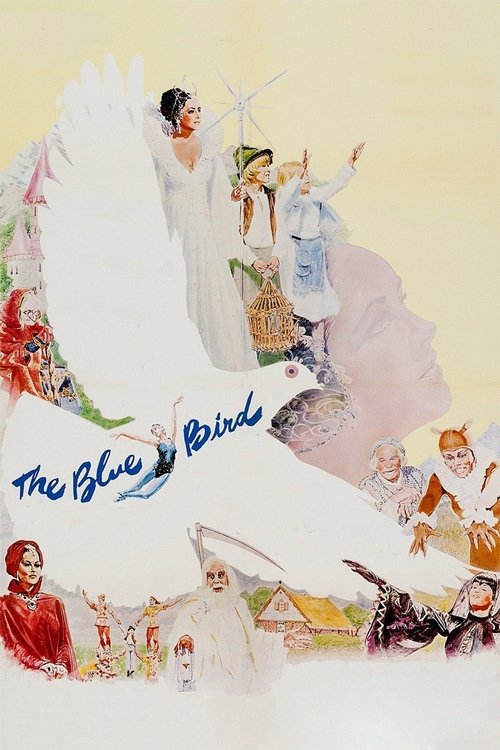
Peasant children Mytyl and Tyltyl are led on a magical quest for the fabulous Blue Bird of Happiness by the fairy Berylune. On their journey, they're accompanied by the anthropomorphized presences of a Dog, a Cat, Light, Fire, and Bread, among other entities.
The Blue Bird

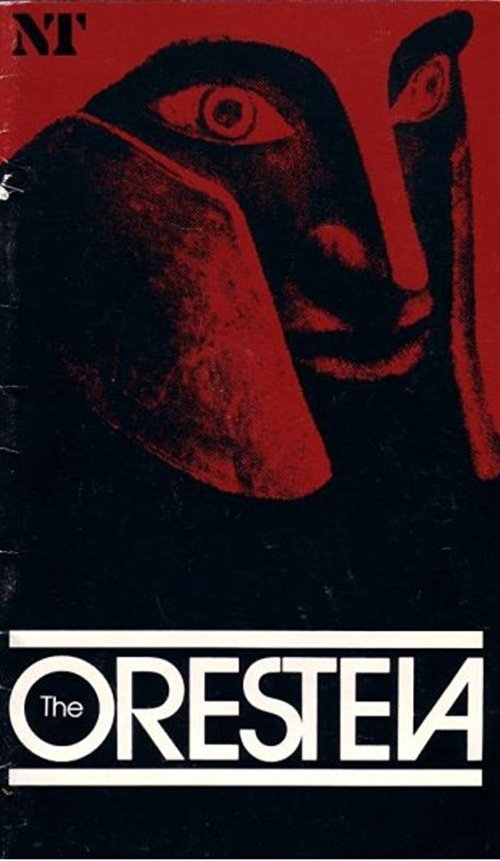
Agamemnon returns home from the Trojan war and is murdered by his wife, setting off a chain of revenge that stretches across this trilogy of play. Directed by Peter Brook for the National Theatre, this is an all-male performance with masks.
The Oresteia

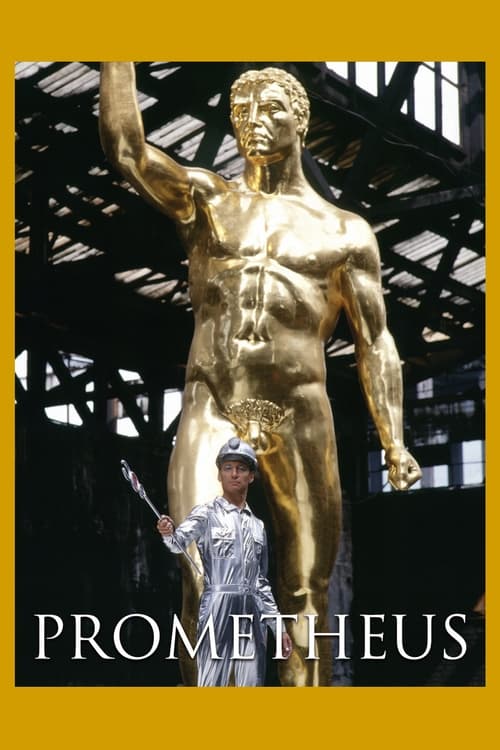
Tony Harrison's poetic essay on the working class - in particular the British miners -, its struggles, its dreams and its icononography - at the very end of the 20th century, as interpreted through the myth of Prometheus.
Prometheus

A film-poem written in response to the controversy surrounding Salman Rushdie's The Satanic Verses
The Blasphemers' Banquet

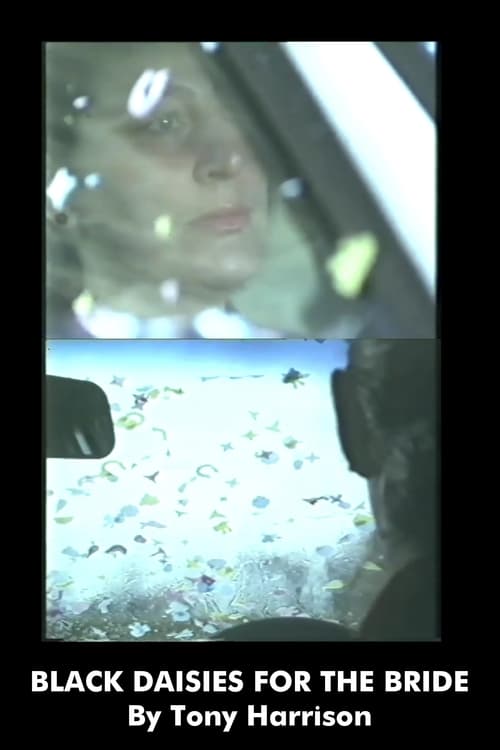
A play written by Tony Harrison as a tribute to sufferers of Alzheimer's disease. Filmed in High Royds Hospital, Menston, Yorkshire, the play combines drama, documentary, song, verse and music to unravel the lives of the residents.
Black Daisies For The Bride

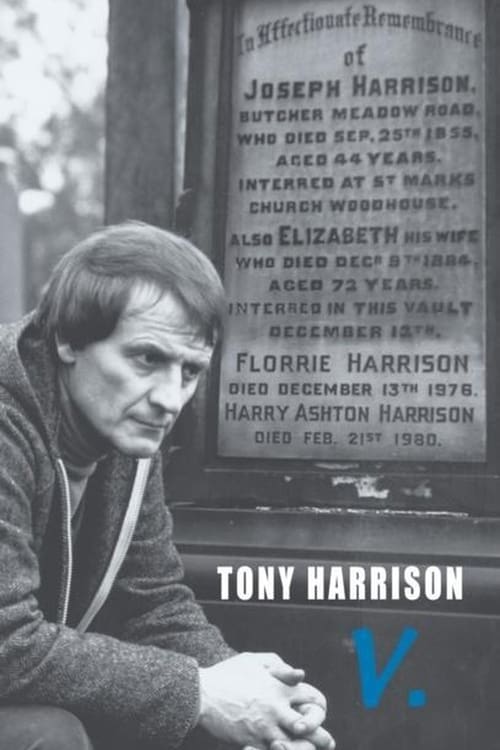
Visualisation of Tony Harrison's poem "v.". v. is about the multiple meanings of the letter - victory, versus, verses, etc. Starting from an incident in a Leeds' graveyard where the poet's parents' headstone has been defaced with graffiti,v. rises to a view of the divisions, antagonisms and aspirations within British society, and the poets own self.
V.

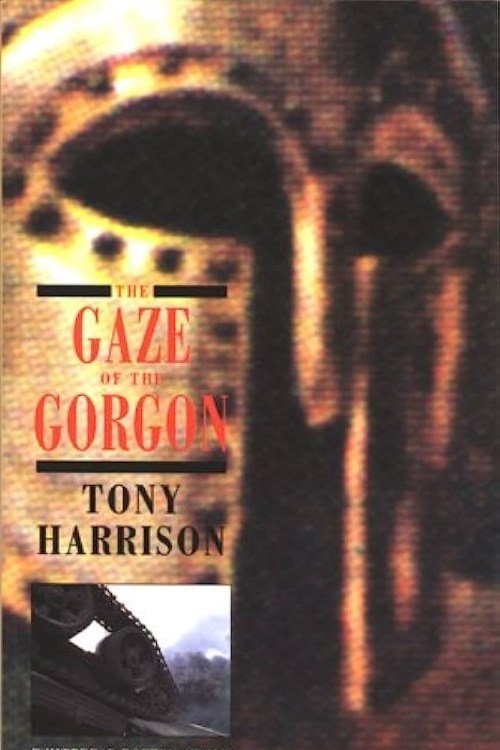
Film poem by Tony Harrison which takes the figure of the Gorgon as a metaphor for the "freedom-fixing politics" which have been responsible for so much conflict this century. It starts in 1992 Frankfurt where Harrison speaks through the mouth of the statue of the German Jewish poet Heinrich Heine. At Corfu in Greece he tells of the link between Heine, the Greek Gorgon and Kaiser Wilhelm II.