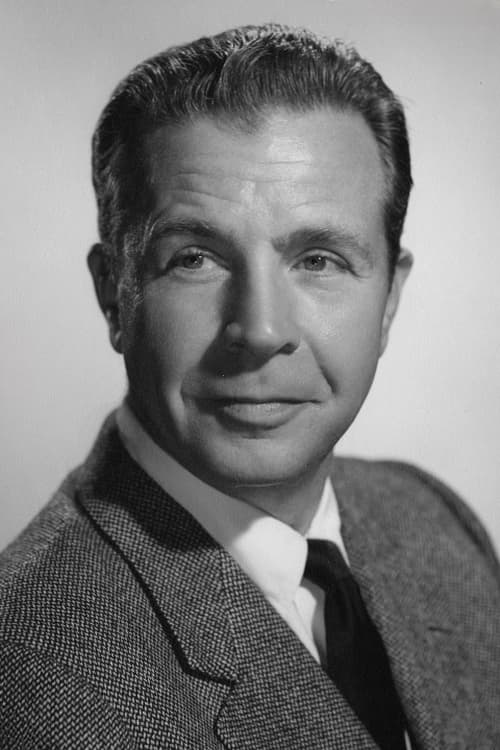
Dick Powell
Acting
Biography
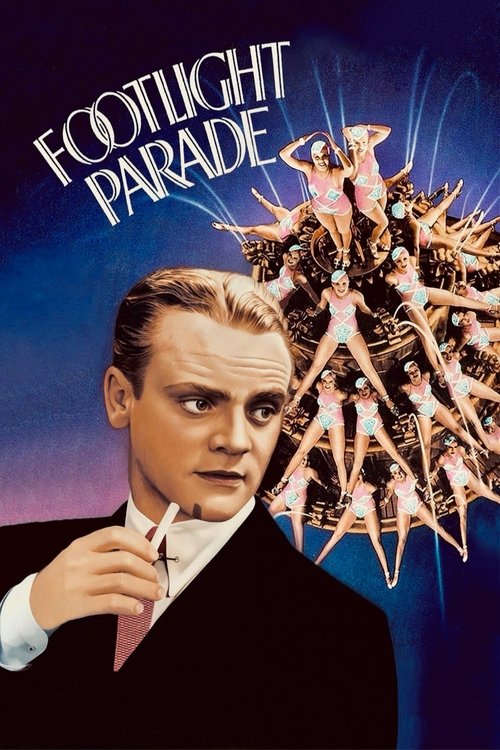
Richard Ewing "Dick" Powell (November 14, 1904 – January 2, 1963) was an American singer, actor, producer, director and studio boss. Born in Mountain View, the seat of Stone County in northern Arkansas, Powell attended the former Little Rock College in the state capital, before he started his entertainment career as a singer with the Charlie Davis Orchestra, based in the midwest. He recorded a number of records with Davis and on his own, for the Vocalion label in the late 1920s. Powell moved to Pittsburgh, where he found great local success as the Master of Ceremonies at the Enright Theater and the Stanley Theater. In April 1930, Warner Bros. bought up Brunswick Records which at that time owned Vocalion. Warner Bros. was sufficiently impressed by Powell's singing and stage presence to offer him a film contract in 1932. He made his film debut as a singing bandleader in Blessed Event. He went on to star as a boyish crooner in movie musicals such as 42nd Street, Footlight Parade, Gold Diggers of 1933, Dames, Flirtation Walk, and On the Avenue, often appearing opposite Ruby Keeler and Joan Blondell. Powell desperately wanted to expand his range but Warner Bros. wouldn't allow him to do so, although they did (mis)cast him in A Midsummer Night's Dream (1935) as Lysander. This was to be Powell's only Shakespearean role and one he did not want to play, feeling that he was completely wrong for the part. Finally, reaching his forties and knowing that his young romantic leading man days were behind him he lobbied to play the lead in Double Indemnity. He lost out to Fred MacMurray, another Hollywood nice guy. MacMurray’s success, however, fueled Powell’s resolve to pursue projects with greater range and in 1944, he was cast in the first of a series of films noir, as private detective Philip Marlowe in Murder, My Sweet, directed by Edward Dmytryk. The film was a big hit and Powell had successfully reinvented himself as a dramatic actor. The following year Dmytryk and Powell re-teamed to make Cornered, a gripping, post-WWII thriller that helped define the film noir style. He became a popular "tough guy" lead appearing in movies such as Johnny O'Clock and Cry Danger. But 1948 saw him step out of the brutish type when he starred in Pitfall, a film noir that sees a bored insurance company worker fall for an innocent but dangerous femme fatale, played by Lizabeth Scott. Even when he appeared in lighter fare such as The Reformer and the Redhead and Susan Slept Here (1954) he never sang in his later roles. The latter, his final onscreen appearance in a feature film, did include a dance number with costar Debbie Reynolds. From 1949-1953, Powell played the lead role in the National Broadcasting Company radio theater production Richard Diamond, Private Detective. His character in the 30-minute weekly was a likable private detective with a quick wit. When Richard Diamond came to television in 1957, the lead role was portrayed by David Janssen.
Known For

An annual awards ceremony recognizing excellence in film and television, both domestic and foreign, bestowed by the Hollywood Foreign Press Association.
Golden Globe Awards

TV's most-watched history series brings to life the compelling stories from our past that inform our understanding of the world today.
American Experience

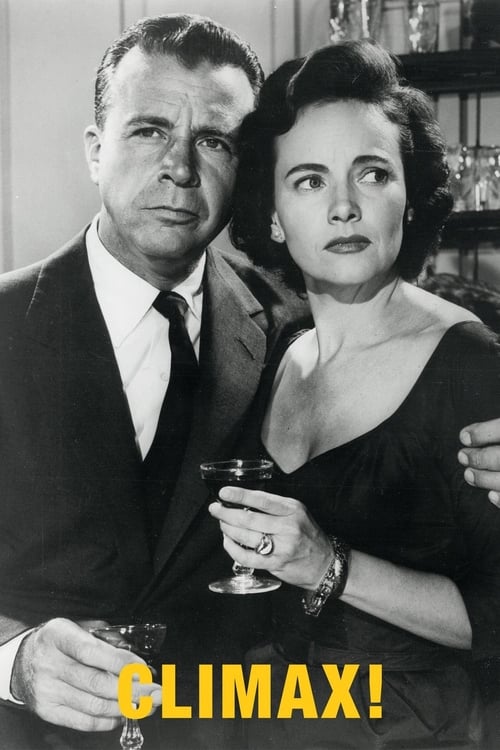
Climax! is an American anthology series that aired on CBS from 1954 to 1958. The series was hosted by William Lundigan and later co-hosted by Mary Costa. It was one of the few CBS programs of that era to be broadcast in color. Many of the episodes were performed and broadcast live.
Climax!

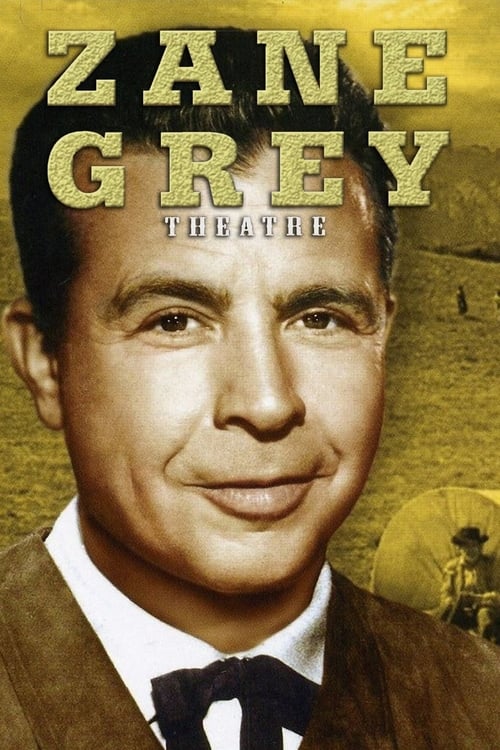
Dick Powell's Zane Grey Theatre, sometimes simply called Zane Grey Theatre, is an American Western anthology series which ran on CBS from 1956 to 1961.
Dick Powell's Zane Grey Theatre
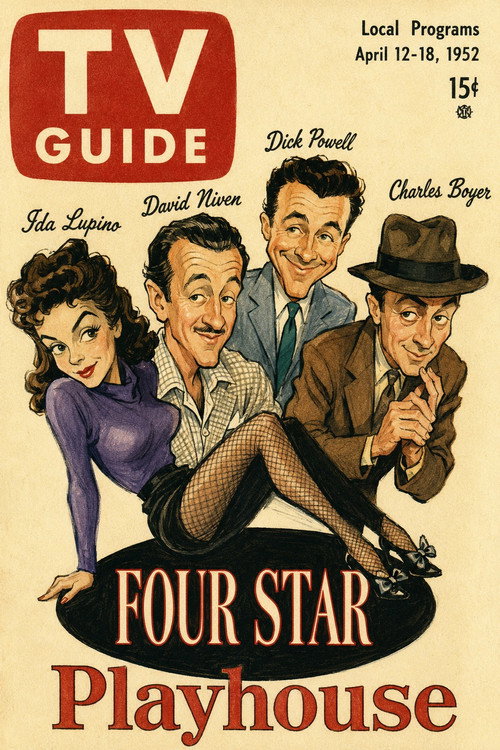
Four Star Playhouse is an American television anthology series that ran from 1952 to 1956, sponsored in its first bi-weekly season by The Singer Company; Bristol-Myers became an alternate sponsor when it became a weekly series in the fall of 1953. The original premise was that Charles Boyer, Ida Lupino, David Niven, and Dick Powell would take turns starring in episodes. However, several other performers took the lead from time to time, including Ronald Colman and Joan Fontaine. Blake Edwards was among the writers and directors who contributed to the series. Edwards created the recurring character of illegal gambling house operator Willie Dante for Dick Powell to play on this series. The character was later revamped and spun off in his own series starring Howard Duff, then-husband of Lupino. The pilot for Meet McGraw, starring Frank Lovejoy, aired here, as did another episode in which Lovejoy recreated his role of Chicago newspaper reporter Randy Stone, from the radio drama Nightbeat.
Four Star Playhouse

The Ed Sullivan Show is an American TV variety show that originally ran on CBS from Sunday June 20, 1948 to Sunday June 6, 1971, and was hosted by New York entertainment columnist Ed Sullivan. It was replaced in September 1971 by the CBS Sunday Night Movie, which ran only one season and was eventually replaced by other shows. In 2002, The Ed Sullivan Show was ranked #15 on TV Guide's 50 Greatest TV Shows of All Time.
The Ed Sullivan Show

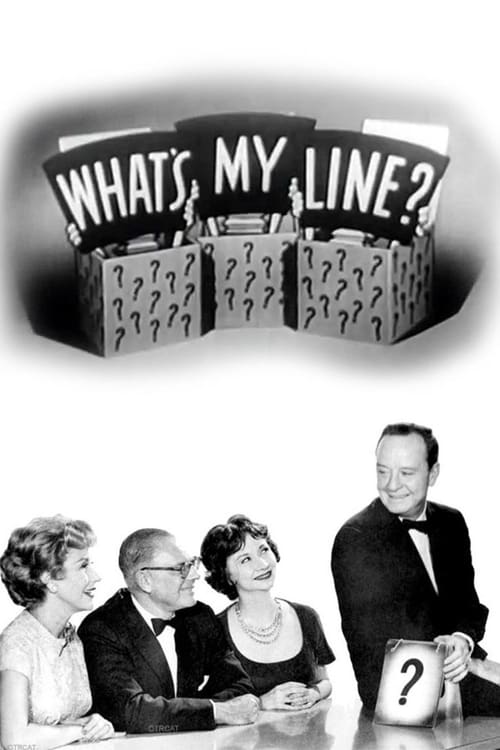
Four panelists must determine guests' occupations - and, in the case of famous guests, while blindfolded, their identity - by asking only "yes" or "no" questions.
What's My Line?
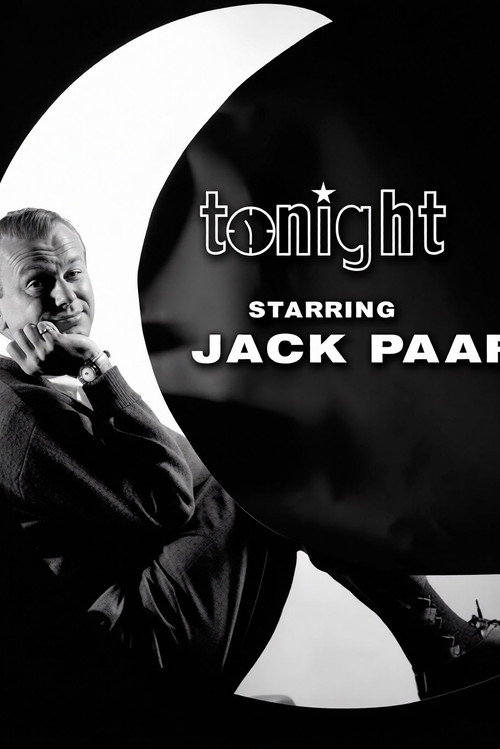
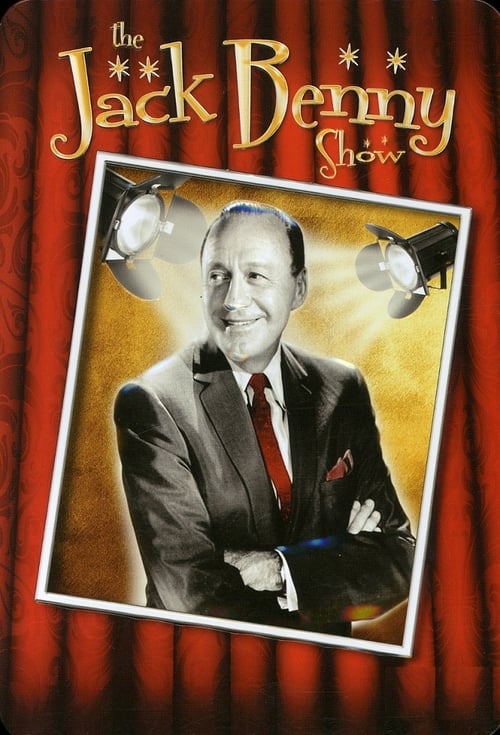
Tonight Starring Jack Paar is an American talk show hosted by Jack Paar under The Tonight Show franchise from 1957 to 1962. It originally aired during late-night. During most of its run it was broadcast from Studio 6B inside the RCA Building. The same studio would also host early episodes of The Tonight Show Starring Johnny Carson, and Late Night with Jimmy Fallon. Its theme song was an instrumental version of "Everything's Coming Up Roses", and the closing theme was "So Until I See You" by Al Lerner.
Tonight Starring Jack Paar

The DuPont Show with June Allyson is an American anthology drama series which aired on CBS from September 21, 1959 to April 3, 1961 with rebroadcasts continuing until June 12, 1961. The series was hosted by actress June Allyson.
The DuPont Show with June Allyson

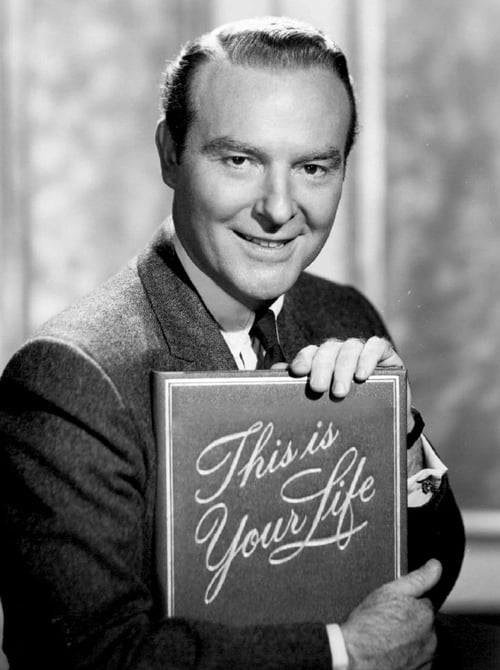
This Is Your Life is an American television documentary series broadcast on NBC, originally hosted by its producer, Ralph Edwards from 1952 to 1961. In the show, the host surprises a guest, and proceeds to take them through their life in front of an audience, including special guest appearances by colleagues, friends and family. Edwards revived the show in 1971-72, while Joseph Campanella hosted a version in 1983. Edwards returned for some specials in the late 1980s, before his death in 2005. The show originated as a radio show on NBC Radio airing from 1948 to 1952.
This Is Your Life

The Dick Powell Show is an American anthology series that ran on NBC from 1961- 1963, primarily sponsored by the Reynolds Metals Company. It was hosted by longtime film star Dick Powell until his death from lymphatic cancer on January 2, 1963, then by a series of guest hosts until the series ended. The first of these was Gregory Peck, who began the January 8 program with a tribute to Powell, recognizing him as "a great and good friend to our industry." Peck was followed by fellow actors such as Robert Mitchum, Frank Sinatra, Glenn Ford, Charles Boyer, Jackie Cooper, Rock Hudson, Milton Berle, Jack Lemmon, Dean Martin, Robert Taylor, Steve McQueen, David Niven, Danny Thomas, Robert Wagner and John Wayne.
The Dick Powell Show
Lux Video Theatre is an American anthology series that was produced from 1950 until 1959. The series presented both comedy and drama in original teleplays, as well as abridged adaptations of films and plays.
Lux Video Theatre

An annual awards ceremony honoring the best in U.S. prime time television programming as chosen by the Academy of Television Arts & Sciences.
The Emmy Awards

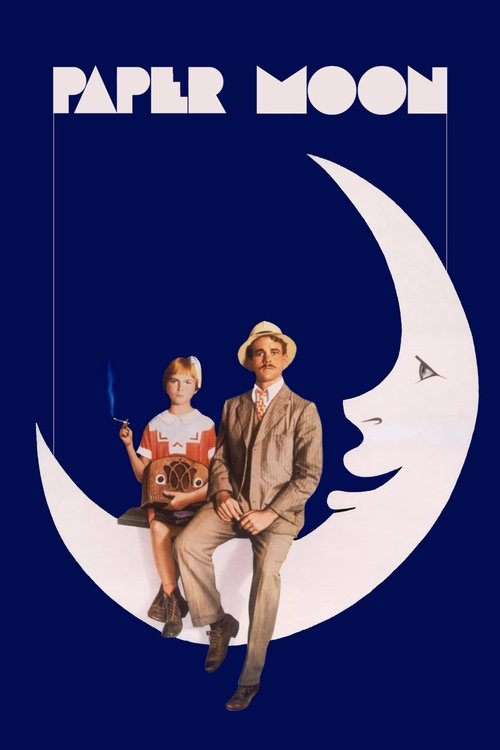
During the Great Depression, a con man finds himself saddled with a young girl who may or may not be his daughter, and the two forge an unlikely partnership.
Paper Moon

The crew of the American destroyer escort, the USS Haynes, detects a German U-Boat—resulting in a prolonged, deadly battle of wits.
The Enemy Below

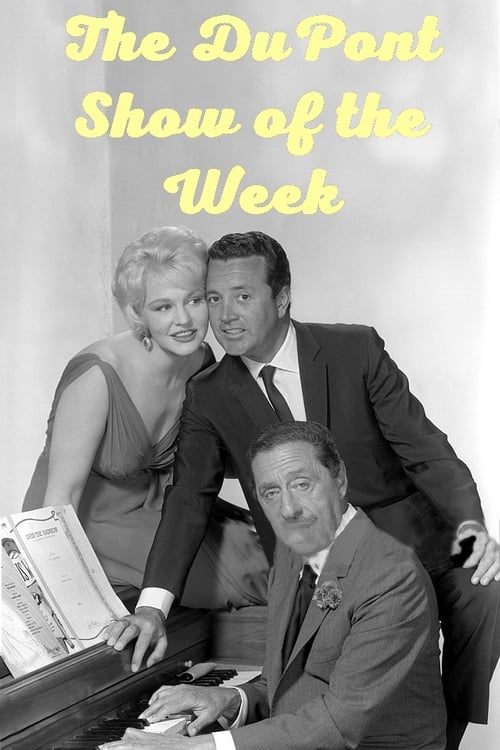
The DuPont Show of the Week is an American anthology drama series which aired for three seasons on NBC from September 17, 1961 to August 30, 1964.
The DuPont Show of the Week

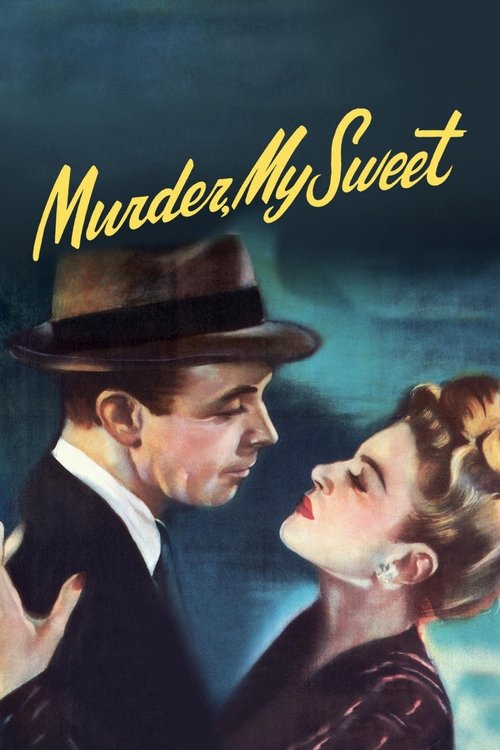
After being hired to find an ex-con's former girlfriend, Philip Marlowe is drawn into a deeply complex web of mystery and deceit.
Murder, My Sweet

When all Broadway shows are shut down during the Depression, a trio of desperate showgirls scheme to bilk a repugnant high society man of his money to keep their show going.
Gold Diggers of 1933

Told in flashback form, the film traces the rise and fall of a tough, ambitious Hollywood producer, Jonathan Shields, as seen through the eyes of various acquaintances, including a writer, James Lee Bartlow; a star, Georgia Lorrison; and a director, Fred Amiel. He is a hard-driving, ambitious man who ruthlessly uses everyone on the way to becoming one of Hollywood's top movie makers.
The Bad and the Beautiful

Four young people escape Athens to a forest where the king and queen of the fairies are quarreling, while meanwhile, a troupe of amateur actors rehearses a play. When the fairy Puck uses a magic flower to make people fall in love, the whole thing becomes a little bit confused...