Monica Maurer
Directing
Known For

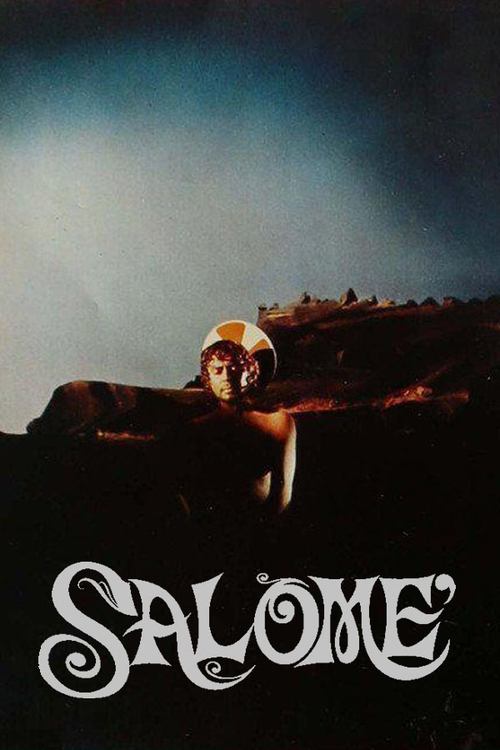
Salome is the daughter of the second wife of King Herod. The King is infatuated with her and, after she fails to seduce the prophet John The Baptist, she dances for the King in order to ask for his execution.
Salomé

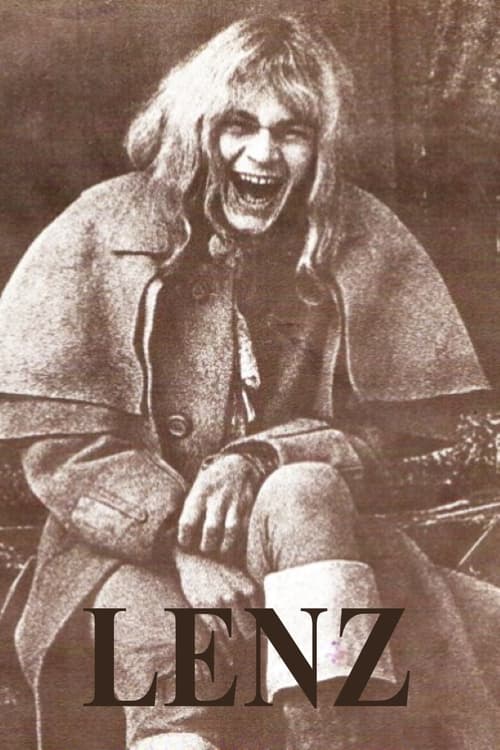
Film adaptation of the short BĂĽchner story of the same name, which tells of the stay of the psychotic Sturm und Drang poet Lenz in the home of the Alsatian priest and philanthropist Oberlin. The poet, whose pathological hallucinations are becoming increasingly unbearable, hopes for help from the gentle clergyman. But Oberlin, too, knows no advice; he regards his friend's illness as God-given.
Lenz

Filmed in 16mm during 1978 - to highlight the sophisticated social, medical, educational infrastructure that the PLO built during the 70ies in the refugee camps in Lebanon. The documentary is a cinematographic testimony of the Palestinian effort to build a secular and pluralistic society, based on the participation of the people and thus strengthening their feeling of national identity and dignity. PRCS was shot in practically all the Camps in Lebanon, from Nahar el Bared in the North to Rashidiye in the South, from Nabatiye to Beirut - Sabra, Shatila and Burj-el-Barajneh. Among the personalities in the film are Abu Ammar (Yasser Arafat), Dr. Fathi Arafat (President of PRCS), Dr. Sait Dajani, Yusuf Iraki, Abdelaziz Labadi.
The Palestinian Red Crescent Society

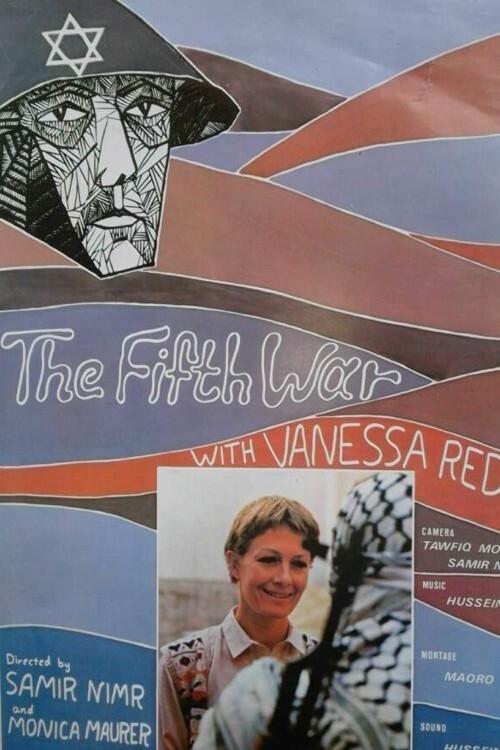
A war documentary that stands as an example of both the possibilities of international solidarity and also its dangers. Co-directed by an Iraqi and German filmmaker and starring a British actress, its proximity to the violence of the Litani Operation resulted in the loss of two of its members during filming.
The Fifth War

May 15, 1948, is the date of the founding of the State of Israel on more than half of the territory of historic Palestine, from the Mediterranean Sea to the Jordan River. But for Palestinians, that day means NAKBA - catastrophe: the forced expulsion, through the use of violence and weapons, of over 800,000 people, the destruction of 600 villages and homes in the cities of Haifa, Jaffa, and others. This film aims to commemorate this date and the ongoing Israeli occupation of the Palestinian Territories, which continues to this day. All this in disregard of the plan to partition Palestine into two states, one Arab and one Jewish, voted by the United Nations in 1947. A great injustice that has now lasted for 72 years.
Nakba. La Catastrofe Palestinese
No description available.
Cent'anni dopo. Un film sul PCI
The West-German director Monica Maurer made a number of important films for the PLO. The Israeli airstrikes against Beirut on 17 July 1981 killed 350 people, including a pregnant woman whose baby could be rescued from her torn-up womb. Maurer shows the people’s suffering and pain, their victimhood. She addresses the systemic causes of violence, referring back to the history of their country and formulating arguments for the necessity of a fight for liberation.
Born Out of Death
A rigorous portrait at the dawn of the 1970s, created by the future assistant director of the film Salomè. Filmed "in secret," at the actor's request, the documentary is an extraordinary testimony to particular moments in his working and public life.
Carmelo bene. Un Ritratto

One of the many films Monica Maurer made for the PLO.
Palestine in Flames

Shot in Beirut and released during the Israeli invasion of Lebanon in 1982, the film both portrayed the brutality of the siege and the indiscriminate attacks as well as people’s survival. The film is rhythmed by the urgency of sirens, communicating the human toll of the violence to a wider world in an attempt to rally support for the Palestinian revolution. Simultaneously, the film is loaded with the specter of an unclear future, the seeds of a massacre that was yet to come.
Why?

One of the many films Monica Maurer and Samir Nimer made for the PLO.
Children of Palestine

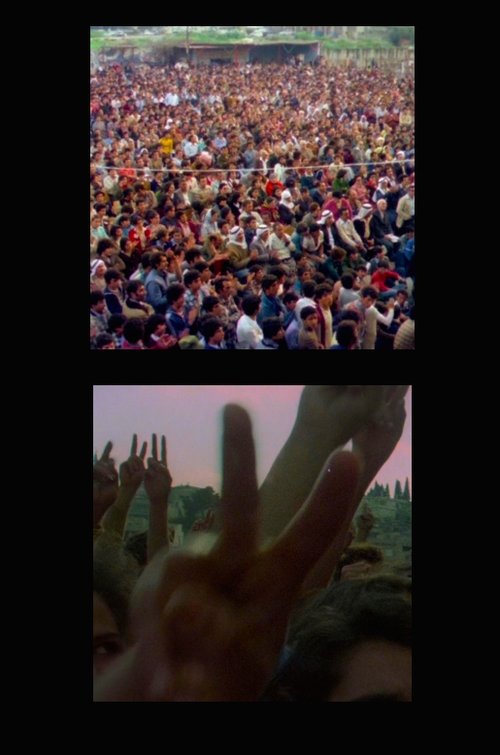
Yom Al Ard is a portrait about the fragmentation of the land, the experience, and the people of Palestine, showcasing the systematic efforts to disperse, fragment, and destroy the audiovisual memory and collective identity of Palestinians. It is composed of rare footage shot in the Galilee (Nazareth, Deir Hanna, and Sakhnin) in celebration of the 5th Land Day Anniversary on March 1981 which has recently been restored and digitised.