Setsu Asakura
Art
Biography
Setsu Asakura (1922 – March 27, 2014) was a Japanese painter, filmmaker and set designer. Asakura was also known for her movies. These movies deal with topics such as fantasy and drama. Asakura won the Belgian Salon du Printemps award in 1948. The Centennial Retrospective of her work at the Museum of Modern Art, Hayama, included 200 paintings and artwork, especially for children's picture books, fashion designs for models, and stage designed drawings.
Known For

An educational program where notable figures from various fields—such as business, art, sports, and more—give lectures to high school students about their own youth. The program aims to inspire and guide them by encouraging reflection on past experiences and future life choices through thoughtful discussions.
Watashi no Seishun Note

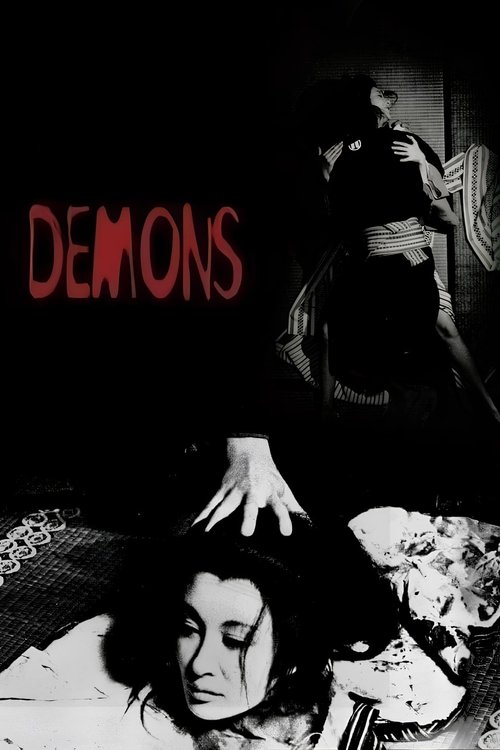
Tells the story of the samurai Gengobe, who seeks revenge after falling prey to the schemes of a geisha and her husband.
Demons

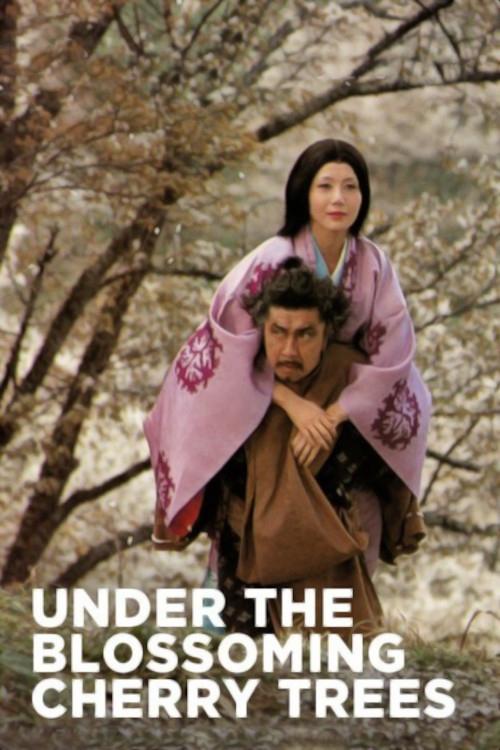
A mountain man beheads his many wives to prove his love to an alluring woman he meets in an enchanted forest.
Under the Blossoming Cherry Trees

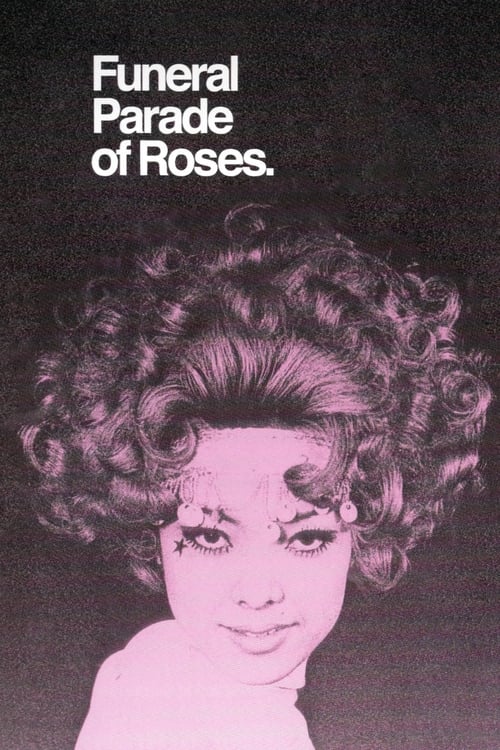
In 1960s Tokyo, Gonda owns a bar in which the gay, cross-dresser, and trans scenes meet. Gonda is in a relationship with the madam of the bar, Leda. As the younger Eddie starts a passionate affair with Gonda, she ignites the jealousy of Leda, unaware of another kind of history between them.
Funeral Parade of Roses

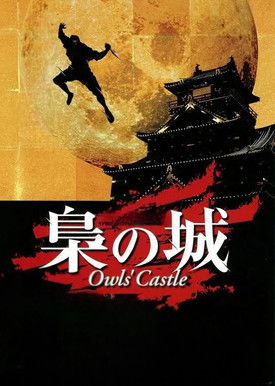
As the great military commander Nobunaga Oda was consolidating his power across Japan, one of his actions was to wipe out a clan of assassins, killing every man, woman and child he found in the village. Years later, one of the survivors has hired a young but skilled assassin to avenge the deaths of his friends and family. His mission: to sneak into the most heavily guarded castle in Japan, and kill the supreme ruler of the country.
Owls' Castle

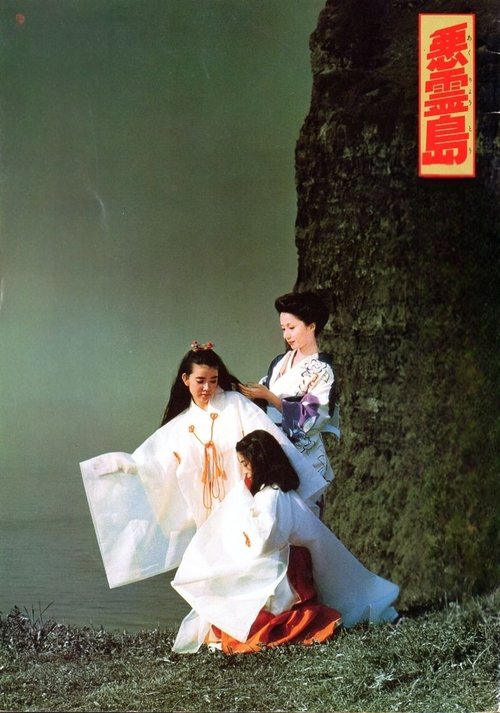
Famous detective Kosuke Kindaichi follows a dying man's words to an enigmatic island, where he meets beautiful twin sisters and tragic events unfold.
Island of the Evil Spirits

When a lone traveler stumbles upon a remote, drought-stricken village, he finds himself engulfed in a whirlpool of myth, mystery, and magic: in a nearby pond reside spirits who hold the fate of the town’s inhabitants, including lovers Akira and Yuri, in their hands.
Demon Pond

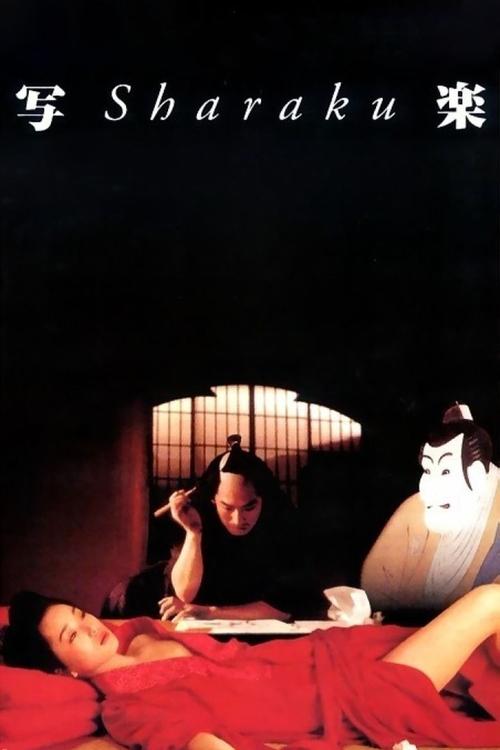
A crippled kabuki player is taken into a strolling company of itinerant actors. An influential publisher notices his honest, bold drawings, and nurtures him despite persecution and betrayal. The film explores the eternal relationship between artist and producer, and describes the emanicipation of a man who refuses to let himself become the plaything of power and money.
Sharaku

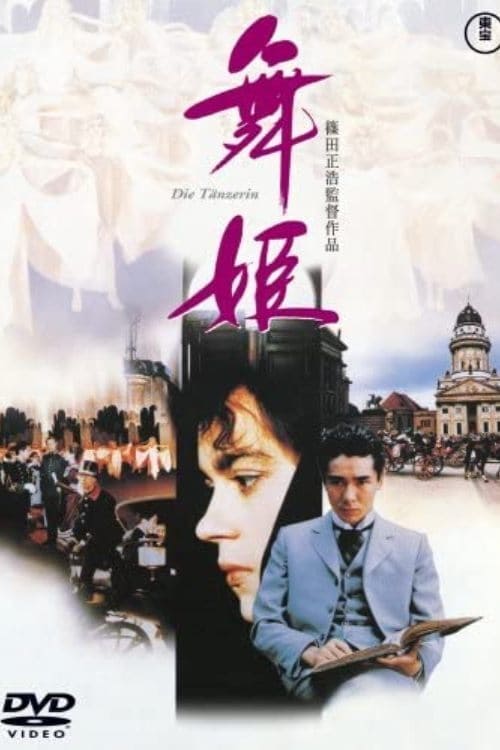
Based on a semi-autobiographical story by Ogai Mori, about a Japanese medical student who goes to Berlin to study in the 1880s and falls in love with a German ballet dancer.
The Dancer

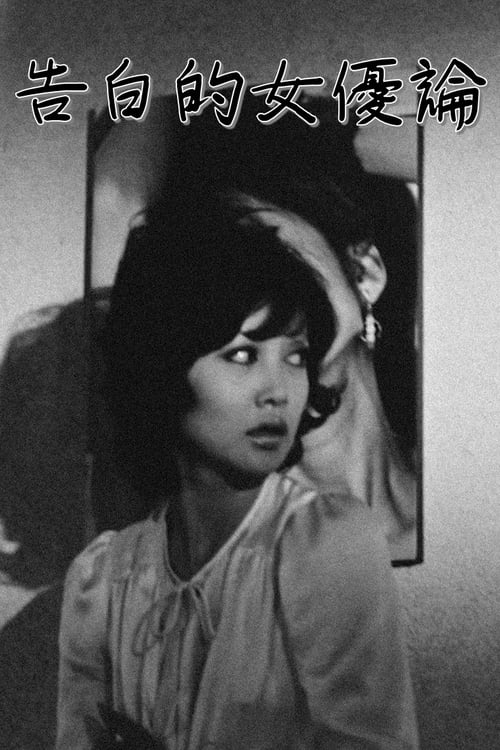
In this intricately layered Japanese film, the nature of actresses and what they gain from acting is explored. The lives of three actresses are laid bare, and scenes from their lives are woven in and out of interviews with each of them. Each of them has experienced a traumatic event which contributes to their particular enjoyment of becoming someone else in dramatic roles.
Confessions Among Actresses

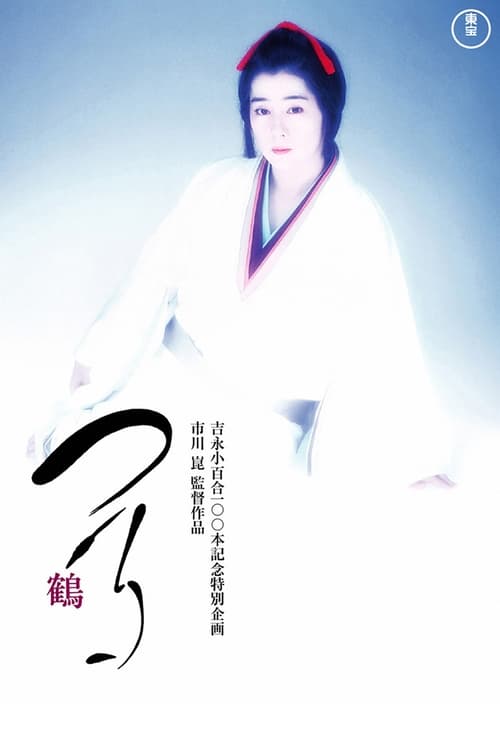
Based on the folk tales "Repayment from a crane". One snowy night a beautiful woman named Tsuru (Crane) visits poor peasant Taiju and says she will become his wife...
Crane

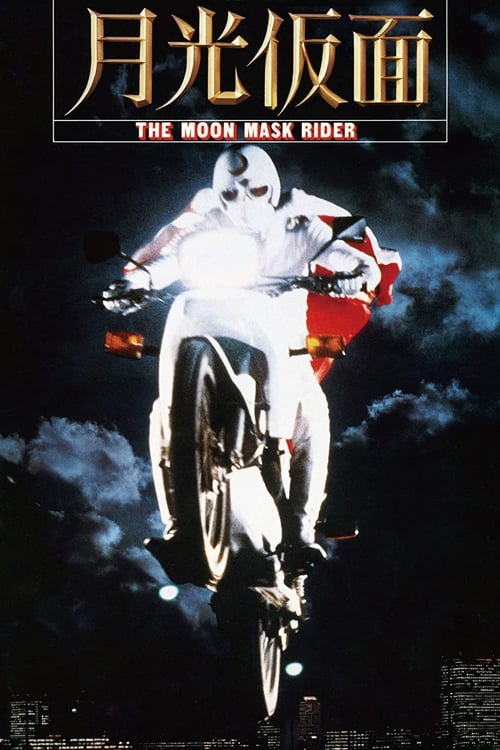
The Moon Mask Rider is a tokusatsu movie produced by Purumie International/Herald Enterprises and distributed by Nippon Herald Pictures, was released theatrically on March 14, 1981. Considered Japan's answer to the American box-office fiasco, The Legend of the Lone Ranger (released the same year), this updated version of the Moonlight Mask legend bombed at the Japanese box-office. Daisuke Kuwahara (who, like Klinton Spilsbury , disappeared from doing films) plays George Owara (Moon Mask Rider's new alter-ego), and the rest of the cast made up of veteran action starlets: Sue Shihomi, Daijiro Harada and Takayuki Godai.
The Moon Mask Rider

Based on the hit song, the story involves a young boy and girl who leave their home in Hokkaido to come and live in Tokyo.
O Luna, My Pony!

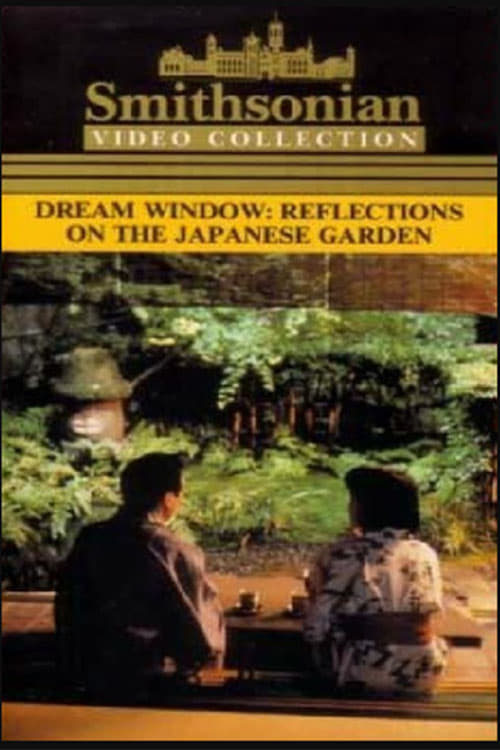
Exquisite exploration of landscape and Toru Takemitsu's music for a Japanese moss garden.
Dream Window: Reflections on the Japanese Garden
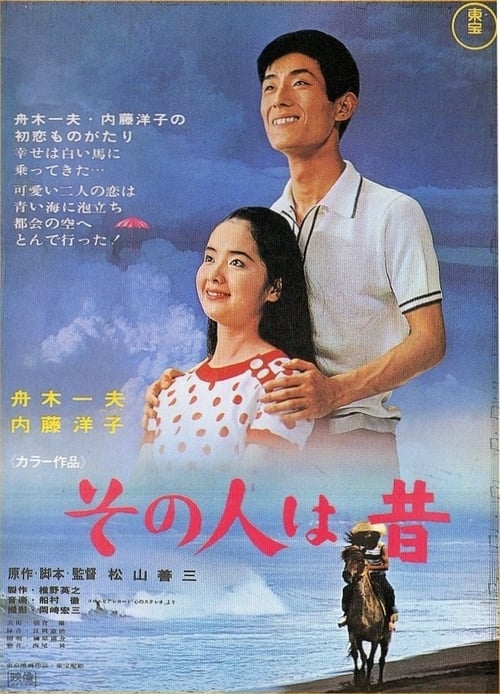
Adaptation of a 1956 novel by Yukio Mishima.
The S.S. Happiness Sets Sail

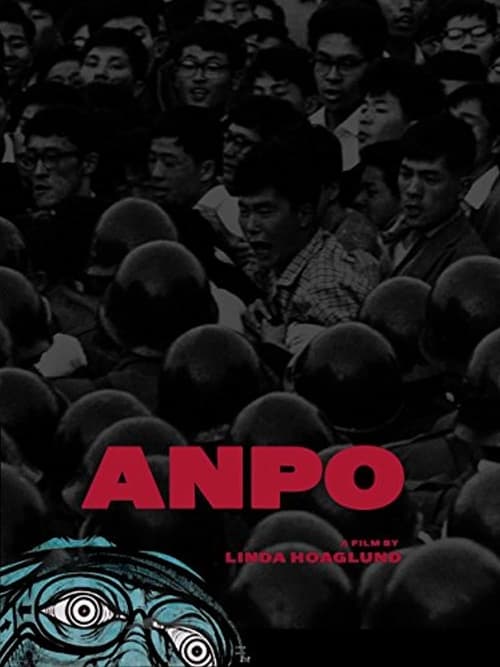
ANPO: Art X War tells the story of Japan's historic resistance to U.S. military bases in Japan through an electrifying array of artwork created by Japan's foremost artists. The film articulates the insidious, lasting impact that the U.S. military presence has had on Japanese lives, and the creative processes that artists have devised to transmit the spirit of resistance.
ANPO: Art X War

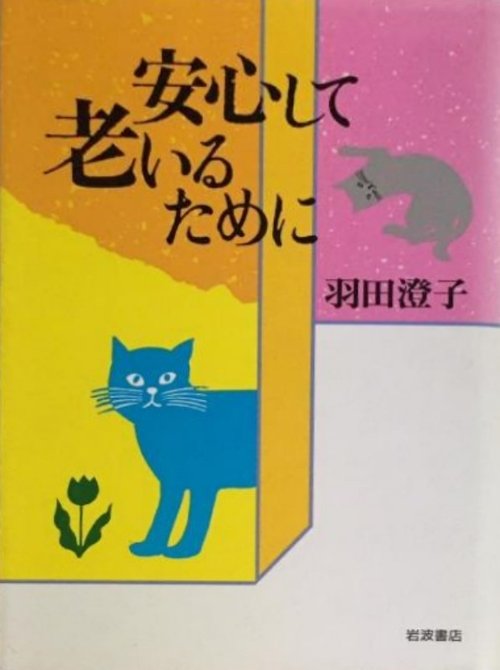
The care facilities for the elderly in a small town in Gifu prefecture, and the comparison with the welfare in Denmark, Sweden and Australia.
Getting Old without Anxiety

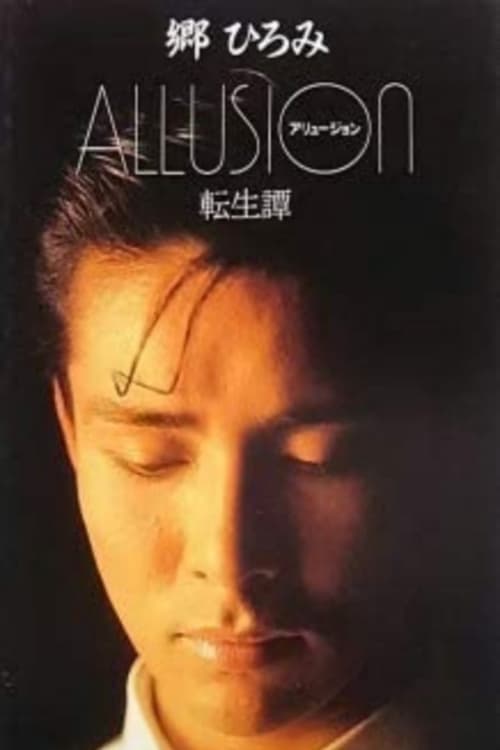
Musical film: Hiromi Go plays a warrior, a gigolo, and an officer spread across a thousand years of history
Allusion: Reincarnation Story

A production of Die Frau ohne Schatten filmed in Japan.