Writing
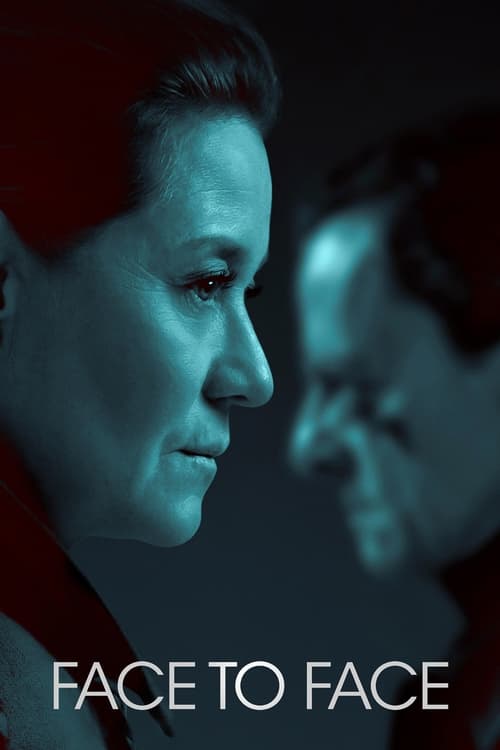
Bjørn investigates the killing of his daughter. People around him believe she might have committed suicide, but he doesn't accept that. Both the stakes and the suspense rise relentlessly as Bjørn inches closer to the truth.
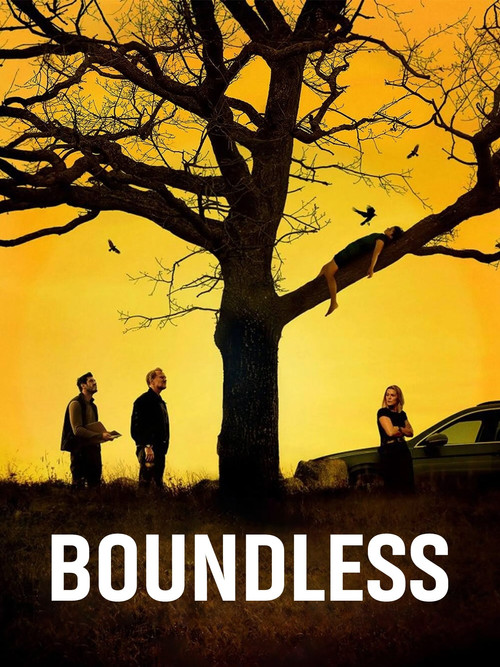
In a moment of cowardice, Detective Carl Mørck sends Rose, his junior colleague in Department Q, to the remote Danish island of Bornholm to answer his old colleague Christian Habersaat's repeated requests. But during his forced retirement ceremony Christian kills himself sending Rose into a journey deep into her own traumatic past. Later, Department Q are embroiled into an old cold case of a girl found dead hanging in a tree.
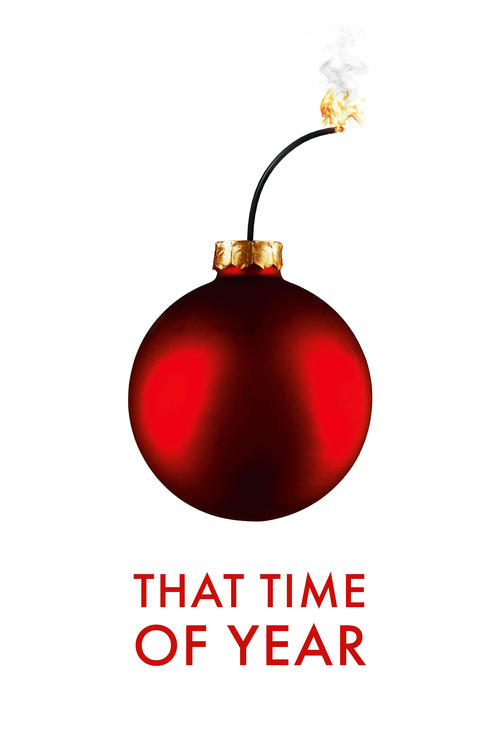
It's New Year's Eve. Friends Nomi, Jens, Charlotte and Kris and their children meet for a festive dinner as is tradition. But this year something is different from usual, because as a joker this year, Nomi's new boyfriend Finn also arrives.
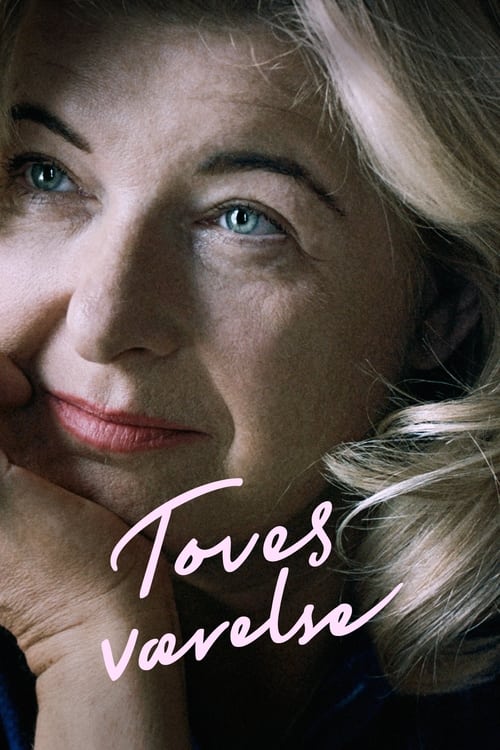
In a flat in Copenhagen, we meet one of the biggest female writers, Tove Ditlevsen, and her husband, the sadistic news editor in chief Victor Andreasen. Toves talent is indisputable, only her husband’s destructive envy surpasses it. Tove looks straight through her husband’s inferiority complex, and yet she puts up with his humiliating behaviour and his violence. He is the one who controls her drug abuse and repeated admissions to the psychiatric ward – the only place in which she truly finds peace to write. Their power struggle needs an audience, and on this very day they’re expecting a lunch guest, the promising young author Klaus Rifbjerg, who celebrates the modern woman. Klaus believes they’ll be talking about literature, what he doesn’t know is that a blood bath awaits him.
From Danish director and actor Paprika Steen comes a caustic comedy about the deep-rooted grievances that can rip families apart -- and the ties that bind them together.
Follows Piv and Ulrik, who are trying to become part of the parent group in their daughter's new school class, going to great lengths to be admitted.
The story of 'Out of Africa' author Karen Blixen, who lived as a coffee farmer in Kenya from in the early part of the 20th century.