William Gaunt
Acting
Biography
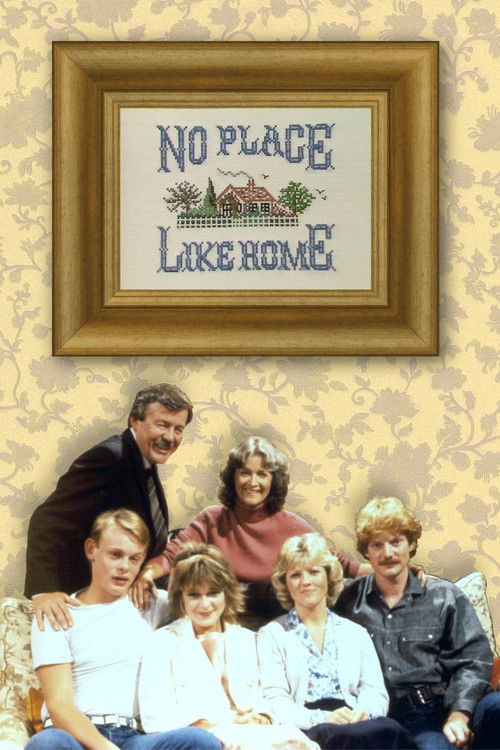
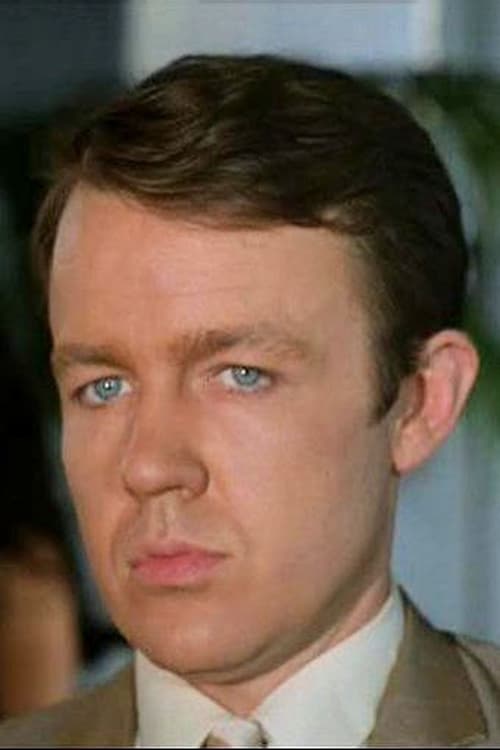
William Charles Anthony Gaunt (born 3 April 1937 in Pudsey, Yorkshire) is an English actor. Gaunt's father was a lawyer. Gaunt attended Giggleswick School and Baylor University, Texas, and then at the Royal Academy of Dramatic Art. He then spent three years working in repertory theatre at Worthing, Bath, Salisbury and Cheltenham. He then spent a year in America and returned to direct productions at Birmingham, Coventry and Cheltenham, interrupted by a spell in the army. After minor roles in 1960s series such as Z-Cars and The Avengers, and the Edgar Wallace Mysteries movies The Sinister Man (1961) and Solo for Sparrow (1962), he gained a role as the super-powered secret agent Richard Barrett in the 1968 British espionage/science fiction series The Champions. He had also appeared in a recurring role in Sergeant Cork following policemen in Victorian London. Between 1983 and 1987 he starred as harassed father Arthur Crabtree in the sitcom No Place Like Home. He subsequently made many guest appearances in other series such as Juliet Bravo and in the Doctor Who episode Revelation of the Daleks. From 1995 to 1997 Gaunt starred in the sitcom Next of Kin opposite Penelope Keith. In 2010 he appeared in the Globe Theatre production of Shakespeare's Henry IV, Part 1. He starred in the 2004 Doctor Who audio series Dalek Empire III. He is currently appearing in the Channel 4 series Cast Offs. In December 2011 he was seen in Episode One of the ITV drama Without You. In February 2012 Gaunt appeared in Midsomer Murders as Ludo DeQuetteville in the episode "The Dark Rider", first aired on ITV1 on Wednesday 1 February 2012. This is his second appearance in this series, after playing Michael Bannerman in the 2004 episode "The Maid in Splendour". In May 2015, Gaunt played Judge St John Redmond in six episodes of EastEnders. (Wikipedia)
Known For

The peacefulness of the Midsomer community is shattered by violent crimes, suspects are placed under suspicion, and it is up to a veteran DCI and his young sergeant to calmly and diligently eliminate the innocent and ruthlessly pursue the guilty.
Midsomer Murders

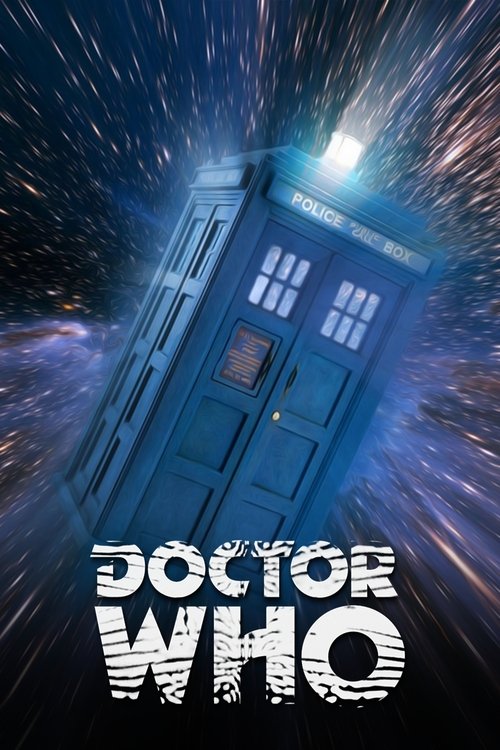
The adventures of The Doctor, a time-traveling humanoid alien known as a Time Lord. He explores the universe in his TARDIS, a sentient time-traveling spaceship. Its exterior appears as a blue British police box, which was a common sight in Britain in 1963 when the series first aired. Along with a succession of companions, The Doctor faces a variety of foes while working to save civilizations, help ordinary people, and right many wrongs.
Doctor Who

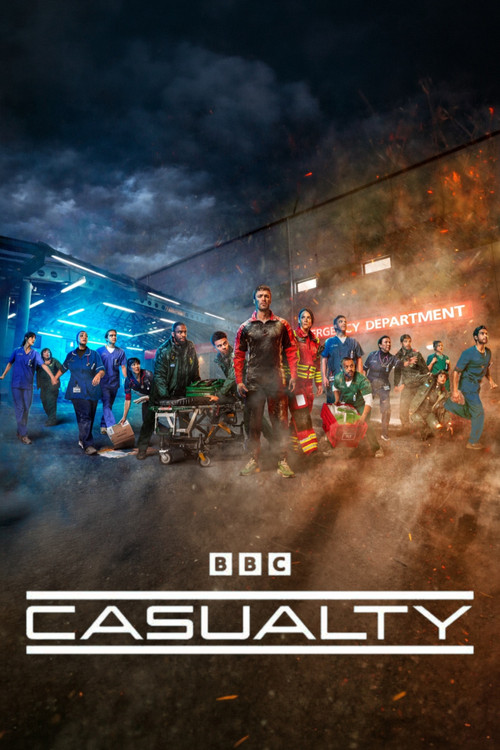
Drama series about the staff and patients at Holby City Hospital's emergency department, charting the ups and downs in their personal and professional lives.
Casualty

A quirky spy show of the adventures of eccentrically suave British Agent John Steed and his predominantly female partners. Jonathan Steed - an urbane, proper gentleman spy - teams with various assistants throughout the series' run, including Dr. David Keel, Cathy Gale, Emma Peel and Tara King, to repeatedly save the world from diabolical schemes plotted by equally diabolical evil-doers (among them robots and man-eating monsters).
The Avengers

Crown Court is an afternoon television courtroom drama produced by Granada Television for the ITV network that ran from 1972, when the Crown Court system replaced Assize courts and Quarter sessions in the legal system of England and Wales, to 1984.
Crown Court

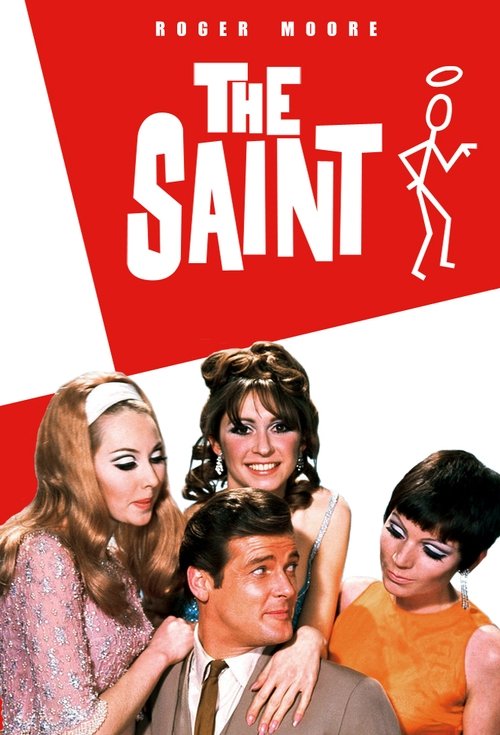
Simon Templar is The Saint, a handsome, sophisticated, debonair, modern-day Robin Hood who recovers ill-gotten wealth and redistributes it to those in need.
The Saint

Set during the 1960s in the fictional North Yorkshire village of Aidensfield, this enduringly popular series interweaves crime and medical storylines.
Heartbeat

Z-Cars or Z Cars is a British television drama series centred on the work of mobile uniformed police in the fictional town of Newtown, based on Kirkby, Merseyside. Produced by the BBC, it debuted in January 1962 and ran until September 1978.
Z-Cars

An anthology series of television plays which aired on BBC1 from October 1964 to May 1970. The plays were usually written for television, although adaptations from other sources also featured.
The Wednesday Play

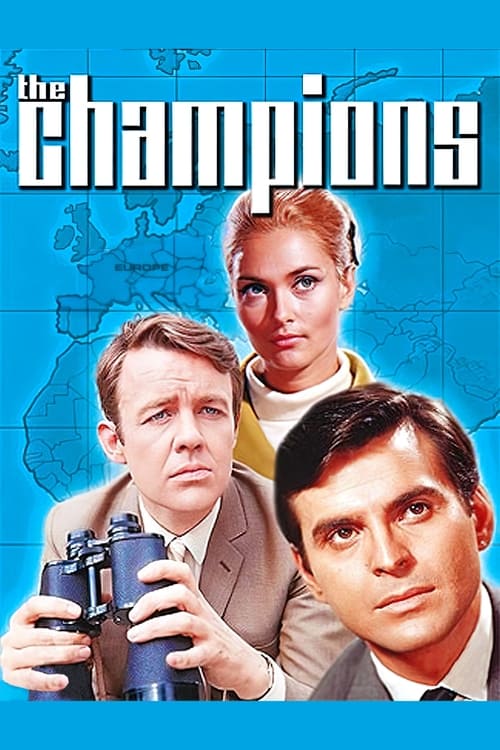
After a plane carrying three Agents crashes in the Himalayas, they are rescued by an advanced civilisation secretly living in Tibet who grant them enhanced versions of the ordinary five senses, and intellectual and physical abilities.
The Champions

What are the secrets of our favourite TV shows? Famous names from both sides of the camera reflect on making some of the most popular and influential programmes of all time.
Remembers…

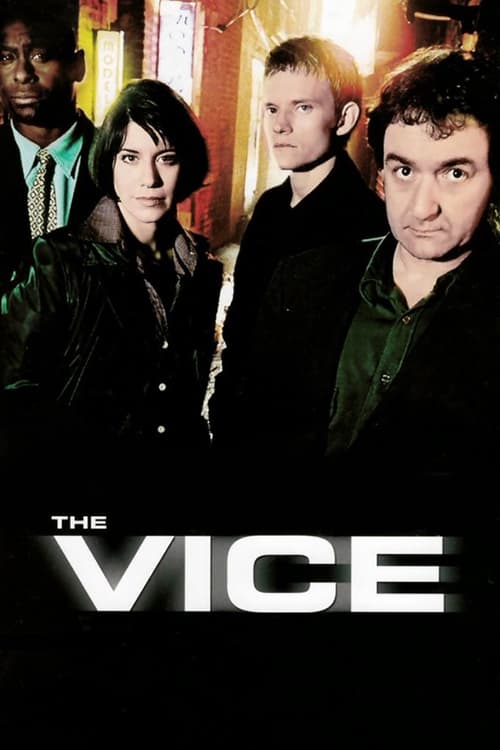
The Vice is an ITV police drama about the Metropolitan Police Vice Unit. Spanning five short series from 1999 and 2003, it follows the London Metropolitan police force's vice squad, where prostitution, underage sex, and such organised crime are regular occurrences. Most episodes end where the main villain is caught but often not in a 'naturally' concluded way expected from other TV dramas, and often ending with more unanswered questions than answered. Leader DI Pat Chappel struggles to manage the balance between his private and professional lives — as do the rest of the team. Working in the seedy underworld leads to a continual dilemma — the tension between the Vice Squad and vice-related crimes runs throughout the series and gives the show a rich viewing experience. The line of the team staying on the right side of the law is often blurred, as almost every member at different points submits briefly or permanently to the dubious temptations, sometimes with drastic consequences.
The Vice
Open Air was BBC1's flagship programme for their new daytime service which began on 27 October 1986. It discussed all aspects of television and also tried to answer any questions which viewers had.
Open Air

This ten episode program was based on ten short stories written by Agatha Christie but with wide-ranging themes. Some were romances, some had supernatural themes and a couple were adventures. The common link was that all came from the talented pen of Agatha Christie, all were entertaining and each drama was carefully crafted and well cast with many of Britain's best known actors of the time represented.
The Agatha Christie Hour

Paul Temple is a British-German television series . It features Francis Matthews as Paul Temple, the fictional detective created by Francis Durbridge, who solves crimes with the assistance of his wife Steve. Paul Temple used overseas locations in France, Malta, Germany and elsewhere.
Paul Temple

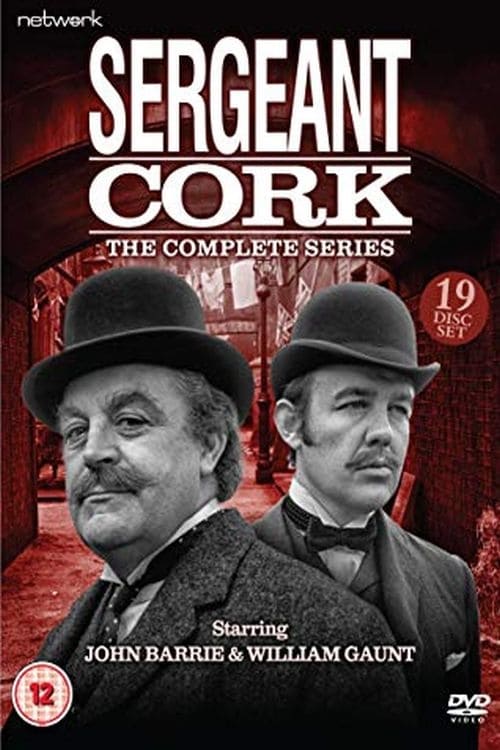
Sergeant Cork is a British detective television series which first aired between 1963 and 1968 on ITV. It was a police procedural show that followed the efforts of two police officers and their battle against crime in Victorian London. In all 66 hour-long episodes were aired during the five-year run, although the last episode was not broadcast until January 1968, 16 months after the others. Journalist Tom Sutcliffe has credited it as a first example of the use of the Victorian-era policeman in a television crime series. A 1969 review in The Age opined that rather than suspense, the strengths of the series were its "excellent period settings and wonderfully thick pea-soupers" which "add up to splendid evocative stuff", as well as the performance of star John Barrie. At no time during the whole series is Sergeant Cork's first name given.
Sergeant Cork

Out of This World is a British science fiction anthology television series made by ABC Television and broadcast in 1962. A spin-off from the popular anthology series Armchair Theatre, each episode is introduced by actor Boris Karloff. Many episodes are adaptations of stories by sci-fi writers including Isaac Asimov, Philip K. Dick and Clifford D. Simak. The series is generally seen as a precursor to the BBC science fiction anthology Out of the Unknown.
Out of This World
This is a series of thrillers designed to keep the audience on the edge of their seats.
Menace

Adapted from M.M. Kaye's best-selling novel, this dramatic HBO miniseries follows two star-crossed lovers -- the young British officer Ash (Ben Cross) and the betrothed princess Anjuli (Amy Irving) -- as they face daunting odds in their quest to be together. Set in India during the time of the British Raj, this haunting (and BAFTA-nominated) love story features spectacular scenery and an epic saga of battle, treachery and intrigue.
The Far Pavilions

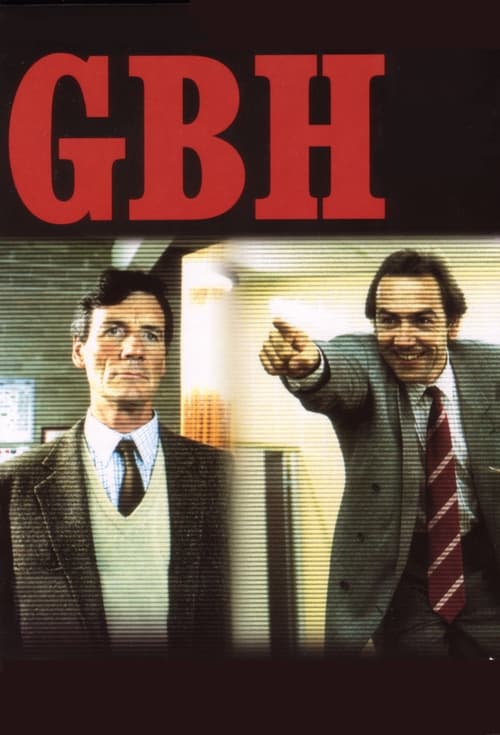
GBH was a seven-part British television drama written by Alan Bleasdale shown in the summer of 1991 on Channel 4. The protagonists were Michael Murray, the Militant tendency-supporting Labour leader of a city council in the North of England and Jim Nelson, the headmaster of a school for disturbed children. The series was controversial partly because Murray appeared to be based on Derek Hatton, former Deputy Leader of Liverpool City Council — in an interview in the G.B.H. DVD Bleasdale recounts an accidental meeting with Hatton before the series, who indicates that he has caught wind of Bleasdale's intentions but does not mind as long as the actor playing him is "handsome". In normal parlance, the initials "GBH" refer to the criminal charge of grievous bodily harm - however, the actual intent of the letters is that it is supposed to stand for Great British Holiday.