Acting
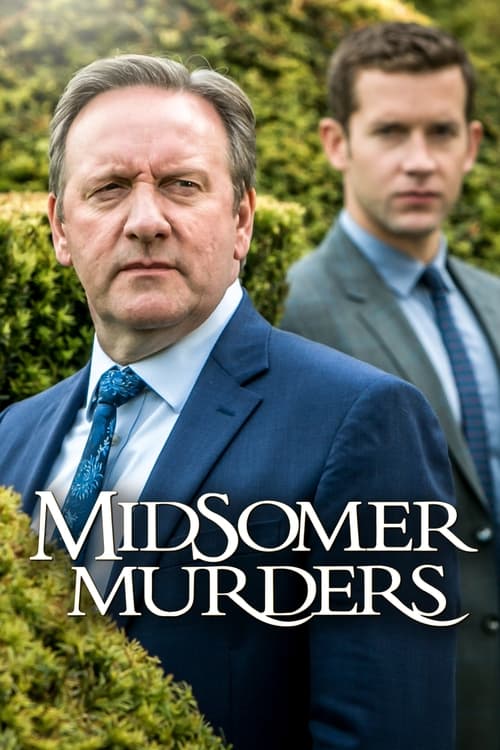
The peacefulness of the Midsomer community is shattered by violent crimes, suspects are placed under suspicion, and it is up to a veteran DCI and his young sergeant to calmly and diligently eliminate the innocent and ruthlessly pursue the guilty.
Play for Today is a British television anthology drama series, produced by the BBC and transmitted on BBC1 from 1970 to 1984. During the run, more than three hundred programmes, featuring original television plays, and adaptations of stage plays and novels, were transmitted. The individual episodes were between fifty and a hundred minutes in duration.
Drama series about the staff and patients at Holby City Hospital's emergency department, charting the ups and downs in their personal and professional lives.
Talented chefs battle it out against the clock, creating delicious dishes in 20 minutes
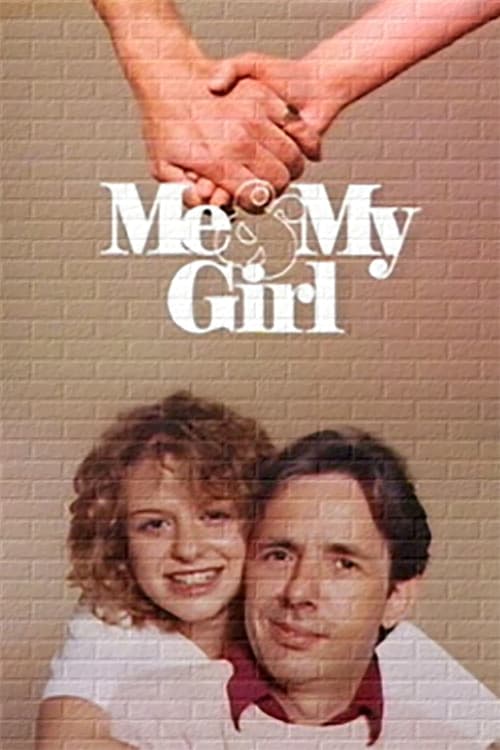
While running the advertising agency Eyecatchers, Simon Harrap explores his relationships with his daughter Samantha, his business partner Derek Yates, and a string of romantic liaisons. His mother-in-law, Nell, often interferes in his attempts to raise Samantha on his own, but usually haa her granddaughter's best interests at heart.
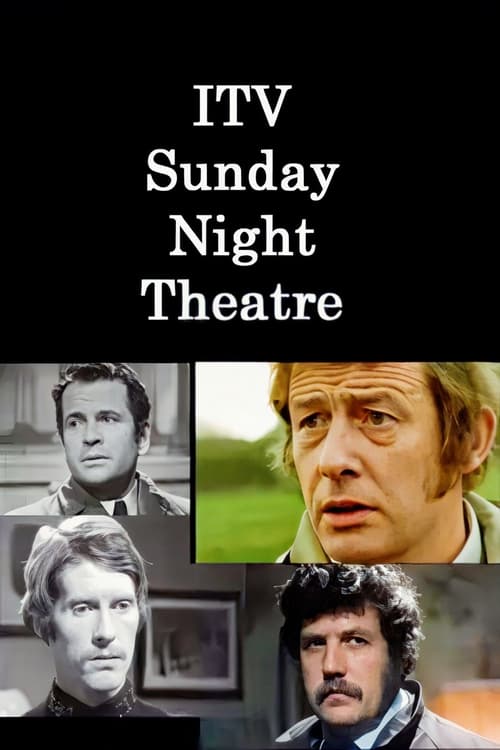
Anthology series of dramatic works.
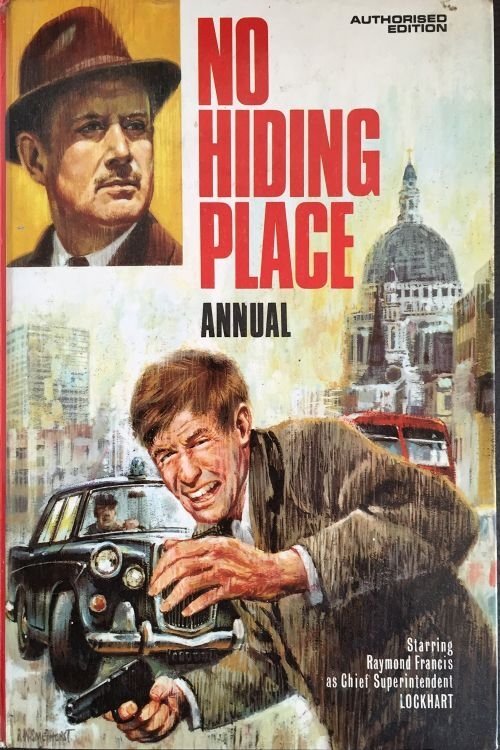
No Hiding Place is a British television series that was produced at Wembley Studios by Associated-Rediffusion for the ITV network between 16 September 1959 and 22 June 1967. It was the sequel to the series Murder Bag and Crime Sheet, all starring Raymond Francis as Detective Superintendent, later Detective Chief Superintendent Tom Lockhart.
Eldorado was a British soap opera that ran for only one year, from 6 July 1992 to 9 July 1993. Set in the fictional town of Los Barcos on the Costa del Sol in Spain and based around the lives of British and European expats, the BBC hoped it would be as successful as EastEnders and replicate some of the sunshine and glamour of imported Australian soaps such as Home and Away and Neighbours. A co-production between the BBC and independent production company Cinema Verity, Eldorado aired three times a week in a high-profile evening slot on the mainstream channel BBC1, filling the slot vacated by Terry Wogan's chat show Wogan, on Mondays, Wednesdays and Fridays at 7.00pm. In spite of a high-profile advertising campaign on television, radio and in the press preceding the launch, the programme was not initially a popular hit with viewers and critics. Ratings improved with a radical overhaul, but it was eventually cancelled by the new controller of BBC1, Alan Yentob.
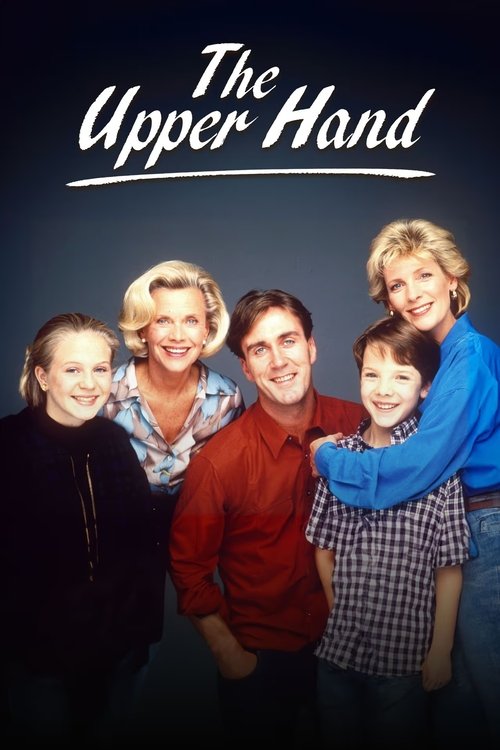
The Upper Hand is a British television sitcom, produced by Central Independent Television and Columbia Pictures Television and broadcast by ITV from 1990 to 1996. The programme was adapted from the American sitcom Who's the Boss?. As in the former series, an affluent single woman, raising a son with the help of her mother, hires a housekeeper only to have a man apply for the job.
A ghost-hunting duo team up to uncover and film paranormal sightings across the U.K. and share their adventures on an online channel. Their supernatural experiences grow more frequent, terrifying, and even deadly as the pair begin to uncover a conspiracy that could threaten the entire human race.
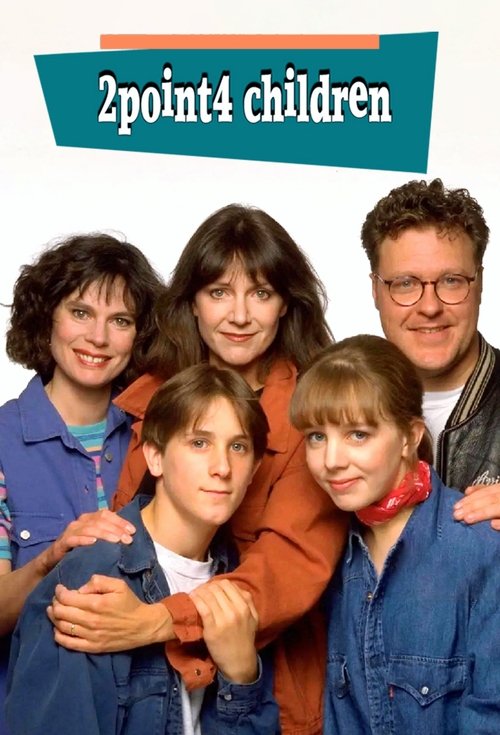
They're just your average family. Stressed mum Bill, daft dad Ben, and two troublesome teens. Plus just a few crazy ideas, escapades and mishaps. The classic 90s sitcom.
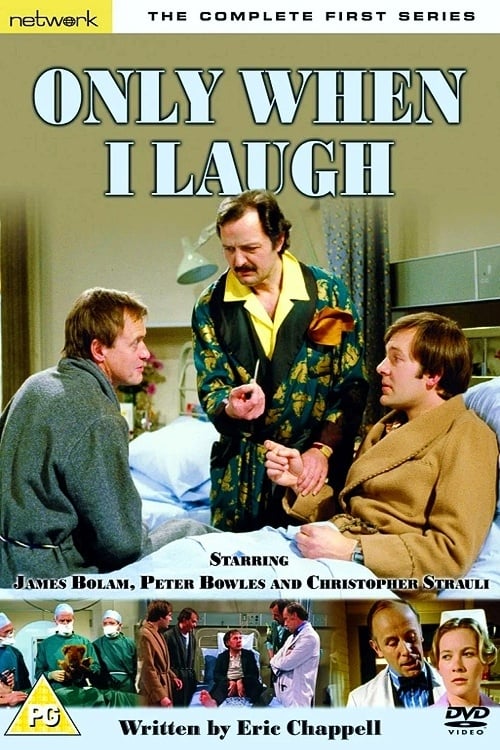
Only When I Laugh is an ITV1 sitcom broadcast from 29 October 1979 to 16 December 1982 for four series with seven episodes each, and a Christmas special in 1981. The title is the answer to the question, "Does it hurt?" A naïve middle-class man is admitted to an NHS hospital ward, shared with a working-class layabout and an upper-class hypochondriac. The trio never fail to cause a nuisance for the poor, unsuspecting staff.
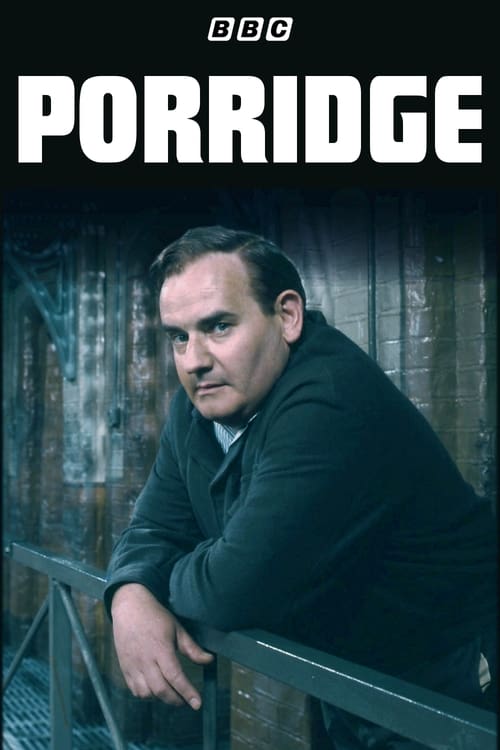
Porridge is a British situation comedy broadcast on BBC1 from 1974 to 1977, running for three series, two Christmas specials and a feature film also titled Porridge. Written by Dick Clement and Ian La Frenais, it stars Ronnie Barker and Richard Beckinsale as two inmates at the fictional HMP Slade in Cumberland. "Doing porridge" is British slang for serving a prison sentence, porridge once being the traditional breakfast in UK prisons. The series was followed by a 1978 sequel, Going Straight, which established that Fletcher would not be going back to prison again. Porridge was voted number seven in a 2004 BBC poll of the 100 greatest British sitcoms.
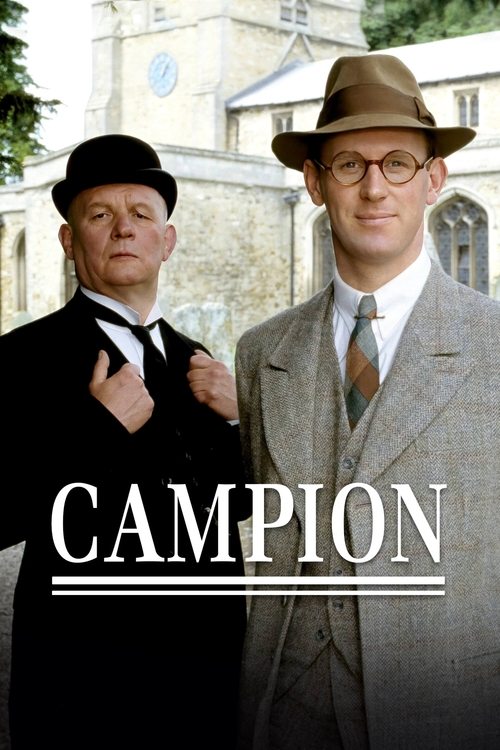
Campion is a television show made by the BBC, adapting the Albert Campion mystery novels written by Margery Allingham. Two series were made, in 1989 and 1990, starring Peter Davison as Campion, Brian Glover as his manservant Magersfontein Lugg and Andrew Burt as his policeman friend Stanislaus Oates. A total of eight novels were adapted, four in each series, each of which was originally broadcast as two separate hour-long episodes. Peter Davison sang the title music for the first series himself; in the second series, it was replaced with an instrumental version.
After 17 years of married life, Chris and Katy Bunting are faced with being parents for the first time. The repercussions are only just starting to become apparent.
Series of plays based on Irish short stories.
Second Time Around is an American sitcom
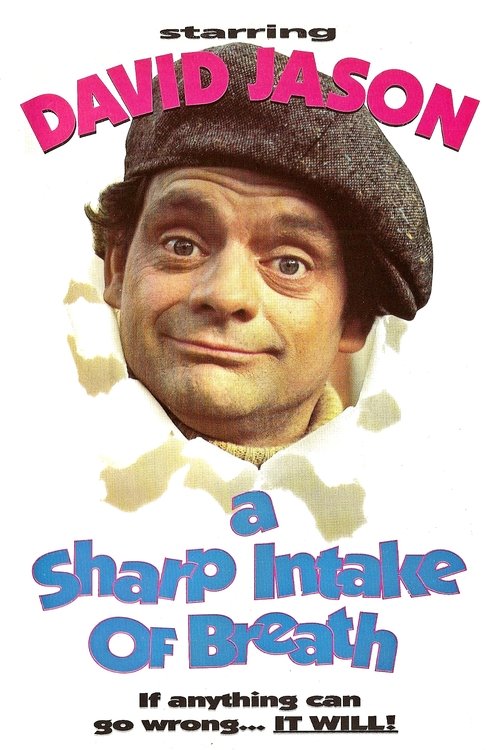
British sitcom in which happy-go-lucky character Peter Barnes comically and haphazardly tries to deal with the daily frustrations his life throws at him.
An anthology series wherein the ten commandments are interpreted in contemporary scenarios by different writers. It was transmissioned from 30 March to 1 June 1971 on ITV Yorkshire.
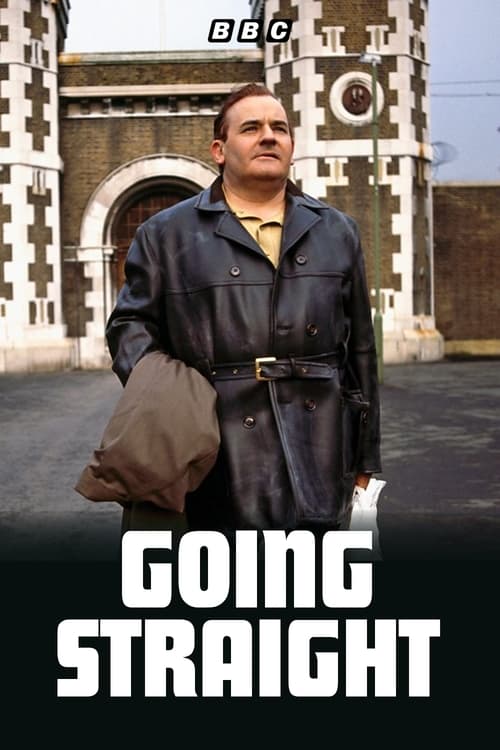
Going Straight is a BBC sitcom which was a direct spin-off from Porridge, starring Ronnie Barker as Norman Stanley Fletcher, newly released from the fictional Slade Prison where the earlier series had been set. It sees Fletcher trying to become an honest member of society, having vowed to stay away from crime on his release. The title refers to his attempt, 'straight' being a slang term meaning being honest, in contrast to 'bent', i.e., dishonest. Also re-appearing was Richard Beckinsale as Lennie Godber, who was Fletcher's naïve young cellmate and was now in a relationship with his daughter Ingrid. Her brother Raymond was played by a teenage Nicholas Lyndhurst. Only one series, of six episodes, was made in 1978. It attracted an audience of over 15 million viewers and won a BAFTA award in March 1979, but hopes of a further series had already been dashed by Beckinsale's premature death earlier in the same month.