Paulo Bruscky
Directing
Biography
Multimedia artist since 60s. His work transits between conceptual art, performance, mail art, visual poetry, video art, photograph, sound art, urban interventions, installation, electrographic process, artist books, land art, collage, among other languages. Awarded with a Guggenheim Fellowship in 1981.
Known For

No description available.
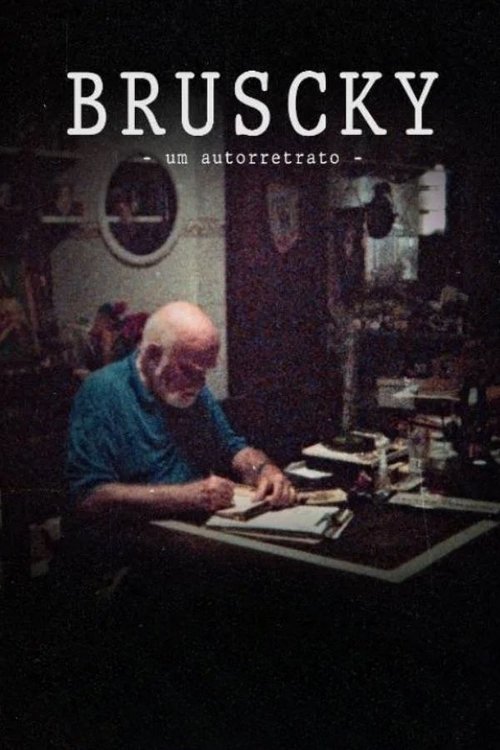
Bruscky: Um Autorretrato

No description available.
Reflection

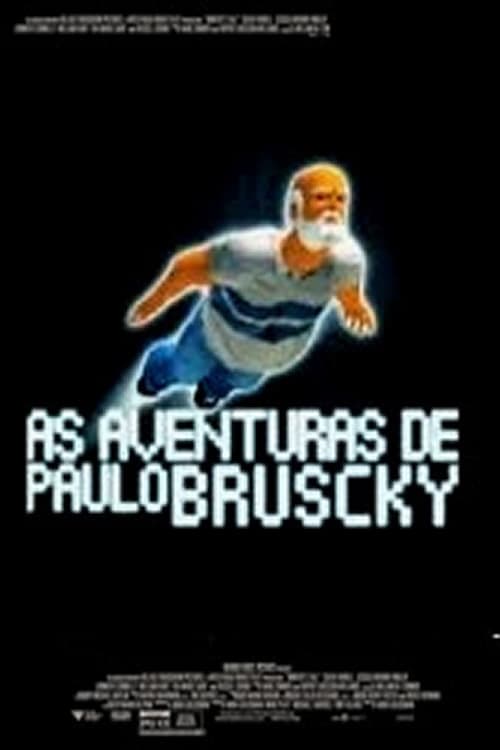
Entering the virtual world of “Second Life”, Brazilian visual artist Paulo Bruscky meets film director Gabriel Mascaro. Mascaro, an ex-film film director from north-east Brazil currently lives and works making machinima (virtual short films) in the “Second Life”. Paulo hires Gabriel to make a machinima documentary of his adventures as a newcomer to the “Second Life”.
The Adventures of Paulo Bruscky

Arte Cemiterial (Cemiterial Art): Documentation of an individual exhibition of Paulo Bruscky at the Empetur Gallery, Recife, in 1971, where he launched the Xerografia and the Cemeterial Art with a happening -
Arte Cemiterial
No description available.
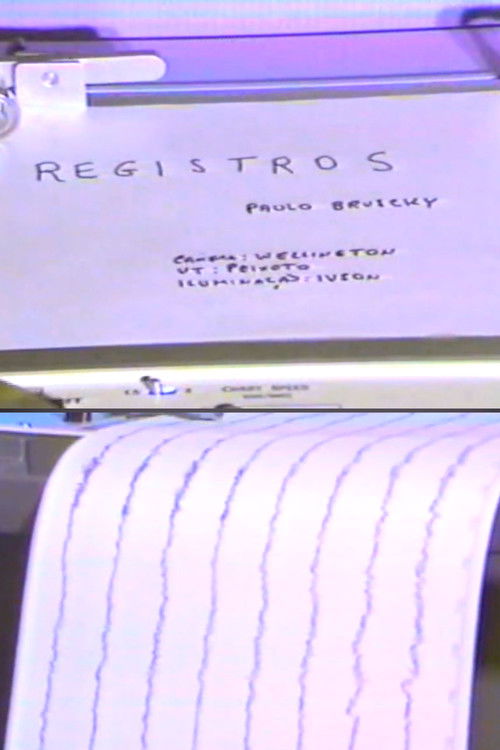
Registros
The heads and tails of reels of Super-8, made of white plastic and printed with text in red, are the material used on the film; the film is comprised only of ends, and the ends are the film.
Poema

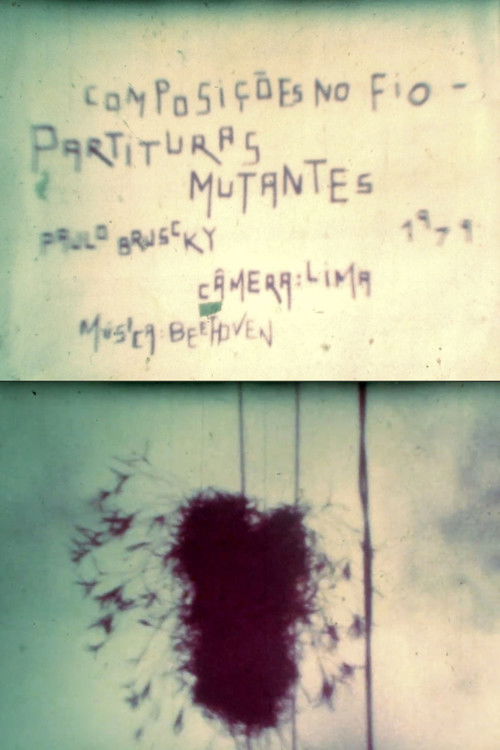
Composições nos Fios - Partituras Mutantes (Compositions in the wires - Mutant Partitions). The plant nests added to the electric wires of the city of Gravatá - (Brazil) are transformed into musical scores.
Composições no Fio - Partituras Mutantes

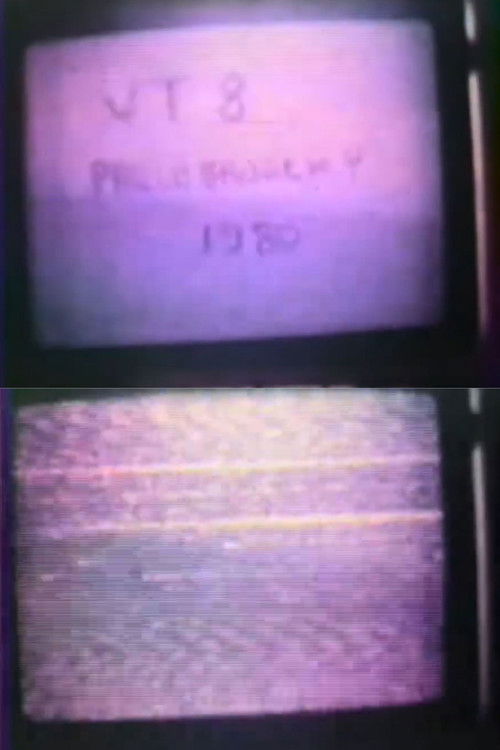
Experimental film made with television images out of the air.
VT 8

Poema (Poem): Visual poetry. A film where the corner is the film and the film is the corner.
Poema

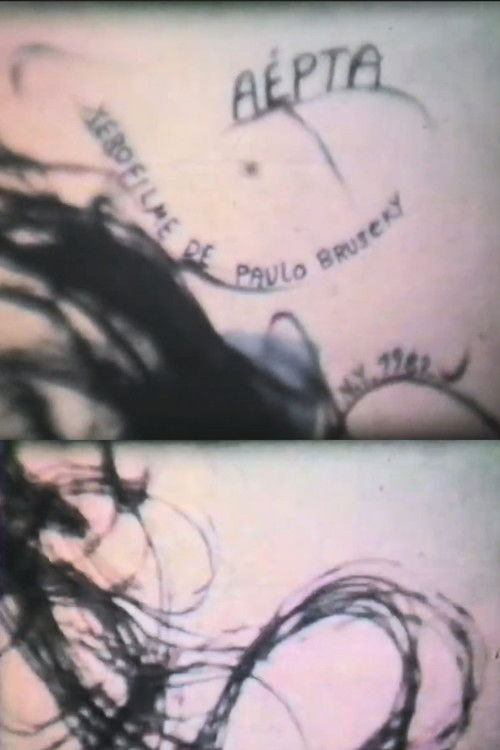
Experimental xerofilm shot on Super 8 and made in New York in 1982, developed from experiments with moving sewing threads over a slide mount frame, projected onto a color Xerox machine through a mirror. Mutations and effects arise from alterations also produced by the machine, together with chance. The xerofilm opens a new field for animation and experimental cinema.
Aépta

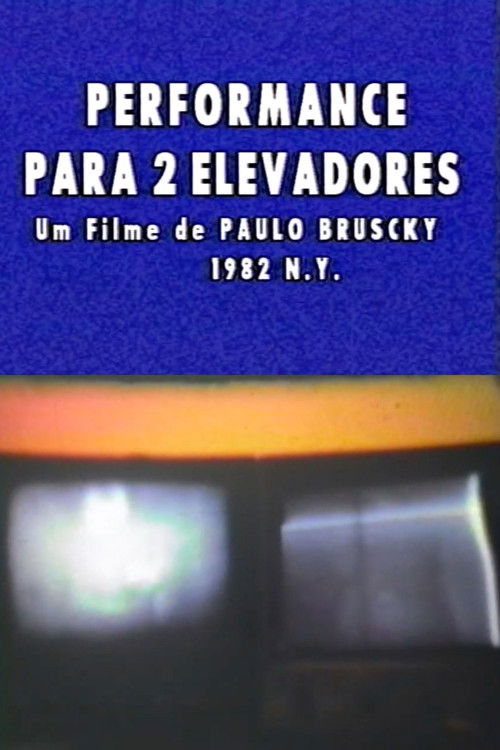
Scenes of people (superior views) entering and exiting simultaneously from 2 parallel elevators
Performance Para 2 Elevadores

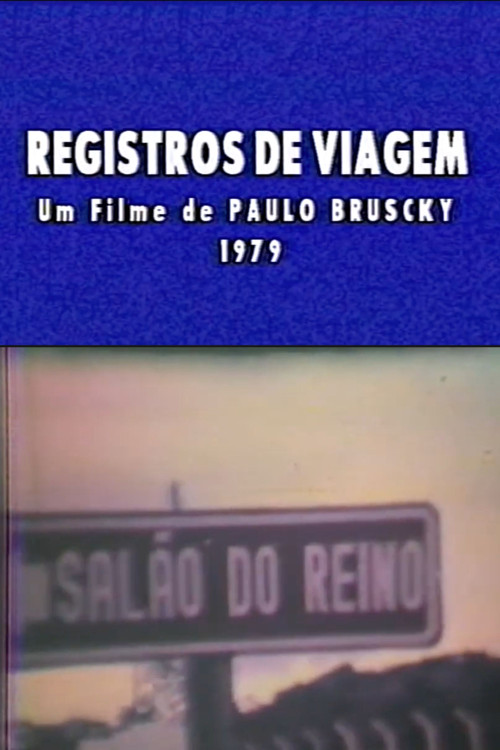
Random scenes recorded during a trip through different places in Pernambuco (Brazil), the artist's home state.
Registros de Viagem

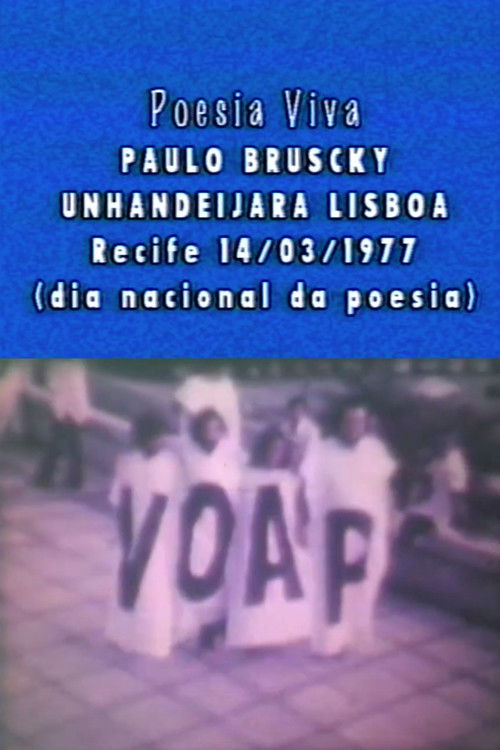
A film about Poesia Viva, an idealized street art happening/event directed by Paulo Bruscky and Unhandeijara Lisboa, on March 14 (National Day of Poetry in Brazil), where people were dressed as letters and the surface of the floor was the pages.
Poesia Viva

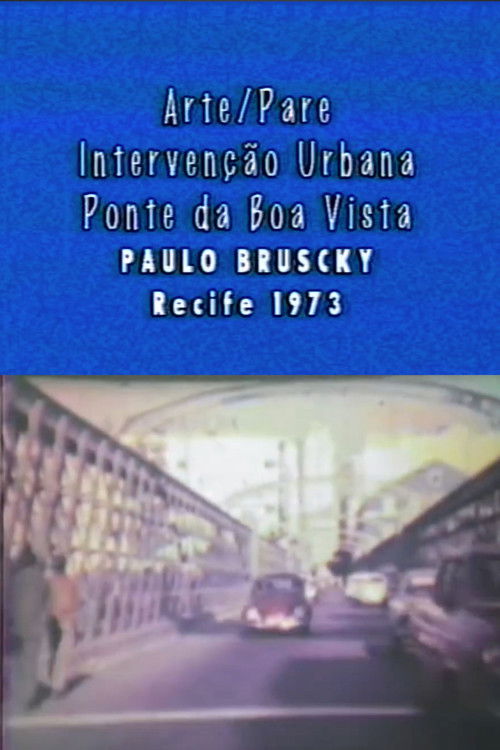
This film documents the completion of an art project by Paulo Bruscky in the street, which consists of the reopening of the Boa Vista bridge, built in 1633. The artist placed a huge pink ribbon with a bow on the bridge entrance, sidewalk and pedestrian crossing, causing traffic congestion in the city center for several minutes and creating unusual situations for passers-by.
Arte Pare

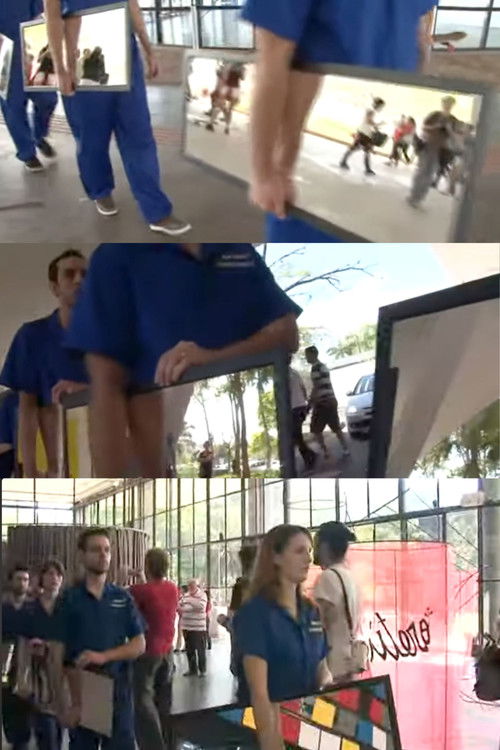
Eight people dressed in overalls, carrying mirrors (1mx0.40m) and walking in the rank of the Museum of Modern Art of São Paulo (MAM-SP) and in the site of the Biennale, interacting and reflecting the audience. According to Paulo Bruscky: “the artists, with their mirrors and their silences, collect fragments of landscapes and passengers of QuotidiArte. The art in transit and in all senses.”
Os Carregadores de espelhos

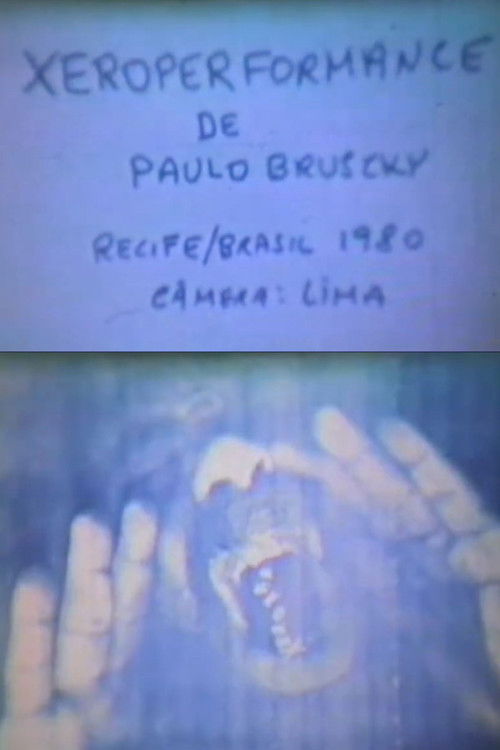
Film made through the xerographic process, opening up a new field for animation and experimental cinema. This xerofilm reveals the artist’s bodily relationship with the Xerox machine.
Xeroperformance

Film made through the xerographic process (xerofilme), opening a new field for cartoon and experimental cinema. The film is the xero/graphic recording where the artist burned various materials over a copy machine´s surface and then filmed, frame by frame (or scene by scene), the result of the experiment.
LMNUZX, Fogo!

Vitrines e cartões postais (vitrines and postcards). Store displays and random scenes filmed in the United States and Europe in 1982.
Vitrines e Cartões Postais

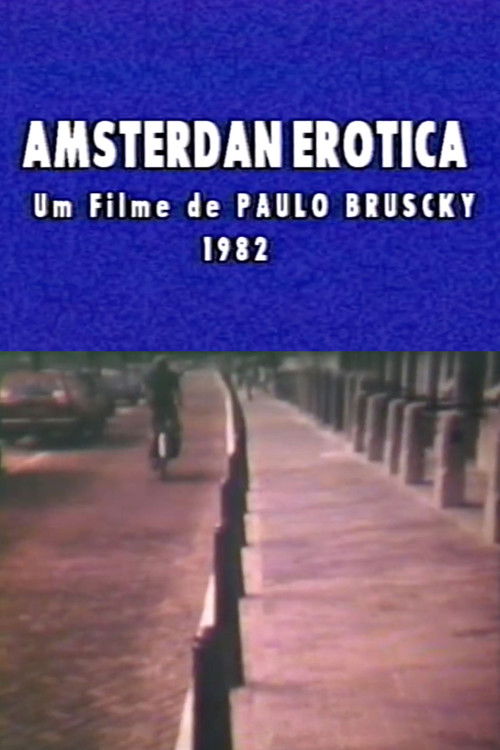
Bruscky wanders around Amsterdam in search of phallic symbols.
Amsterdam Erótica

The artist uses an electroencephalograph and offers a direct graphic work of the brain on paper without using the hands as intermediates of the drawings.