Acting
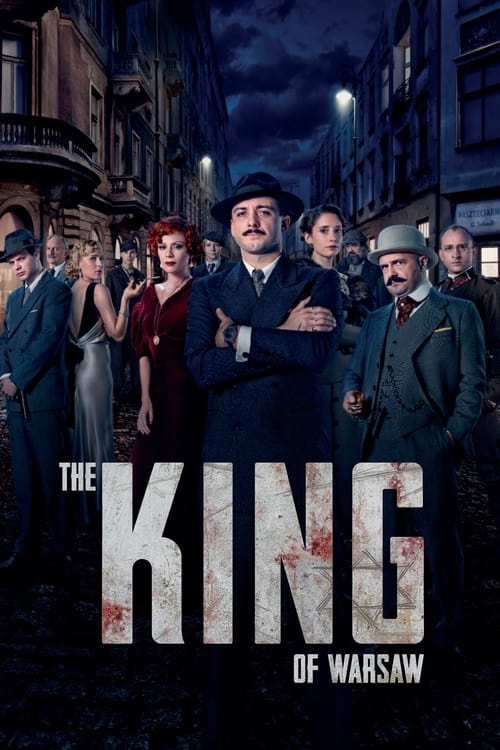
1937 Warsaw, Poland. The Jewish mafia rules the city. Head honcho is gangster socialist, Buddy Kaplica. His right-hand man, boxer, Jakub Szapiro who dreams of taking over Buddy's top spot as King of Warsaw.
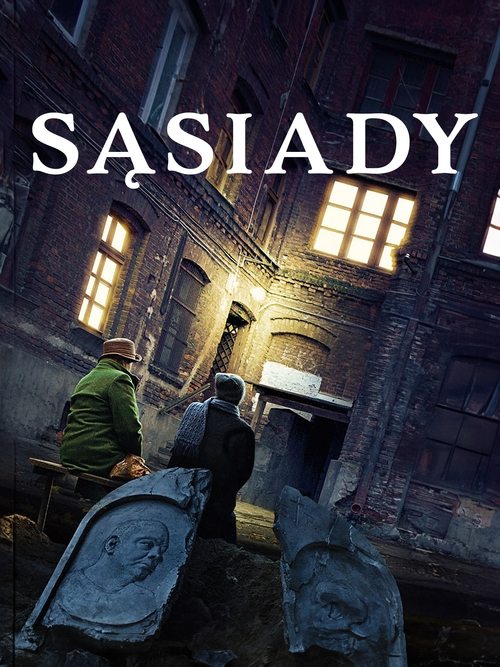
Ogrodowa Street in Lódz - just opposite a crowded shopping center, a state-of-the-art museum and a posh hotel - is where some of the city's poorest live, completely forgotten by the world. A heart-warming and funny portrait of people excluded from the mainstream of social life; people who might be more capable of sacrifice and love than those who pushed them to the sidelines of society.
Bronek Pekosinski lives in Zamosc, Poland. He is probably 83 years old. He has no family and does not really know who he is. Everything about his life is fictitious: symbolic is the date of birth - the day World War II broke out, as well as his surname - after PKOS, an abbreviation of a charitable institution, and the place of birth - the Nazi concentration camp, from where his mother threw him over a barbed wire fence. Even his friends and guardians turned out to be false. Only his loneliness and his hump seem to be authentic. Two great powers have vied for young Bronek's soul: Roman-Catholic church and a totalitarian state. He fell into alcoholism. Partially paralyzed as the effect of cerebral hemorrhage, he is fired with an ambition of acquiring a mastery in a game of chess.
A journalist from "Gazeta Wyborcza" recalls his investigative reports and the consequences he suffered while trying to reveal the truth.
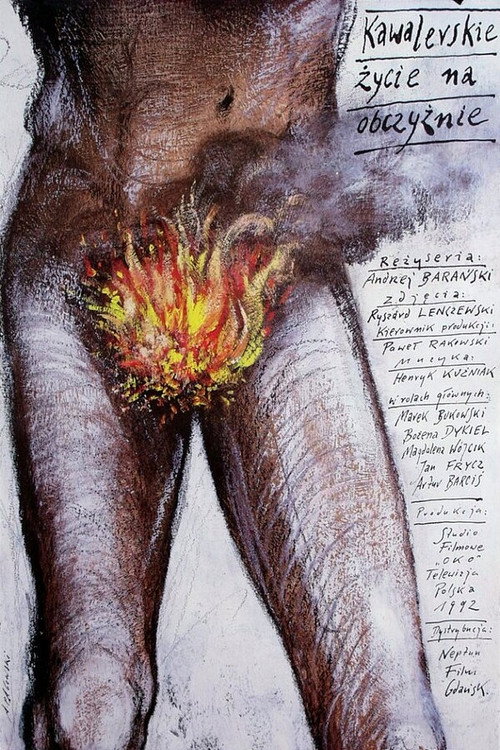
The action is set in the early 20th century. The film is made up of six sequences. In the first, Michal, young man who came from Poland to Germany, enrolls in a course on how to behave in social situations and on etiquette. However when he tries to approach girls using the rules which he's been taught... he only makes a fool of himself. Then, he goes to work for a man who owns a carousel and who loves to chase other women. In the next sequence, Michal meets the divorced landlady, Mrs. Luther, and goes through a whole lot of erotic experiences. When he escapes exhausted from his landlady, he starts working in a mine and visits brothels on a regular basis. He looks on women in a totally cynical manner. However, his persistent wandering must finally result in a true love.
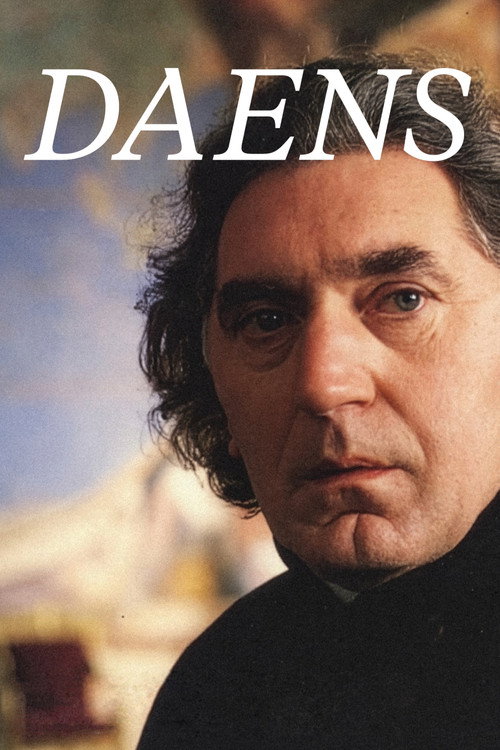
Father Daens returns to Aalst, where workers suffer from poverty, child labor, and exploitation in the textile industry. Driven by his sense of justice, he takes their side, even if it means confronting the church and the upper class. A detailed historical drama about the fight for justice.
Panoramic view of a resort town in the summer of 1930. In seventeen episodes we get a glimpse at the microcosm of its colourful inhabitants and visitors, Poles and Jews, the high society and the desperately poor.
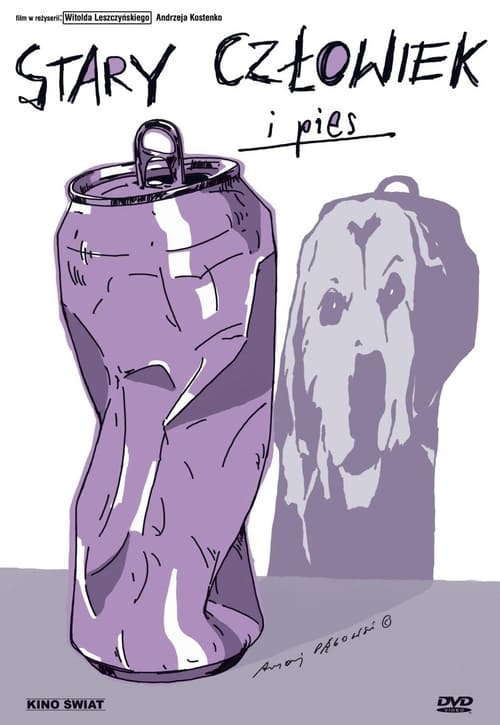
The film presents the story of Robert - an aging, once-recognized artist who is today struggling with his own complexes and vices, and helplessness towards a new reality that ruthlessly throws him to the margins of existence. One day Robert finds himself in a roadside ditch hit by a dog's car. In a reflex of spontaneous compassion, he takes the dog home and begins to look after him.
Handsome, wealthy neurosurgeon Philip Morawski decides to spend the weekend with a sinful young nurse, Dominica. Unfortunately, these romantic plans could upset his doctor wife, who is also staying at the same hotel on business. But for a man who works daily with a scalpel in his hand, there are no insurmountable obstacles.
A lonely 17 –year-old Ania (the Newbie) is seeking acceptance in a group of peers playing risky urban games. She pays for her strivings with a loss of faith in values. With nothing to lose, Ania invents a daredevil game, supposed to provoke the group and especially its leader-Czarny, to think. The surprising end of the film gives a new chance to return to normality for its characters. The film is based on the short story 'Moc słowa' [The Power of Word] by Anna Czajka and corresponds to the second Commandment: 'You shall not take the name of the Lord your God in vain'.
Two workers, bored with their current situation, decide to rob a famous movie director.
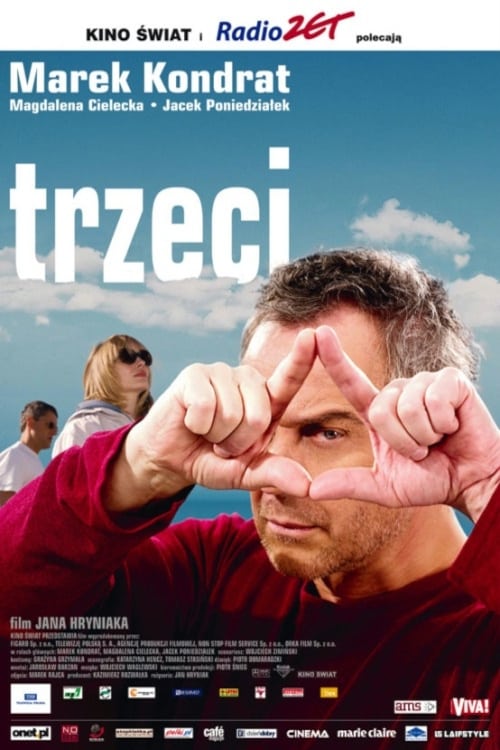
Contemporary Poland. A couple of 30-somethings, Ewa and Pawel, are spending their long-planned dream vacation on a yacht. Attractive Ewa is bored with her life, in which there is no room for anything but work, and longs for true love. Pragmatic Paul is completely consumed by the occupation through which he achieved financial success. The trip was supposed to improve relations between spouses, to revive extinguished feelings. Unfortunately, the man has to interrupt his vacation to finalize a lucrative contract. A newly met elderly man will be the one to help the spouses get closer.
The social and independence ferment triggered in the fall of 1980 by Solidarity created an opportunity for dialogue between the nation and the ruling communists. Dialogue, not force. As always, students quickly joined the "rebellion and pressure." They wanted autonomy for Polish universities and their own independent representation, as well as sovereignty, without the "leading role of the party." When these dreams were not fulfilled, at the beginning of 1981, students at the University of Łódź went on their first long strike, which ended in success, and when martial law was declared in December 1981, the same students rushed to protest in the form of an occupation strike, which ended in pacification. The film consists of statements by the protagonists and witnesses of those events, archival footage, and staged sequences.