Writing
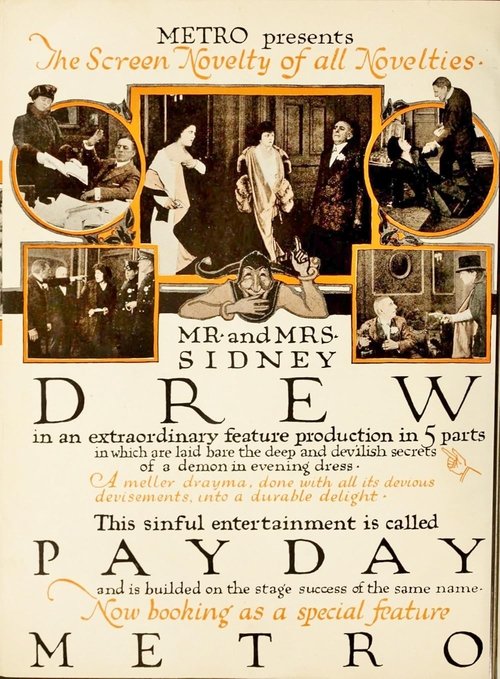
The Drews are considering new scripts when they decide to produce Pay-Day, the melodramatic story of the wealthy and sinister Kirke Brentwood and his lower-class wife, Doris Fenton.
No description available.
Based on an idea by Helen Duey.
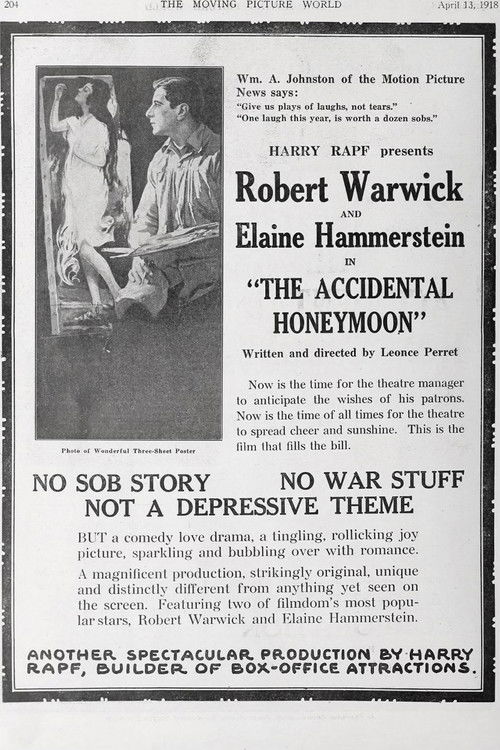
Young Kitty runs away from home to avoid marrying a man she doesn't love. Her car breaks down on a country road and she meets Robert, a young artist who has just been turned down by a woman he loved madly and is about to commit suicide by lying on the railroad tracks.
Mr. & Mrs. Sidney Drew short, reported as extant, archived at the George Eastman Museum.
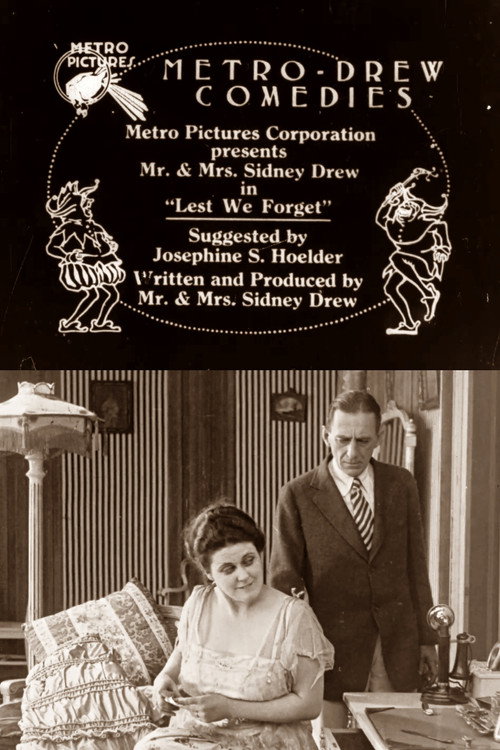
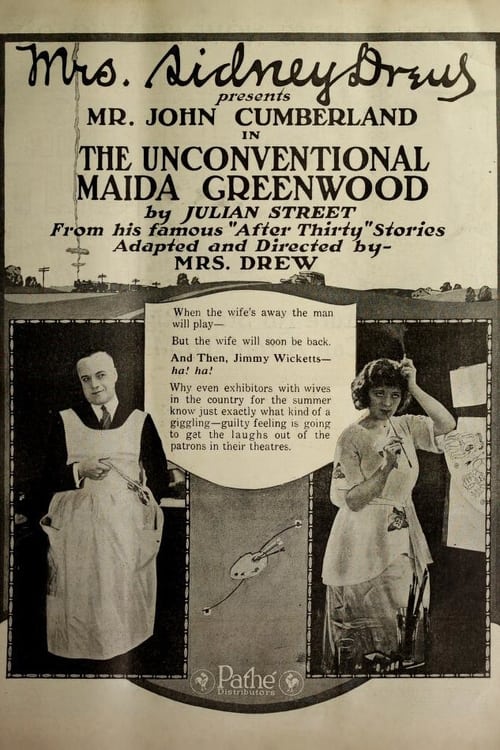
Polly persists in putting to Henry the embarrassing question, "Henry, am I really the first woman you ever loved or asked to marry you?" The arrival on the scene of one of the numerous women of Henry's affectionate past causes him to sweat drops of blood until he discovers that the only confidence exchanged with his wife by the mischievous lady is the news that she is engaged to be married.
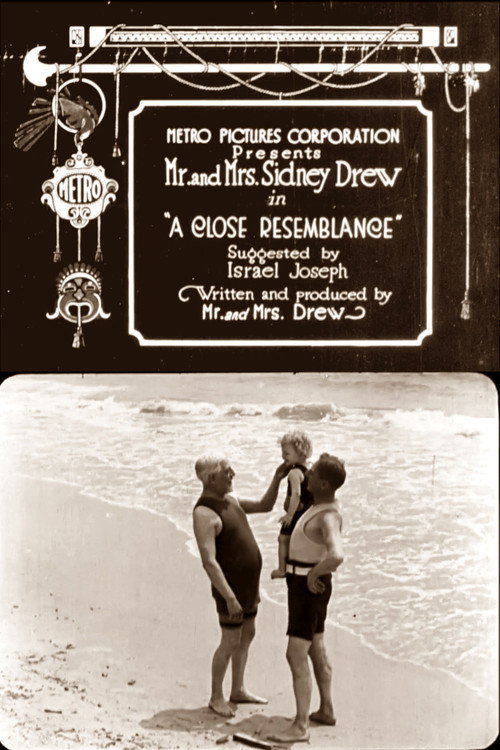
Mom and dad proudly exhibit a beautiful child which daddy persists in believing bears an uncanny resemblance to himself.
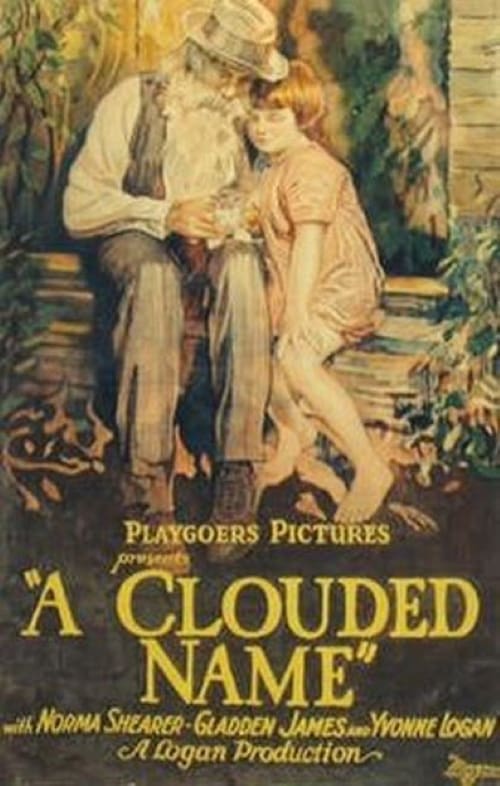
To avoid seeing Marjorie Dare, Jim Allen visits Stewart Leighton at the latter's country home. (Five years earlier Jim's engagement to Marjorie Dare was broken when her mother was killed and his father disappeared.) Through certain circumstance Marjorie also becomes Leighton's guest, and Jim moves out into the woods. There he meets Smiles, a little girl in the care of strange old Ben Tangleface. Leighton wishes to wed Marjorie for her money and is trying forcefully to persuade her to accept him when Jim comes to the rescue. But Ben, his memory stirred by the sight of Leighton, kills him. Explanations reveal Smiles to be Dorothy's sister and Ben, Jim's father. He was wounded while defending Marjorie's mother, whom Leighton killed.
Smilin' Billy Parsons comedy distributed by National.
Henry, after being neglectful in sending his wife flowers and candy, is aroused to a jealous rage when his wife proceeds to have flowers and candy sent to herself.
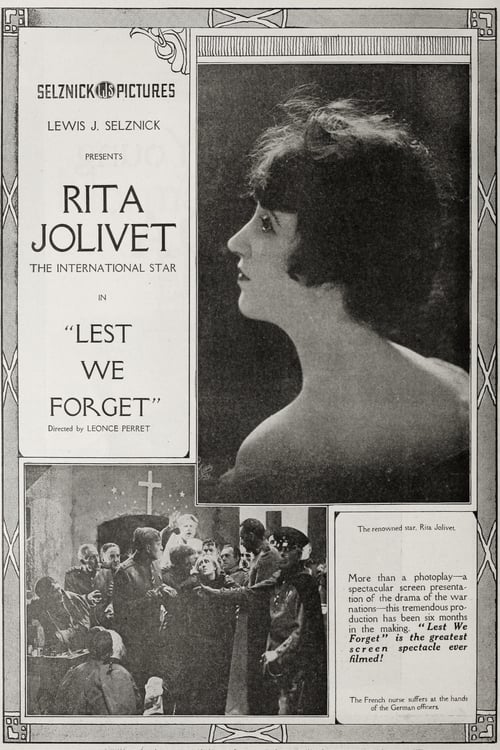
A story of the First World War, told in semi-documentary style, focusing on the iniquities of the German war machine, and with its dramatic center the sinking by a German U-boat of the passenger liner Lusitania in 1915.
The son of a wealthy farmer loves a simple maid, for which he's booted out of the house by his father.
In spite of all the troubles (and successes) which the "unmarried look" causes Henry, he finally rises to the "very crown" of the hat business.
Mrs. Ryder, desirous of experimenting with chickens, persuades her husband to bring her home a dozen hens. The end of the first day finds her in tears because of the non-appearance of an expected dozen eggs.
Mrs. Marsh thinks she knows just how to get money out of her husband every time she wants to buy a new dress, but then he gets stubborn and decides to teach her a lesson.
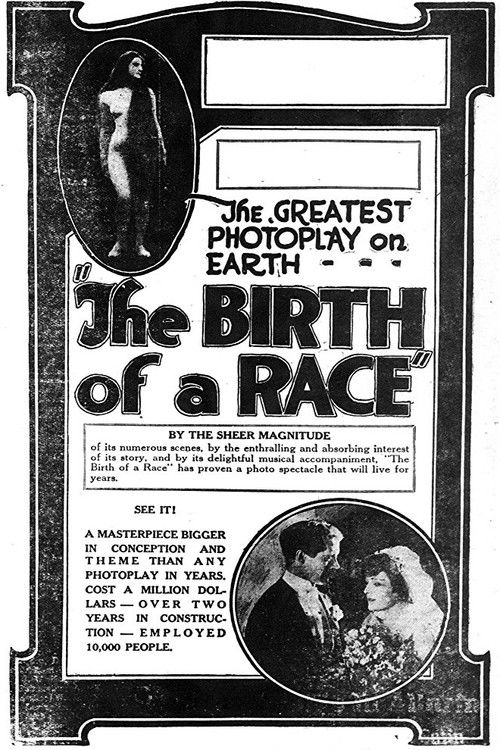
This epic traces, from the Beginning, the lineage of the race of peace-loving people. Mankind at its best is highlighted as greatness of character across the centuries is displayed: Noah heeding God's command, Moses leading the Israelities, Jesus Christ dying to save humanity and promote His message of peace. Moving into our modern epoch: Columbus's discovery of America, the Declaration of Independence, the Emancipation Proclamation; A race of free humans committed to the proliferation of peace and freedom. What becomes of this race when autocratic powers threaten democracy in the time of the first World War?
Found in the Library of Congress film archive in June 2017 and was screened at Dexter's Inn in Sunapee, New Hampshire on July 12, 2017.
Billy Ruge puffs too hard on the opium pipe and dreams he is on a pirate ship with an all-woman crew..... well, almost,