Writing
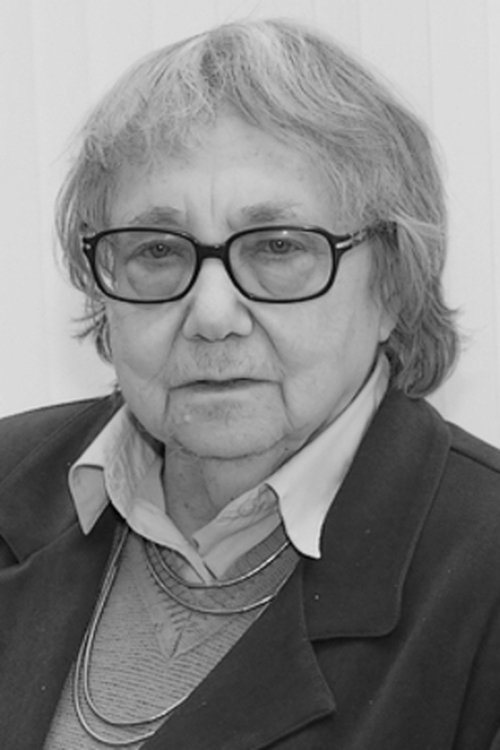
Maya Maksovna Merkel was a Soviet and Russian documentary filmmaker and screenwriter.
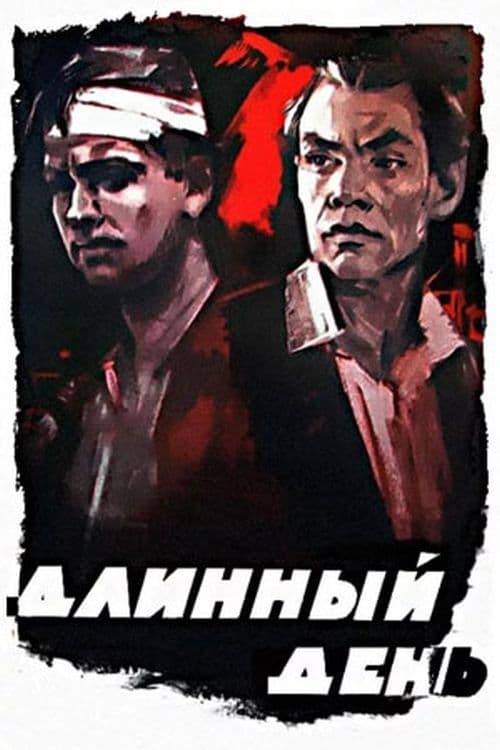
Based on the novel of the same name by Mikhail Sholokhov, about the fate of people broken by the First World War, the October Revolution of 1917 and the Civil War in Russia (1917-1922), about the collapse of the foundations and ideals of the Don Cossacks of Russia at the beginning of the XX century, about the personal tragedy of the protagonist — Grigoriy Melekhov.
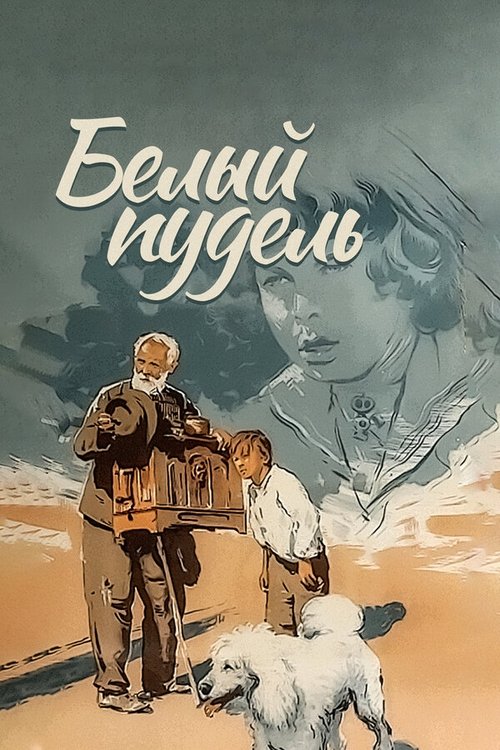
A story about three circus actors and their adventures. Based on classic novel by Aleksandr Kuprin.
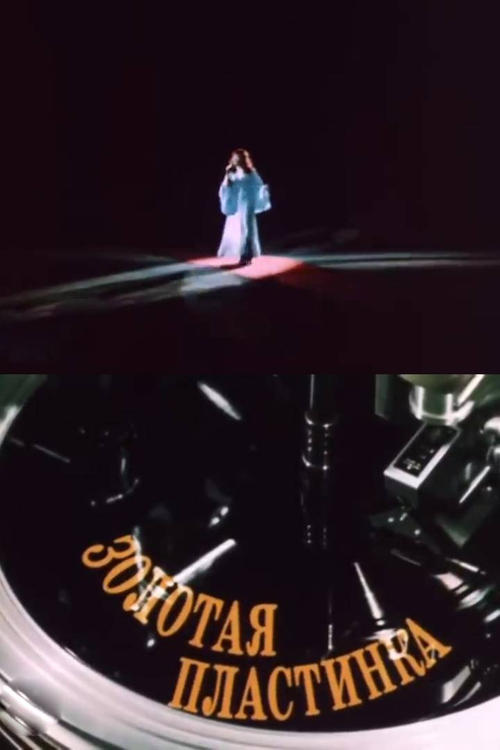
The following guests take part in the music concert-documentary: Rosa Rymbaeva, Dmitry Pokrovsky folklore Ensemble, Elena Kamburova, Alla Pugacheva, Bulat Okudzhava and the Nergebi children's vocal ensemble from Georgia.
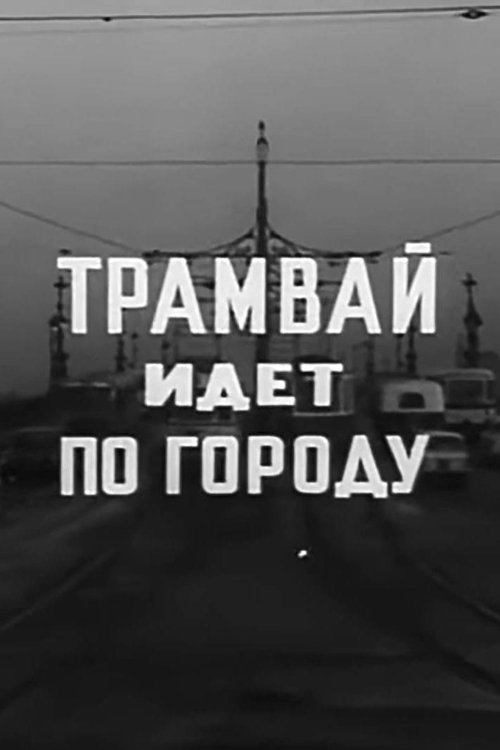
The film observes and records the people travelling, adding to this very simple but effective visual set a pure (and magic) pot pourri of designed and recorded voices and sounds. Hereby not only the people become human beings alive, but also the city awakens.
The documentary concert consists of performances by Soviet pop performers such as Anne Veski, Alexander Gradsky, Nani Bregvadze, and others.
No description available.
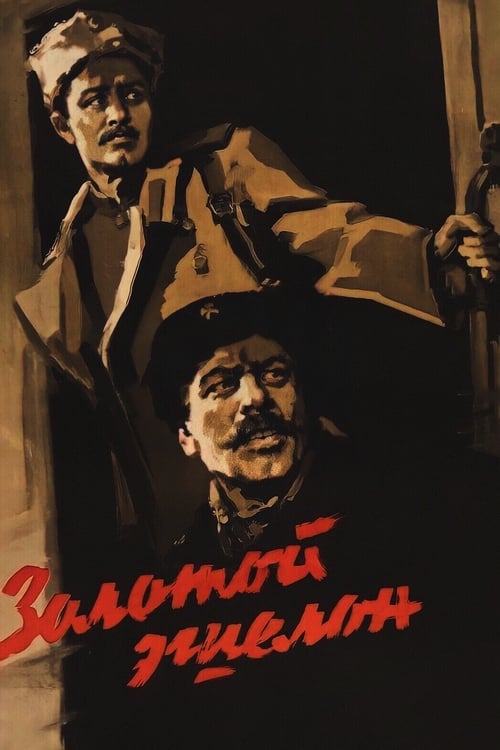
1919 year. There is a civil war in Siberia. Taking advantage of the complete confusion, Admiral Kolchak wants to export part of the country's gold reserves abroad. At the very last moment the Bolsheviks find out about it. They decide to intercept the train, but do not have time to properly prepare the operation... The girl Nadya, in whom the head of the train is passionately in love, can save the situation. Several kilometers of railway tracks to the border become a battlefield between white and red.
Scenes from the life of the creative laboratory of the USSR Folk Dance Ensemble under the direction of Igor Moiseyev.
A documentary on the staging of Georgi Tovstonogov's acclaimed production of The Three Sisters at the Gorky Bolshoi Drama Theater, from the first table read to the opening night.
A report from the set of the movie "To Love a Man" directed by S. A. Gerasimov.
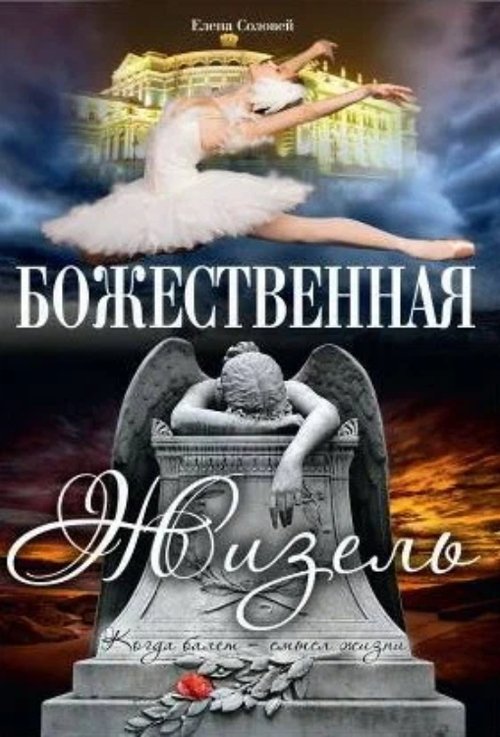
In the history of the Russian ballet theater, the name of Olga Spesivtseva occupies a place no less significant than the names of Anna Pavlova and Tamara Karsavina. The audience first saw her in 1913 as a beautiful young girl, gentle, captivating and timid, with huge eyes full of mystery. In the early twenties, this girl was a real idol of youth and a conqueror of Paris, and in the early nineties, after a long mental illness, she ended her days away from her homeland, in one of the nursing homes. A star and a victim of her time, a forced hermit and a prisoner of madness, her life is a tangle of glory and oblivion, her name is surrounded by an aura of mystery, delight and contempt...