FEEL IT.STREAM
Ariel Ramírez

Ariel Ramírez

Sound

Biography

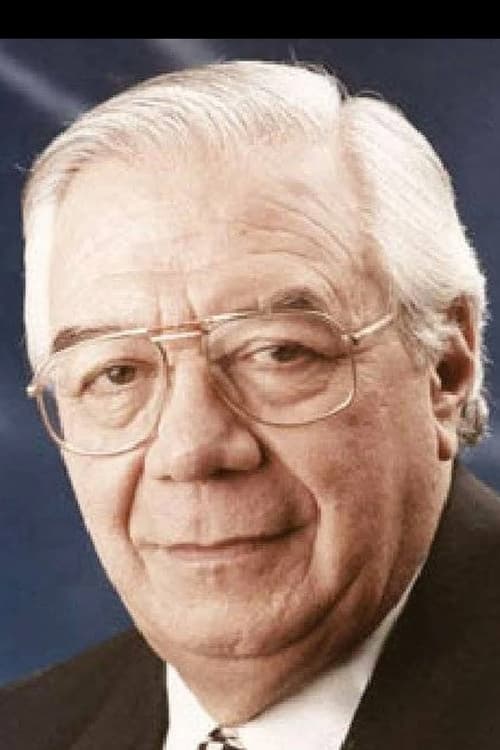
Ariel Ramírez (4 September 1921 – 18 February 2010) was an Argentine composer, pianist and music director. He was considered "a chief exponent of Argentine folk music" and noted for his "iconic" musical compositions. Ramírez is known primarily for his Misa Criolla (1964). It allowed him to travel around Europe and Latin America to build his reputation. However, he wrote more than 300 compositions during his career, and sold over 10 million albums. Ariel Ramírez was born in Santa Fe, Argentina. His father, who was from Spain and immigrated to Argentina, was a teacher and it had been thought Ramírez would also pursue this career path but the job lasted for just two days due to "discipline problems". He initially pursued tango before switching to Argentine folklore. He began his piano studies in Santa Fe, and soon became fascinated with the music of the gauchos and creoles in the mountains. He continued his studies in Córdoba, where he met the great Argentine folk singer and songwriter Atahualpa Yupanqui and was influenced by him. Ariel Ramírez with Atahualpa Yupanqui c. 1962 Following a suggestion from Yupanqui, he visited the northeastern part of Argentina, and deepened his research into the traditional rhythms of South America. He spent time in Mendoza and Buenos Aires. At the same time continuing his academic studies as a composer at the National Conservatory of Music, in Buenos Aires. He made his first recording in 1946, with RCA; he made twenty records with that label until 1956. Plácido Domingo, José Carreras and Mercedes Sosa are some of the artists to have recorded his work. He was also associated with Miguel Brascó and Félix Luna. Ramírez went on to study classical music in Madrid, Rome and mainly in Vienna, from 1950 to 1954. Back in Argentina, he collected over 400 folk and country songs and popular songs and founded the Compañía de Folklore Ariel Ramírez. Ramírez had two daughters, Mariana and Laura, and a son, Facundo. (NB: The Washington Post reported in error that he had two sons.) He married musicologist Norma Inés Cuello de Ramírez. In 1964, the Ramírez composition Misa Criolla marked the beginning of a period of high musical productivity for the composer, which also heralded the premieres of the works Navidad Nuestra and La Peregrinación (both 1964); Los Caudillos (1965); Mujeres Argentinas (1969), and Alfonsina y el mar (1969), all produced in collaboration with writer Félix Luna. Misa Criolla and Alfonsina y el mar are probably his best-known compositions. ... Source: Article "Ariel Ramírez" from Wikipedia in English, licensed under CC-BY-SA 3.0.

Known For

Le monde est à vous
N/A

No description available.

Le monde est à vous

1987
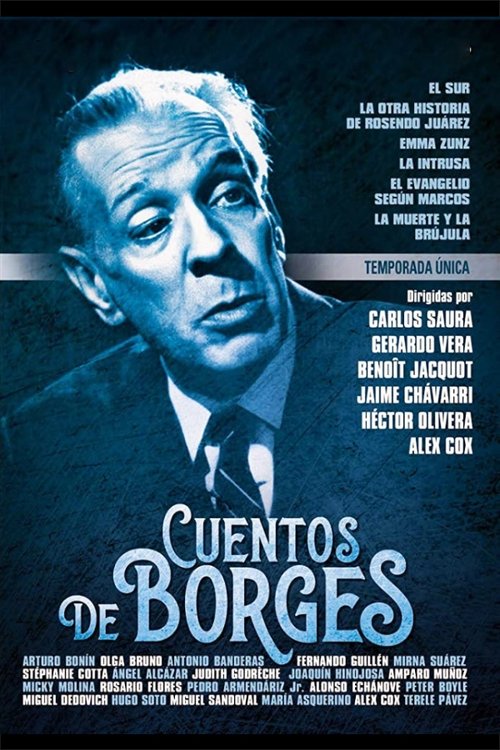
Cuentos de Borges
9.0

No description available.

Cuentos de Borges

1993
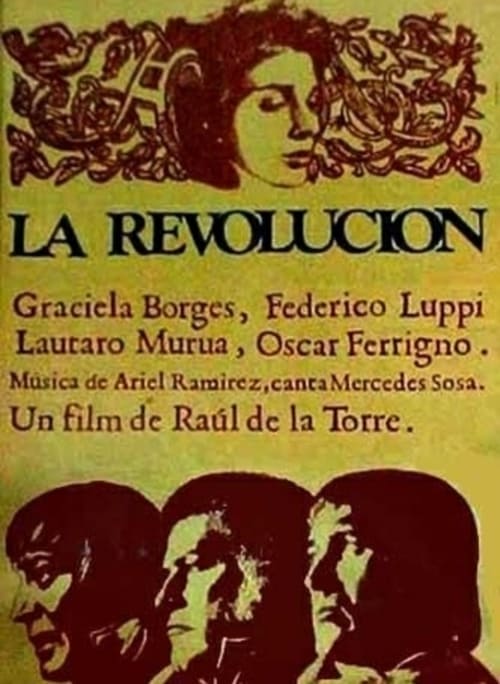
La revolución
9.0

No description available.

La revolución

1973
Martín Fierro
5.8

The story of rebel gaucho Martin Fierro, his people, and their life in the Argentine Pampas. Based on José Hernández's epic poem.

Martín Fierro

1968
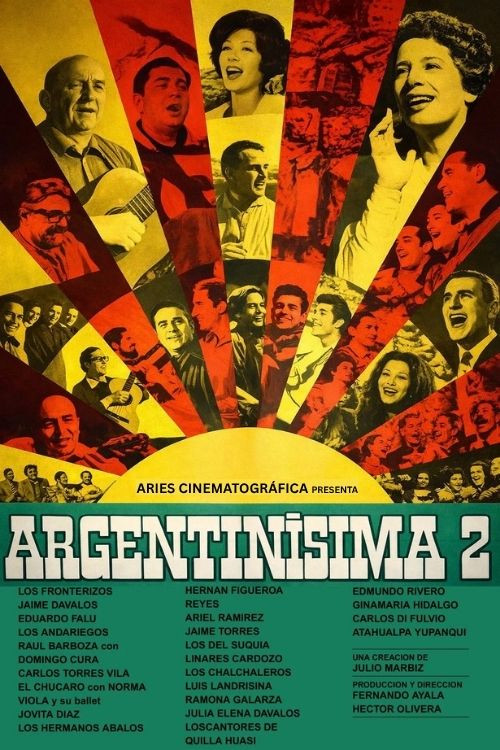
Argentinísima II
8.0

Argentinísima II is a film filmed in Argentine colors directed by Fernando Ayala and Héctor Olivera according to their own script that premiered on June 21, 1973 and whose main actors were Ginamaría Hidalgo, Eduardo Falú, Jaime Dávalos and Raúl Barboza. The continuation was planned for 1974 as Argentinísima III with a plot by Jaime Dávalos, but since problems with the title and intellectual property could not be overcome, it was not made.

Argentinísima II

1973
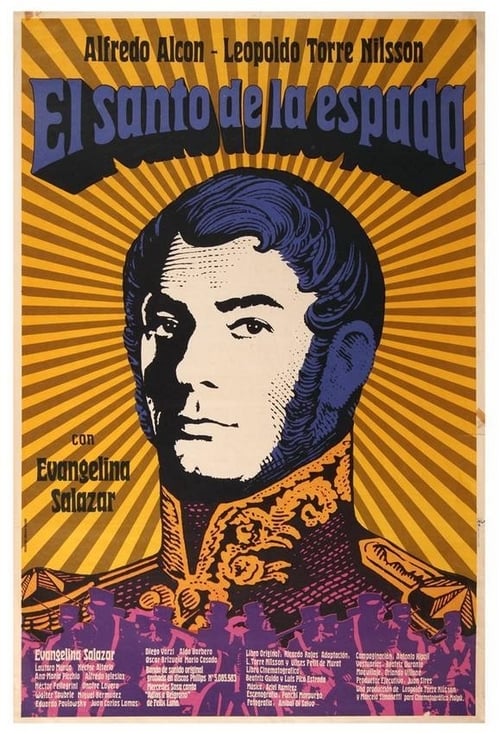
The Knight of the Sword
7.3

The life story of Argentine independence hero Jose de San Martin.

The Knight of the Sword

1970
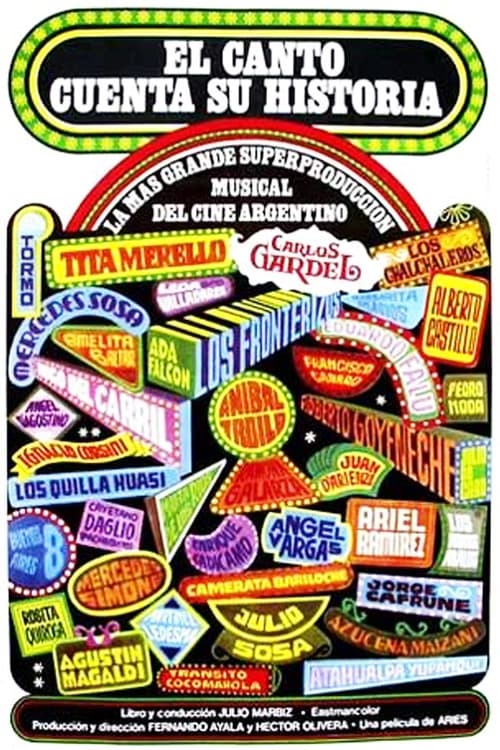
El canto cuenta su historia
10.0

A parade of musical paintings that includes fragments of Argentine films and a Proartel television program that Channel 13 broadcast in 1965.

El canto cuenta su historia

1976
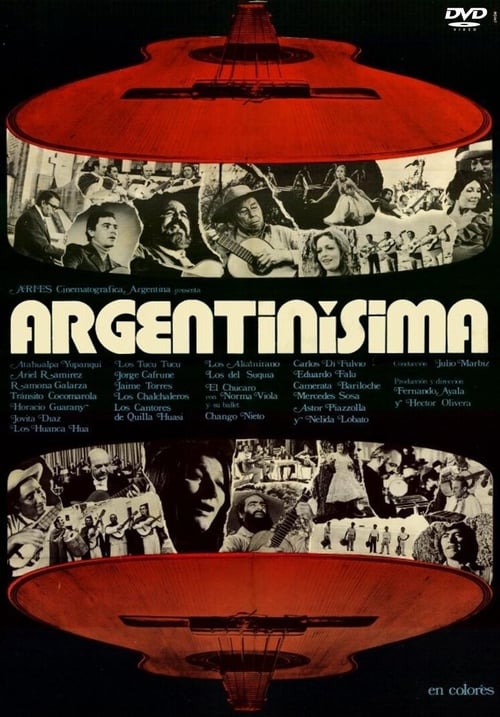
Argentinísima
7.5

Consists of musical performances, mostly Argentine folklore, many of which are accompanied by dancing. Several sequences were filmed in scenic locations throughout the country.

Argentinísima

1972
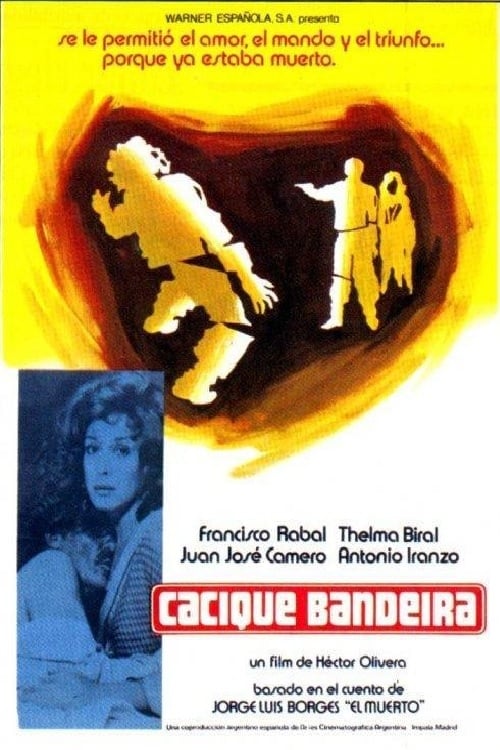
The Dead Man
6.0

Benjamin Ortalora is a young man who leaves Buenos Aires after murdering a rival. He goes to Montevideo where his cool boldness draws the attention of gang leader Azevedo Bandeira. When the old bandit becomes ill, Ortalora makes a determined play to take his place.

The Dead Man

1975
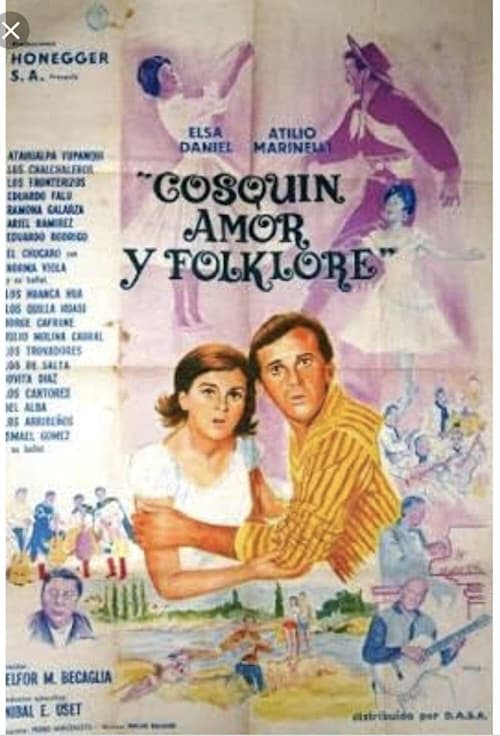
Cosquín, amor y folklore
8.0

In a couple who travel to Córdoba for their honeymoon, the folklore enchants her and bores him.

Cosquín, amor y folklore

1965
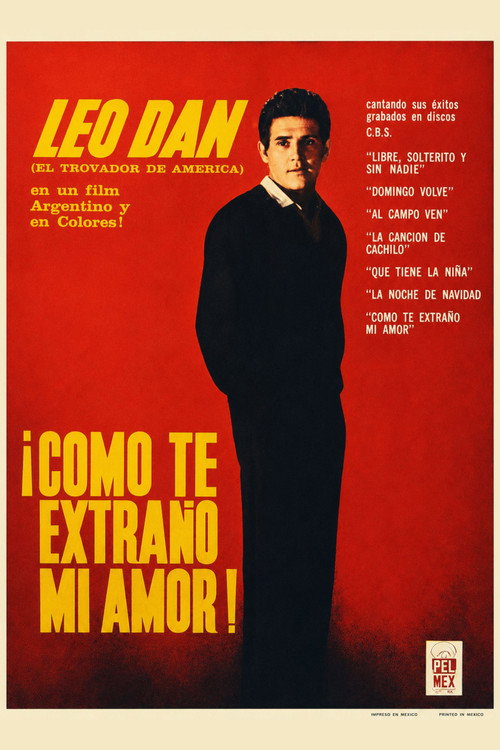
¡Cómo te extraño...!
10.0

A stewardess tries to convince her father to return to Europe with her and the foreman of the ranch try to prevent him.

¡Cómo te extraño...!

1966
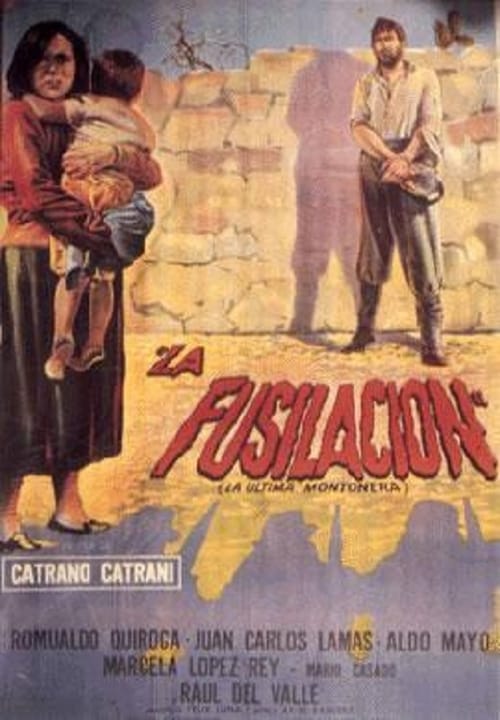
El último montonero
8.0

The last actions of the Riojan caudillo Chacho Peñaloza until his death and beheading.

El último montonero

1963
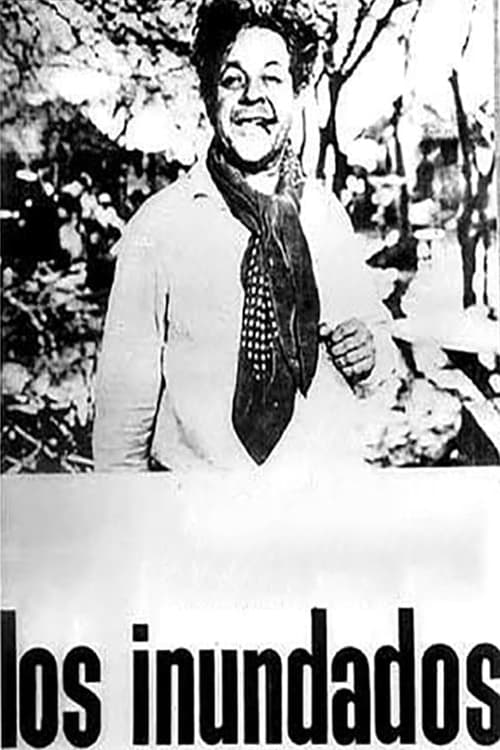
Flooded Out
7.3

Tells the story of a poor family, inhabitants of the southern province of Santa Fe, who is forced to move into an abandoned railroad until waters recede Salado river wagon.

Flooded Out

1962
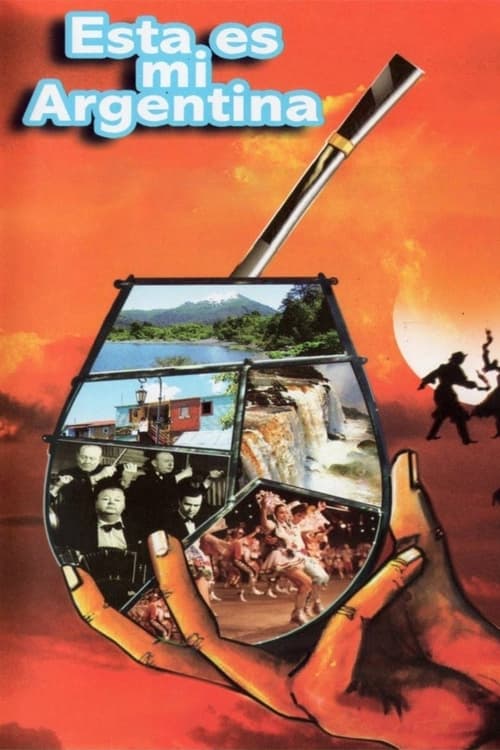
Esta es mi Argentina
8.0

A geographical-musical walk through Argentina. Beautiful landscapes and the popular festivals of each region.

Esta es mi Argentina

1974
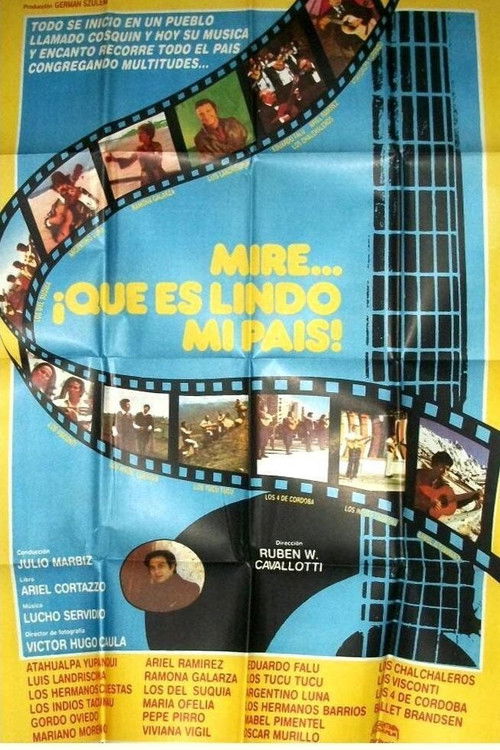
Mire que es lindo mi país
7.0

Sample of diverse folk songs interpreted by well-known figures of the genre.

Mire que es lindo mi país

1981
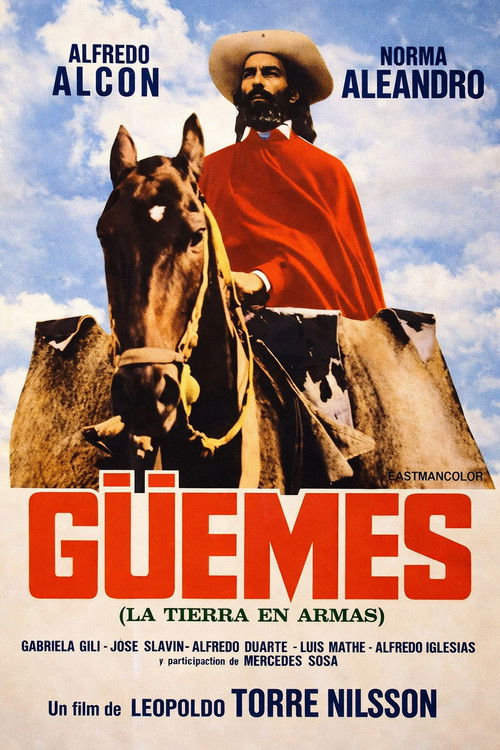
Güemes, la tierra en armas
9.0

The story of the wars of independence in Northern Argentina during the 19th Century.

Güemes, la tierra en armas

1971
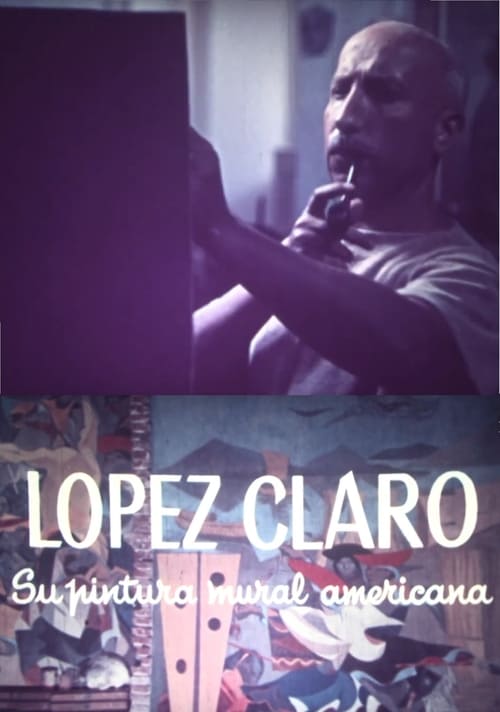
López Claro, su pintura mural americana
6.0

Documentary about the work of the painter César López Claro produced by the UNL film institute.

López Claro, su pintura mural americana

1959
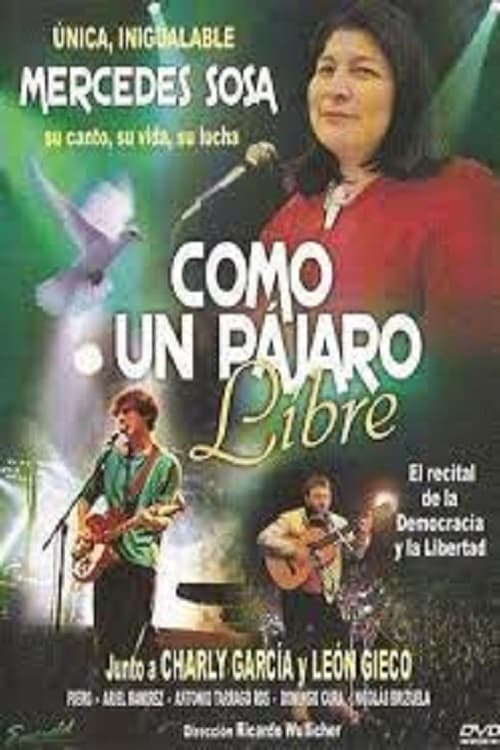
Mercedes Sosa: como un pájaro libre
9.0

Mercedes Sosa's recital upon her return from exile, in which she was accompanied by renowned artists, and an interview with the artist in which she recounts her life story from her childhood to the years when she suffered censorship, persecution, and exile.

Mercedes Sosa: como un pájaro libre

1983