Costume & Make-Up
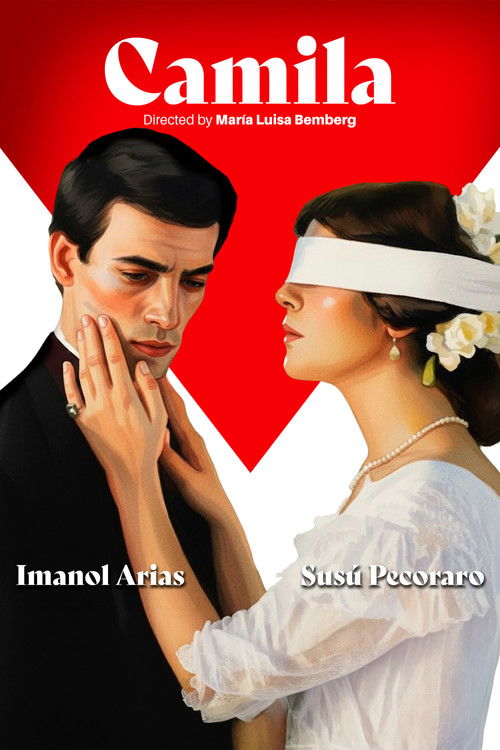
In 1847 Buenos Aires, a young noblewoman and a young Jesuit fall in love, much to the disapproval of her family and the Church.
The life of the city of Buenos Aires and the history of its music from its origins, with musicians and dancers.
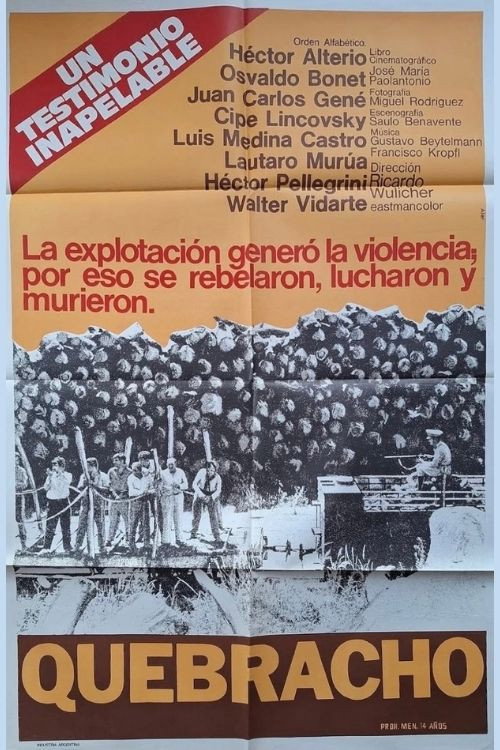
Set around 1910 in the Chaco region, the film depicts the plight of quebracho woodcutters, cruelly exploited by English businessmen with the support of the authorities, local police, and a paramilitary force established by the employers themselves.
No description available.
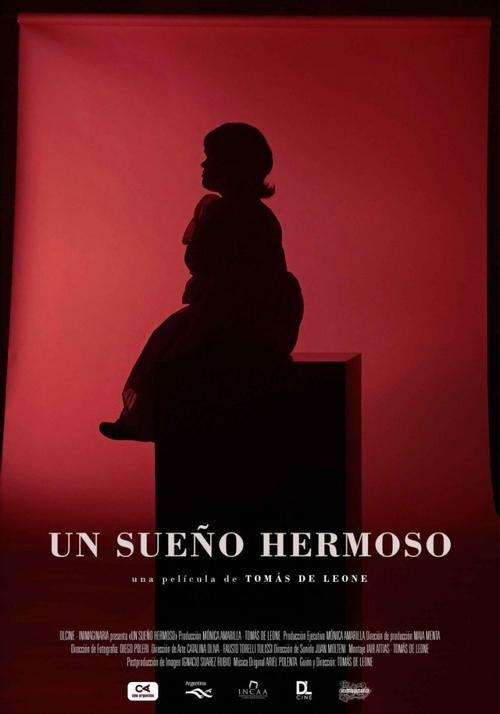
"For her next movie, De eso no se habla, María Luisa Bemberg needs a dwarf". That was an ad on local media during preproduction of the movie that would become the last od the director. Among the peoplewho responded the ad was Alejandra Podestá, who ended up getting the leading role along Marcello Mastroianni. Through testimonies of varios friends, members of the crew and the words by Alejandra herself, who was brutally murdered in 2011, A Beautiful Dream tells us the story of the making of the film and the relationship between Bemberg and Podestá, which winds up being a tribute to both women.
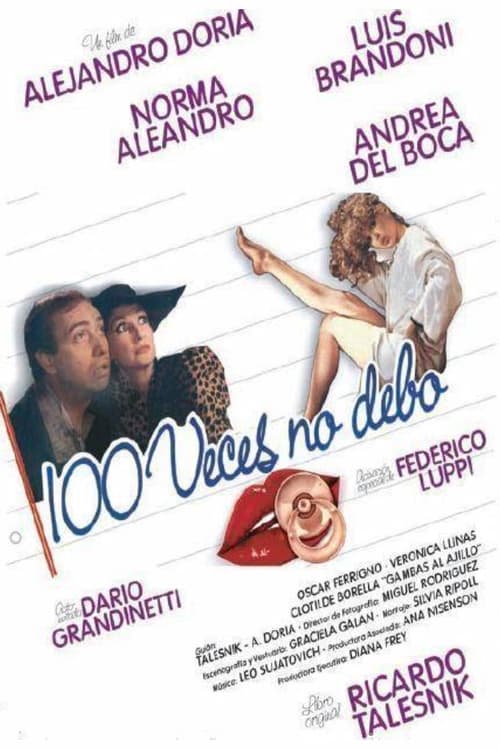
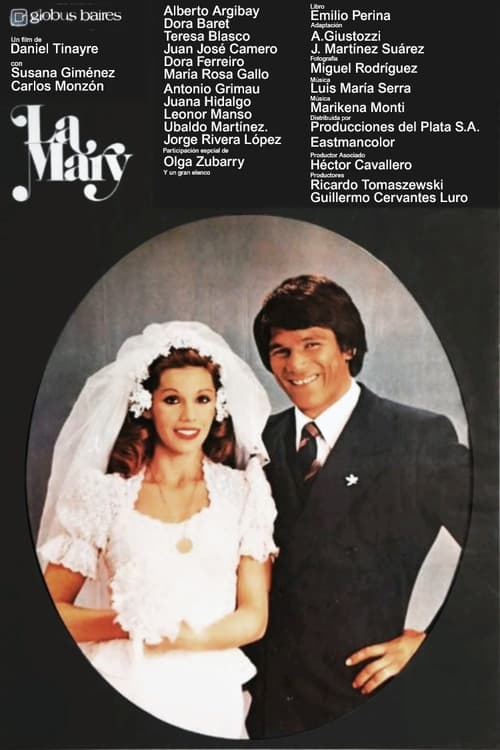
A comedy about a young girl who gets pregnant on a traditional Argentinean family.
A young British woman is hired as a governess by a wealthy Argentine family. Through her position, she slowly sees how the upper class of society is slowly crumbling, and how a fascist movement is preparing to install itself in power.
Guided by a fortune teller's revelation, Russian Countess Ivana Malova arrives in Argentina intending to raise beautiful Angora goats, animals not native to the area, on a small piece of land called "Campo Cerezo" (Cherry Field). There live Doña Juana Cerezo and her granddaughter Nucha, who has just been released from prison on parole for her involvement in a bank safe deposit box robbery. As the Countess weaves her web and advances her plan to take over Campo Cerezo, Nucha discovers that the jewels the police were never able to recover are buried there.
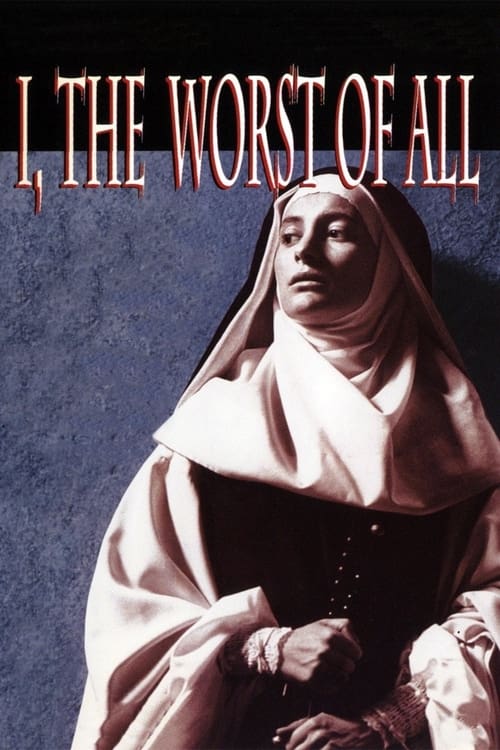
A 17th-century Mexican nun defies expectations by becoming a renowned intellectual and writer during the Spanish Inquisition.
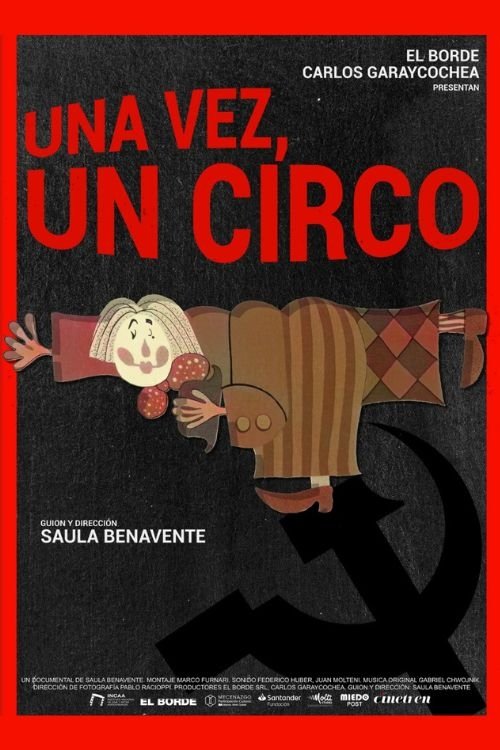
The arrival of the Russian State Circus in Argentina in 1966 was an unprecedented event. For the first time, Soviet artists crossed the Iron Curtain into Latin America. Their art was unsurpassed, until in the 1990s, with the perestroika and the Soviet collapse, the circus also disappeared.
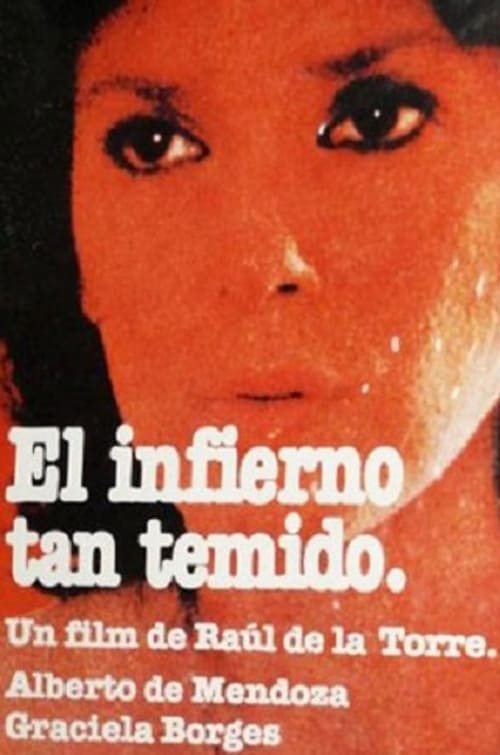
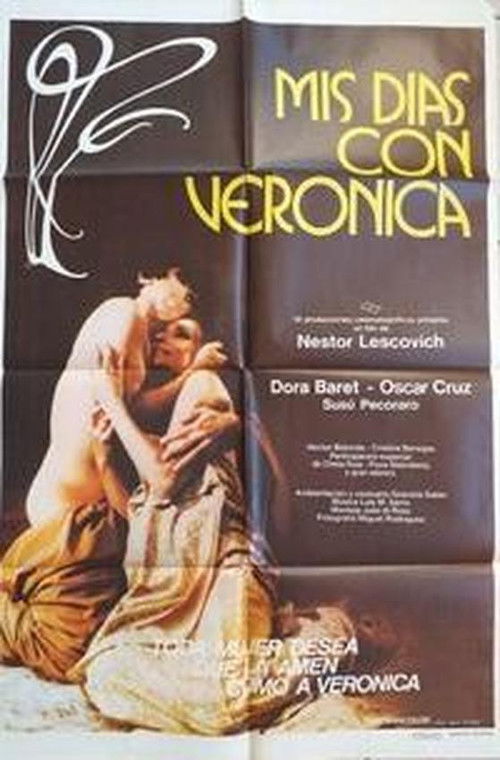
A journalist begins to receive envelopes containing erotic pictures, which he connects to a relationship he once had with an actress.
A young man enters an institute for the mentally ill and falls in love with a patient from whom he will distance himself after her rehabilitation.
A sexually-repressed girl of the Buenos Aires slums slowly goes mad after marrying.
In an Argentine village in the 1930s, the willful Leonor discovers that her beloved daughter, Charlotte, has dwarfism. Attempting to let her have as normal a childhood as possible, Leonor never discusses Charlotte's lack of stature, nor lets anyone else in the village ever mention it. As Charlotte grows up into a smart and self-possessed young woman, local eccentric Ludovico, who collects miniatures, becomes smitten with her.
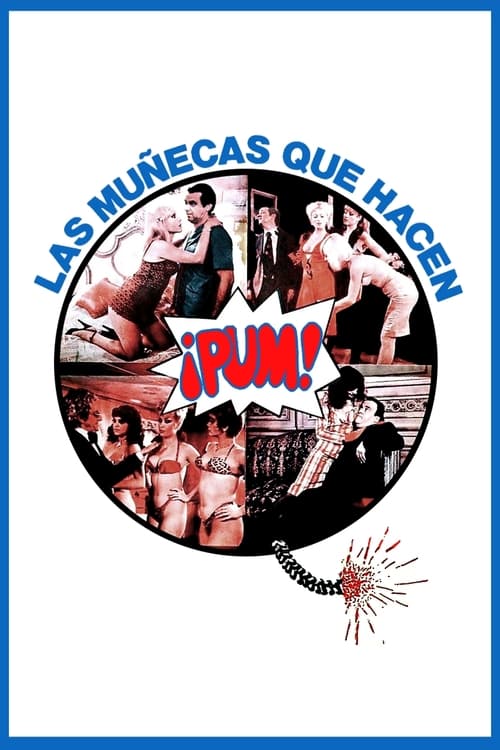
An army of beautiful androids commits a series of singular murders: they explode when penetrated.
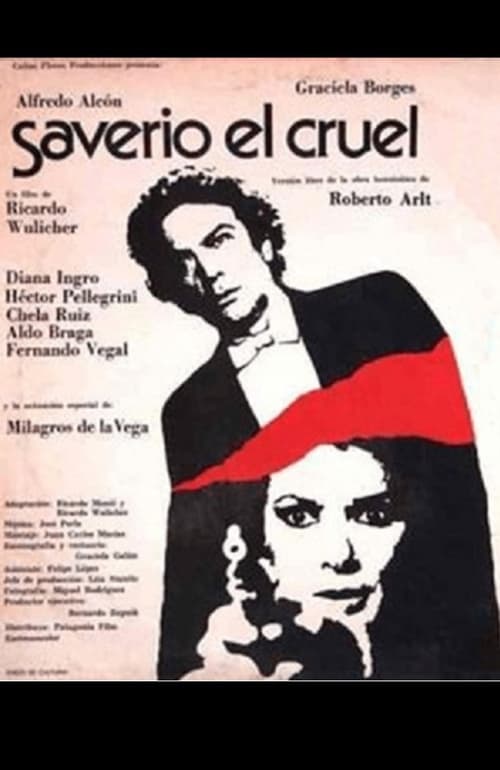
Saverio is an insurance broker who arrives in a small town after receiving a letter from a potential client requesting insurance for "special affections." Upon arriving at the mansion, Saverio is captivated by the beauty of Susana, the granddaughter and heiress to a vast fortune—beautiful, refined, and cultured. What Saverio doesn't suspect is that he will become the victim of a macabre plot, in which he plays a crucial role. Susana, in collusion with her family and friends, will feign madness with the sole purpose of making Saverio fall at her feet.
A mature woman and a younger man are romantically related.