FEEL IT.STREAM
Yannis Markopoulos

Yannis Markopoulos

Sound

Biography

Yannis Markopoulos (Greek: Γιάννης Μαρκόπουλος; 18 March 1939 – 10 June 2023) was a Greek composer. In 1956 Markopoulos moved to Athens to further his music studies at the Athens Conservatoire under the composer Yiorgos Sklavos and the violin teacher Joseph Bustidui, while studying philosophy and sociology at the Panteion University. While a student he composed music for the theatre, for the cinema and for dance performances. When he was 24 he was awarded the Music Prize of the International Thessaloniki Film Festival for Nikos Koundouros’ film Young Aphrodites and subsequently his works Theseus (dance-drama), Hiroshima (ballet suite) and Three Dance Sketches were performed by avant-garde dance groups. In 1967 a military dictatorship was imposed in Greece. Markopoulos left for London, where he enriched his knowledge under the English composer Elizabeth Lutyens, while his acquaintance with the composers Jani Christou and Iannis Xenakis played an important rôle in the deepening of his contact with the most pioneering musical figures. In London he composed the secular cantata Ilios o Protos (Sun the First) on the poetry of Odysseas Elytis (Nobel Prize 1979) and completed the musical ceremony Idou o Nymphios, a work the composer still wished to keep unreleased with the exception of one part, the song Zavara-Katra-Nemia, a vocal composition of Dionysian character, that was released in 1966 and became one of his best known pieces. In 1969 Markopoulos returned to Athens with a musical vision that would not only change the course of music in Greece but would also lend immediate moral support to the general demand for restoration of democracy, the struggle being led primarily by university students and intellectuals. He founded a new and highly distinctive musical ensemble which included Greek local instruments. Thus the piano was combined with the lyre for the first time, while he also added instruments of his own invention, particularly among the percussion, with the intention of enriching the variety of sounds. He then selected young musicians, singers and actors, from both the city and the provinces, and collaborating with painters and poets he presented a series of performances with his musical works Ilios o Protos (Sun the First), Chroniko (Chronicle), Ithagenia (Nativeland), Thitia (Lifetime), Stratis Thalassinos Among the Agapanthi (poetry by Giorgos Seferis, Nobel Prize 1963), Oropedio (Mountain Plain) at the Lydra venue which he named music-studio. In 1976 he composed the popular liturgy The Free Besieged, based on the poem by Greece’s national poet Dionysios Solomos, that he conducted in the crowded Panathenean Stadium, and which was presented in London in 1979. In 1977 he composed the music for the BBC television series Who Pays the Ferryman? The musical theme was a hit in Britain and gained the composer international renown. Numerous invitations for concerts abroad followed, in Paris, Berlin, Frankfurt, Munich, Amsterdam, Stockholm, Canada, Russia, Australia and the United States. Markopoulos continued composing music for the theatre and for the cinema, collaborating with directors such as Jules Dassin, George Cosmatos, Nikos Koundouros and Spyros Evaggelatos. Through his work Yannis Markopoulos did much to shape the musical landscape of the 1970s.

Known For

Paraskinio
N/A

No description available.

Paraskinio

1976
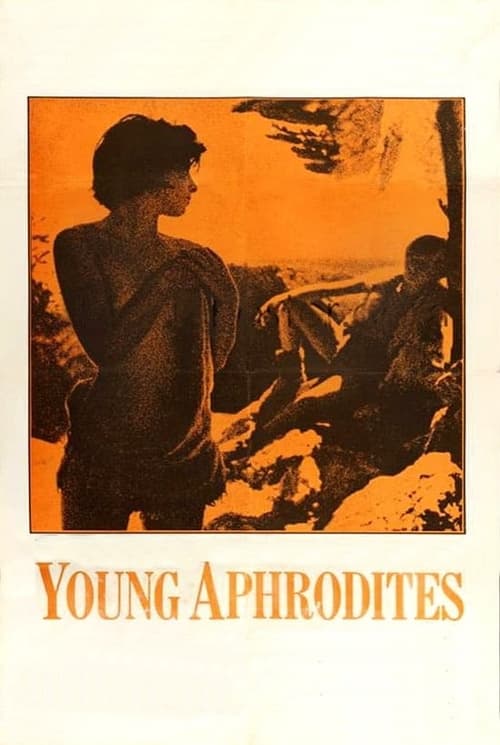
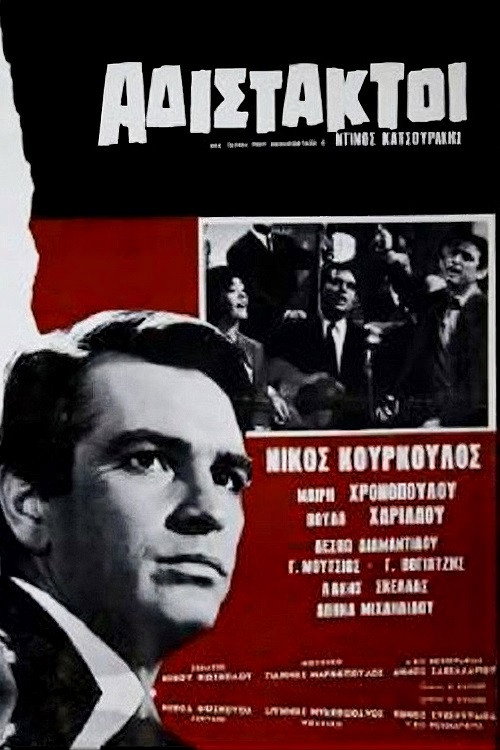
Young Aphrodites
6.4

200 BC. During a merciless drought, the brute nature of man and the delicate essence of woman become inextricably intertwined, as the omnipotence of the carnal instinct demands the total surrender of the flesh.

Young Aphrodites

1963
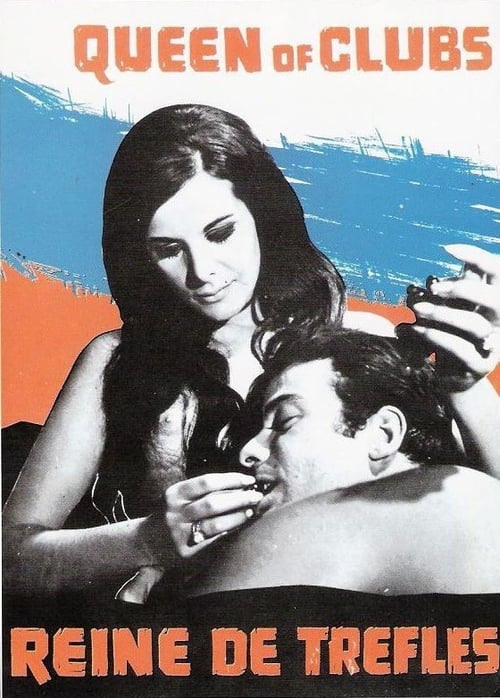
Queen of Clubs
6.8

A model (Elena Nathanail) is on vacation with her sailor husband (Thodoros Roumpanis), and she falls in love with an employee (Spyros Fokas) who works in the hotel where they are staying. She confesses her feelings to her husband, and he abandons her. The young woman hooks up with with the employee, who goes with her to Athens. There, their passion – and her crisis - will reach their peak.

Queen of Clubs

1966
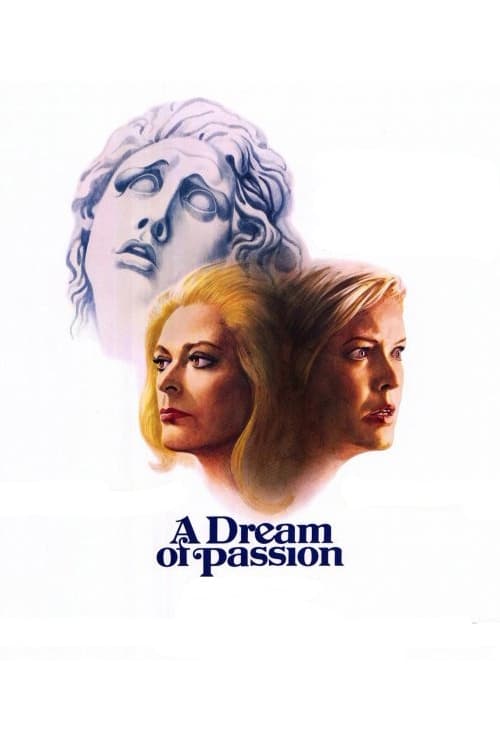
A Dream of Passion
6.2

Melina Mercouri plays Maya, a jet-setting Greek actress who returns to her homeland to undertake the role of Medea. Searching for inspiration and clues as to how a mother could kill the children she loves, Maya discovers Brenda (Ellen Burstyn), a bible-spouting American woman serving time in an Athens prison for that very crime.

A Dream of Passion

1978
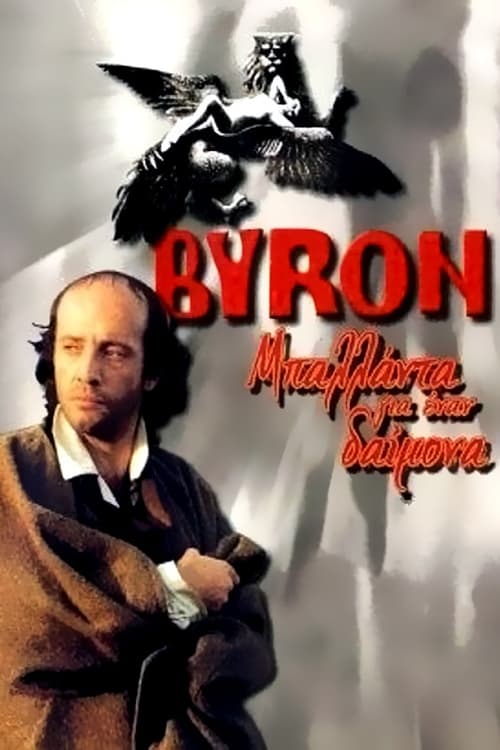
Byron: Ballad for a Daemon
4.6

Poet Lord Byron decides to fight with the Greek revolutionaries in Missolonghi against the Turks but instead the glorious battle wrestles with fever and his own demons.

Byron: Ballad for a Daemon

1992
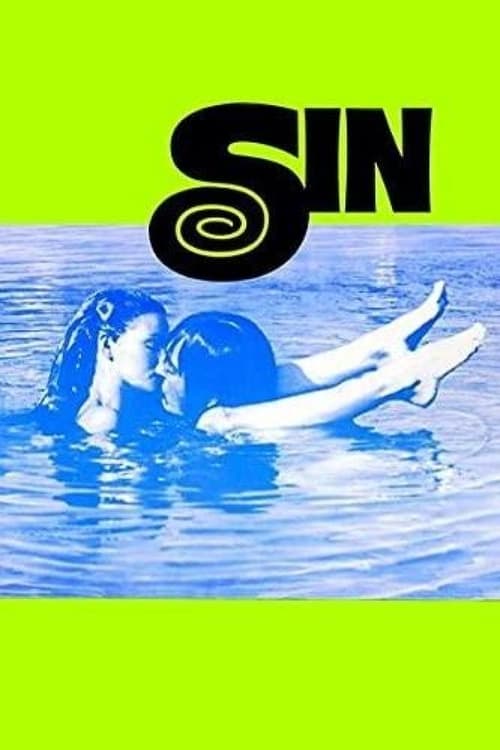
Sin
5.5

When Orestes returns to his Greek island homeland after several years in London to settle his late father's estate, he begins an affair with Elena, who is married to his childhood friend Yanni. Their adultery soon leads to violence and tragedy.

Sin

1971
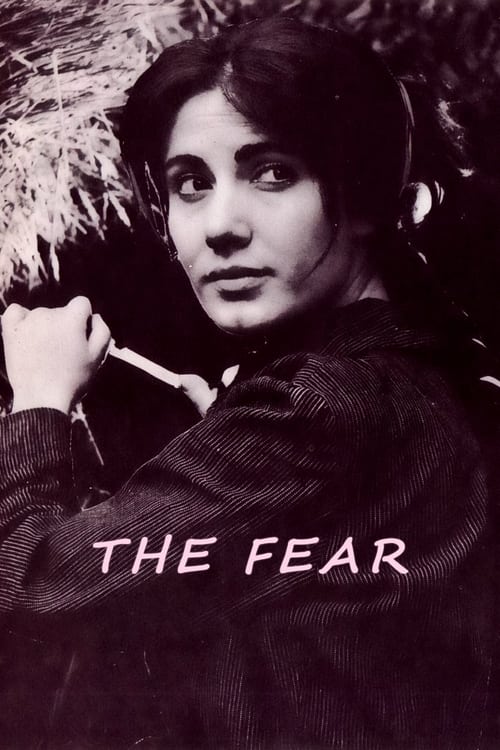
The Fear
7.6

In this disturbing family drama, a prosperous middle-aged farmer takes up gambling and whoring at the expense of his devoted second wife. Meanwhile, his son the pervert becomes fascinated with the family's maid, a deaf-mute.

The Fear

1966
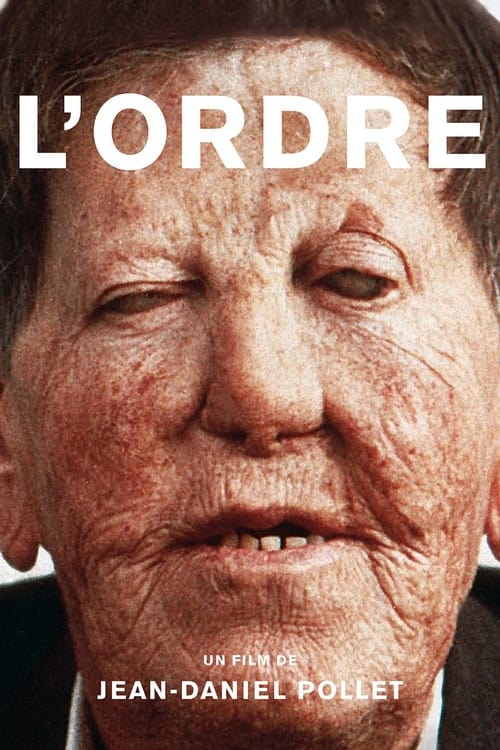
The Order
6.2

Pollet provides an insight into life on the leper colony of Spinalonga, an island off Crete, through the eyes of Raimondakis, who tells the story of his life to the camera after having been excluded from his community to spend years of his life on the island with his fellow sufferers. Themes addressed include love, community, companionship and death and the importance of these values to all people whatever their state of health.

The Order

1973
The Jar
6.3

Two poor friends live together and hope to earn some money to marry their beloved ones. When they discover a jar full of pounds in a building site, their lives change.

The Jar

1962
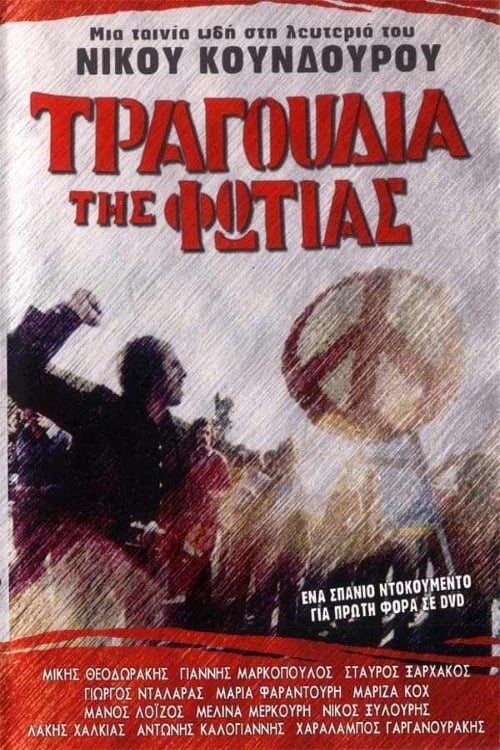
Songs of Fire
6.6

A documentary about the resistance of the people against the millitary Greek junta.

Songs of Fire

1975
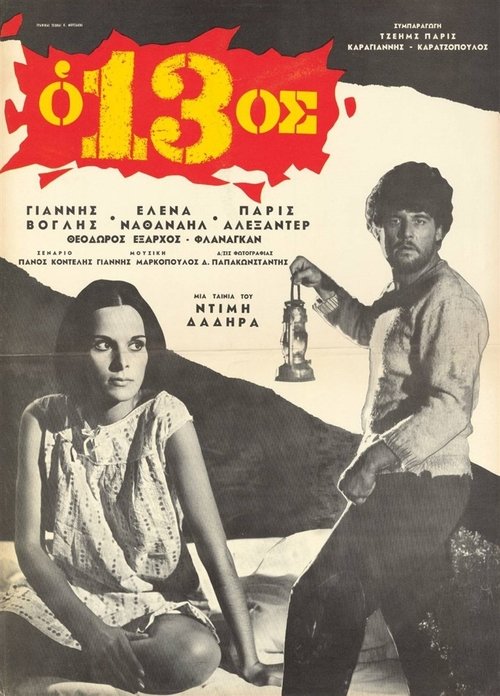
Ο 13ος
7.0

No description available.

Ο 13ος

1967
The Olives
N/A

short film that was shown at Thessaloniki International Film Festival, in 1964

The Olives

1964
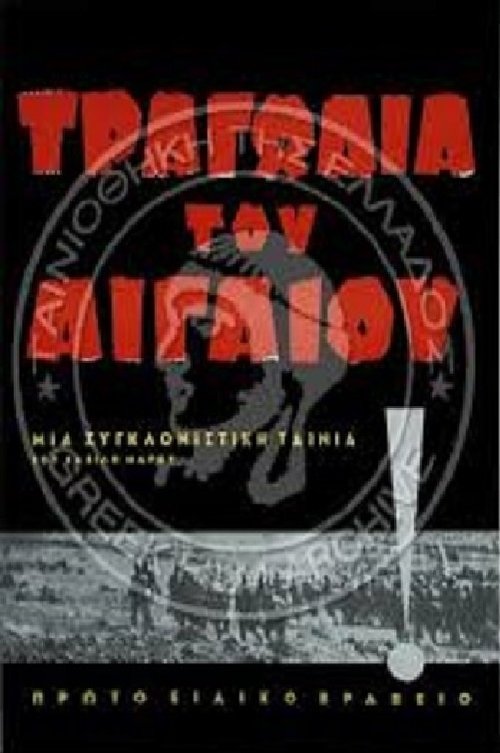
The Aegean Tragedy
6.3

Documentary on the Greek history of the first half of the 20th century, from the Balkan wars until December events, with a special emphasis on the Asia Minor Catastrophe and its aftermath, through filmed documents by Joseph Hep, George Prokopiou, Achilleas Mandras, Philopimenas Finos, Gabriel Loggos and Kyriakos Kourbetis.

The Aegean Tragedy

1961
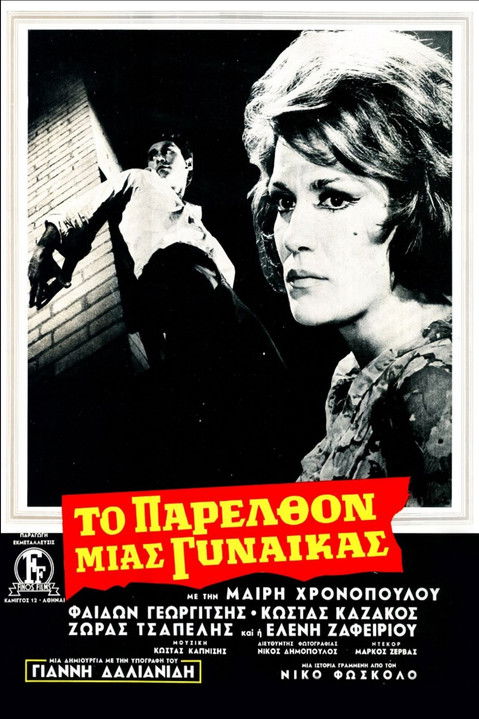
A Woman's Past
7.3

A nightclub singer is forced to shoot her ex-boyfriend, who has escaped from prison and is blackmailing her for money. Believing him to be dead, the girl decides to leave and start her life anew. She marries a wealthy gentleman, who is unaware of her past, and together they have a baby girl. One day, however, an old friend – who, by a devilish coincidence, is also her husband’s brother – will return, threatening to reveal everything about her past.

A Woman's Past

1968
Bartolomeo
7.0

A surreal, anarchic and plotless movie about a man who tries to take up his dead father's business, taking aim against contemporary Greek reality. Banned by the Greek dictatorship.

Bartolomeo

1973