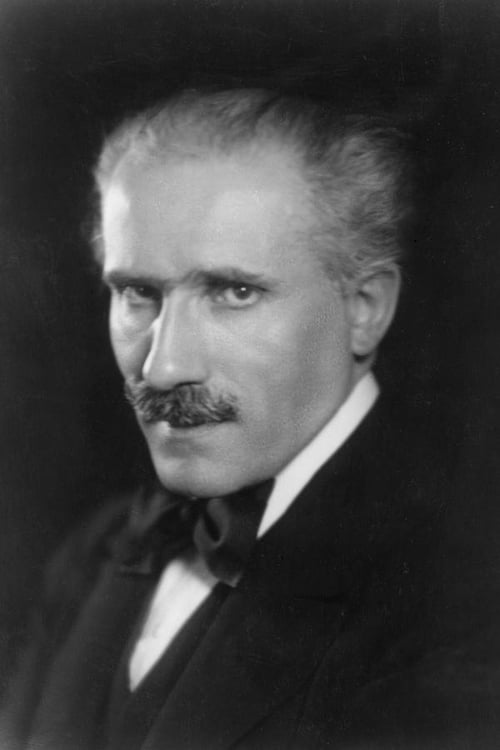
Arturo Toscanini
Acting
Biography
Arturo Toscanini (March 25, 1867 – January 16, 1957) was an Italian conductor. He was one of the most acclaimed and influential musicians of the late 19th and early 20th century, renowned for his intensity, his perfectionism, his ear for orchestral detail and sonority, and his eidetic memory. He was at various times the music director of La Scala in Milan and the New York Philharmonic. Later in his career he was appointed the first music director of the NBC Symphony Orchestra (1937–54), and this led to his becoming a household name (especially in the United States) through his radio and television broadcasts and many recordings of the operatic and symphonic repertoire.
Known For

Untold stories behind the culture-defining and newsmaking musical performances, sketches and cameos of the past 50 years.
Ladies & Gentlemen... 50 Years of SNL Music

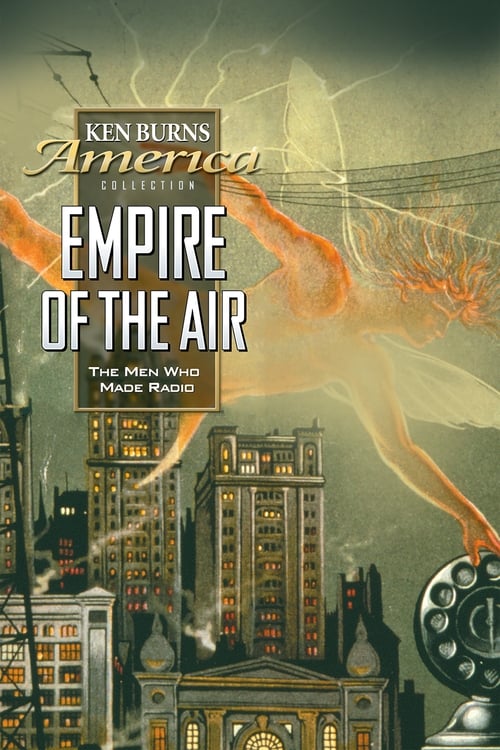
For 50 years radio dominated the airwaves and the American consciousness as the first “mass medium.” In Empire of the Air: The Men Who Made Radio, Ken Burns examines the lives of three extraordinary men who shared the primary responsibility for this invention and its early success, and whose genius, friendship, rivalry and enmity interacted in tragic ways. This is the story of Lee de Forest, a clergyman’s flamboyant son, who invented the audion tube; Edwin Howard Armstrong, a brilliant, withdrawn inventor who pioneered FM technology; and David Sarnoff, a hard-driving Russian immigrant who created the most powerful communications company on earth.
Empire of the Air: The Men Who Made Radio

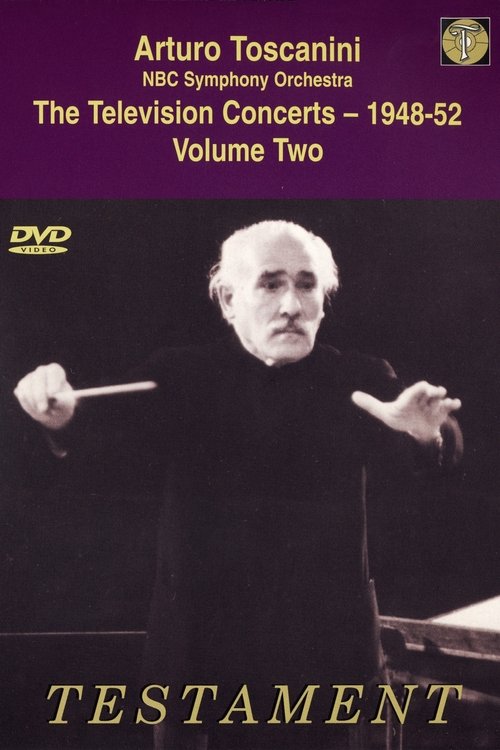
The historic Toscanini television concerts with the NBC Symphony Orchestra. Broadcast #3 was of a concert on December 4, 1948, at NBC Studio 8H, featuring Mozart's Symphony No. 40 in G minor K550; Dvorak's Symphonic Variations op78; and Wagner's Overture to Tannhäuser. (Concerts #3 and #4 were released on "Vol. 2" in the DVD series.)
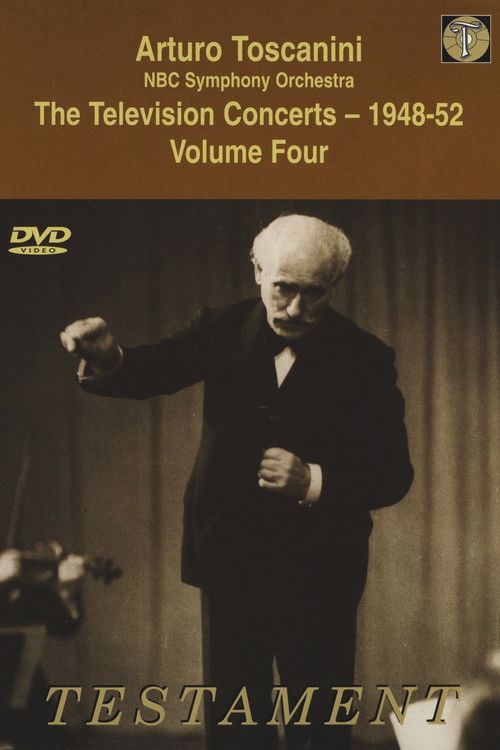
Toscanini: The Television Concerts, Vol. 4: Mozart, Dvorak, Wagner

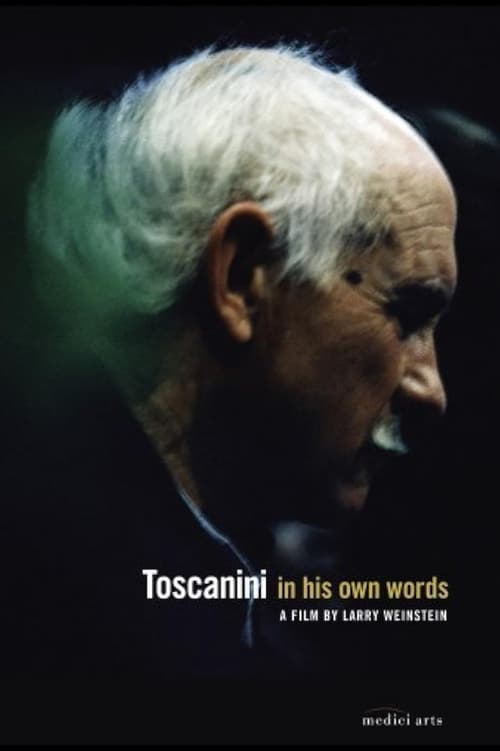
This film is a docufiction on the great Toscanini directed by well-known filmmaker Larry Weinstein; who pushes the boundaries of conventional documentary storytelling by borrowing tools from fiction films; including dramatic reconstructions and historical cinematic stylings.
Toscanini in His Own Words
A documentary about the 82% of US citizens that listen to the radio for their entertainment, news and sport.
Is Everybody Listening?

The young hero, Frederick, is leaving his country home and going to the city to attend the bull fight, and while there he meets and woos a beautiful maiden, forgetting his own little sweetheart at home.
The Girl from Arles

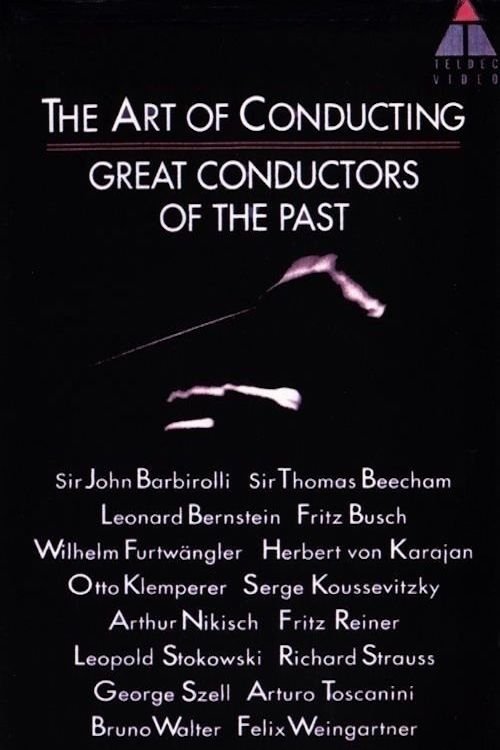
Documentary about sixteen great conductors of the 20th century.
The Art of Conducting: Great Conductors of the Past

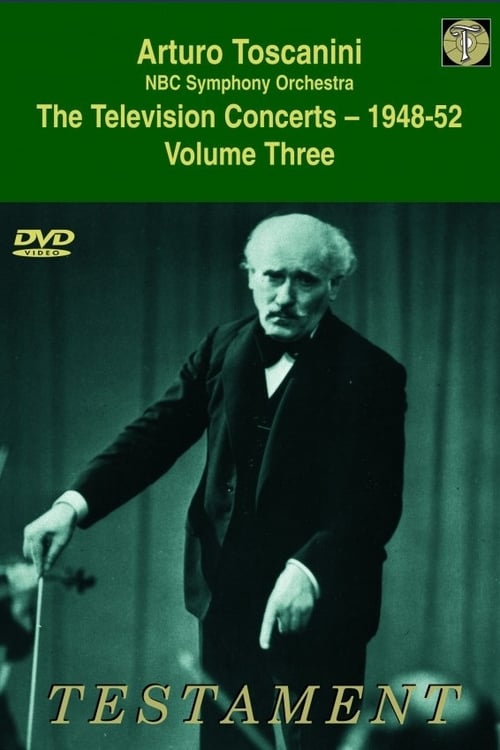
The historic Toscanini television concerts with the NBC Symphony Orchestra. This concert, broadcast in two parts, on 26 March and 2 April 1949, from NBC Studio 8H, features the opera "Aida" by Giuseppe Verdi. (Both broadcasts were released as "Vol. 3" in the DVD series.)
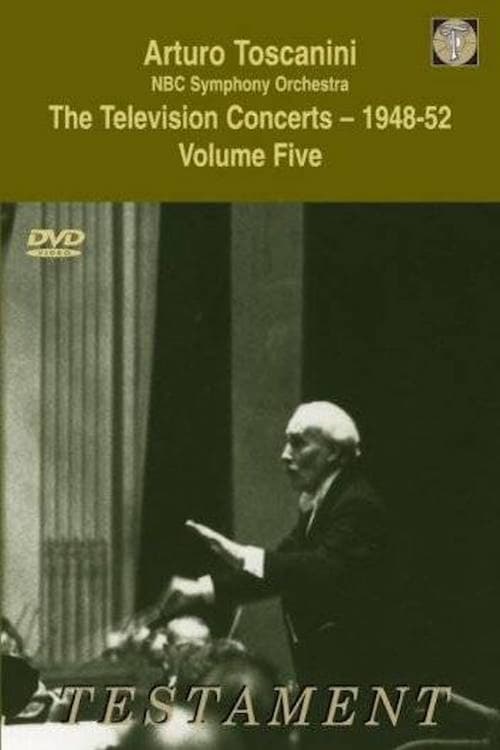
Toscanini: The Television Concerts, Vol. 5: Verdi: Aida

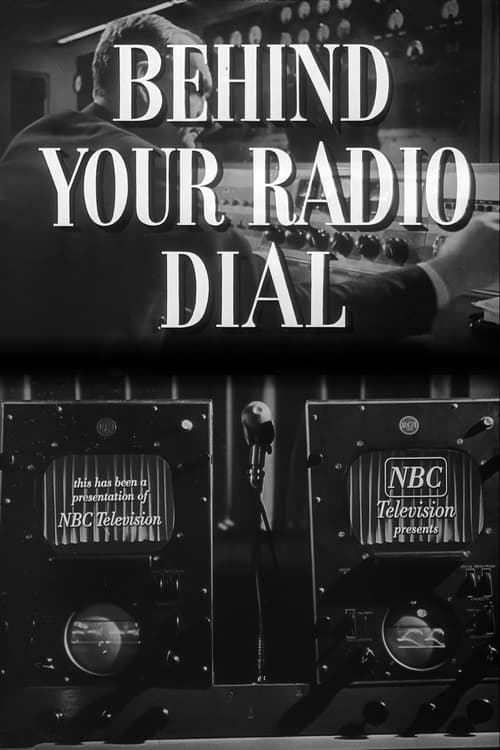
Familiar radio voice Ben Grauer leads the viewer on a behind the scenes tour of the National Broadcasting Company studios -- both radio and television -- in Rockefeller Center and Hollywood. The original 25-minute film previewed by network execs and affiliates in the fall of 1948 was cut down to 20 minutes before its first broadcast, reportedly to excise high-profile stars and programs such as Amos 'n' Andy, Jack Benny, and Edgar Bergen that had since left NBC for other networks.
Behind Your Radio Dial

The historic Toscanini television concerts with the NBC Symphony Orchestra. Broadcast #9 was of a concert on March 22, 1952, at Carnegie Hall, featuring Beethoven's 5th Symphony and Respighi's Pines of Rome. (Concerts #8 and #9 were released on "Vol. 5" in the DVD series.)
Toscanini: The Television Concerts, Vol. 9: Beethoven: Symphony No. 5/Respighi: The Pines of Rome
The history of a Polish family and its contributions to the war effort throughout American history.
I Am an American

The historic Toscanini television concerts with the NBC Symphony Orchestra. Broadcast #8 was of a concert on March 15, 1952, at Carnegie Hall, featuring Sibelius's En Saga, two of Debussy's Nocturnes, and Franck's Redemption. (Concerts #8 and #9 were released on "Vol. 5" in the DVD series.)
Toscanini: The Television Concerts, Vol. 8: Franck, Sibelius, Debussy and Rossini

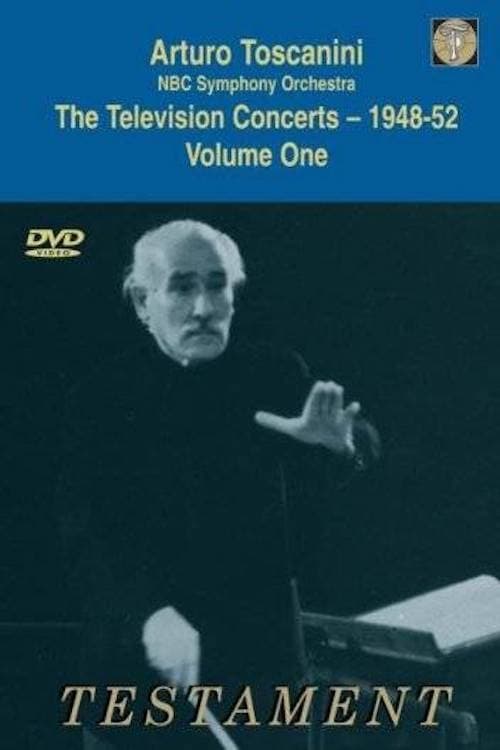
The historic Toscanini television concerts with the NBC Symphony Orchestra. Broadcast #1 was of a concert on March 20, 1948, at NBC Studio 8H, featuring orchestral music from Wagner's operas. (Concerts #1 and #2 were released on "Vol. 1" in the DVD series.)
Toscanini: The Television Concerts, Vol. 1: Wagner

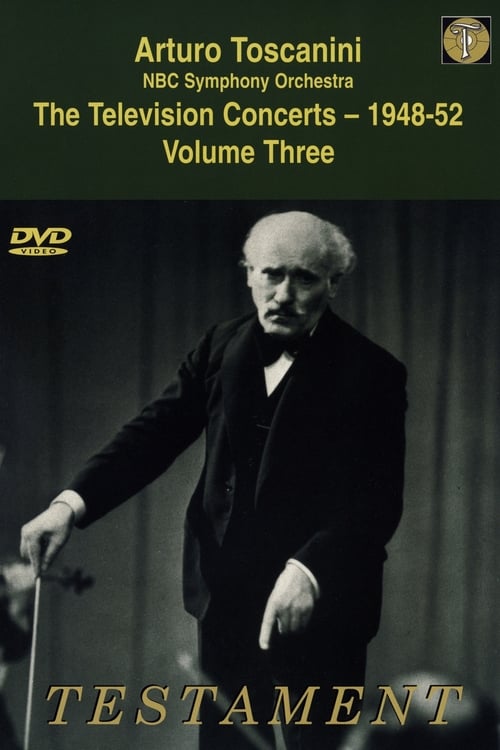
To hear is not the same as seeing and hearing! To watch Maestro Toscanini conduct this opera is a revelation. This man is a direct link to Verdi, Puccini and other great opera composers. He did the premier performances of many major operas. His tempos, phrasing, etc. must be considered definitive. I was mesmerized from start to finish. One will forget the soft black and white, and sometimes blurred images, the lack of subtitles, and the relatively limited sound frequency range, as the focus will be on what Toscanini is doing on the podium. Richard Tucker -- what can I say about Mr. Tucker? His performance was wonderful, clear, nuanced.
Toscanini Volume Three The Television Concerts (1948-52)

The historic Toscanini television concerts with the NBC Symphony Orchestra. Broadcast #7 was of a concert on December 29, 1951 from Carnegie Hall, featuring music from Wagner's operas. (Concerts #6 and #7 were released as "Vol. 4" in the DVD series.)
Toscanini: The Television Concerts, Vol. 7: Wagner

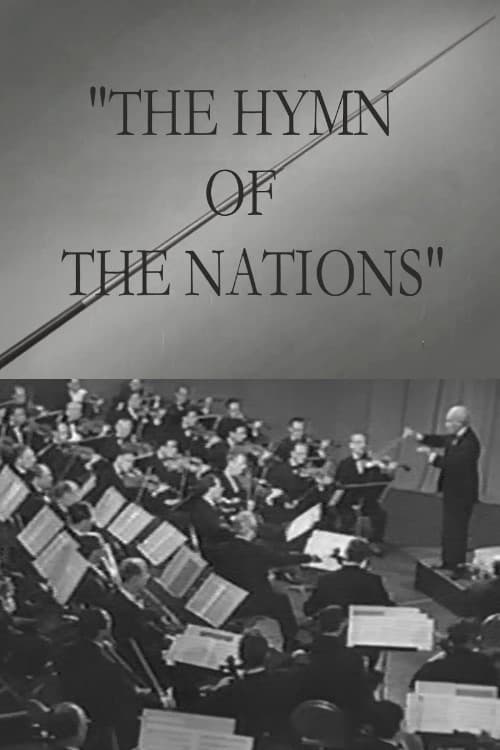
Commissioned by the U.S. Office of War Information, this short film features conductor Arturo Toscanini leading the NBC Symphony Orchestra, tenor Jan Peerce, and the Westminster Choir in Verdi’s Inno delle nazioni. Originally composed in the 1860s as a musical tribute to Europe, Toscanini expanded the score to include The Star-Spangled Banner and The Internationale in honor of the Allied struggle and Italian partisans. Filmed in NBC’s Studio 8H, the documentary interweaves performance with scenes of Toscanini at home, emphasizing his anti-fascist stance and celebrating the liberation of Italy. Preserved by the Academy Film Archive in 2010.
Hymn of the Nations

The historic Toscanini television concerts with the NBC Symphony Orchestra. Broadcast #1 was of a concert on April 3, 1948, at NBC Studio 8H, featuring Beethoven's Symphony No. 9 ("Choral"). (Concerts #1 and #2 were released on "Vol. 1" in the DVD series.)
Toscanini: The Television Concerts, Vol. 2: Beethoven Symphony No. 9

The historic Toscanini television concerts with the NBC Symphony Orchestra. Broadcast #6 was of a concert on November 3, 1951 from Carnegie Hall, featuring the Overture to Carl Maria von Weber's Euryanthe and Brahms's Symphony No. 1 in C minor op68. (Concerts #6 and #7 were released as "Vol. 4" in the DVD series.)
Toscanini: The Television Concerts, Vol. 6: Weber, Brahms

The historic Toscanini television concerts with the NBC Symphony Orchestra. Broadcast #3 was of a concert on November 13, 1948, at NBC Studio 8H, featuring Brahms's Concerto for Violin, Cello & Orchestra, A minor op102; Liebeslieder-Walzer op52; and the Hungarian Dance #1 in G minor. (Concerts #3 and #4 were released on "Vol. 2" in the DVD series.)