Alex Segal
Directing
Biography
Alex Segal was an American television and film director, producer, and writer, recognized for his pioneering work during the Golden Age of Television. Born in New York City, Segal began his career in radio before transitioning to television in the late 1940s. He directed and produced numerous live television dramas, including episodes of Pulitzer Prize Playhouse and The U.S. Steel Hour. Segal's direction of the television adaptation of Death of a Salesman (1966) earned critical acclaim. He also directed feature films such as The Dark at the Top of the Stairs (1960) and All the Way Home (1963). Segal's contributions to early television set high standards for live drama productions and influenced future generations of directors.
Known For
No description available.
Bob Hope Presents the Chrysler Theatre

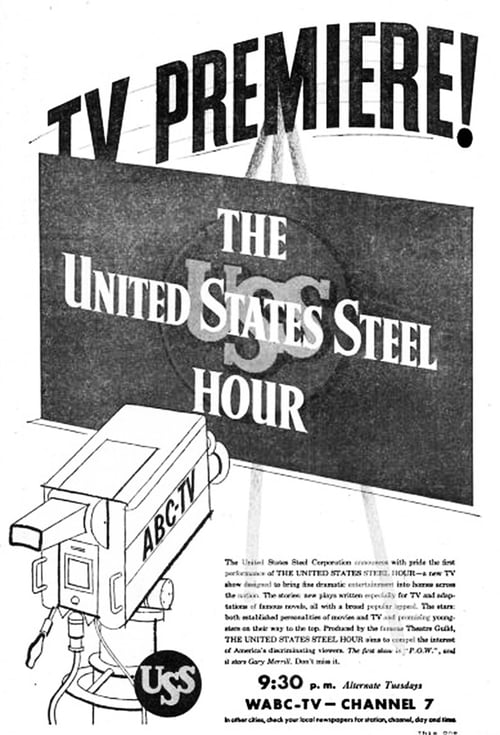
The United States Steel Hour is an anthology series which brought hour-long dramas to television from 1953 to 1963. The television series and the radio program that preceded it were both sponsored by the United States Steel Corporation.
The United States Steel Hour

ABC Stage 67 is the umbrella title for a series of 26 weekly shows that included dramas, variety shows, documentaries, and original musicals. It premiered on American Broadcasting Company on September 14, 1966 with Murray Schisgal's The Love Song of Barney Kempinksi, directed by Stanley Prager and starring Alan Arkin as a man enjoying the sights and sounds of New York City in his last remaining hours of bachelorhood. Arkin was nominated for an Emmy Award for Outstanding Single Performance By An Actor in a Leading Role in a Drama and the program was nominated as Outstanding Dramatic Program. Future programs included appearances by Petula Clark, Bobby Darin, Sir Laurence Olivier, Albert Finney, Peter Sellers, David Frost, and Jack Paar. ABC's effort to bring culture to the masses was a noble but unsuccessful experiment. Scheduled first against I Spy on Wednesdays and then The Dean Martin Show on Thursdays, the show consistently received low ratings. Its last production, an adaptation of Jean Cocteau's one-woman play The Human Voice starring Ingrid Bergman, aired on May 4, 1967. "Stage 67" was not actually a part of the primary ABC facilities in Los Angeles. It was produced at the old Monogram Studios backlot that was later sold to KCET.
ABC Stage 67

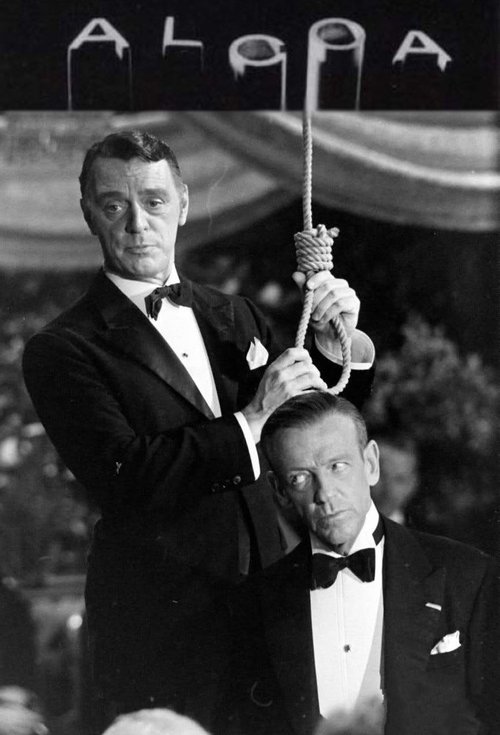
Alcoa Premiere is an American anthology drama series that aired from October 1961 to July 1963 on ABC. The series was hosted by Fred Astaire, directed by Norman Lloyd and executive produced by Alfred Hitchcock.
Alcoa Premiere

Weekly series spun off from the miniseries.
Rich Man, Poor Man - Book II
Producers' Showcase is an American anthology television series that was telecast live during the 1950s in compatible color by NBC. With top talent, the 90-minute episodes, covering a wide variety of genres, aired under the title every fourth Monday at 8 p.m. ET for three seasons, beginning October 18, 1954. The final episode, the last of 37, was broadcast May 27, 1957. Showcase Productions, Inc., packaged and produced the series, which received seven Emmy Awards, including the 1956 award for Best Dramatic Series.
Producers' Showcase

DuPont Show of the Month is an acclaimed 90-minute television anthology series that aired monthly on CBS from 1957 to 1961. The DuPont Company also sponsored a weekly half-hour anthology drama series hosted by June Allyson, The DuPont Show with June Allyson. During the Golden Age of Television, DuPont Show of the Month was one of numerous anthology series telecast between 1949 and 1962. Superficially, it resembled Playhouse 90 and other anthologies, but DuPont Show of the Month focused less on contemporary dramas and more on adaptations of literary classics, including Oliver Twist, The Prince and the Pauper, Billy Budd, The Prisoner of Zenda, A Tale of Two Cities and The Count of Monte Cristo.
DuPont Show of the Month

The Alcoa Hour is an American anthology television series that was aired live on NBC from 1955 to 1957. The series was sponsored by Alcoa.
The Alcoa Hour
Actors Studio is an American TV show which aired for 65 episodes, from September 26, 1948 to October 26 on the fledgling ABC Television Network; then from November 1, 1949 to June 23, 1950 on CBS Television. It was hosted by Mark Connelly. The series showcased short pieces of adapted, classic and original drama, performed and produced live each week. Among some of the known authors were William Saroyan, James Thurber, Ring Lardner, Edgar Allan Poe, Irwin Shaw and Budd Schulberg. Featured actors included Martin Balsam, Richard Boone, Marlon Brando, Hume Cronyn, Julie Harris, Jean Muir and Jessica Tandy. Recurring performers included Jocelyn Brando, Tom Ewell, Steven Hill, Kim Hunter and Cloris Leachman. In February 1950, the series moved to Friday nights and was expanded to one hour, alternating every other week with broadcasts of Ford Theatre. In March, the name of the show was changed to The Play's the Thing. The series received a Peabody Award in 1948 for pioneering in the field of televised drama.
Actors Studio

Landmark TV adaptation of the Arthur Miller play. Nominated for 3 Emmy awards.
The Crucible

A salesman and a sexologist have misadventures with plot development determined by the votes of the studio audience.
Decisions! Decisions!

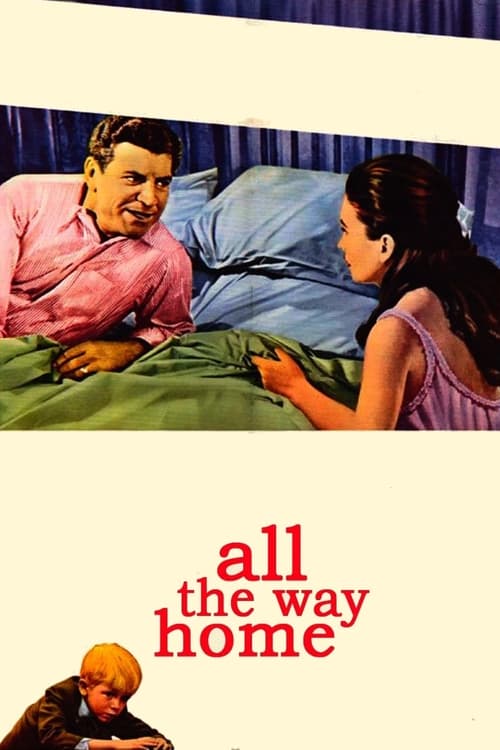
In the early 1900's Tennessee, a loving family undergoes the shock of the father's sudden, accidental death. The widow and her young son must endure the heartache of life following the tragedy, but slowly rise up from the ashes to face the hope of renewed life.
All the Way Home

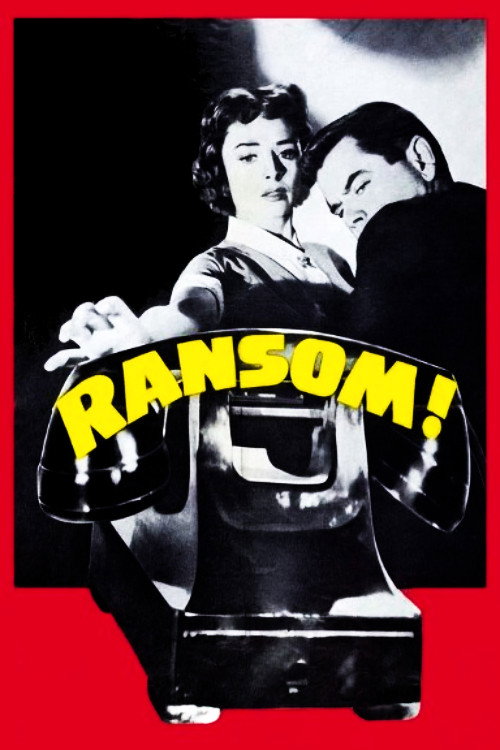
A wealthy business man stuns his wife and town with a televised response to his son's kidnappers.
Ransom!

Carl Brown and Annie McGairy are in love. Their Irish immigrant parents knew each other in the old country - and Carl's parents want better for their son than Annie, who was raised in the slums. When Annie runs away to marry Carl while he's at college, they have many difficulties, including a college Dean that frowns upon married couples, Carl's angry parents, Carl's jealousy, and Annie's own problems with her sexuality.
Joy in the Morning

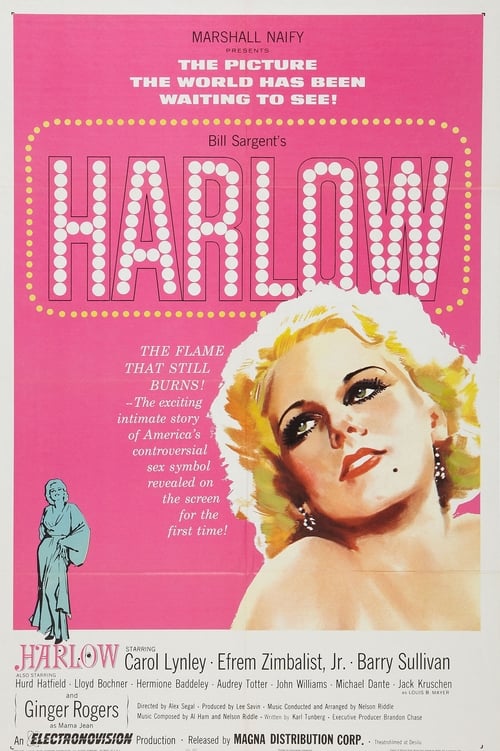
Loosely based biography of 1930s star Jean Harlow as she begins her climb to stardom. One of two "Harlow" film biographies that appeared in 1965, this one stars Carol Lynley in the title role that begins as Jean Harlow, a bit player in Laurel and Hardy comedies, is invited to test for director Jonathan Martin for the lead in Howard Hughes's "Hell's Angels." She is an instantaneous sensation, and in a series of films devoted more to her body than her talent, she becomes Hollywood's "Platinum Blonde."
Harlow

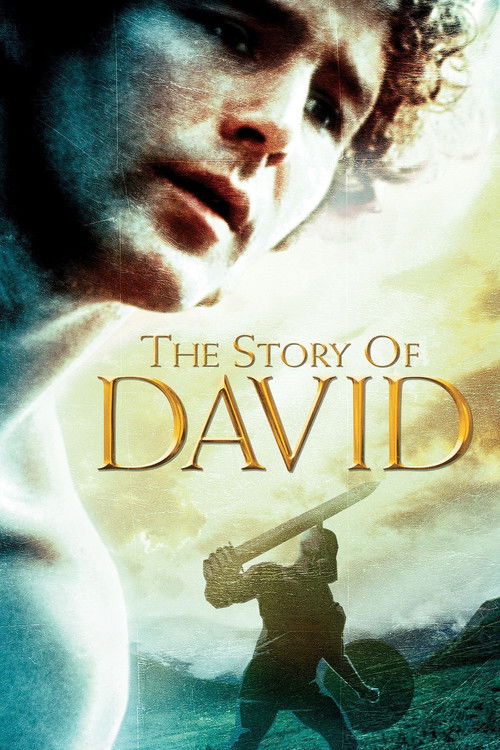
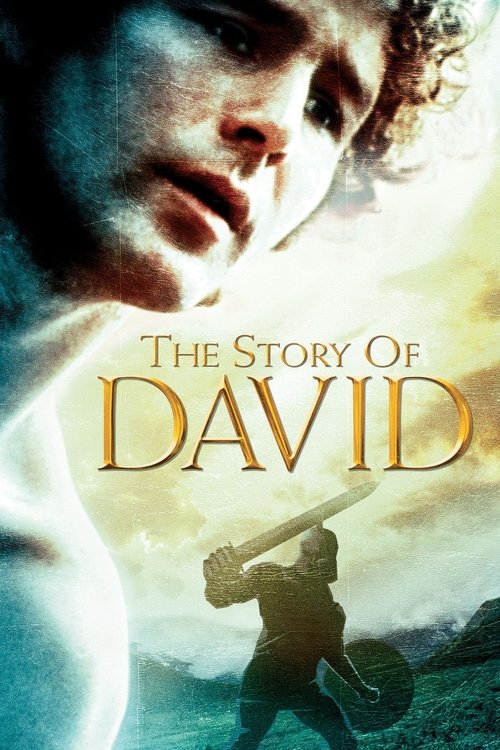
The "David and Goliath" legend is presented as credibly as possible, while David's later disastrous romance with Bathsheba is handled with taste and decorum. Also in the cast are Anthony Quayle as King Saul, and Terence Hardiman as Bathsheba's unfortunate warrior husband Uriah.
The Story of David

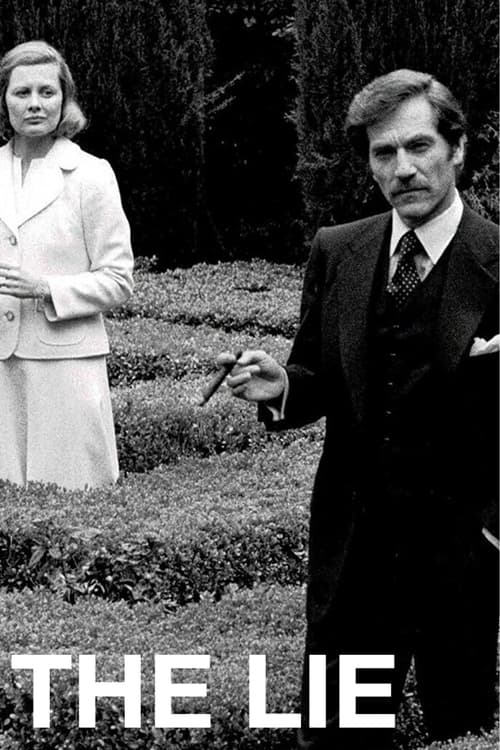
From an Ingmar Bergman script. Previously produced for Swedish Television as "Reservatet" and for the BBC as "The Lie" (both 1970). In this Emmy award winning American version for CBS’s reboot of Playhouse 90, an American couple is trapped in their marriage and way of life. Locked up in their bourgeois inferno.
The Lie

During World War II, a teenage Jewish girl named Anne Frank and her family are forced into hiding in the Nazi-occupied Netherlands.
The Diary of Anne Frank

The “David and Goliath” legend is presented as credibly as possible, while David’s later disastrous romance with Bathsheba is handled with taste and decorum.
The Story of David

Recovering from a heart attack, a workaholic editor recalls the simple days of his youth. Robertson adds an emotional center to this messy, flashback-filled 'heavy' dramatic piece. Plenty of co-star talent.