Carlos F. Borcosque
Directing
Biography
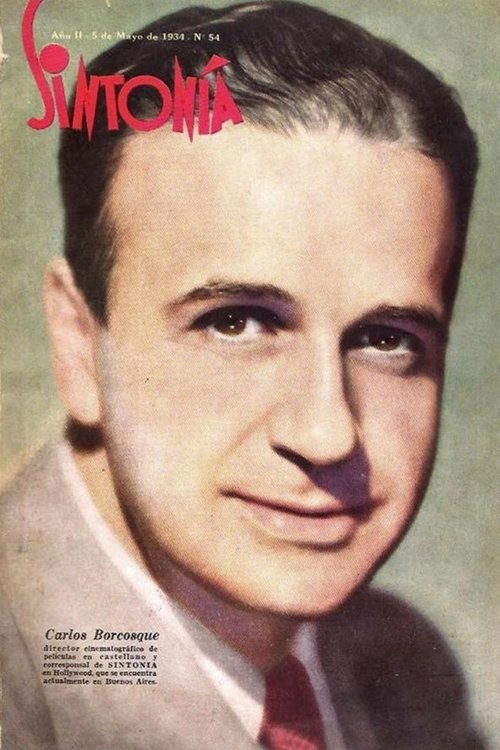
Carlos Francisco Borcosque Sánchez (Valparaíso, Chile; September 9, 1894 - Buenos Aires, Argentina; September 5, 1965), better known as Carlos Borcosque, was a Chilean film director and screenwriter who lived in Argentina, where he made the most of his artistic activity. He was also a journalist and an aviation enthusiast.
Known For

Each month a school teacher narrates a new story to his students, with a moral in each of them.
Corazón

A very modest employee exchanges her newborn child with the baby of a wealthy family. However, years later, when the young man is about to graduate as a doctor, he begins to investigate his hidden past.
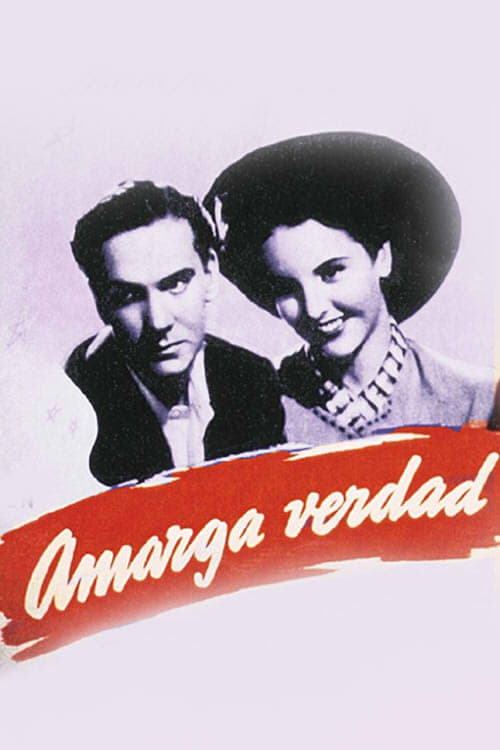
Bitter Truth

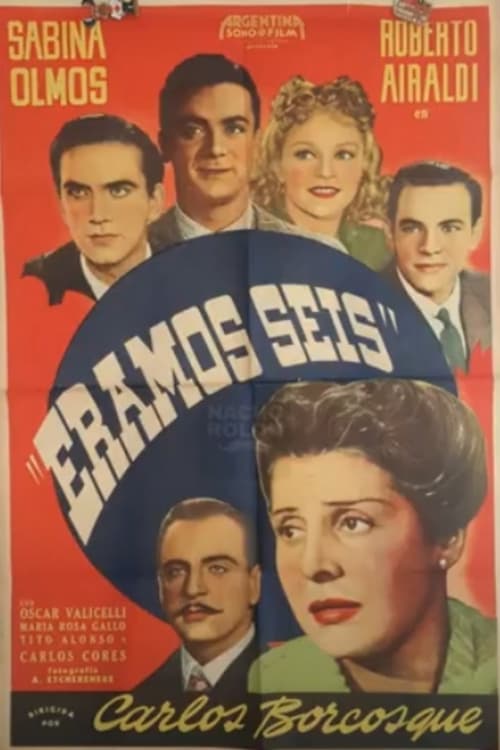
A mother recounts the different stages experienced by her family.
Éramos Seis

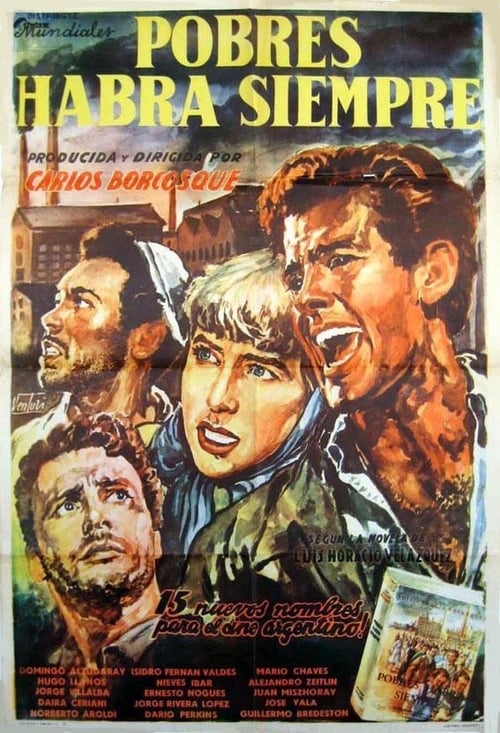
"Pobres habrá siempre" is a rarity within Argentine cinema for many reasons. Its theme is the rebellion of a group of meatpacking workers around 1935 and the several reasons that justified it, but the film was shot at a time when workers and union struggles were very strange issues for local production.
Pobres habrá siempre

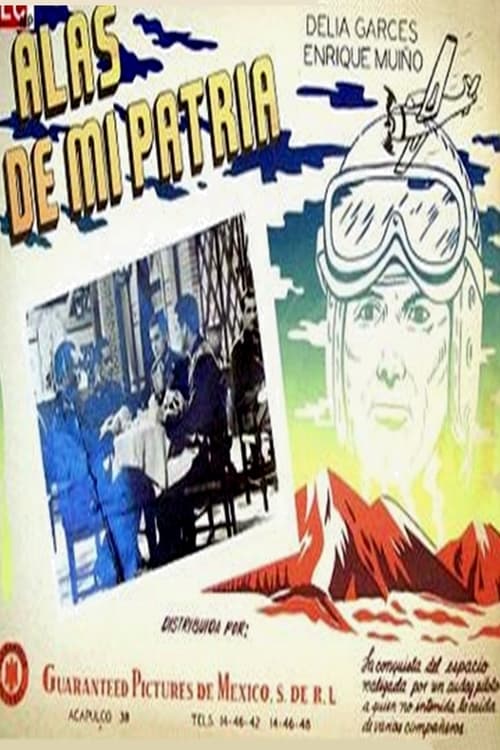
Semi-documentary film in which a fictional plot is narrated linked to events that really occurred in the history of Argentine aviation between 1908 and 1938.
Alas de mi Patria
Aging-roue comedy: foxy grandpa's doctor tells him he needs to cut out the high-living and make a stable, tranquil home for himself, as befits his age and station... but he decides he'd rather do that by marrying his nephew off and piggybacking on the domestic tranquility created in that household.
El calavera

Institutional short film planned and directed by Arturo S. Mom for the First Argentine Film Festival in Mar del Plata. The film shows the technical process by which an Argentine film is produced and emphasizes the professionalism and power of the national film industry. In this way, the story explains in a pedagogical way what is a script, a frame, a camera, a set sketch and a projected background, among others, and how a scene and the soundtrack of a film are recorded.
Cómo se hace una película argentina

A Spanish-language version of "Revenge at Monte Carlo".
Dos noches

A girl and her boyfriend have a conflict when a neighbor tries to seduce him.
La juventud manda
An inveterate sailor renounces love because of his passion for the sea. It is the Spanish-language version of Way for a Sailor (Wood, 1930).
Love in Every Port

A woman helps a man escape from the police and ends up falling in love with him.
Una vez en la vida

A soldier enrolled in the revolutionary ranks has an affair with a woman who turns out to have been married to a man whom the soldier had killed.
La casa de los cuervos

Spanish-language version of The Devil on Horseback (1936).
El carnaval del diablo

No description available.
Cada hogar, un mundo

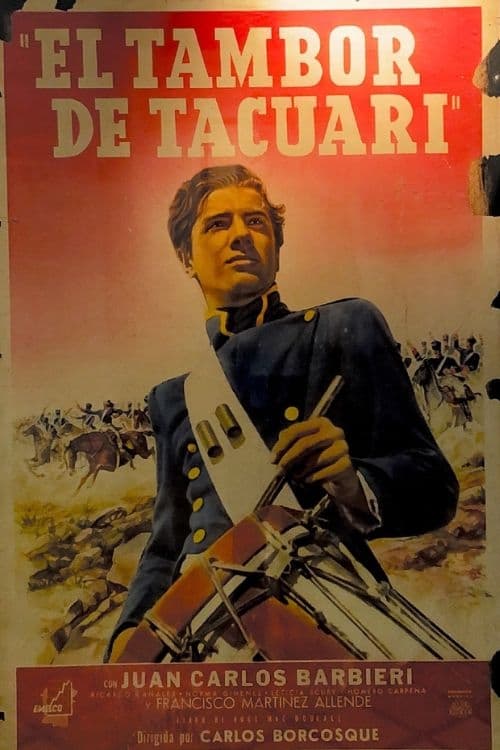
After the May Revolution occurred, a young man abandoned his royalist uncle and became a drummer for the revolutionary army and his father's guide.
El tambor de Tacuarí
Based on the "Bringing Up Father" comic strip. Jiggs, a middle class man, suddenly becomes a millionaire, but does not want to abandon his old friends or his old habits. As he does not want to live like a millionaire without doing anything, nor does he want to abandon his old life, he manages to work in a variety of trades, often fantastic, such as street singer, aviator, colonizer of the planet Mars, champion horseman, etc., or simply going out partying with his usual friends. Eventually, he has to confront his wife, Crisanta, a neurotic and conceited social climber, who is delighted with her new situation. Currently considered a lost film.
The Life and Miracles of Jiggs
Three displaced children hitchhike to Buenos Aires, where they get involved in street-crime and heavier stuff. Positive-role-model adults offer a balance to those negative influences.
Nosotros los muchachos

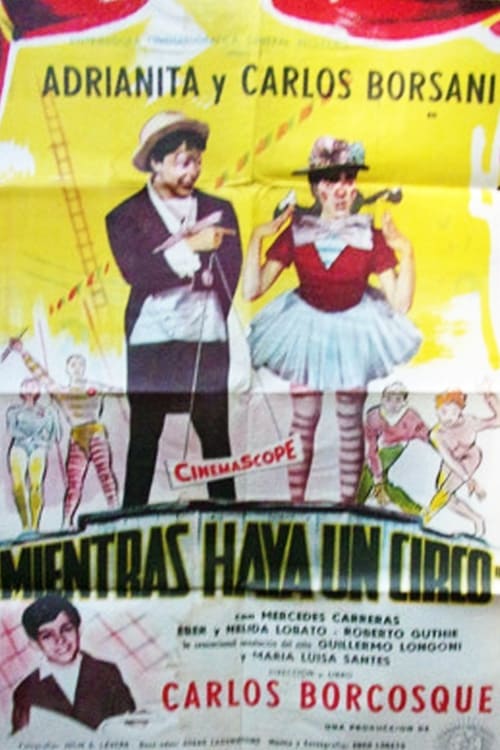
A young trapeze artist fights to cure a paralytic boy.
Mientras haya un circo

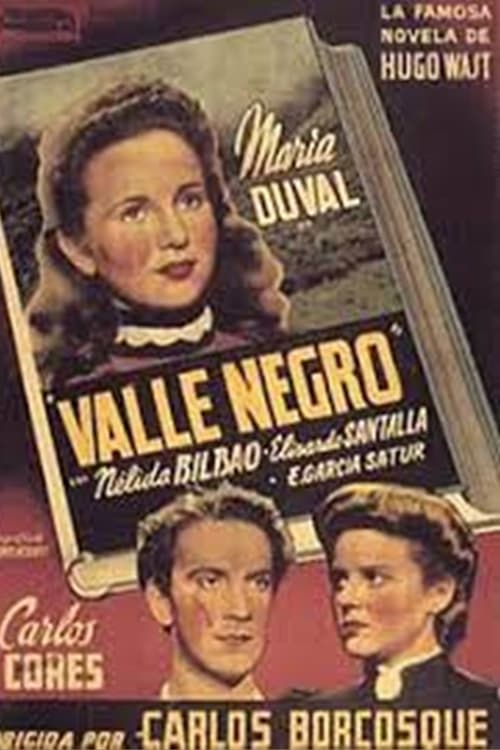
An orphan, adopted by an authoritarian landowner, falls in love with his daughter on a farm in the mountains.
Dark Valley

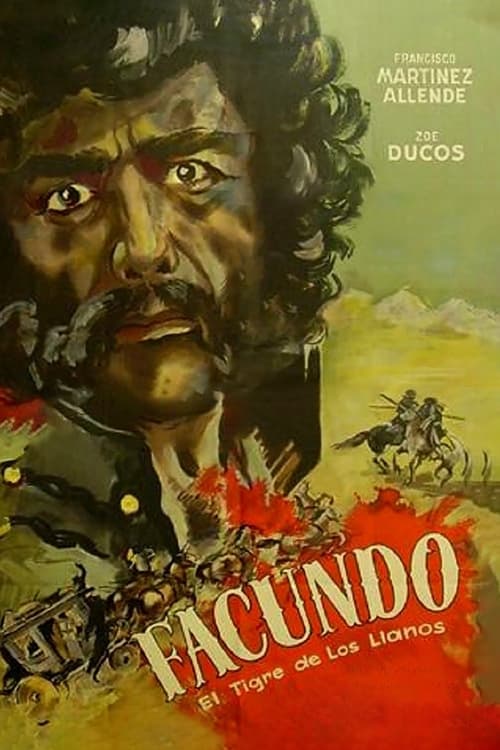
Aspects of the life of Juan Facundo Quiroga, a caudillo who for many years ruled the province of La Rioja in Argentina and was assassinated in 1835.