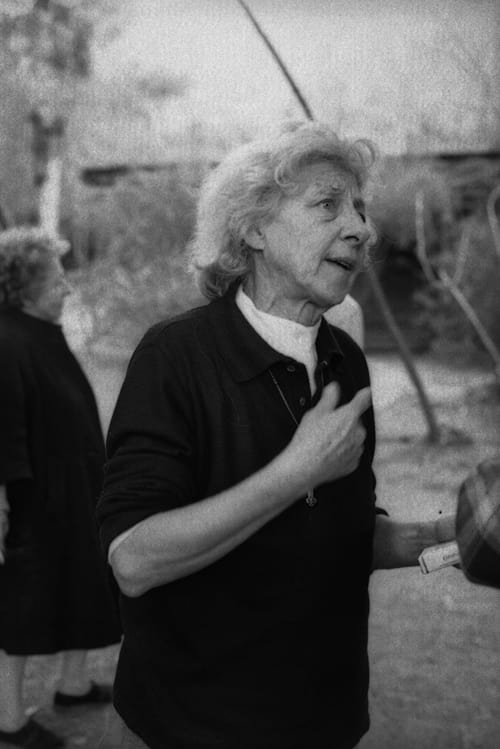
Nieves Yankovic
Directing
Biography
Born in Antofagasta, Nieves Yankovic lived in Europe from 1928 to 1942. She was one of the founders of the University of Chile Experimental Theatre. A film actress under the name Nieves Yanko, she made her debut in Luis Moglia Barth's Romance de medio sieglo (Romance of half a century, 1944). She also acted in Carlos Borcosque's Amarga verdad (1945), Roberto de Ribón's El Padre Pitillo (1946), Carlos Hugo Christensen's La dama de la muerte (1946), Fred Matter's El paso maldito (1949), Pierre Chenal's El ídolo (1952) and Pierre Chenal's Confesiones al amanecer (1954). Yankovic worked as assistant director under Carlos Hugo Christensen and Pierre Chenal. In 1946 she married Jorge di Lauro, a sound engineer at Chile Films. From 1958 until 1972 the pair directed documentaries together. After the 1973 Chilean coup d'état, Yankovic and her husband worked as teachers.
Known For
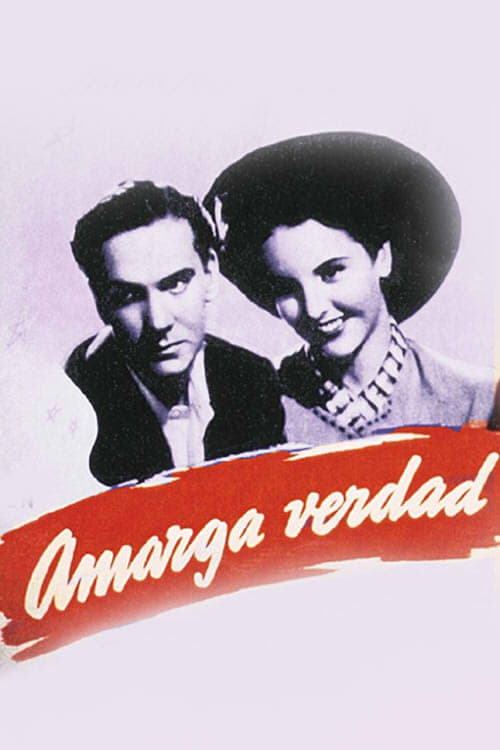
A very modest employee exchanges her newborn child with the baby of a wealthy family. However, years later, when the young man is about to graduate as a doctor, he begins to investigate his hidden past.
Bitter Truth
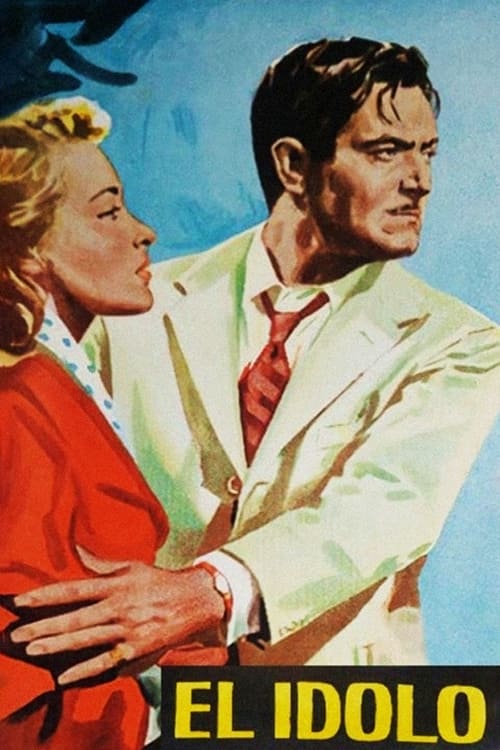
An actor argues with his wife and she decides to leave. The day after learning of the mysterious death of his wife in Viña del Mar, he hires a detective to find the murderer.
The Idol

A young man loses all his money by gambling and decides to commit suicide, but is interrupted by a mysterious man who invites him to join a suicide club, where, through letters, it is drawn who is going to die.
The Lady of Death
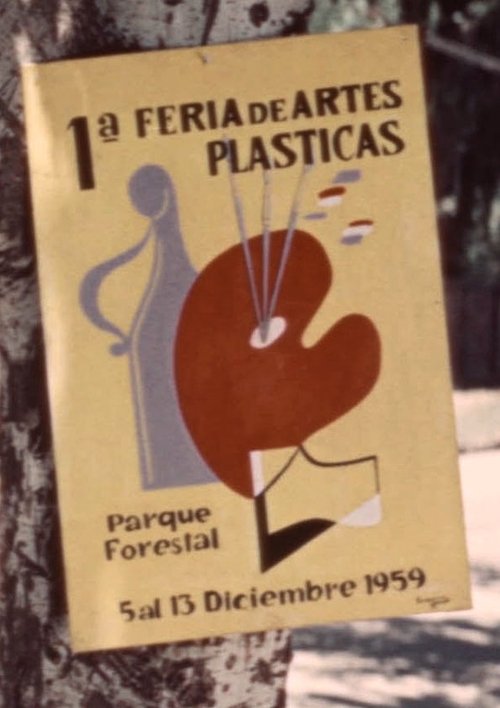
Visits the workshops of prominent Chilean painters and sculptors, a vision of artistic creation takes shape. Finally, the first Plastic Arts Fair in Parque Forestal was held, where several of them exhibited their works in the open air.
Los artistas plásticos de Chile
Documentary about the beautiful places of northern Chile, where the sun and high temperatures are always present. The architecture of the most important cities and the work of albacore fishing are also shown.
Verano en Invierno
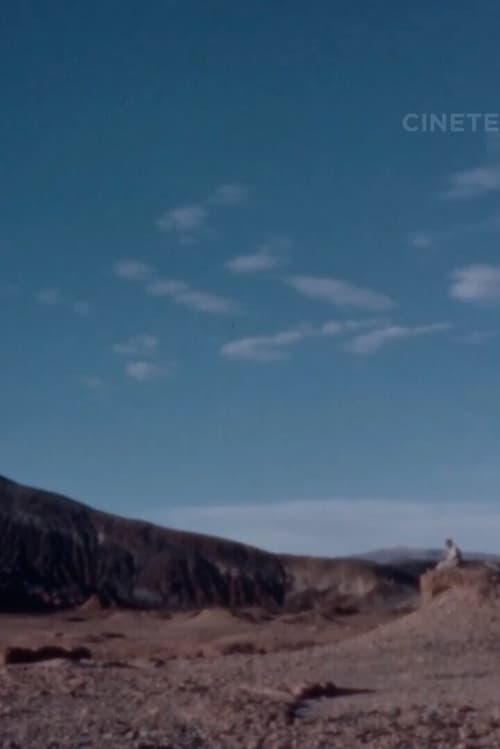
Report on the town of San Pedro which exists in the middle of the desert and at over 2,430 meters above sea level. It also deals with the work of priest Gustavo Le Paige and the museum he helped develop.
San Pedro de Atacama
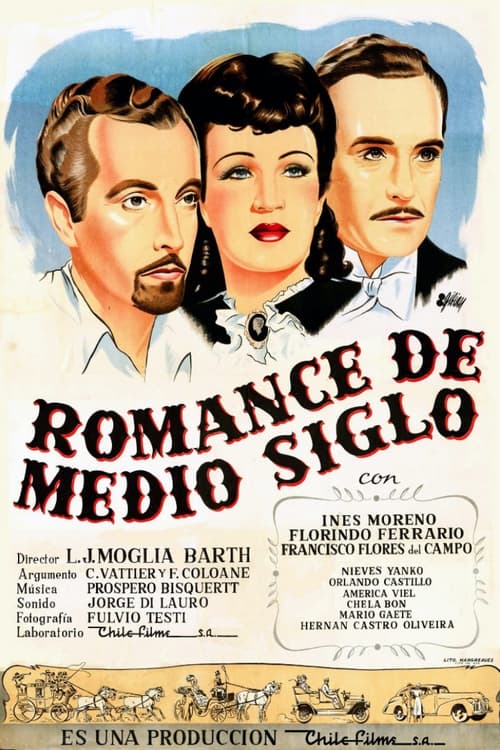
A love story in the midst of historical accidents in Chile, through the revolution of 1891, the Valparaiso earthquake of 1906, the centenary celebrations of 1910 to the present, in 1944.
Romance de medio siglo
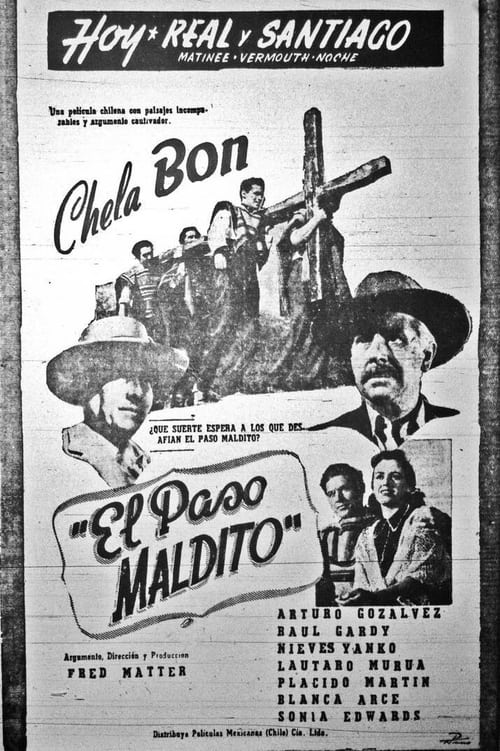
It narrates the misadventures of a bad boss (Arturo Gonzálvez) who falls in love with a poor girl (Chela Bon), harming a good young man (Lautaro Murúa)
El paso maldito
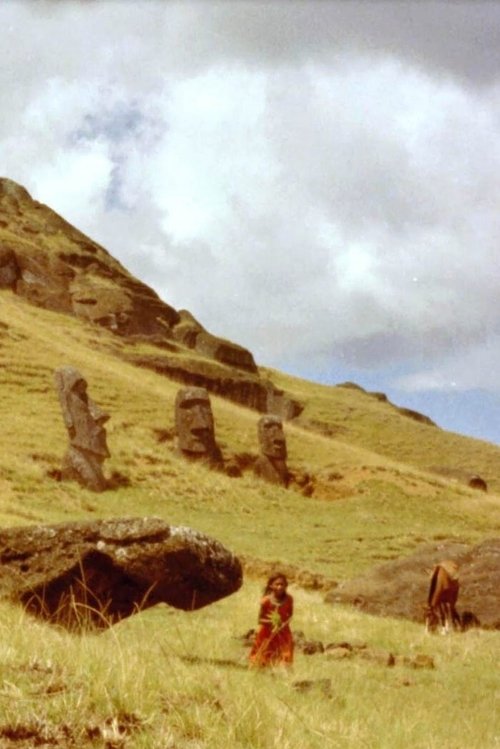
Poetic look at the history and mysteries of Easter Island, through its landscapes, its mythical sculptures, as well as its parties, ceremonies, with abundant songs and dances, which become the true guides of the documentary. Also noteworthy is the annexation of the island to Chile, thanks to Policarpo Toro, captain of the Chilean Navy.
Easter Island
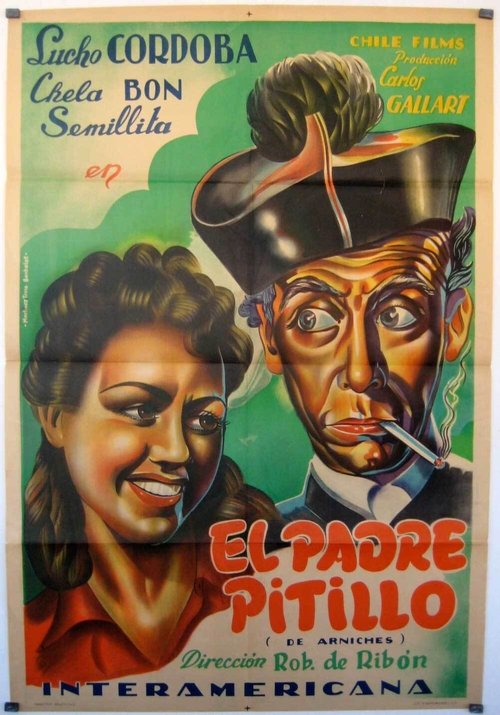
Rosita, a poor and naive girl, becomes entangled in a delicate love affair, which forces her to seek the spiritual help of the kind and ingenious Padre Pitillo, a country priest who does not censure the passion that has ruined poor Rosita, but puts things in their place, in his own particular way.
El Padre Pitillo
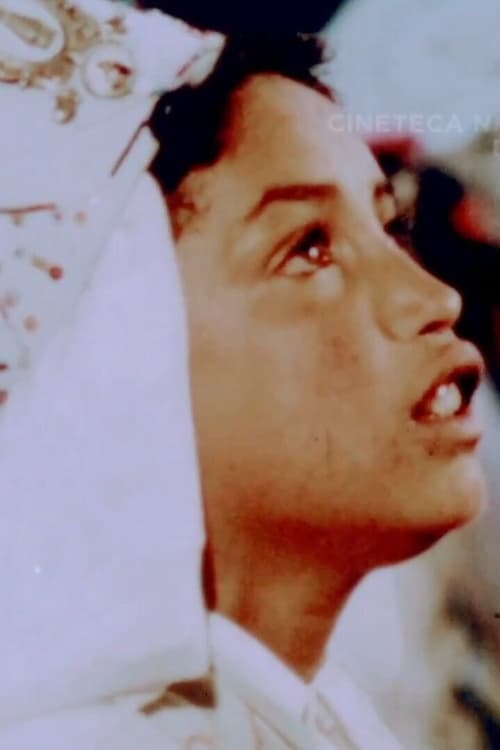
Detailed record of the celebration of the day of the Virgin of Andacollo, a feast that takes place between December 23 and 27 in the city of Andacollo, located in the Coquimbo Region, Chile. The arrival of the pilgrims, the way to the temple, and the beginning of the procession of the Virgin through the town, along with the dances of the numerous brotherhoods that gather. Then, the penitences for completed errands, other activities around the festivity and, finally, the departure of the pilgrims.