George Marshall
Directing
Biography
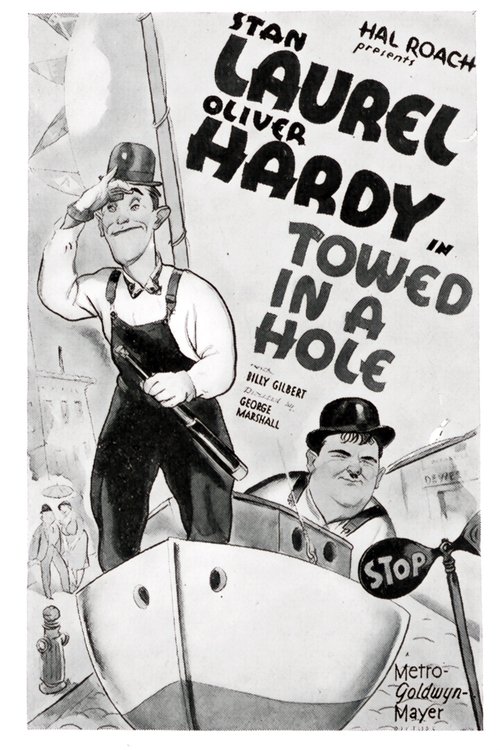
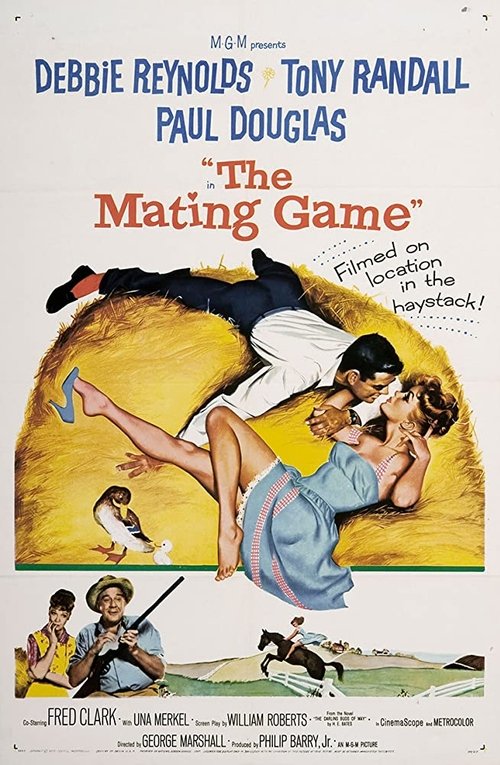
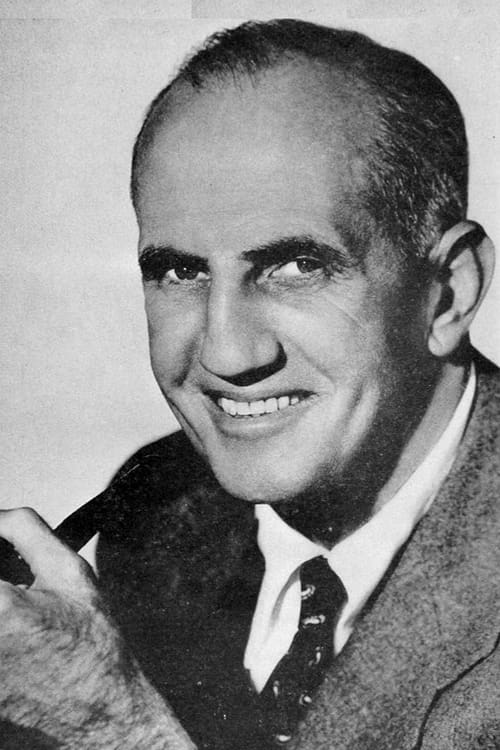
From Wikipedia, the free encyclopedia. George E. Marshall (December 29, 1891 – February 17, 1975) was a prolific American actor, screenwriter, producer, film and television director, active through the first six decades of movie history. Relatively few of Marshall's films are well-known today, with Destry Rides Again, The Sheepman, and How the West Was Won being the biggest exceptions. Marshall co-directed How the West Was Won with John Ford and Henry Hathaway, handling the railroad segment, which featured a celebrated buffalo stampede sequence. While Marshall worked on almost all kinds of films imaginable, he started his career in the early silent period doing mostly Westerns, a genre he never completely abandoned. Later in his career, he was particularly sought after for comedies. He did around half a dozen films each with Bob Hope and Jerry Lewis, and also worked with W.C. Fields, Jackie Gleason, Will Rogers and Laurel and Hardy. For his contribution to the film industry, George Marshall has a star on the Hollywood Walk of Fame at 7048 Hollywood Boulevard. Description above from the Wikipedia article George Marshall, licensed under CC-BY-SA, full list of contributors on Wikipedia.
Known For

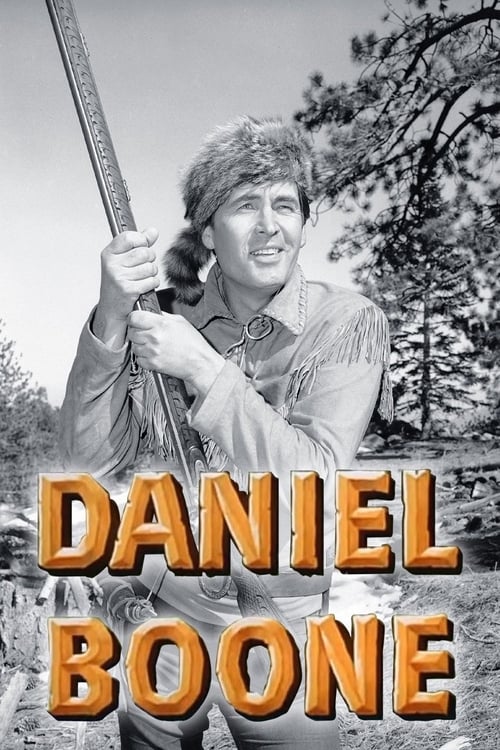
Daniel Boone is an American action-adventure television series starring Fess Parker as Daniel Boone that aired from September 24, 1964 to September 10, 1970 on NBC for 165 episodes, and was made by 20th Century Fox Television. Ed Ames co-starred as Mingo, Boone's Cherokee friend, for the first four seasons of the series. Albert Salmi portrayed Boone's companion Yadkin in season one only. Dallas McKennon portrayed innkeeper Cincinnatus. Country Western singer-actor Jimmy Dean was a featured actor as Josh Clements during the 1968–1970 seasons. Actor and former NFL football player Rosey Grier made regular appearances as Gabe Cooper in the 1969 to 1970 season. The show was broadcast "in living color" beginning in fall 1965, the second season, and was shot entirely in California and Kanab, Utah.
Daniel Boone

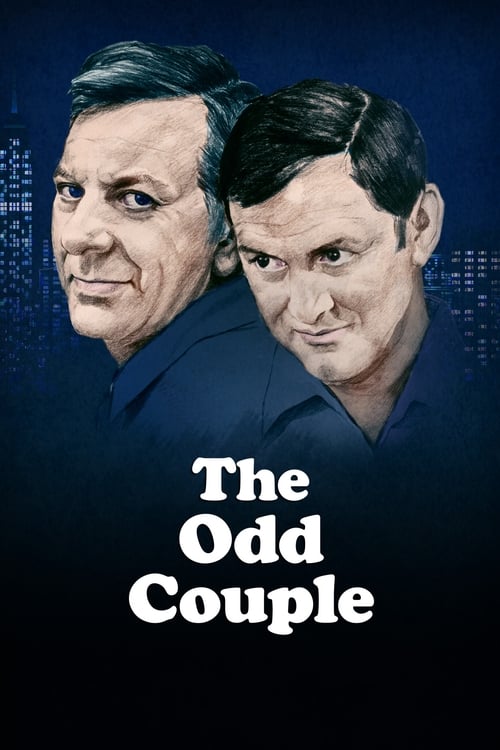
Felix and Oscar are two divorced men. Felix is neat and tidy while Oscar is sloppy and casual. They share a Manhattan apartment, and their different lifestyles inevitably lead to conflicts.
The Odd Couple

No description available.
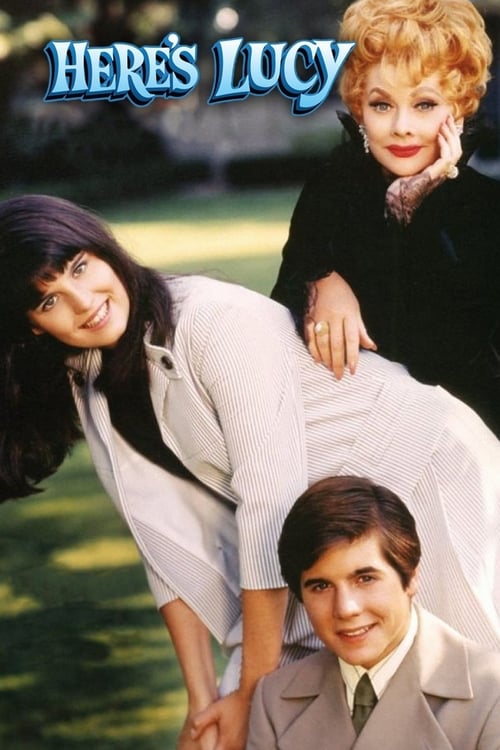
Here's Lucy

Tarzan is a series that aired on NBC from 1966 – 1968. The series portrayed Tarzan as a well-educated character, one who, tired of civilization, had returned to the jungle where he had been raised. The show retained many of the trappings of the classic movie series, including Cheeta, while excluding other elements, such as Jane, as part of the "new look" for the fabled apeman that producer Sy Weintraub had introduced in previous motion pictures starring Gordon Scott, Jock Mahoney, and Mike Henry. CBS aired repeat episodes the program during the summer of 1969.
Tarzan

Cavalcade of America is an anthology drama series that was sponsored by the DuPont Company, although it occasionally presented a musical, such as an adaptation of Show Boat, and condensed biographies of popular composers. It was initially broadcast on radio from 1935 to 1953, and later on television from 1952 to 1957. Originally on CBS, the series pioneered the use of anthology drama for company audio advertising. Cavalcade of America documented historical events using stories of individual courage, initiative and achievement, often with feel-good dramatizations of the human spirit's triumph against all odds. This was consistent with DuPont's overall conservative philosophy and legacy as an American company dating back to 1802. The company's motto, "Maker of better things for better living through chemistry," was read at the beginning of each program, and the dramas emphasized humanitarian progress, particularly improvements in the lives of women, often through technological innovation.
Cavalcade of America

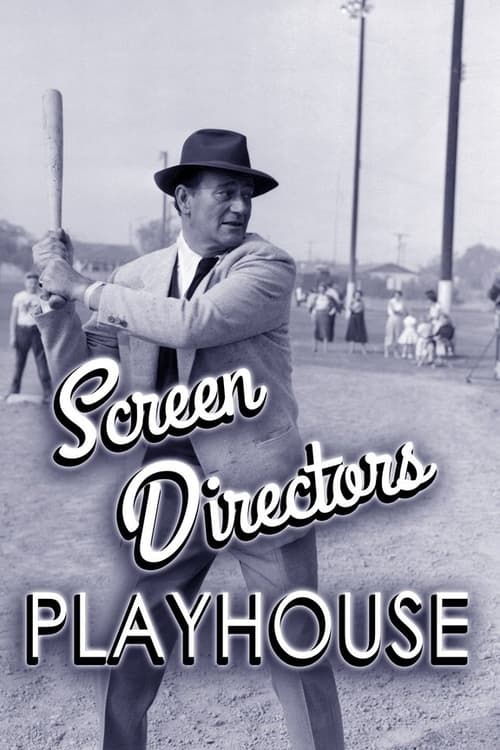
Presented by Eastman Kodak, this show was a series of original scripts directed by acclaimed directors and featuring well-known performers. The stories ranged from musicals to comedies and dramas.
Screen Director's Playhouse

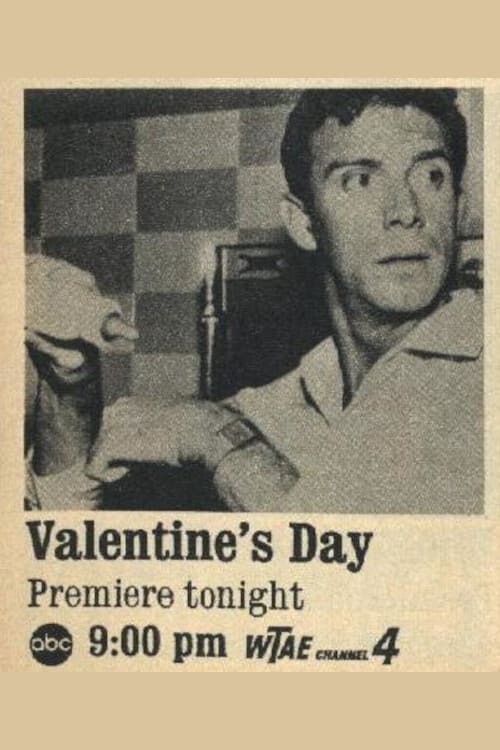
Valentine's Day is a 1964 comedy television series that appeared on ABC's schedule. The series starred Tony Franciosa as Valentine Farrow, a swinging Manhattan publishing executive, and Jack Soo, later of Barney Miller as Rocky Sin, Farrow's poker-playing con-artist valet. The show was created by Hal Kanter and lasted only one season. One noteworthy episode was produced as a tie-in to the movie Rio Conchos, in which Franciosa co-starred; he played both Valentine and his Mexican character from the feature.
Valentine's Day

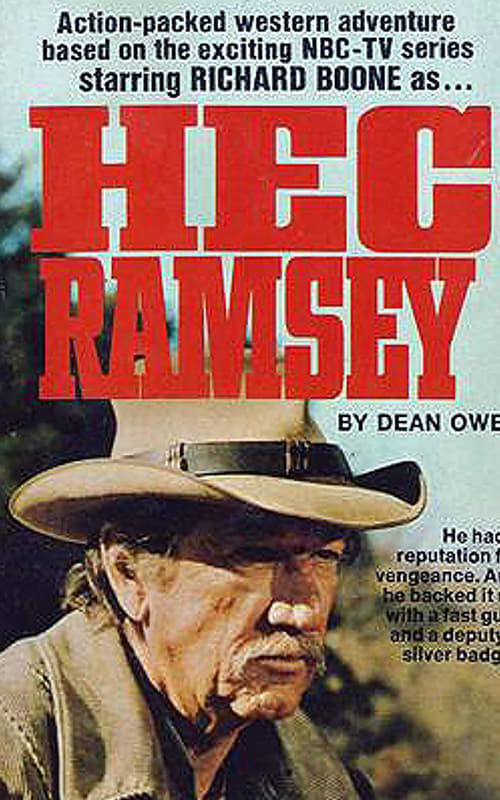
Hec Ramsey is a television Western, a production of Jack Webb's production company, Mark VII Limited, in association with Universal Studios, broadcast in the United States by NBC as part of the NBC Mystery Movie wheel show during the 1972-73 and 1973-74 seasons.
Hec Ramsey

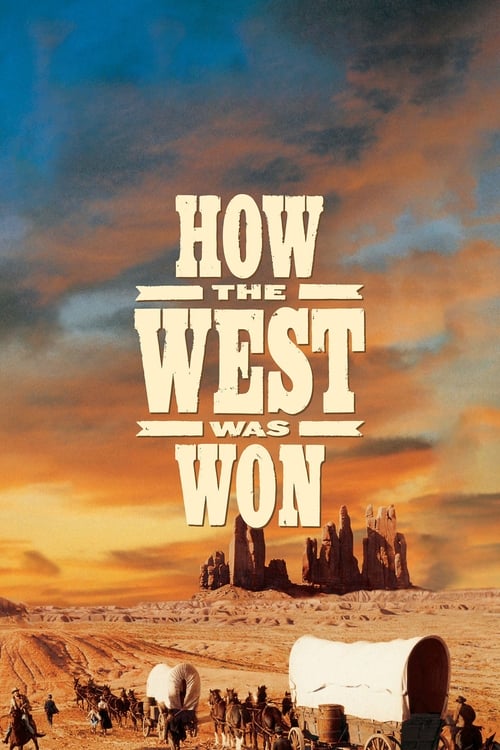
The epic tale of the development of the American West from the 1830s through the Civil War to the end of the century, as seen through the eyes of one pioneer family.
How the West Was Won

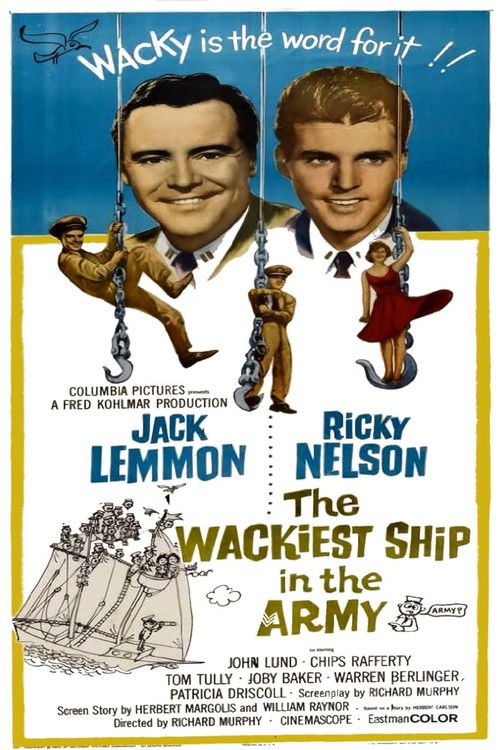
The Wackiest Ship in the Army is an American comedy series that aired for one season on NBC between September 19, 1965, and April 17, 1966. Produced by Harry Ackerman and Herbert Hirschman, the series is loosely based on the 1960 film starring Jack Lemmon and Ricky Nelson.
The Wackiest Ship in the Army

The only white survivor of a Crow Indian raid on a wagon train is a young boy. He is rescued by the Sioux, and the Sioux chief raises him as an Indian in very way. Years later, the white men and the Sioux threaten to go to war and the Indian-raised white man is torn between his racial loyalties and his adopted tribe.
The Savage

TV writer Elliott Nash buries a blackmailer under the new gazebo in his suburban backyard. But the nervous man can't let the body rest there.
The Gazebo

Two Virginians are heading for a new life in Texas when they witness a stagecoach being held up. They decide to rob the robbers and make off with the loot. To escape a posse, they split up and don't see each other again for a long time. When they do meet up again, they find themselves on different sides of the law. This leads to the increasing estrangement of the two men, who once thought of themselves as brothers.
Texas

A man determined to track down the fabled Arizona gold mine known as The Lost Dutchman has an affair with a married treasure hunter, whose pursuit of the mine has lead her to double-cross her husband.
Lust for Gold

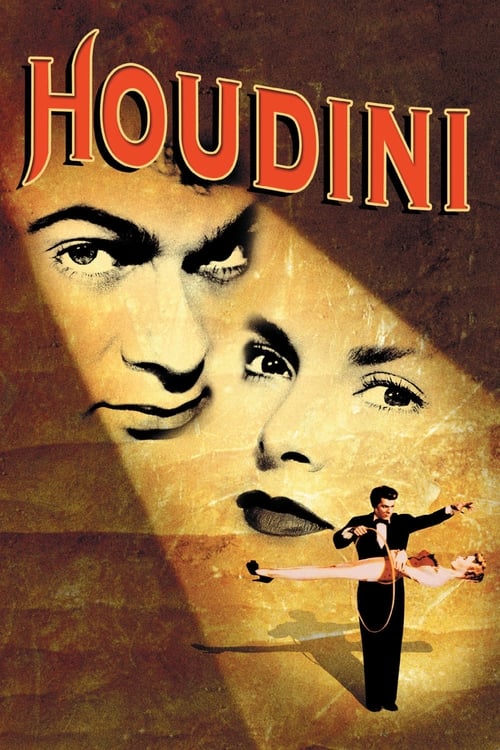
By the early 1900s, the extraordinary Houdini earned an international reputation for his theatrical tricks and daring feats of extrication from shackles, ropes, handcuffs and... Scotland Yard's jails.
Houdini

Jimmy, the owner of a failed music shop, goes to work with his uncle, the owner of a food factory. Before he gets there, he befriends an Irish family who happens to be his uncle's worst enemy because of their love for music and in-house band who constantly practices. Soon, Jimmy finds himself trying to help the band by getting them gigs and trying to reconcile the family with his uncle.
Pot o' Gold

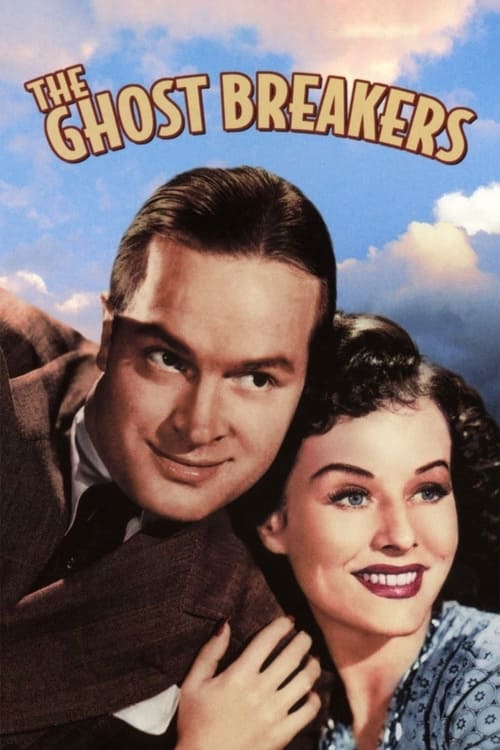
After intrepid working girl Mary Carter becomes the new owner of a reputedly haunted mansion located off the Cuban coast, a stranger phones warning her to stay away from the castle. Undaunted, Mary sets sail for Cuba with a stowaway in her trunk—wise-cracking Larry Lawrence, a radio announcer who helps Mary get to the bottom of the voodoo magic, zombies and ghosts that supposedly curse the spooky estate.
The Ghost Breakers

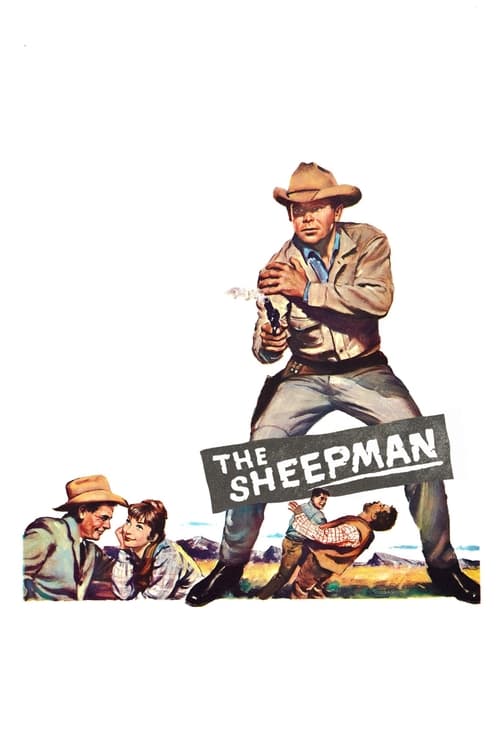
A stranger in a Western cattle-town behaves with remarkable self-assurance, establishing himself as a man to be reckoned with. The reason appears with his stock: a herd of sheep, which he intends to graze on the range. The horrified inhabitants decide to run him out at all costs.
The Sheepman

Tom Meade mistakenly dials the gorgeous European film star Didi at her Oregon hotel. Didi, who has escaped Hollywood to avoid being typecast as a bombshell, takes up Meade's offer to hide away at his backwoods cabin. Meade, with the help of his housekeeper, goes to absurd lengths to help the actress evade discovery by both the public and his suspicious wife.
Boy, Did I Get a Wrong Number!

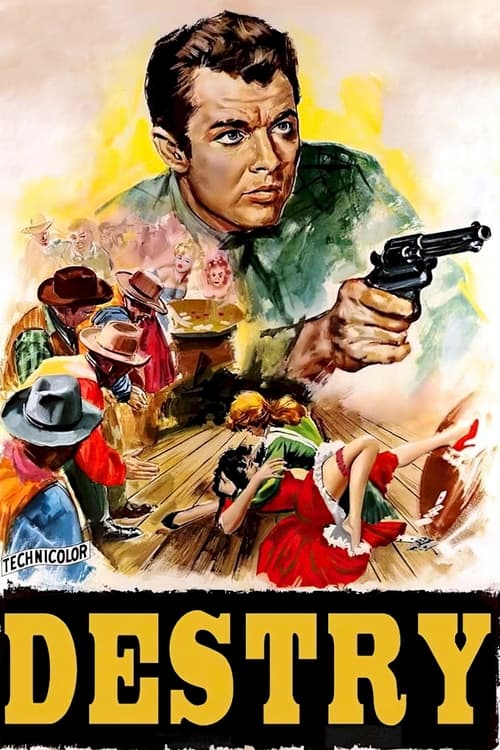
Tom Destry, son of a legendary frontier peacekeeper, doesn’t believe in gunplay. Thus he becomes the object of widespread ridicule when he rides into the wide-open town of Bottleneck, the personal fiefdom of the crooked Kent.