Edgar Faure
Acting
Biography
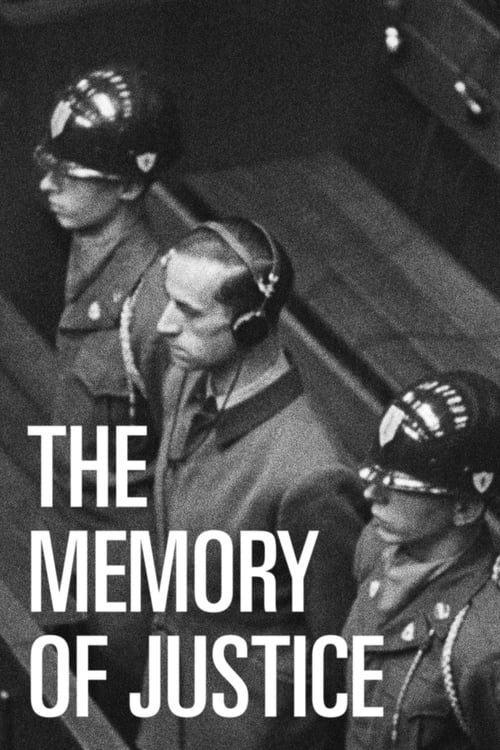
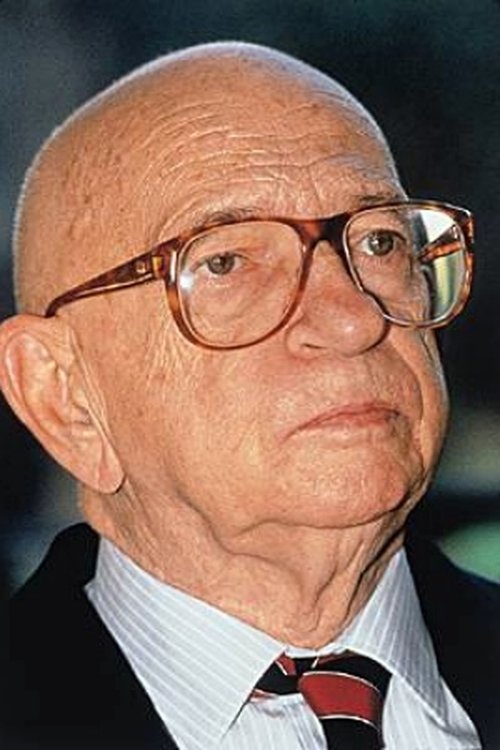
Edgar Jean Faure (18 August 1908 – 30 March 1988) was a French politician, lawyer, essayist, historian and memoirist who served as Prime Minister of France in 1952 and again between 1955 and 1956. Prior to his election to the National Assembly for Jura under the Fourth Republic in 1946, he was a member of the French Committee of National Liberation (CFLN) in Algiers (1943–1944). A Radical, Faure was married to writer Lucie Meyer. In 1978, he was elected to the Académie Française. Faure was born in Béziers, Hérault, to a French Army doctor. He was nearsighted yet a brilliant student since his youth, earning a baccalauréat at 15, as well as a law degree at 19 in Paris. At 21 years of age he became a member of the bar association, the youngest lawyer in France to do so at the time. While living in Paris, he became active in Third Republic politics; he joined the Radical Party in 1929. During the German occupation of World War II, he joined the French Resistance in the Maquis. In 1942, he fled to Charles de Gaulle's headquarters in Algiers, where he was made head of the Provisional Government of the Republic's legislative department. At the end of the war, he served as French counsel for the prosecution at the Nuremberg Trials. In 1946, he was elected to the French Parliament as a Radical. While the popularity of his party declined to less than 10% of the total vote, none of the other parties was able to gain a clear majority. Therefore, early on, his party often played a disproportionately important role in the formation of governments. He thus led the cabinet in 1952 and from 1955 to 1956. Faure was a leader of the more conservative wing of the party, opposing the party's left, under Pierre Mendès France. Faure's views changed during the Fourth Republic; after initial opposition to the Fifth Republic (he voted against presidential election by universal suffrage in the 1962 referendum), he eventually became a Gaullist. The Gaullist Party, the Union for the New Republic, sent him on an unofficial mission to the People's Republic of China in 1963. In government he served in successive ministries: Agriculture (1966–1968), National Education (1968–1969, where he was responsible for pushing through reform of the universities) and Social Affairs (1972–1973). He declined to be a candidate at the 1974 presidential election, in which he supported Valéry Giscard d'Estaing against the Gaullist candidate, Jacques Chaban-Delmas. He had the reputation of a careerist and the nickname of "weathercock". He replied with humour, "it is not the weathercock which turns; it is the wind!" He was a member of the National Assembly for the Jura department from 1946 to 1958, as well as for the Doubs department from 1967 to 1980. He presided over the National Assembly from 1973 to 1978. He sought another term as President of the Assembly President in 1978 but was defeated by Chaban-Delmas. Faure was a Senator from 1959 to 1967 for Jura and again, in 1980, for Doubs. In 1978, he became a member of the Académie Française. ... Source: Article "Edgar Faure" from Wikipedia in English, licensed under CC-BY-SA 3.0.