
Grigoriy Aleksandrov
Camera
Known For
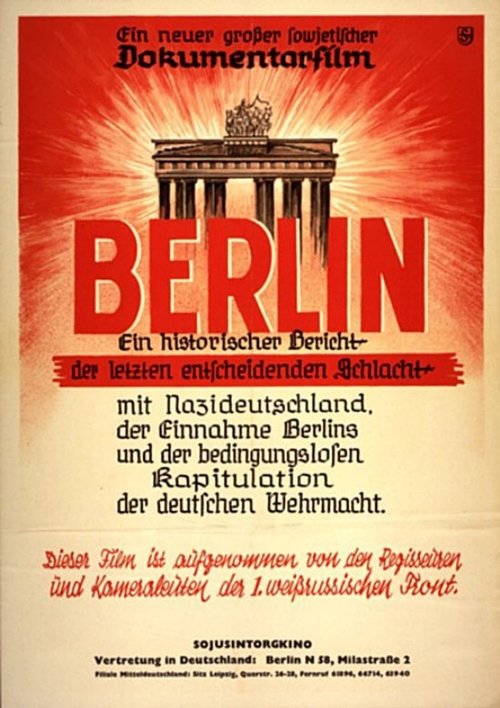
A Soviet documentary chronicling the final assault on Nazi Germany’s capital. More than forty frontline cameramen from the 1st Belorussian and 1st Ukrainian Fronts captured the battle and its aftermath, supplemented with seized German footage. The film records the destruction of Berlin and the symbolic collapse of Hitler’s regime, standing as both a historical chronicle and a work of Soviet wartime cinema.
The Fall of Berlin
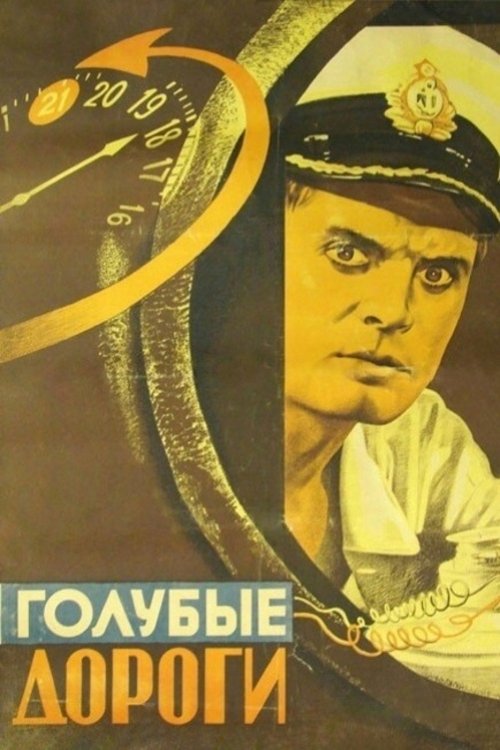
Captain Ratanov is working on de-mining the port of Odessa after WWII.
Blue Roads
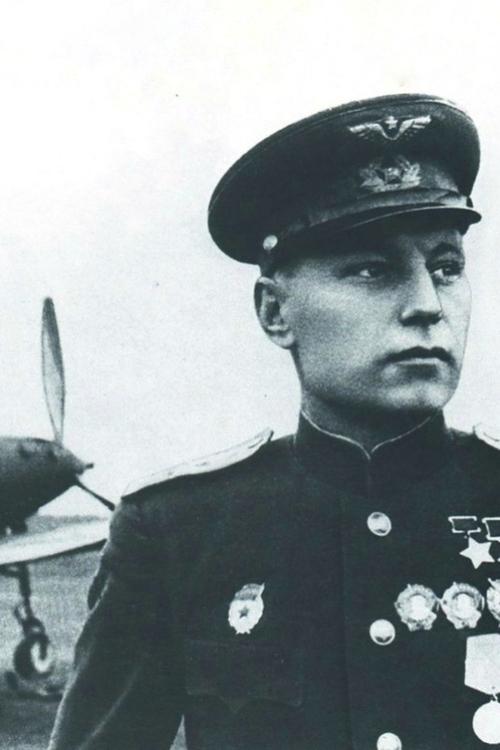
Aleksandr Pokryshkin
Aleksandr Pokryshkin
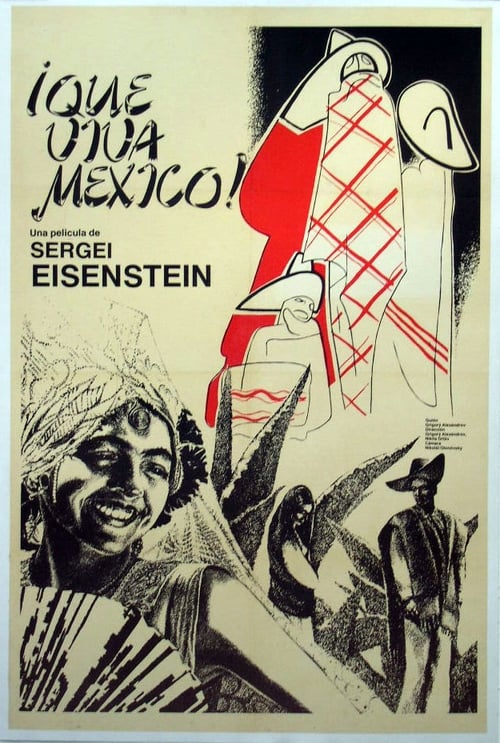
Unedited film that Sergei Eisenstein, Grigoriy Aleksandrov and Eduard Tisse shot in Mexico 1931-32. This record only represents the 200,000-plus feet of unedited film that Sergei Eisenstein, Grigoriy Aleksandrov and Eduard Tisse shot in Mexico 1931/32 for Mary and Upton Sinclair and three American co-financiers. It was Eisenstein's vision to end up with movie about Mexico in six parts called "Calavera", "Sandunga", "Maguey", "Fiesta", "Soldadera", and "Epilogue". The project was canceled before it was completed due to cost overruns and months-delayed completion, and the producers refused to let Eisenstein attempt to edit anything from the material he had finished after Iosif Stalin called him back to the USSR. From this footage the following pictures were subsequently edited by other hands: Thunder Over Mexico (1933), Eisenstein in Mexico (1933), Death Day (1934), Time in the Sun (1940), and Que Viva Mexico (1979).
Hurray Mexico!
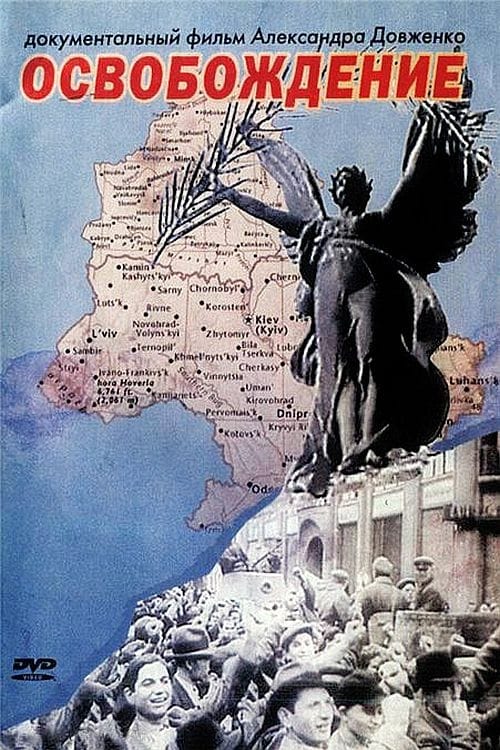
Wartime documentary by Dovzhenko and Solntseva.
Liberation
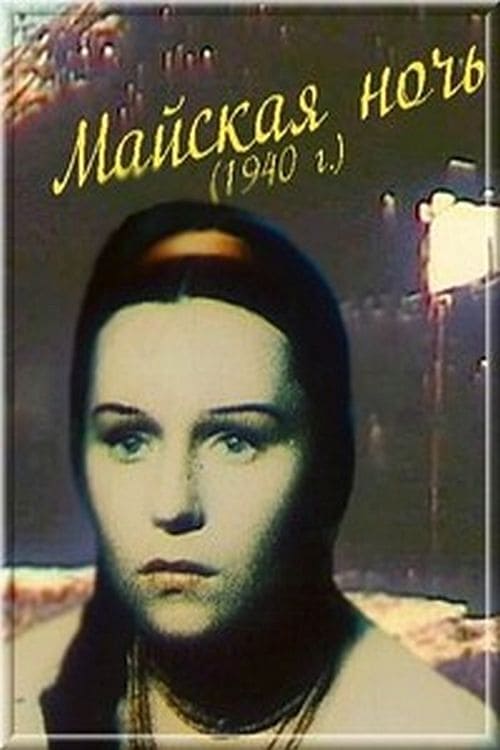
By Nikolai Gogol's "May Night, or the Drowned Maiden". Son of a stubborn mayor can not get his father's agreement to marry an ordinary peasant girl. Unexpectedly he gets the help from an "evil force"
May Night
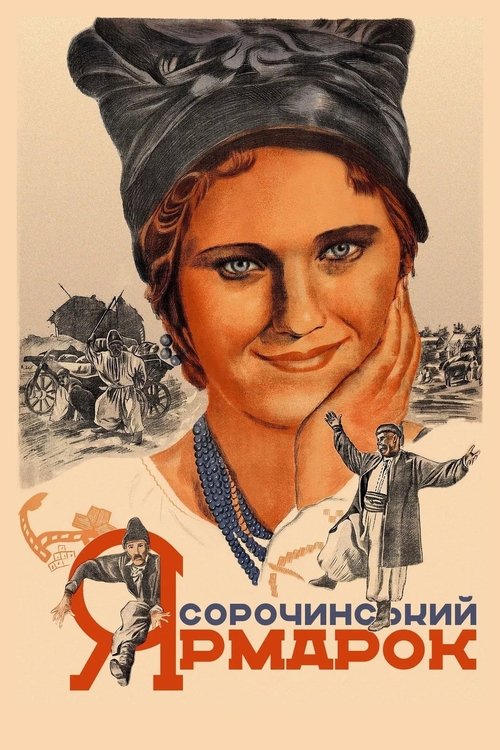
Cheerful and mischievous lad Gritsko offers young Parasya his hand and his heart on the first day of the fair in Sorochyntsi. The girl's father, Cherevik, presents no objection – her stepmother, however, is furious, and refuses to recognise their relationship; Cherevik drunkenly relents. Gritsko alone bemoans his sadness, whereupon a gypsy presents him a deal – Gritsko will sell his oxen to the gypsy if the latter can successfully make Parasya's parents accept their union.
The Fair at Sorochyntsi
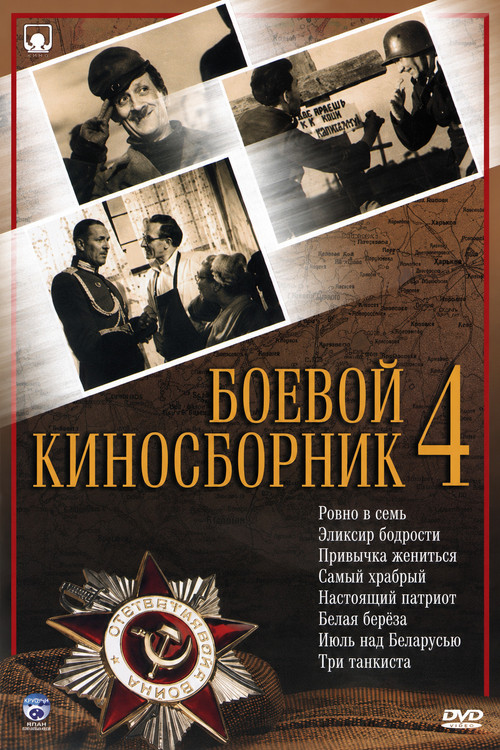
Collection of Films for the Armed Forces #4 was filmed at the Moscow film studio Soyuzdetfilm during the days of the German offensive on Moscow. It consists of three short stories, linked by the emcee performances of Lyubov Orlova as the mail carrier Strelka, the heroine of the comedy "Volga, Volga," who delivers new films along with the letters. It was released on September 9, 1941.