François Sculier
Editing
Known For
No description available.
Le Silence de la carpe
Hordes of zombies invade a western town.
Le bon, la brute et les zombies
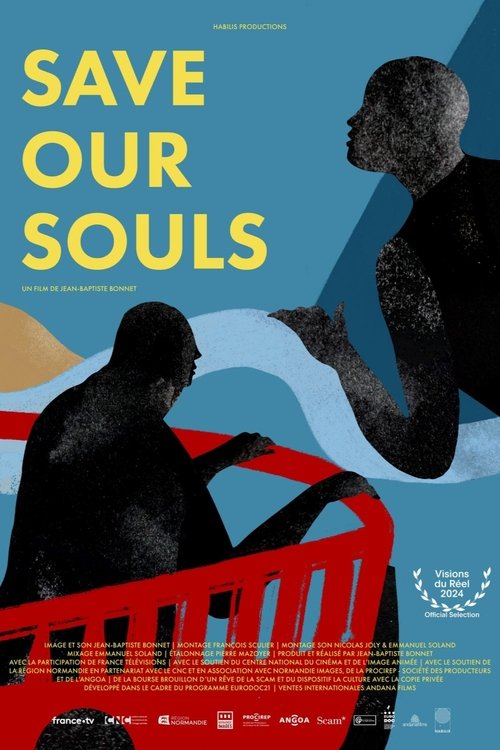
Bobbing around on Mediterranean waters aboard the Ocean Viking, aid workers from the French relief service SOS Méditerranée gaze at the horizon. Is that a rubber dinghy in the distance, or is it garbage? The organization sails up and down the Libyan coast looking to pick up refugees in boats. On board is a 30-strong team ready to offer help and support refugees with their asylum applications.
Save Our Souls
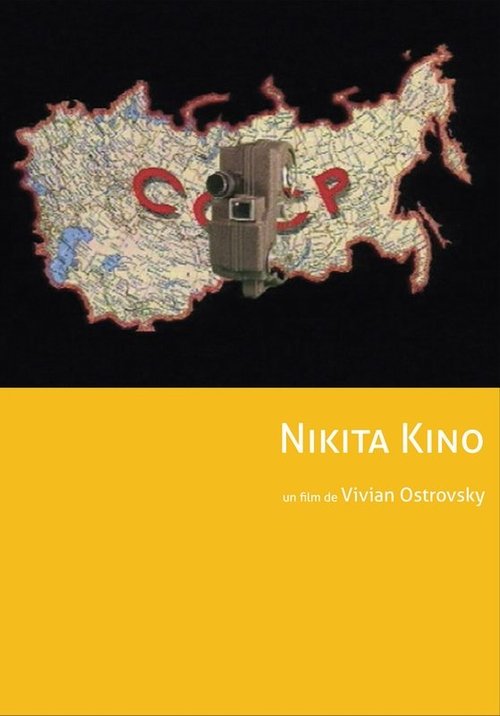
"The film is a travelogue of sorts. In 1960 my family lived in Brazil when my father discovered his sister and brother in Moscow, who he hadn't seen for 40 years, were still alive. Since they couldn't leave the USSR we went to visit them regularly for about 15 years. At the time I had my 8mm then a super 8 camera with which I filmed the family, our outings, picnics, markets and their homes… I decided to use this material, which was not very interesting per se, by mixing it with Soviet found-footage of the same period (1960's, 1970's, 1980's). I used feature films, propaganda footage, newsreels, etc. The result is a kind of Khruschev-era mix with a collage of Soviet music and a voice-over of my memories of the Cold War period."
Nikita Kino
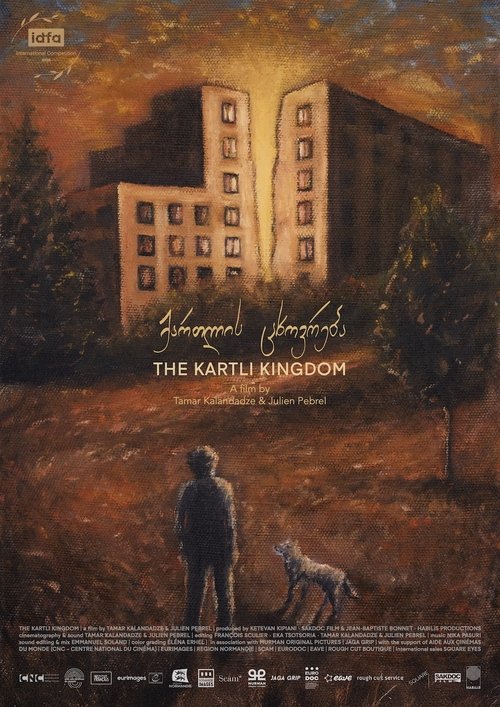
"Kartli" refers both to Georgia’s medieval kingdom and a Tbilisi sanatorium sheltering refugees from the 1990s war in Abkhazia, meant as temporary but lasting 30 years. The crumbling building became a recreated “country”, with a farm, gardens, terraces and rooms where old VHS tapes revive memories of a lost paradise. Through Tamuna, Irma, and others, the film explores exile, trauma, and shared resilience, showing that nothing stays the same inside Kartli.
The Kartli Kingdom
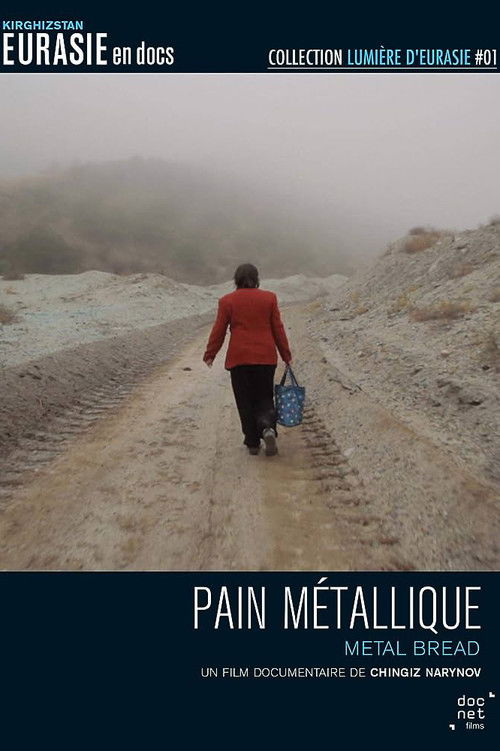
A day in the life of Tatyana Prokopenko, a courageous woman from Mailuu-Suu, an all-but ghost town in the former Soviet republic of Kyrgyzstan.
Metal Bread

Made in the sunset years of Paul Bowles’ life, the film sees the eccentric author and composer reminisce on how he ended up in Morocco.
An American in Tangier

In the vast plains of Kyrgyzstan, men have been cultivating a group sport with a long tradition. The aim of the game buzkashi is to steal the trophy of a dead goat from the rival team of riders, all while staying on horseback. Into this tough masculine world enters Atirkül, a woman with an enterprising spirit and a sense of humour. The film follows the everyday life of the headstrong horse lover Atirkül, whose ambition is to build her own buzkashi team of local young men to preserve the heritage of her native region. The ethnographic perspective alternates with a purely personal one, gradually revealing the possibilities of overcoming gender roles
Atirkül in the Land of Real Men
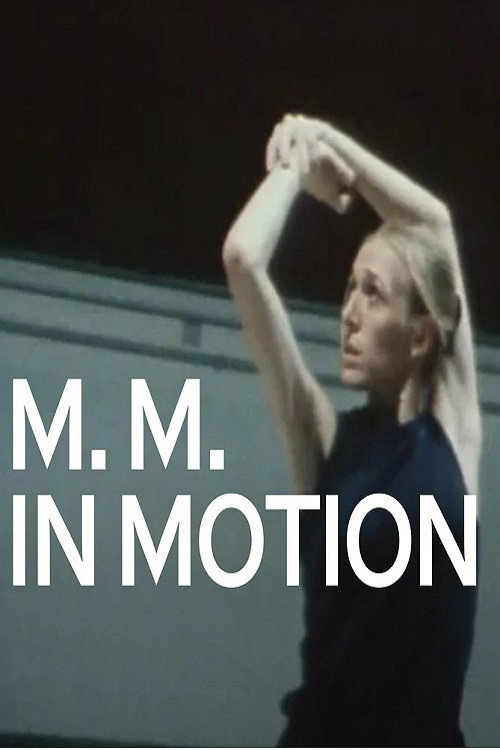
M.M. IN MOTION was four years in the making and draws upon Ostrovsky's filming of six Monnier choreographies (from 1988 to 1991) in rehearsals and performances. M.M. attempts to translate Monnier's essence, style and humor into cinematic terms using fragmentary, episodic and impressionistic images that capture the defining traits of her modus operandi.
M.M. in Motion
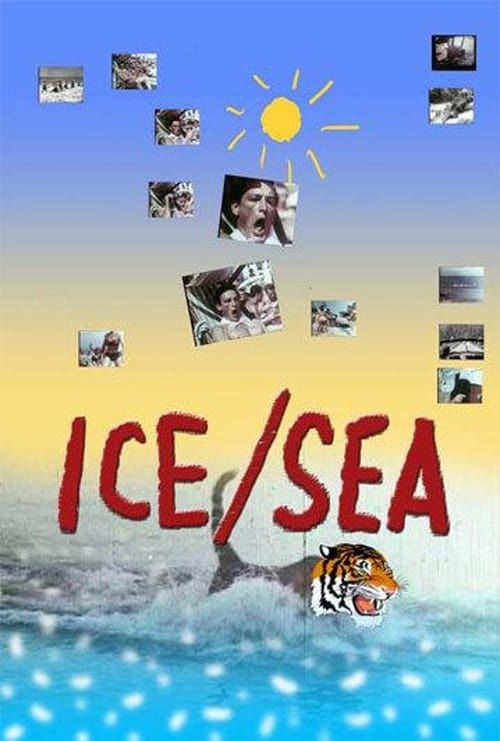
Funny collage of sea, sun and ice. A show from the beach with skiers, tigers, mermaids and much more.
Ice/Sea
An observation of humans' and animals' table manners as they gulp down breakfasts, lunches, cocktails and dinners in a variety of situations.
Eat
Absorb these images, “breathing slowly, quietly, and very calmly. Sinking softly, silently…” Drift into a relaxing reverie.
American International Pictures
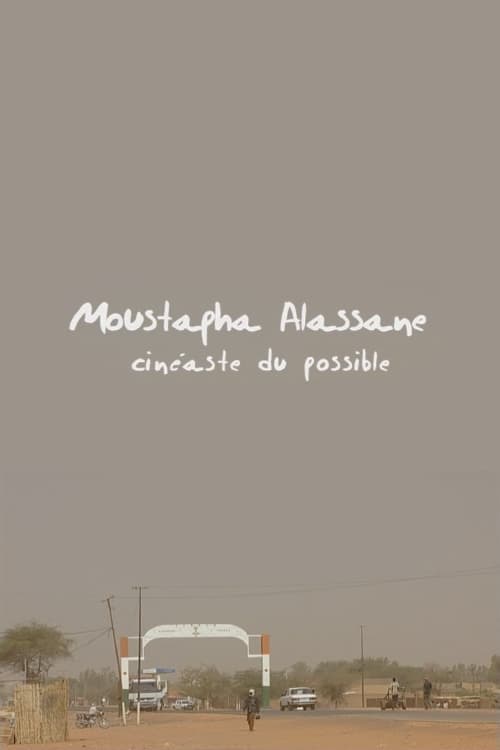
Moustapha Alassane is a living legend in African cinema. His adventures take us to the era of “pre-cinema”, to the times of magical lantern and Chinese shadows. He is the first director of Nigerien cinema and animation films in Africa. He tells very old stories with current technology, but he also narrates the most current events with the most archaic means. This documentary not only tells the adventure of a human being and an extraordinary professional, but the memories of a generation, the history of a country, Niger, in its golden age of cinema.
Moustapha Alassane, Cineaste of the Possible
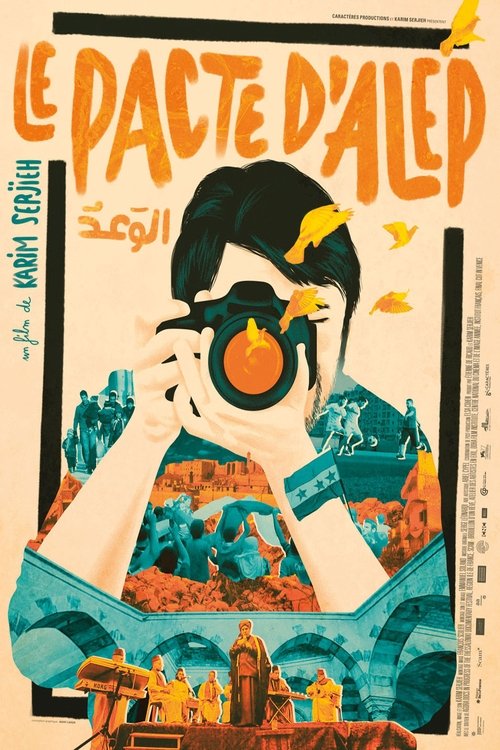
No description available.
Le Pacte d'Alep

Brooklyn boxers and boucing balls.Catalan dancers and Provençals dogs. The Douro, the Danube, Biarritz, Brazil. In super 8 colours and black and white sounds.