Christian Lelong
Directing
Known For
No description available.
Le Silence de la carpe

In the vast plains of Kyrgyzstan, men have been cultivating a group sport with a long tradition. The aim of the game buzkashi is to steal the trophy of a dead goat from the rival team of riders, all while staying on horseback. Into this tough masculine world enters Atirkül, a woman with an enterprising spirit and a sense of humour. The film follows the everyday life of the headstrong horse lover Atirkül, whose ambition is to build her own buzkashi team of local young men to preserve the heritage of her native region. The ethnographic perspective alternates with a purely personal one, gradually revealing the possibilities of overcoming gender roles
Atirkül in the Land of Real Men

Colonel Honorine Munyole is a robust forty-four-year-old widow and mother of seven young children – four of her own, three adopted. She wields her uniform, beret and black handbag like a protective shield, which her daily work desperately requires. More or less on her own, she runs a small police unit dedicated to protecting women who’ve been raped and children who’ve suffered abuse in the war-plagued regions of the Congo. At the start of Maman Colonelle, she’s transferred from Bukavu to Kisangani, arriving only to discover her future home and office in a desolate state. While she deals with such practical obstacles with suitable feistiness, the traumas and social deformities of the people around her have nightmarish dimensions: the envy surrounding those with state-recognised ‘victim’ status, hope for help from the ‘whites’, depression, helplessness.
Mama Colonel
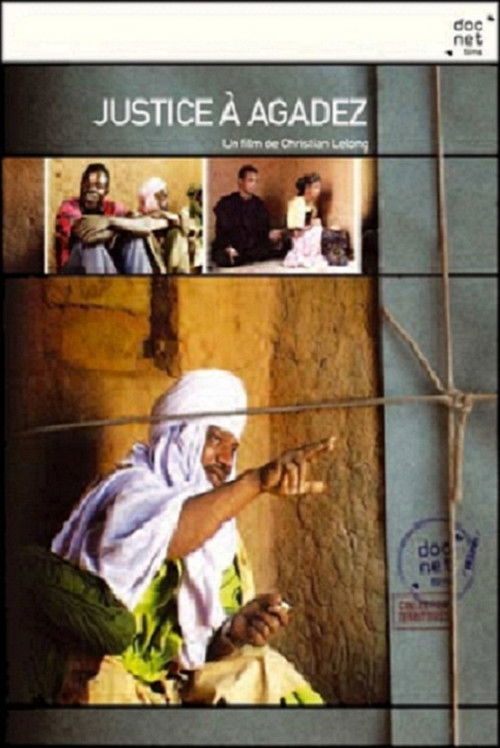
In the Western African country of Niger, the official justice system of this former French colony is based on the Napoleonic Code. A small percentage of the population still subscribe to superstitious beliefs and seek the advice of traditional healers. But in this largely Muslim nation, many citizens seek justice from the local Islamic judge, or 'Cadi,' who interprets Koranic Law.
Justice at Agadez
Moustapha Alassane is a living legend in African cinema. His adventures take us to the era of “pre-cinema”, to the times of magical lantern and Chinese shadows. He is the first director of Nigerien cinema and animation films in Africa. He tells very old stories with current technology, but he also narrates the most current events with the most archaic means. This documentary not only tells the adventure of a human being and an extraordinary professional, but the memories of a generation, the history of a country, Niger, in its golden age of cinema.
Moustapha Alassane, Cineaste of the Possible
No description available.