
Leonid Chembarsky
Acting
Known For
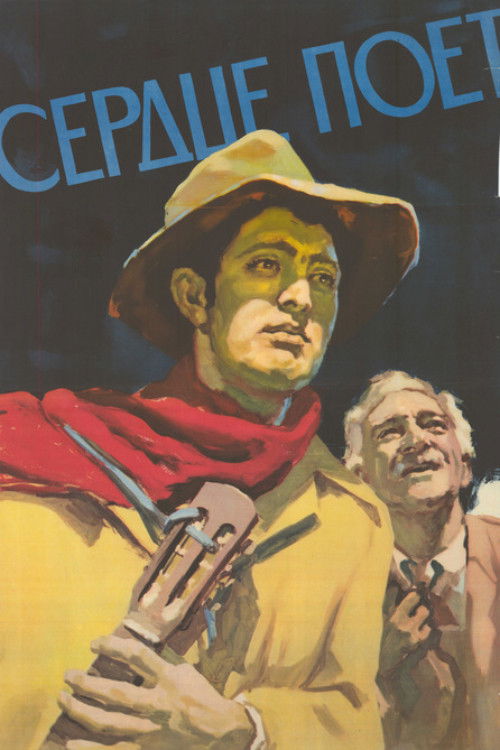
Blind singer immigrant finds love and happiness in his native Armenia.
The Heart Sings

Jean, the hairdresser, is flabbergasted: what is that baby his girlfriend Lisa has put in his arms out of the blue? The fruit of love? Out of the question. From that moment on, the reluctant father has but one thought in his head: he must get rid of the cumbersome 'article'. And, take his word for it, all the ways are good.
Love's Berries
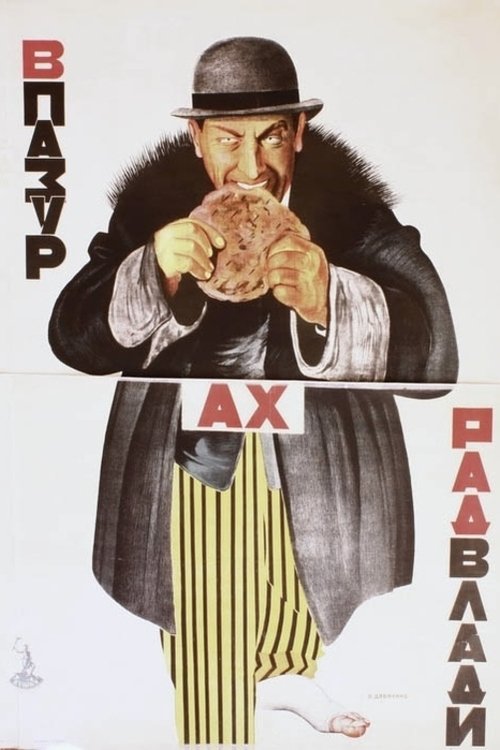
Day in and day out, factory worker Wolfer enjoys his luxurious life. But one day he wakes up after another night of drinking and is horrified to learn that the October Revolution has taken place. It took away the manufacturer's luxurious life. Wolfer's mansion, jewelry, and excess clothes were requisitioned. In the end, the manufacturer has to sweep the streets. He flees to Paris, where he finds a job in a circus with great difficulty.
In the Clutches of the Soviets
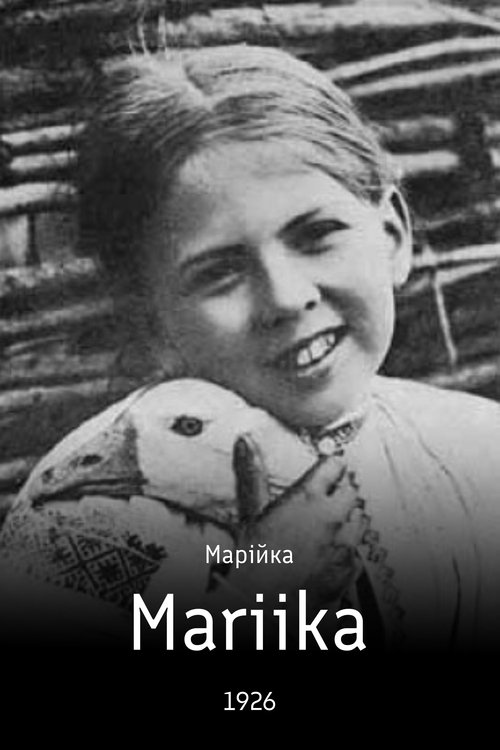
In the first years of NEP, one of the committees Relief for Starving evacuates an orphan girl Mariika from a starving village into a city. Mariika runs away on the way over.
Mariika

The first Ukrainian adventure detective story. The action takes place in Odesa in 1920, occupied by Denikin's troops. The White Guard counterintelligence conducts a fruitless search for the Bolshevik agent "7+2". The search is led by officer Enger. Dizzying races, disasters, and murders further confuse the agent's trail. It is only with the arrival of the Bolsheviks that the case is solved. Incompletely preserved
Ukrasia

The seamy Jewish underworld of Odesa is the setting for Isaac Babel's story based on the life of gangster king Mishka Yaponchik "Mike the Jap" Vinnitsky. Murder is a way of life for Benya and his gang until he finds himself ensnared in a Bolshevik trap.
Benya Krik
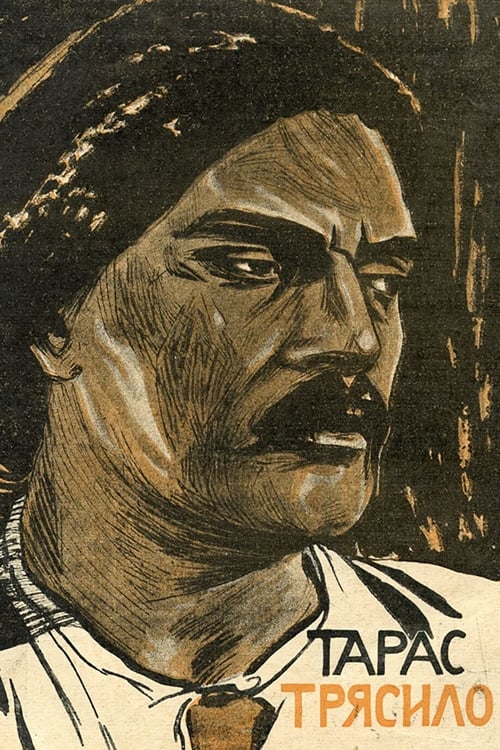
It's the 17th century, when social antagonism is at its peak. The poverty of peasants and poor Cossacks is opposed to the lavish lifestyle of the Ukrainian and Polish noblemen, priests, and Cossack officers. Cossacks fight off Tatars’ attacks, however, they start to realise that the real enemy is much closer. Taras Triasylo raises Cossacks to help the rebellious peasants.
Taras Tryasylo
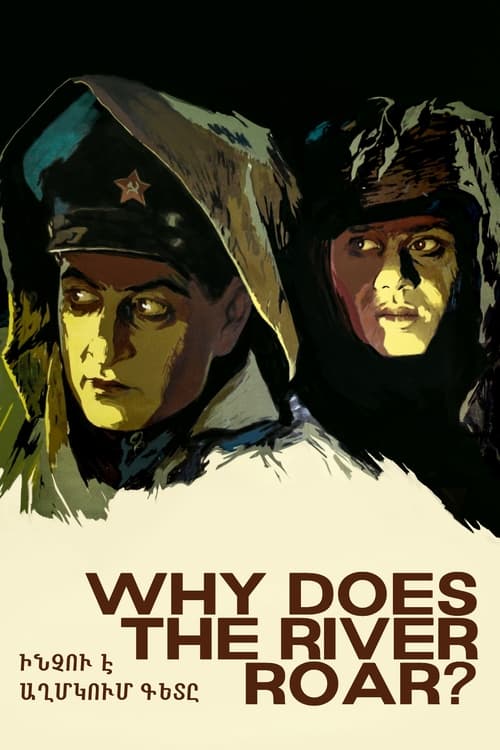
Atanes Ghambaryan, resident of Armenian border village, after the captivity during the World War II, turns up abroad in Turkey and dreams of returning to his homeland. During one of night patrols, border guard Armen who is in love with Ghambaryan's daughter Seda, recognizes him on the other side of the river Araks.
Why Does The River Roar?
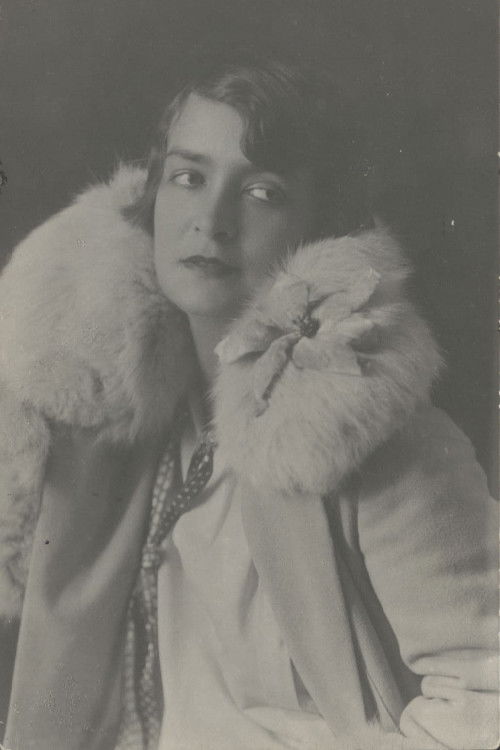
An agitation film based on historical events. An episode of the uprising of pro-Bolshevik workers at the Kyiv Arsenal factory against the forces of the Central Rada.
Arsenaltsy
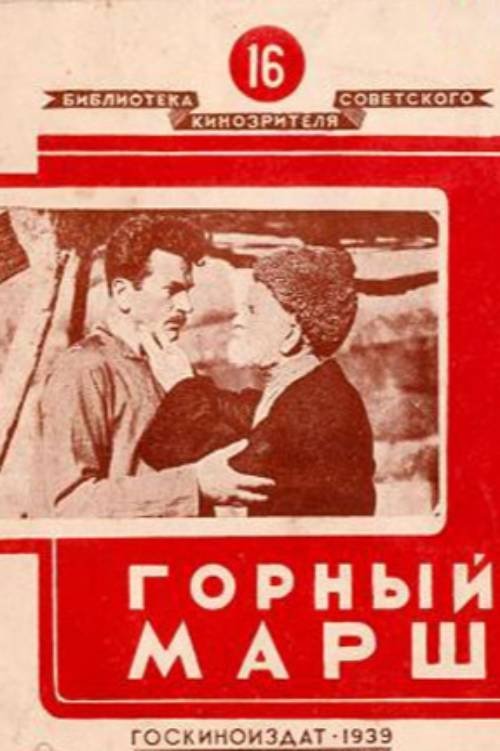
A detachment of Bolsheviks impedes the progress of a punitive detachment through the gorge and prevents it from suppressing a revolt.
Mountainous March
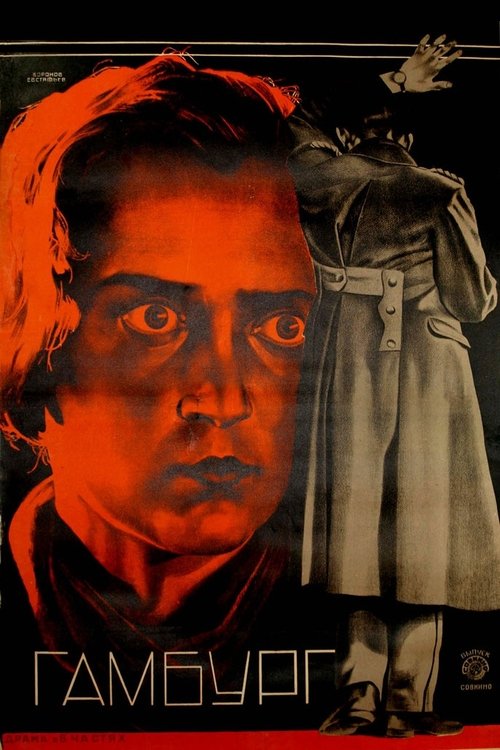
Germany, 1923. Workers, called to the struggle by the communist Niels Unger, seize the arsenal and turn every building into a fortress. The social democrat Buk does not fulfill Unger's order to blow up the bridge over the Elbe, so the Reichswehr troops enter the city. A bloody massacre begins. Nils Unger is arrested. Buk, who is associated with the punitive leader Meins, betrays the rebels during interrogations. A trial is scheduled for the rebels. To avoid political publicity during the trial, Nils Unger is declared insane, but manages to escape from the prison hospital. Once again, his call resounds through the streets of Hamburg: "Save your guns!"
Hamburg
A documentary fiction propaganda film about the famine in Ukraine in 1921-1922. Among the causes of the catastrophe, in addition to drought, the film mentions the consequences of revolutionary events. It shows swollen children, destroyed factories and plants, burning villages, dead cattle, and a number of actions aimed at helping the victims: the work of the Commission for the Relief of the Starving under the All-Ukrainian Central Executive Committee, the organization of feeding stations, workers donating their three-day salary to help the famine victims, etc. The very first film made in Odesa under the auspices of the newly founded VUFKU in nationalized pavilions that until recently belonged to film magnates Kharytonov and Borysov.
The Famine and The Fight Against It
A satirical melodrama based on the short story of the same name by Mikhail Zoshchenko, written in 1923. The film was included in the first issue of the VUFKU film magazine "Mahovyk." Considered lost.