Directing
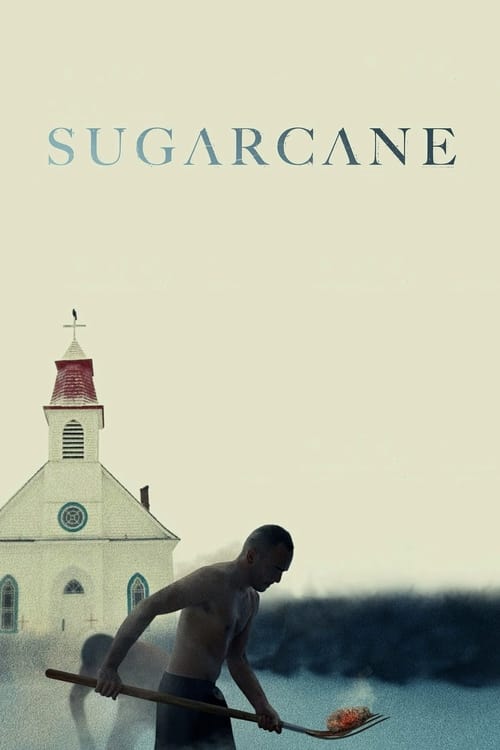
An investigation into abuse and missing children at an Indian residential school in Canada ignites a reckoning on the nearby Sugarcane Reserve.
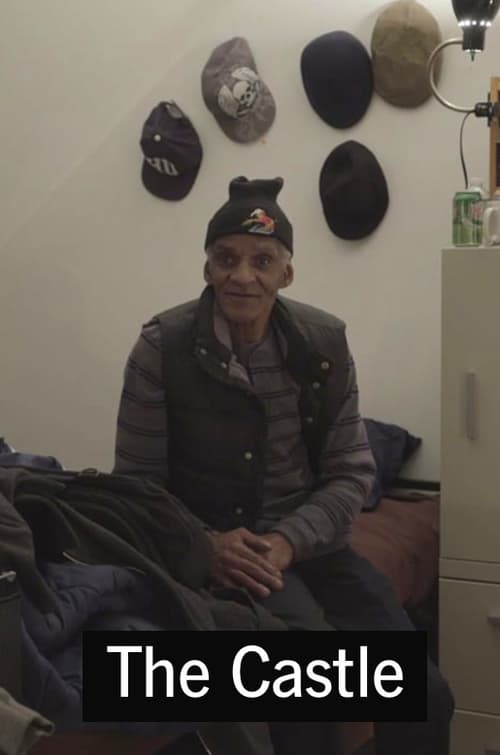
Formerly incarcerated people reassemble their lives at The Castle, a singular housing facility and a supportive home base created by The Fortune Society.
Bulletproof explores the complexities of violence in schools by looking at the strategies employed to prevent it. The film observes the longstanding rituals that take place in and around American schools: homecoming parades, basketball practice, morning announcements, and math class. Unfolding alongside these scenes are a collection of newer traditions: lockdown drills, teacher firearms training, metal detector screenings, and school safety trade shows. Bulletproof asks what these rituals reflect back at us, looking beyond immediate causes and responses to mass shootings in a cinematic meditation on the array of forces that shape the culture of violence in the United States.
Six rural American communities are marked as candidates for an unthinkable fate: their land, a burial ground for 77,000 tons of nuclear waste. Against the impassive logic of government analysis and archives, a people’s history of resistance and stewardship emerges through a visceral journey across the landscapes, ecologies, and personal histories of the candidate sites.
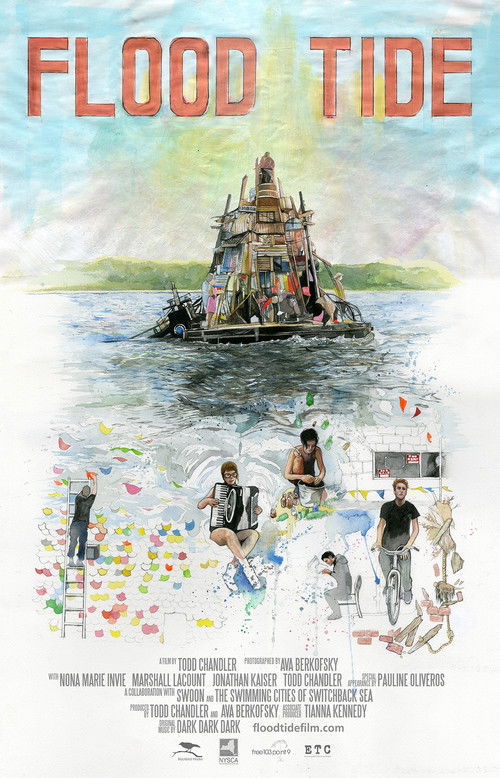
A group of artists and musicians living in a small, post-industrial town chase jobs, struggle with bills, and use art and music to build their own small world. When their friend Maya dies, they set out on an extraordinary voyage, unknowingly accompanied by her ghostly presence. And while they drift past empty new condo developments, explore crumbling castles, and swim in iridescent quarries, Maya narrates a parallel story about a strange and meandering river that flows both ways. Flood Tide is a collaboration with the Swimming Cities of Switchback Sea, a project dreamed up by the artist Swoon and built by a group of artists and performers who floated seven large sculptures down the Hudson River. Flood Tide interweaves documentation of this journey with layers of fiction, mythology, and oral history to create a film that both documents and reimagines the real-life project.
In St. Louis County, the home of police-shooting victim Michael Brown, a practice with a long history has become systematic: the operation of modern-day debtors’ prisons. A Debtors' Prison follows two plaintiffs in an unfolding court case, Samantha Jenkins and Meredith Walker, as they describe the matrix of controls that subjected them to incarceration for being poor.
Julie Wyman’s quest to find her place within the little people (LP) community at a moment when dwarf identity is poised to radically change. As Julie unpacks the rumors of “partial dwarfism” in her family she finds that hers is the last of a body type she has inherited. She joins forces with a group of dwarf artists to confront the legacy of being tokenized and put on display.
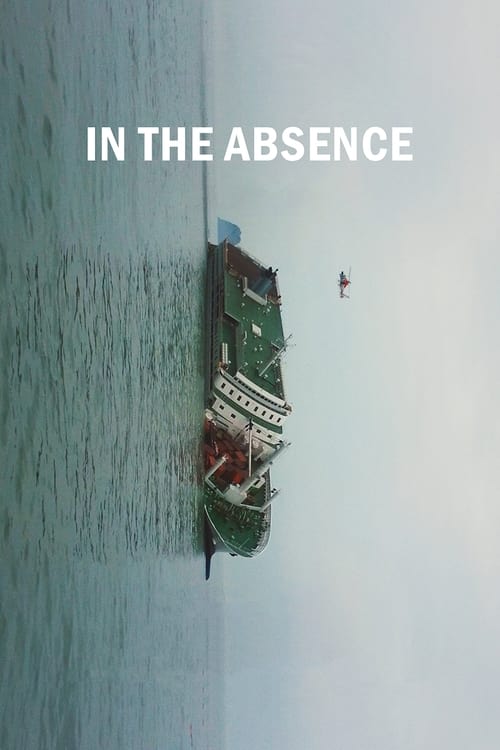
When the MV Sewol ferry sank off the coast of South Korea in 2014, over three hundred people lost their lives, most of them schoolchildren. Years later, the victims’ families and survivors are still demanding justice from national authorities.
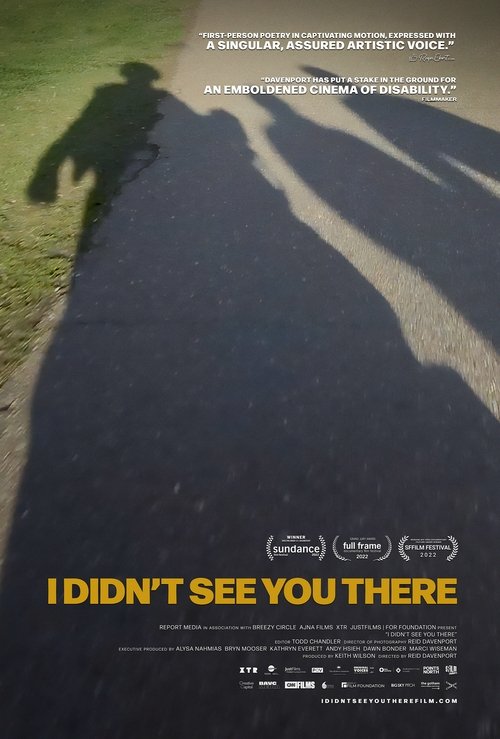
As a visibly disabled person, filmmaker Reid Davenport is often either the subject of an unwanted gaze — gawked at by strangers — or paradoxically rendered invisible, ignored or dismissed by society. The arrival of a circus tent just outside his apartment prompts him to consider the history and legacy of the freak show, in which individuals who were deemed atypical were put on display for the amusement and shock of a paying public. Contemplating how this relates to his own filmmaking practice, which explicitly foregrounds disability, Davenport sets out to make a film about how he sees the world from his wheelchair without having to be seen himself.
An ode to the Florida Everglades, past and present, told through the prescient writings of Marjory Stoneman Douglas and those who today call the region home.
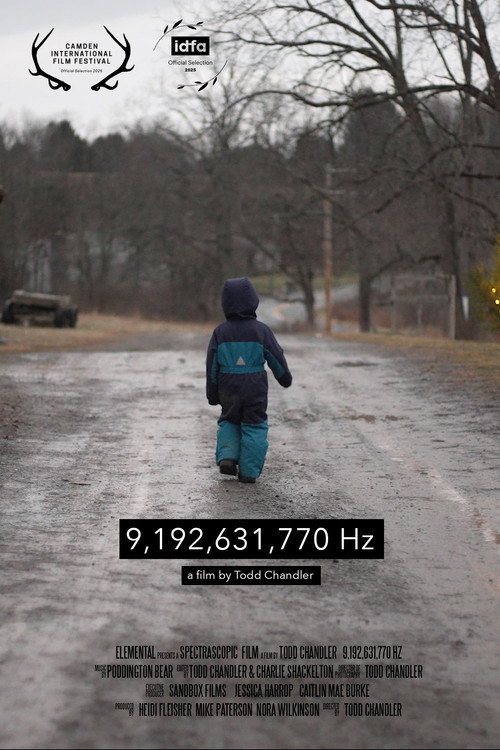
In conversation with his young son, a filmmaker wonders about time — our attempts to control it, and how it controls us. Intimate and political, poetic and scientific, the film explores the tension between objective and subjective time: from physicists tending atomic clocks, to people's daily encounters with the temporal, to the instrumentalization of time for power and commerce.
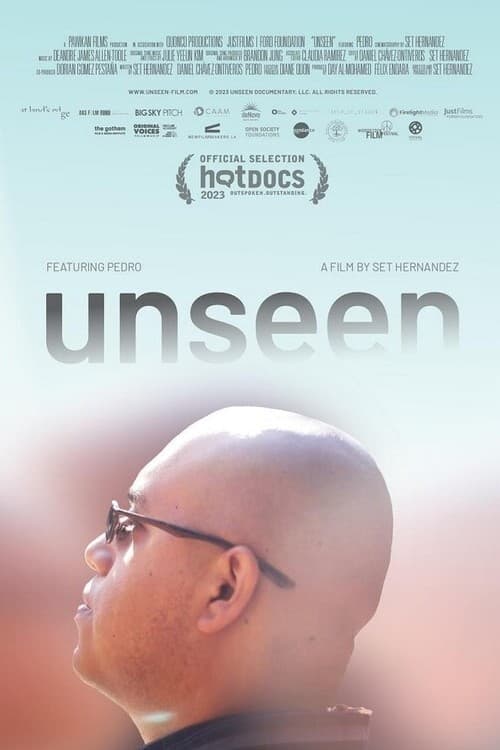
An aspiring social worker, Pedro must confront political restrictions as a blind, undocumented immigrant to get his college degree and support his family. But when attaining his dreams leads to new and unexpected challenges, what will Pedro do?
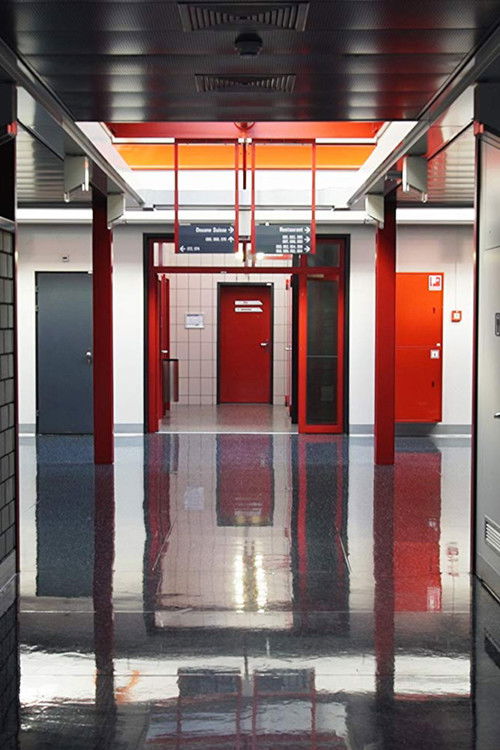
In his latest film, Braden King ponders the Geneva Freeport, a warehouse complex in Switzerland that is said to house over 1 million works of art. A high-security tax haven for international dealers and collectors, the Freeport's exact contents remain a mystery to the general public. As people crossing borders are more to more and greater scrutiny, NATIONAL DISINTEGRATIONS examines what it means to have untold amounts of wealth and property flow freely through this extralegal space.
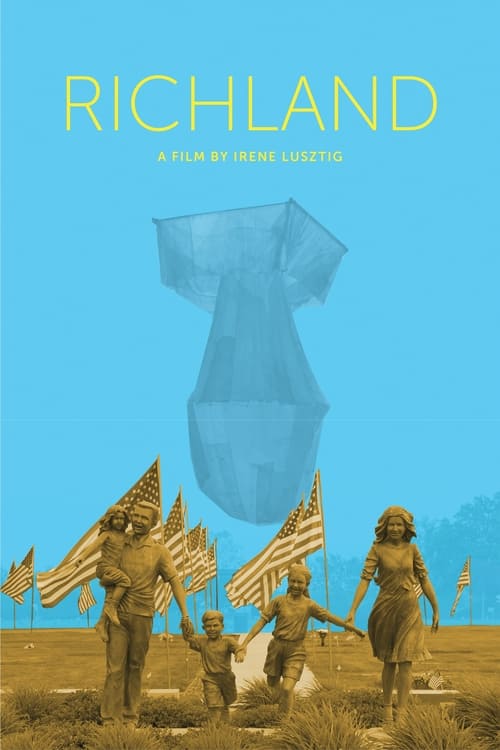
Richland is a sobering, meditative portrait of a nuclear company town that embraces its origins and divisive past, all while reflecting on its future. Filmmaker Irene Lusztig’s patient and inquisitive storytelling expertly navigates themes of security, violence, and community.
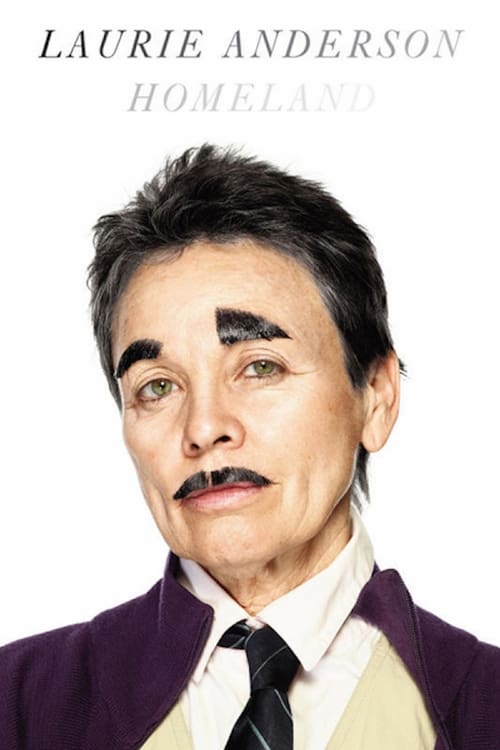
A distilled, up-to-the-minute portrait of our agitated nation, its politics, its economics, its delusions and its dreams. Laurie Anderson's tone is less outraged than elegiac, mourning for lives lost, ideals misplaced. The music is dramatically stripped down to a handful of players, centered around Anderson's haunting violin and voice, frequent Bill Frisell band-mate Eyvind Kang's viola and Peter Scherer's keyboards.
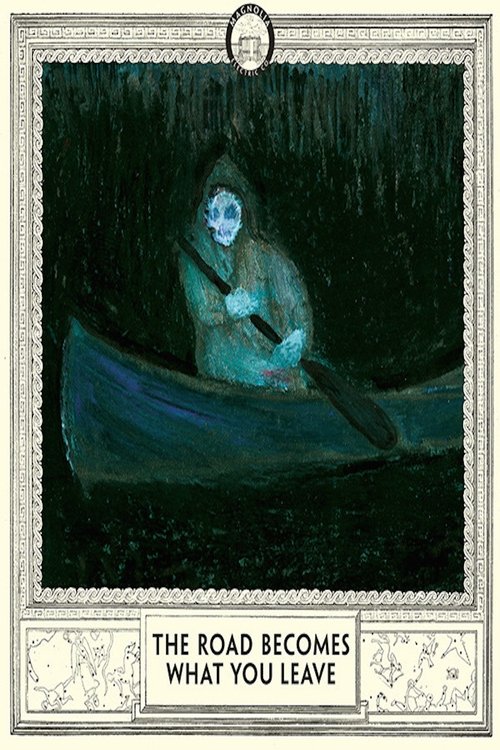
The Road Becomes What You Leave is a meditative documentary following the band Magnolia Electric Co. as they travel across the prairies of Canada.