Acting
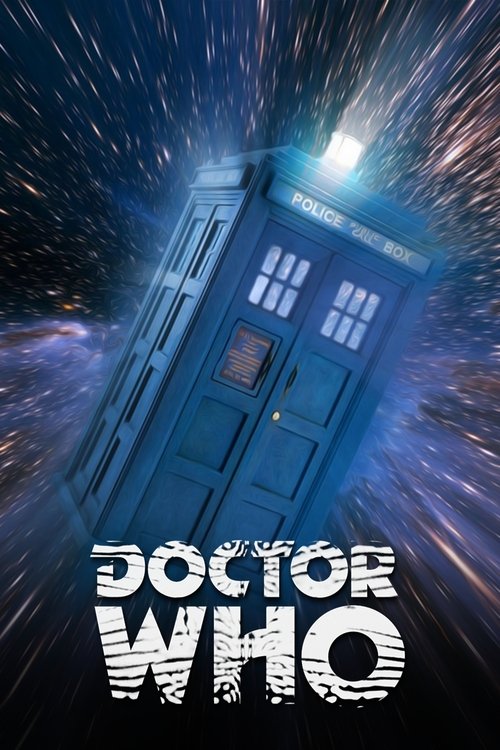
The adventures of The Doctor, a time-traveling humanoid alien known as a Time Lord. He explores the universe in his TARDIS, a sentient time-traveling spaceship. Its exterior appears as a blue British police box, which was a common sight in Britain in 1963 when the series first aired. Along with a succession of companions, The Doctor faces a variety of foes while working to save civilizations, help ordinary people, and right many wrongs.
A quirky spy show of the adventures of eccentrically suave British Agent John Steed and his predominantly female partners. Jonathan Steed - an urbane, proper gentleman spy - teams with various assistants throughout the series' run, including Dr. David Keel, Cathy Gale, Emma Peel and Tara King, to repeatedly save the world from diabolical schemes plotted by equally diabolical evil-doers (among them robots and man-eating monsters).
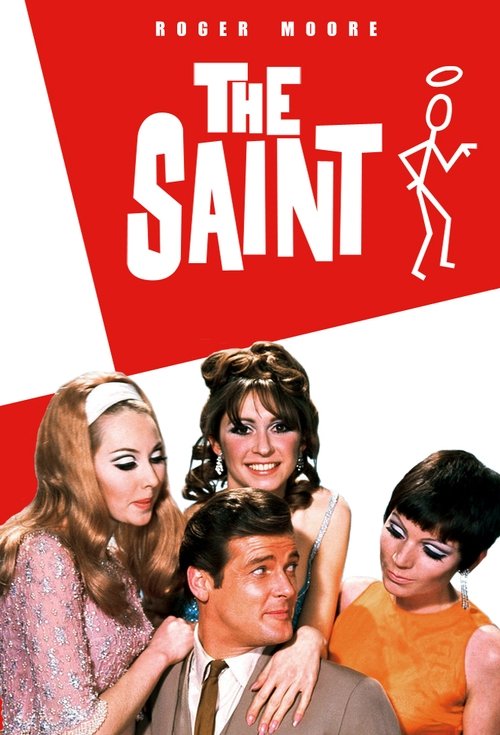
Simon Templar is The Saint, a handsome, sophisticated, debonair, modern-day Robin Hood who recovers ill-gotten wealth and redistributes it to those in need.
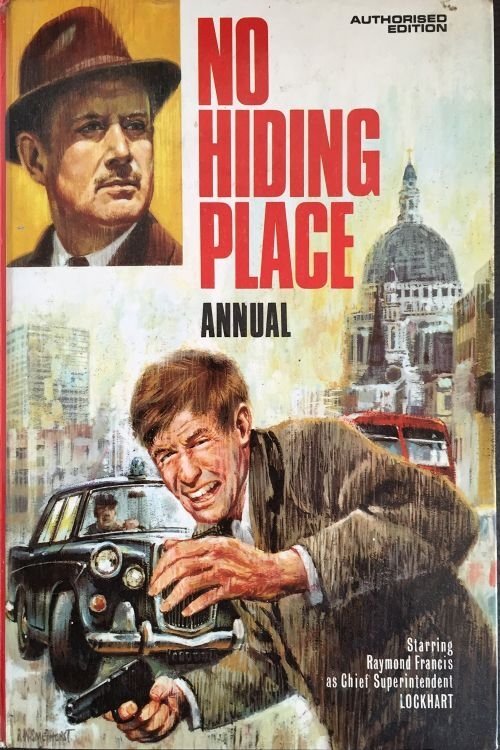
No Hiding Place is a British television series that was produced at Wembley Studios by Associated-Rediffusion for the ITV network between 16 September 1959 and 22 June 1967. It was the sequel to the series Murder Bag and Crime Sheet, all starring Raymond Francis as Detective Superintendent, later Detective Chief Superintendent Tom Lockhart.
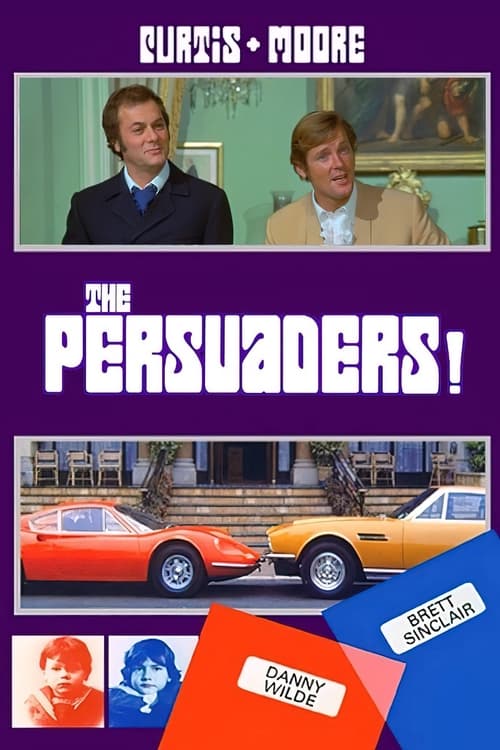
An English aristocrat and an American millionaire come together to tackle crime.
Danger Man is a British television series which was broadcast between 1960 and 1962, and again between 1964 and 1968. The series featured Patrick McGoohan as secret agent John Drake. Ralph Smart created the programme and wrote many of the scripts. Danger Man was financed by Lew Grade's ITC Entertainment.
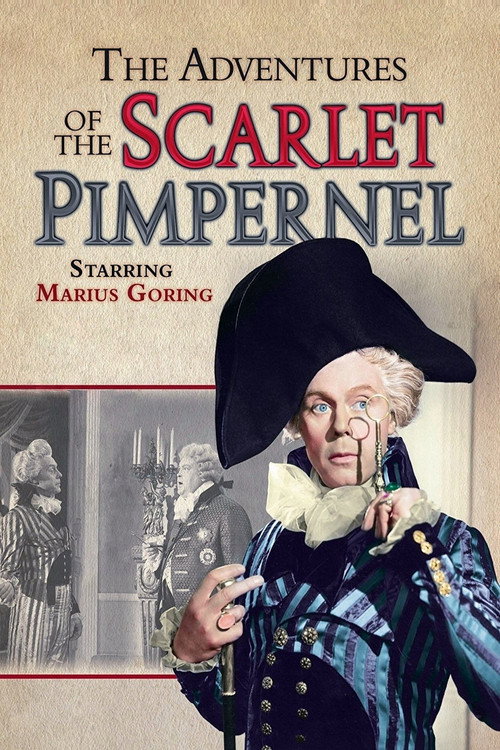
The second collection of short stories written by Baroness Orczy about the gallant English hero, the Scarlet Pimpernel and his League.
Sunday Night Theatre was a long-running series of televised live television plays screened by BBC Television from early 1950 until 1959. The productions for the first five years or so of the run were re-staged live the following Thursday, partly because of technical limitations in this era, and the theatrical basis of early television drama. Some of the earliest collaborations between Rudolph Cartier and Nigel Neale were produced for this series, including Arrow to the Heart and Nineteen Eighty-Four. The Sunday night drama slot was subsequently renamed The Sunday-Night Play which ran for four seasons between 1960 and 1963. ITV transmitted its own unrelated run of Sunday Night Theatre between 1971 and 1974.
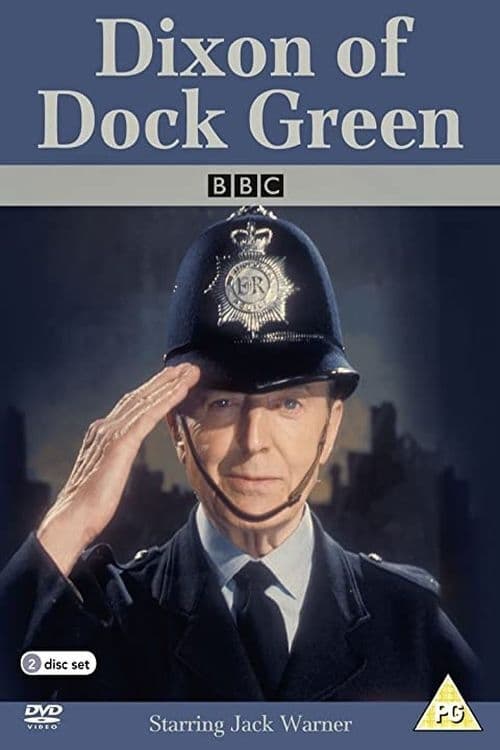
Dixon of Dock Green was a BBC television series following the activities of police officers at a fictional Metropolitan Police station in the East End of London from 1955 to 1976. Some episodes were later remade as a BBC radio series in 2005 and 2006.
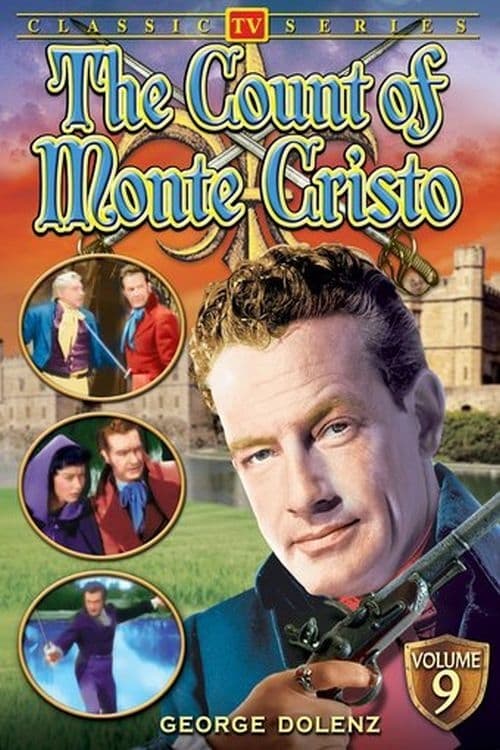
The Count of Monte Cristo was a 1956 ITC Entertainment/TPA television series adapted very loosely from the novel by Alexandre Dumas, adapted by Sidney Marshall. It premiered in the UK in early 1956 and ran for 39 thirty-minute episodes. The first twelve episodes were filmed in the United States, at the Hal Roach studios, with the rest being filmed at ITC's traditional home of Elstree. A 5-disc DVD set containing all thirty-nine episodes was released by Network Studio on 12 April 2010. ITC produced a film based on the same source-material, The Count of Monte-Cristo, in 1975.
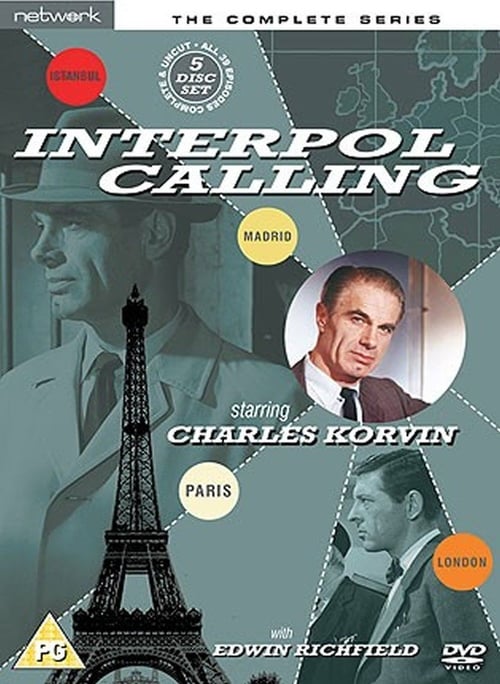
The adventures of Interpol policemen Duval and Mornay as they fought against international drug-running, homicide, robbery and forgery.
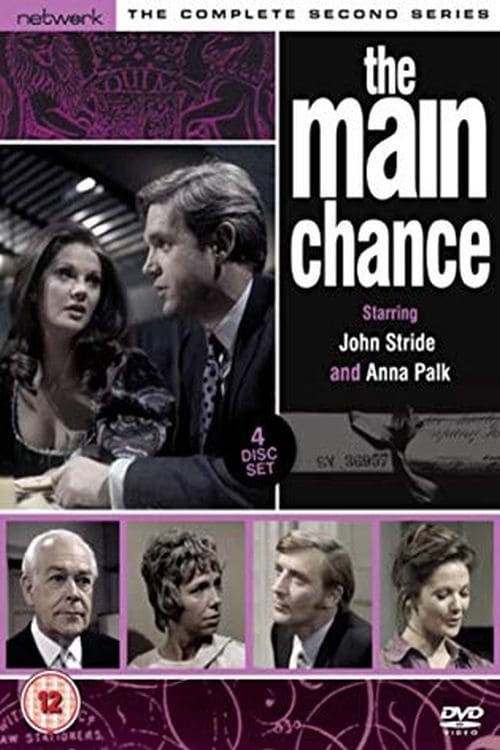
The Main Chance was a British television series which first aired on ITV between 1969,1970,1972 and 1975. A drama, it depicts the sudden transformation in the life of solicitor David Main who relocates from London to Leeds.
No description available.
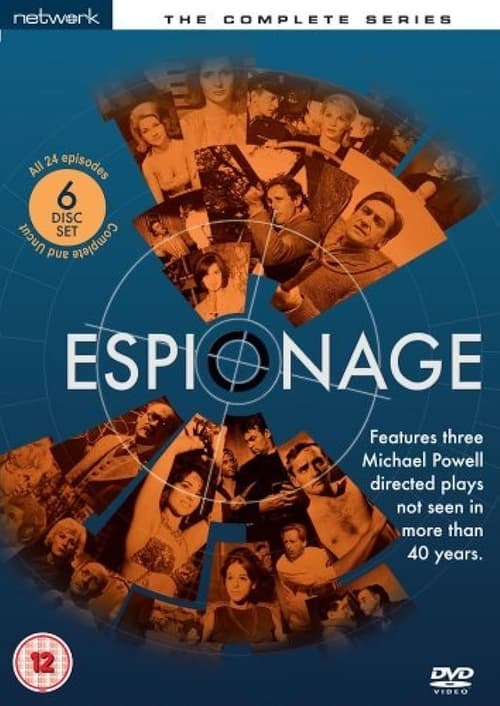
Pulled from actual case histories and utilizing newsreel and documented narratives, the activities of spies from various countries are depicted as far back as the American Revolution and as recent as the Cold War.
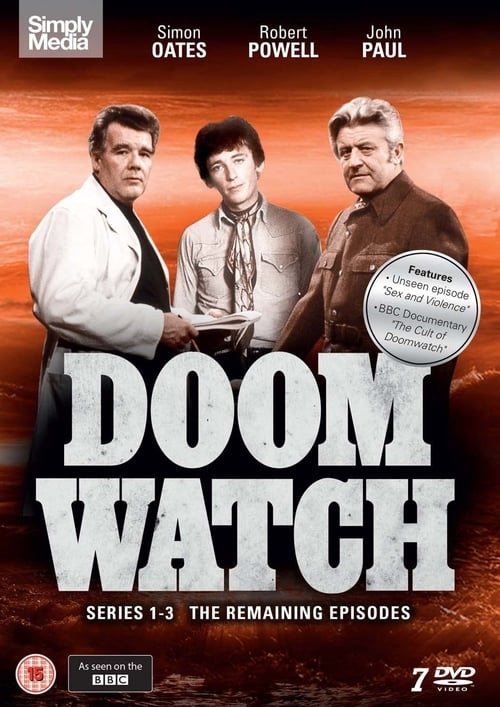
Doomwatch is a British science fiction television programme produced by the BBC, which ran on BBC 1 between 1970 and 1972. The series was set in the then present-day, and dealt with a scientific government agency led by Doctor Spencer Quist, responsible for investigating and combating various ecological and technological dangers. The series was followed by a film adaptation produced by Tigon British Film Productions and released in 1972, and a revival TV film was broadcast on Channel 5 in 1999.
The global adventures of Ken Franklin, ace operative of the William J. Burns Detective Agency, qualify as a pop-culture curio if only for star Arthur---later Art---Fleming, who hosted the original `Jeopardy!'
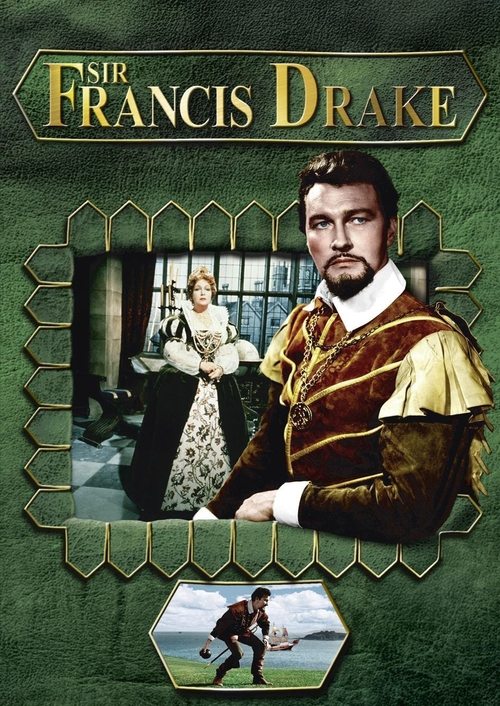
Sir Francis Drake was a British adventure television series starring Terence Morgan as Sir Francis Drake, commander of the sailing ship the Golden Hind. As well as battles at sea, sword fights, the series also deals with intrigue at Elizabeth's court, often caused by Spaniard, Mendoza.
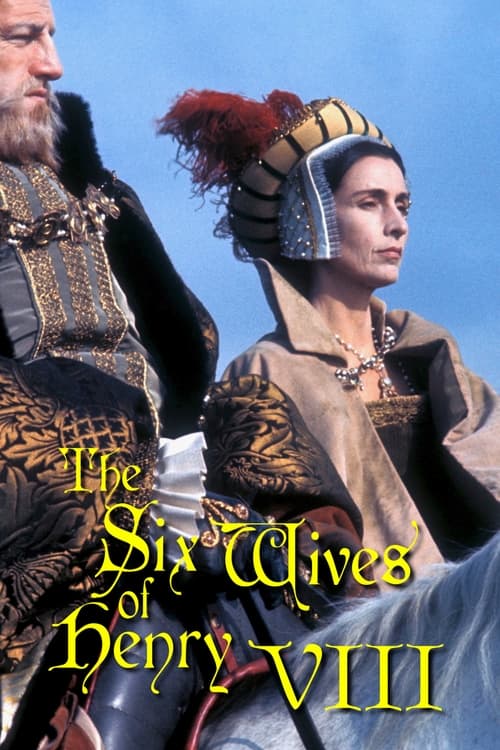
A six-episode dramatisation of Henry VIII's relationships with each of his six wives. Each episode, with a different writer, is devoted to one wife, and is a complete play in itself.
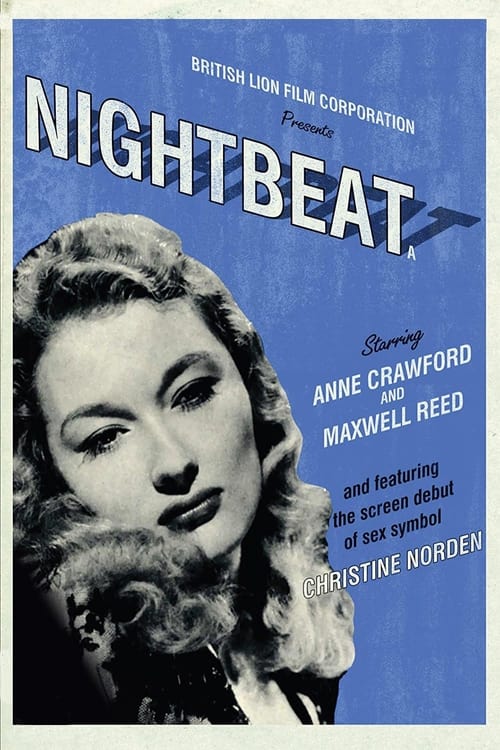
After the war is over, two army pals take opposite paths in civvy street. One becomes a petty criminal, the other becomes a policeman.
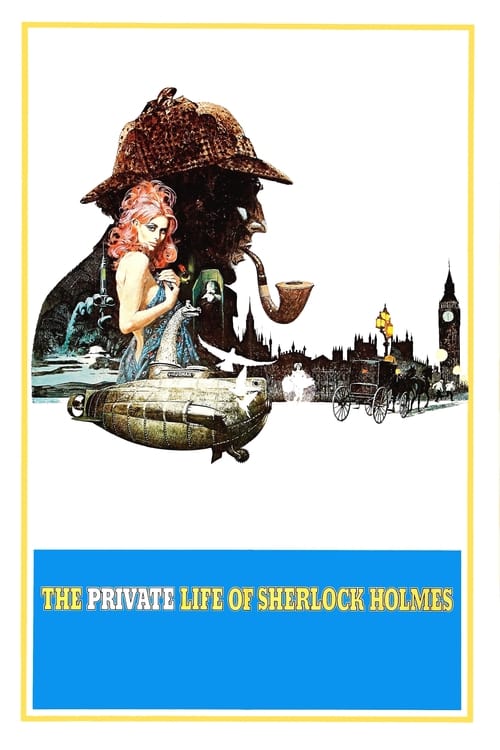
When a bored Sherlock eagerly takes the case of Gabrielle Valladon following an attempt on her life, the search for her missing husband leads to Loch Ness and the legendary monster.