Directing
Set in the high North, this tale of a Russian teacher who begins to educate the children of the Chukchi tribe reinforces the director's firm belief in the power of education to overcome distrust and establish a shared civilizational foundation for all human beings.
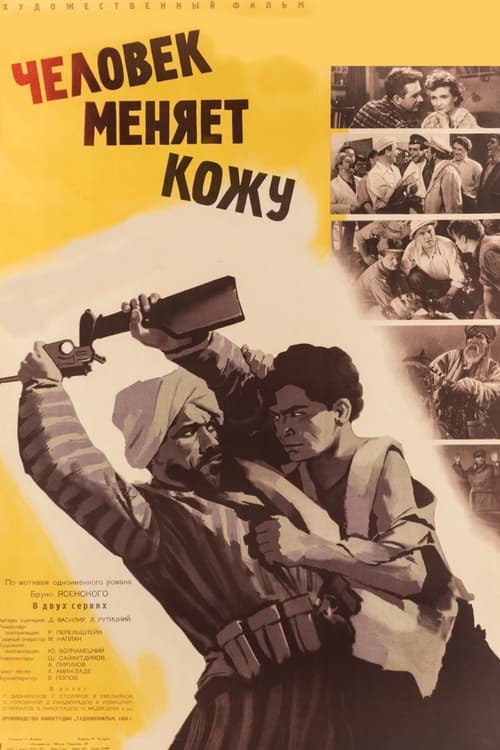
The construction of the Vakhsh Canal, one of the largest new buildings of the first five-year plan, is underway. Two Americans are coming here under contract. A seasoned spy, Colonel Bailey, who introduced himself as the harmless traveler Mr. Murry, would later be caught red-handed and exposed. And Mr. Clark, who came to the "make money" channel, will gradually become convinced that work and politics are not such different concepts. Not accepting socialism, he quite sincerely sympathizes with the enthusiasm of the Soviet people. Love for the translator - Komsomol member Maria Polozova - helps Clark to comprehend what is happening.
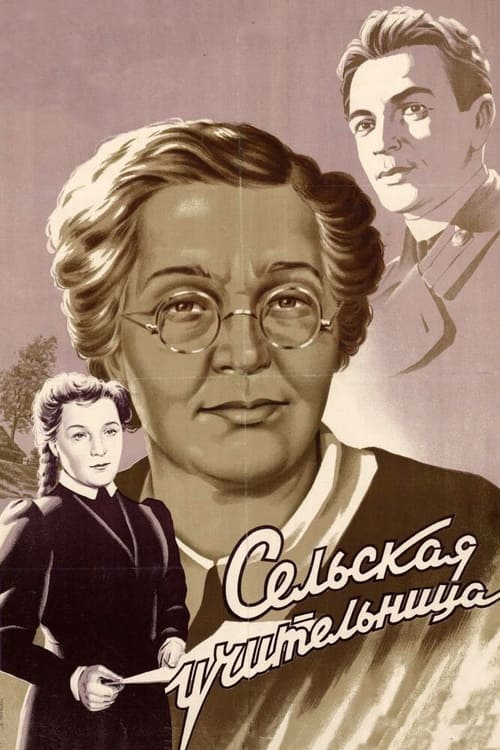
A life-long story of a romantic school teacher who left imperial St. Petersburg for teaching country children. Driven by noble intentions to enlighten people and examples by 1880s revolutionary "People's Will" member teachers, a young woman spent her life in a village and evidenced the changes a Russian village has undergone from pre-revolutionary tsarist times to late 1940s.
Lola's father leaves according to old traditions and tries to keep the reputation of his daughter unstained while local arts club director pressures her to sing at the annual youth festival.
Young Maxim grows up under the czarist regime with his grandparents as guardians. Continually demeaned by his martinet grandfather, Maxim is drawn to his warm-hearted grandmother, who instills in him the willingness to pursue his writing muse.
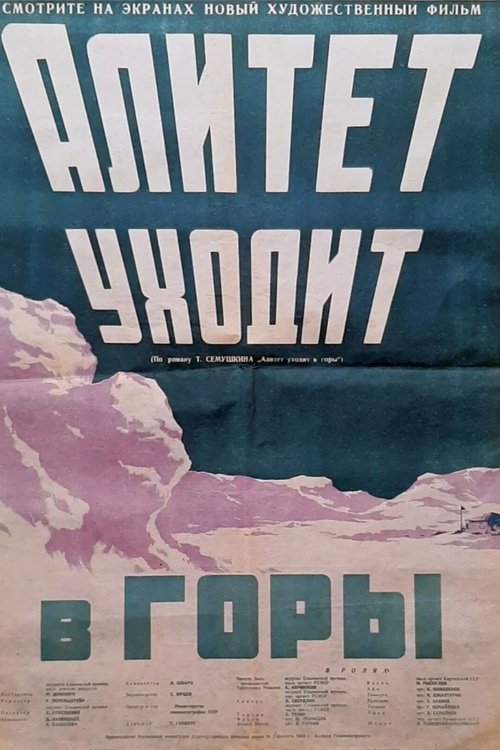
The inhabitants of Chukotka are shown to be cruelly exploited before the revolution. Once Chukotka is visited by the representative of the Kamchatka Revolutionary Committee, Los, and the ethnographer Zhukov. The news of the arrival of the Russians immediately disperses along the coast. Contrary to the pressure of the American Thomson and the local "oligarch" Alitet in Chukotka, fair trade laws are established, as a result of which the Americans and Alitet leave Chukotka.
This literary adaptation was one of only two films made during World War II on the subject of the Civil War following the Bolshevik Revolution, as attention by filmmakers and viewers shifted away from past history and toward the current conflict.
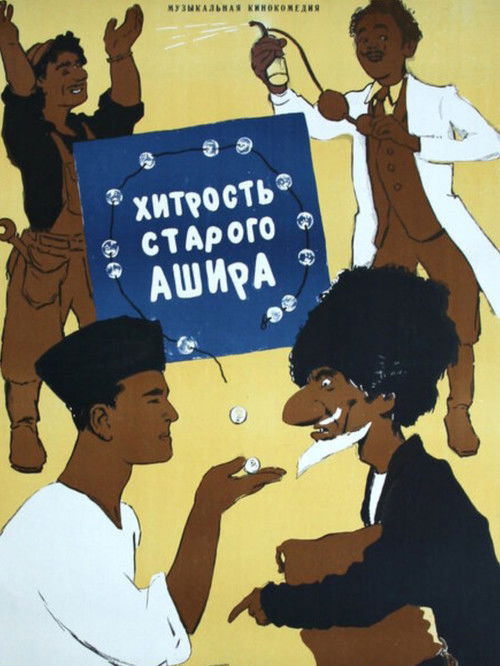
Old Ashir has a beautiful young daughter and a whole line of dzhigits who want to take her as their wife. But who will be her chosen one will be decided by the cunning Ashir.
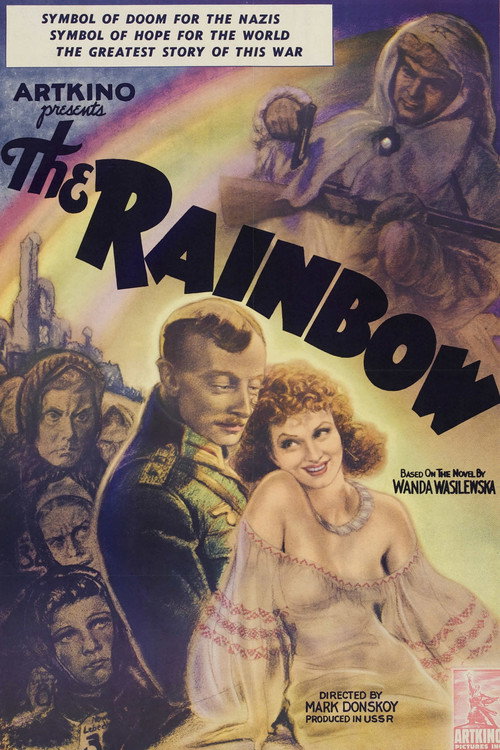
The German conquerors are above nothing, not even the slaughter of small children, to break the spirit of their Soviet captives. Suffering more than most is Olena, a Soviet partisan who returns to the village to bear her child, only to endure the cruelest of arbitrary tortures at the hands of the Nazis.
A semi-sequel to Donskoi's Raduga (1944), the story is set in Nazi-occupied Kyiv. The drama focusses on the travails of a typical Soviet family and on the efforts by the Germans to force the reopening of a local munitions factory.
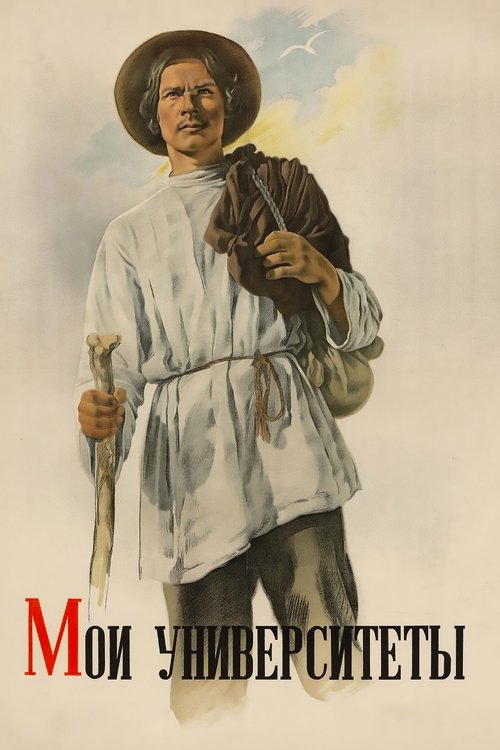
My Universities is the last installment of Russian director Mark Donskoy's "Maxim Gorki" trilogy. Having endured a painful youth in My Childhood and a torturous sojourn as a serf in My Apprenticeship, future writer Gorki reaches maturity with an insatiable desire for personal and artistic freedom. Gorky goes to work in the shipyards and commisserates with the hard-drinking, philosophical dockworkers.
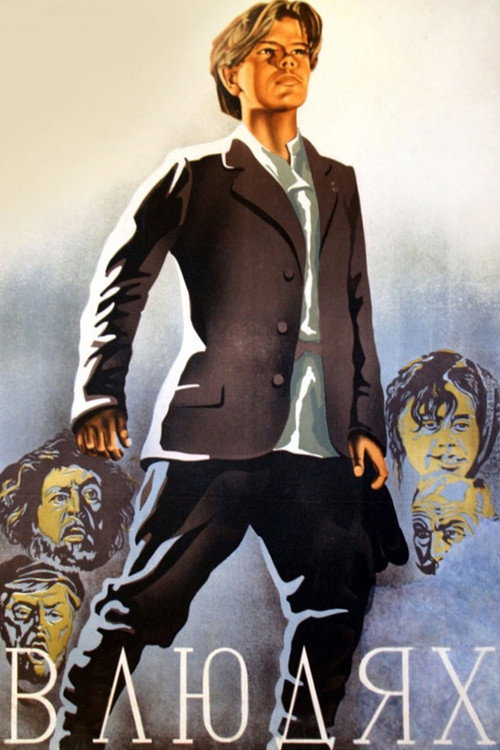
Picking up where 1938's My Childhood left off, the story covers the years in Gorki's life when the future writer was on his own, looking for a purpose and place in life.
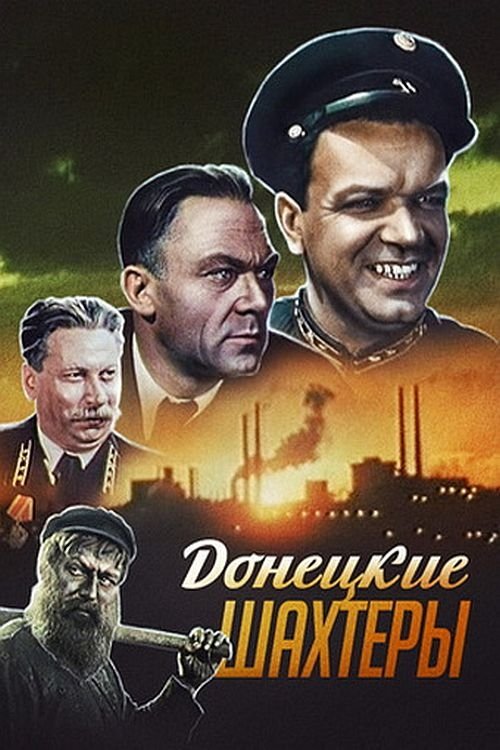
A miners in Donbass embrace new technologies with enthusiasm.
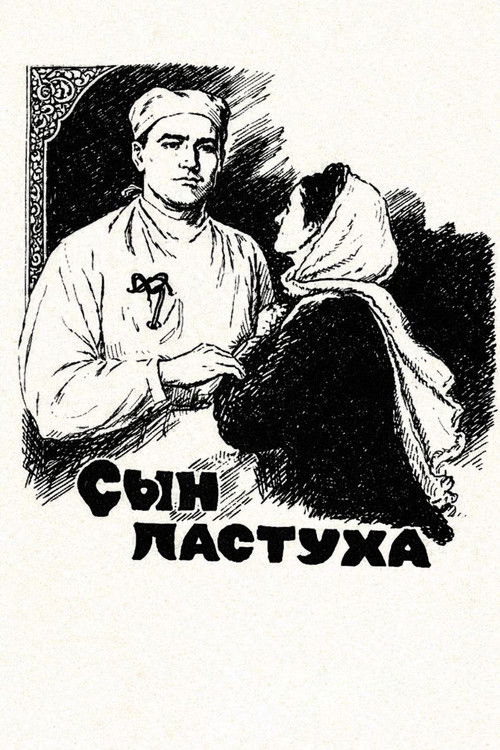
A screen adaptation of the play of the same name by G. Mukhtarov and K. Seytliyev. It tells the story of a shepherd’s son who becomes a renowned surgeon.