FEEL IT.STREAM
?

Adrian Cowell

Directing

Biography

Adrian Cowell was born on February 2, 1934 in Tangshan, China. He was a director and writer, known for The Tribe That Hides from Man (1970), Warlords of the Golden Triangle (1987) and Frontline (1983). He was married to Pilly Chamberlayne. He died on October 11, 2011 in London, England.

Known For

Dispatches
6.7

Long-running Channel 4 documentary series covering issues about British society, politics, health, religion, international current affairs and the environment. Known for featuring a mole inside organisations under journalistic investigation.

Dispatches

1987
The Heroin Wars
N/A

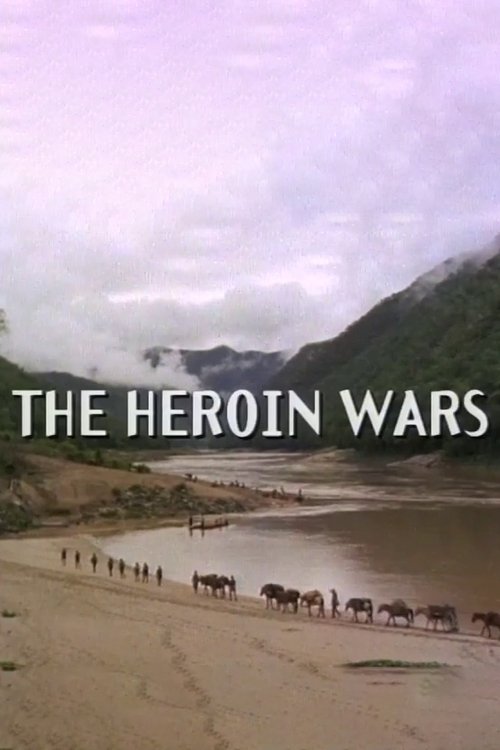
History of the narcotics trade in Burma and the War on Drugs. In 1964, director Adrian Cowell and cameraman Chris Menges went to mountainous eastern Burma to film the Shan revolutionary forces fighting a bloody civil war against the military dictatorship. The impoverished Shans had only one way to finance the war: opium. Cowell has returned several times over the last 30 years to record the ongoing civil war and the burgeoning opium trade. The first and last episodes are produced in association with WGBH/FRONTLINE.

The Heroin Wars

1996
No image
N/A

NET Journal is an anthology series that focuses on news and public affairs topics. The episodes come from many producers, and some aired as individual programs before airing on NET Journal.

NET Journal

1966
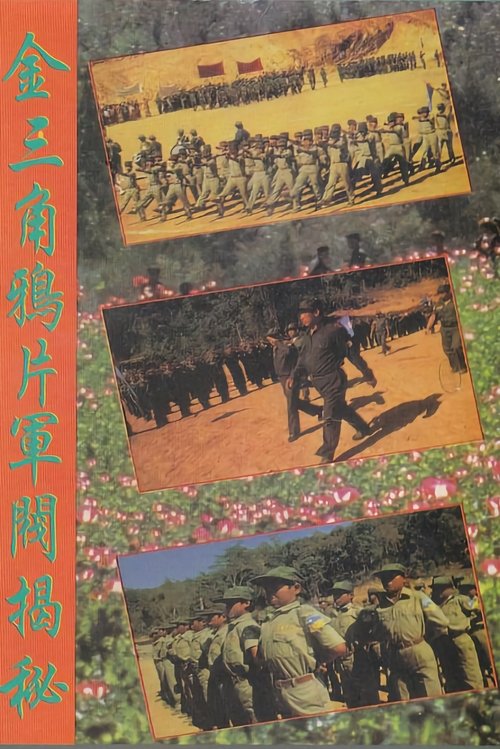
Warlords of the Golden Triangle
6.0

A decade after working together on The White Powder Opera, Yung reunited with director Adrian Cowell and cinematographer Chris Menges for this powerful and fascinating documentary about the drug trade in the Golden Triangle. Shot in the bordering areas of Laos, Thailand and Myanmar, the film shows the planting of opium, the production of heroin and how the finished product is transported to the rest of the world. The filmmakers even spoke to two rival drug cartels in the area and captured their operations on camera. Using archival footage and photos, Yung and Cowell also reconstruct the history of the drug trade from the 1940s to the 1980s. The Cantonese-language version being screened was re-edited by Yung himself, who also supervised a new narration by actor John Sham.

Warlords of the Golden Triangle

1987
No image
N/A

Adrian Cowell’s epic, ten-year-long series begins with a tale reminiscent of the American Wild West. A Brazilian settler brings his family to live deep in the Amazon, in Indian territory. Two of his sons are murdered and another is kidnapped by a renegade Indian tribe. For four years, a government expedition searches for the Indians and the child. Meanwhile, the colonists’ expansion continues to encroach on the Indians’ land. The series follows landless peasants as they are lured to the forest with promises of free land and big harvests. As the forest is slashed and burned, the crisis is taken to the US Congress, where under pressure, the World Bank finally changes its policies toward Brazilian development.

The Decade of Destruction

Opium: The White Powder Opera
N/A

Set in Hong Kong, the narcotics documentary Opium: The White Powder Opera (1976-77) was commissioned by a British television station. Yung, its associate producer and cinematographer, joined the surveillance team of the Narcotics Bureau to acquaint himself with the workings of the drug trade. This paved the way for The System. In addition to the cat-and-mouse game between the cops and the druglord, a fascinating thread traces the relationship among dealers, junkies and mules in Sai Ying Pun. The title hails from Brecht’s The Threepenny Opera, another tragedy concerned with a capitalist society’s oppressed and exploited nobodies.

Opium: The White Powder Opera

1976
The Tribe That Hides from Man
N/A

Indianist Orlando Villas Boas goes deep into the jungle to try and make contact with the elusive Kreen-Akrore tribe, who have slaughtered everybody they have come in contact with, down to children, since soon buildings and roads will be coming in.

The Tribe That Hides from Man

1970
Raid Into Tibet
6.0

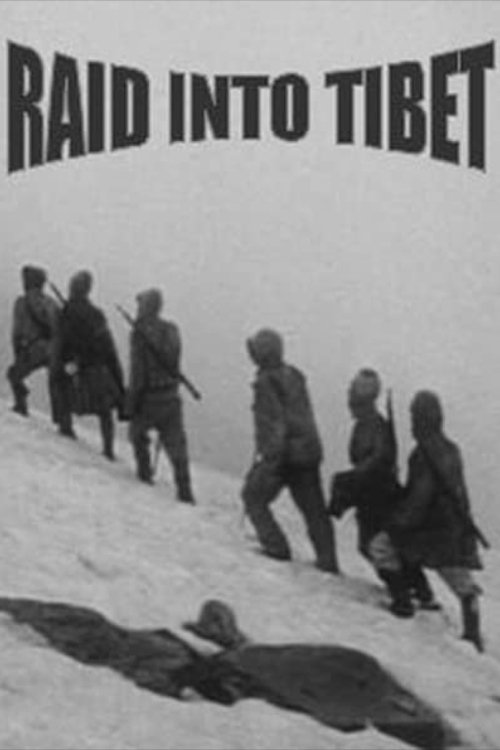
In May 1964, three British filmmakers traveled with the Khampa guerrillas over a 20,000-foot pass into occupied Tibet from the remote Tsum region of Nepal and captured dramatic footage of an ambush on a Chinese military convoy. The footage was smuggled out and edited two years later in London, and officially released in 1966 to critical acclaim. Shot by Oscar-winning cinematographer Chris Menges (THE READER, LOCAL HERO, THE KILLING FIELDS), this documentary short is an important historical artifact, representing the only known footage of armed Tibetan resistance fighters in combat with the Chinese.

Raid Into Tibet

1966